Meta Description
Recycled cotton rags offer powerful cleaning performance while reducing Pakistan’s textile waste. Learn their environmental benefits and industrial advantages.
Introduction
In recent years, industries increasingly prefer using recycled cotton rags. Rising environmental concerns, especially in countries like Pakistan where industrial textile waste grows at an alarming rate, drive this shift. Therefore, industries adopt recycled cotton rags as a more sustainable and practical cleaning solution.
1. Reduced Textile Waste in Pakistan
Pakistan’s textile industry creates a significant environmental challenge, generating thousands of tons of fabric scraps and offcuts every year. Traditionally, most of this waste ends up in landfills, where it pollutes the environment and causes long-term soil contamination.
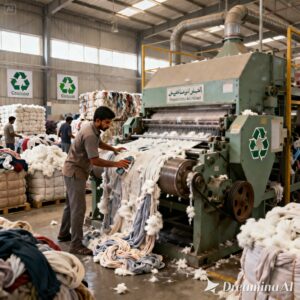
However, converting these fabric leftovers into recycled cotton rags diverts a large portion of textile waste from landfills. As a result, Pakistan’s industrial waste burden decreases more effectively and sustainably.
2. Lower Environmental Impact
Recycled cotton rags are considered an eco-friendly alternative because producing them does not require new resources. Since the fabric is repurposed rather than manufactured from scratch, it significantly reduces water consumption, chemical usage, and energy demand.
Furthermore, since cotton is a natural biodegradable fiber, recycled rags break down more safely than synthetic cleaning materials. Consequently, the product’s lifecycle generates a lower carbon footprint.
3. Enhanced Absorbency and Cleaning Performance
People often prefer recycled cotton rags because they absorb liquids better, especially oil, grease, solvents, and industrial spills. Since they have already been washed and softened during their previous use, the fibers retain liquids more effectively than new fabric.
Moreover, since properly processed cotton is naturally lint-free, it delivers cleaner surfaces and more precise wiping results. This quality makes it ideal for automotive workshops, textile mills, engineering units, and general maintenance.
4. Cost Efficiency for Factories
A major advantage of recycled cotton rags is that they deliver high performance at a significantly lower cost. Because manufacturers use waste materials to make them, they minimize production expenses.
Consequently, factories can lower their cleaning budgets without compromising wipe quality. Over time, industries that require daily wiping operations achieve substantial savings.
5. Support for Pakistan’s Recycling Sector
As the demand for recycled cotton rags has grown, thousands of people have found jobs in sorting, cutting, processing, and packing units across Pakistan. Additionally, recycling businesses now purchase more textile waste rather than discard it.
Thus, local economies strengthen, and people promote a circular recycling ecosystem.
6. A Step Toward Cleaner, Greener Industry
By adopting recycled cotton rags, industries help achieve Pakistan’s environmental improvement goals. They indirectly reduce air and land pollution and encourage more sustainable manufacturing habits.
Most importantly, this shift shows that maintaining high cleaning standards is possible while still protecting the environment.
Conclusion
In conclusion, recycled cotton rags have emerged as a practical, affordable, and environmentally responsible choice for industrial cleaning. As Pakistan faces increasing textile waste challenges, the adoption of recycled rags not only reduces environmental impact but also delivers excellent cleaning performance and economic savings for factories.