Meta Description
Compare cotton rags vs microfiber cloth for industrial cleaning. Learn absorbency, durability, cost, and eco-performance to choose the best option for your industry.
Introduction
When choosing the best wiping material for industrial cleaning, you need to make a clear and well-informed decision. Although people commonly use both cotton rags and microfiber cloths, their performance varies depending on the environment, type of cleaning, and industry demands. Therefore, you should conduct a detailed comparison to understand which option offers better value, durability, and cleaning efficiency.
1. Overview of Cotton Rags
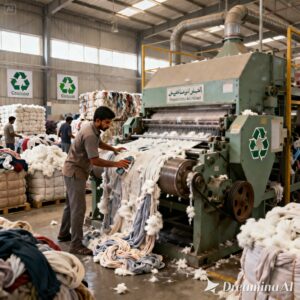
Cotton rags are produced from recycled or repurposed cotton fabric. People widely use them across Pakistan’s textile, automotive, engineering, and maintenance sectors because they consistently deliver strong absorbency and versatility. Additionally, since they are made from natural fibers, they support eco-friendly cleaning practices.
2. Overview of Microfiber Cloth
Manufacturers produce microfiber cloths from synthetic fibers such as polyester and polyamide. They often promote microfiber cloths as high-performance wiping materials because their fine fibers trap dust and microscopic particles more effectively. However, microfiber cloths cost more and are less environmentally friendly because of their plastic-based composition.
3. Head-to-Head Comparison Table
| Feature | Cotton Rags | Microfiber Cloth |
|---|---|---|
| Material Composition | Natural cotton fiber | Synthetic polyester + nylon |
| Absorbency | High absorbency for oil, grease, and water | Moderate water absorbency, excellent for dust |
| Durability | Durable but depends on rag quality | Highly durable and long-lasting |
| Surface Safety | Gentle on surfaces, lint-free (when processed) | Safe but may scratch if dirty |
| Environmental Impact | Highly eco-friendly & biodegradable | Not biodegradable; releases microplastics |
| Cost | Low-cost, budget-friendly | Higher upfront cost |
| Best For | Heavy-duty cleaning, oil wiping, industrial spills | Dusting, polishing, fine cleaning |
4. Absorbency Performance
Cotton rags are generally preferred for oil, grease, chemical spills, and industrial messes because cotton fibers naturally provide superior liquid absorption. In contrast, microfiber cloths perform better when you need to clean fine dust or do delicate polishing. However, microfiber cloths absorb less water than cotton in heavy industrial environments.
5. Durability & Maintenance
Microfiber cloths are known for their long-term durability; however, users must wash them carefully because heat and chemicals can damage the synthetic fibers.
On the other hand, cotton rags can withstand rough use, heavy wiping tasks, and industrial washing without losing performance.
6. Environmental Impact
Cotton rags offer a significant advantage because manufacturers make them from recycled textile waste. As a result, they reduce landfill pressure and improve environmental sustainability.
Microfiber cloths are made from plastics, and microplastic shedding may occur during washing. Therefore, their environmental score is lower.
7. Cost Comparison
Industries in Pakistan perform daily wiping operations in bulk, making cotton rags far more cost-efficient.
Microfiber cloth, while long-lasting, requires a higher initial investment and more careful handling
Conclusion
In conclusion, both cotton rags and microfiber cloths serve important purposes. However, heavy-duty industrial cleaning favors cotton rags because of their absorbency, affordability, and environmental advantages. Meanwhile, you can use microfiber cloths for polishing, dusting, and fine-surface maintenance. Ultimately, you should choose based on your industry’s specific cleaning requirements.