Meta Description
Learn whether cotton rags are safe for food industry cleaning. This expert review explains hygiene requirements, HACCP rules, contamination risks, and approved rag types.
Introduction
Cleaning materials used in the food industry must meet strict hygiene standards because contamination risks are extremely high. Therefore, people often question the suitability of cotton rags for food-grade environments. To clarify this concern, an expert review has been prepared to help understand the role of cotton rags in food-processing areas. In addition, the review explains relevant HACCP guidelines to support compliance.
Why Hygiene Requirements Are Stricter in Food Facilities
In food production units, everyone expects cleaning tools to prevent cross contamination. Consequently, people discourage materials that shed lint, trap bacteria, or absorb unwanted residues. Moreover, workers must trace, sanitize, and maintain all cleaning items in hygienic conditions. For this reason, companies control the use of cleaning rags through documented procedures.
Can cotton rags serve in the food industry?
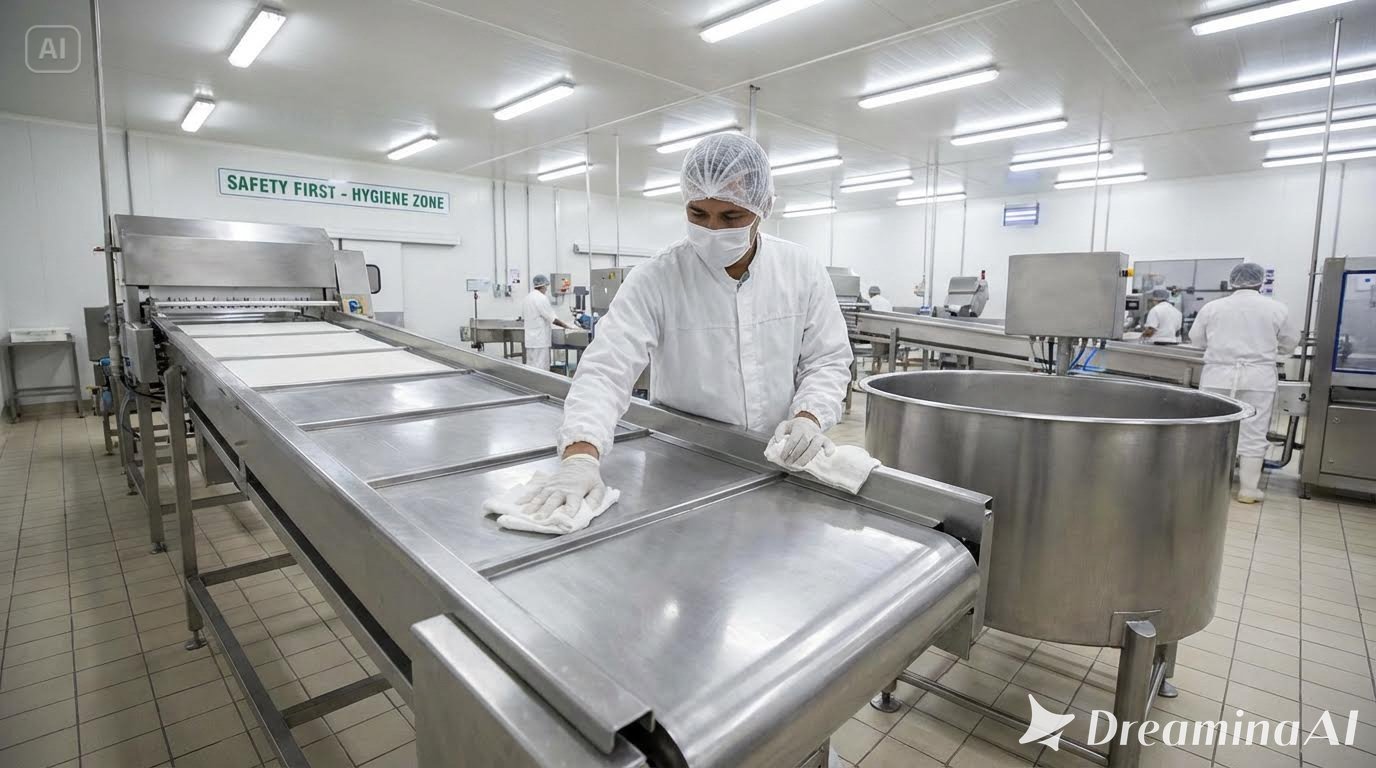
Cotton rags can serve in certain food industry cleaning applications, but only when specific conditions are met. In most cases, workers restrict these rags to non direct food contact areas. Therefore, they permit their use only when contamination risks are fully mitigated.
Acceptable Zones (with controls)
- Equipment exterior wiping
- Floor and surface cleaning
- Packaging area maintenance
- Utility rooms and machine areas
Not Recommended For
- Direct food-contact surface cleaning
- High risk zones (meat, dairy, ready to eat food prep)
- Environments requiring lint-free wipes
This separation helps maintain hygiene standards effectively.
What HACCP Requires From Cleaning Materials
HACCP (Hazard Analysis and Critical Control Points) is a system that ensures contamination risks are identified, controlled, and monitored. According to HACCP principles, all cleaning tools including rags must be:
- Non-linting (or low lint)
- Free from foreign matter
- Easily cleanable or disposable
- Colour-coded for zone control
- Stored hygienically
Therefore, you must ensure that cotton rags meet these criteria consistently if you use them.
Risks Associated With Cotton Rags (and How They Should Be Controlled)
1. Lint Shedding
Cotton fibres may shed, which can cause contamination.
Control: Use only low lint white cotton rags in low risk zones.
2. Bacterial Growth
Contaminated rags can harbour bacteria when reused.
Control:You must sanitize, change frequently, and dry the rags completely.
3. Foreign Objects
Needles, buttons, zips, or hard objects may be present in recycled cotton material.
Control: Metal detectors should detect the rags, workers should hand sort them, and inspectors should quality check them.
4. Moisture Absorption
Moist rags can support microbial growth.
Control: Only store or use clean and fully dried rags.
Applying these controls makes cotton rags safer for certain defined cleaning tasks within food facilities.
Which types of cotton rags are considered safer?
White Hosiery Cotton Rags
- Low lint
- Soft texture
- Suitable for external machine cleaning
Fresh, Uncontaminated Woven Cotton Pieces
- Better durability
- Minimal residue
- Suitable for utilities and general maintenance
HACCP Colour Coded Cotton Packs
- Blue, red, and yellow packs help manage cleaning zones
- Reduce cross contamination risks
These options offer better compliance with hygiene standards when used responsibly.
Packaging Requirements for Food Industry Cotton Rags
To maintain hygiene, packaging must also follow strict guidelines. Therefore:
- You should pack rags in sealed poly bags.
- Ensure that storage is clean and moisture-free.
- Wrap compressed bales for bulk use to prevent dust.
- Labels must include batch numbers for traceability
As a result, they significantly reduce contamination risks.
Are Cotton Rags the Best Choice for Food Facilities?
Although cotton rags can be used under restricted conditions, they are not considered the premium choice for high risk food zones. Instead, lint-free microfiber or disposable hygienic wipes are typically recommended.
However, cotton rags remain widely used in:
- Utility cleaning
- Machinery exterior maintenance
- Storage areas
- Packaging areas
- Non-contact surfaces
Therefore, cotton rags can still play a valuable role when applied strategically and managed under strict hygiene protocols.
Conclusion
When the correct rag type is selected and strict HACCP guidelines are followed, cotton rags can be used safely in defined food industry areas. Contamination risks must be controlled through proper sorting, sanitization, storage, and colour coding. Although cotton rags are not recommended for direct food contact cleaning, they remain a practical and cost-effective option for general maintenance tasks within food-processing environments. Consequently, factories can achieve both hygiene compliance and operational efficiency by implementing controlled cotton rag usage.