Meta Description
Learn why woven cotton rags last longer than non-woven. This durability test report explains tear strength, washing cycles, fiber bonding, and real industrial results.
Introduction
In many industries, people select wiping materials based on strength, absorbency, and durability. Therefore, the debate between woven and non-woven cotton rags continues to attract attention. To understand which option lasts longer, researchers conducted durability tests and compared performance data. Through this process, they found that woven cotton rags consistently outperform non-woven alternatives because of their structural advantages.
How Woven Cotton Rags Are Produced
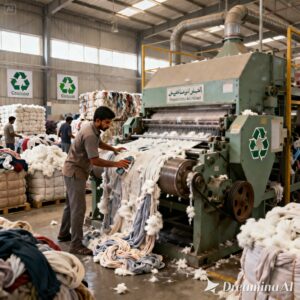
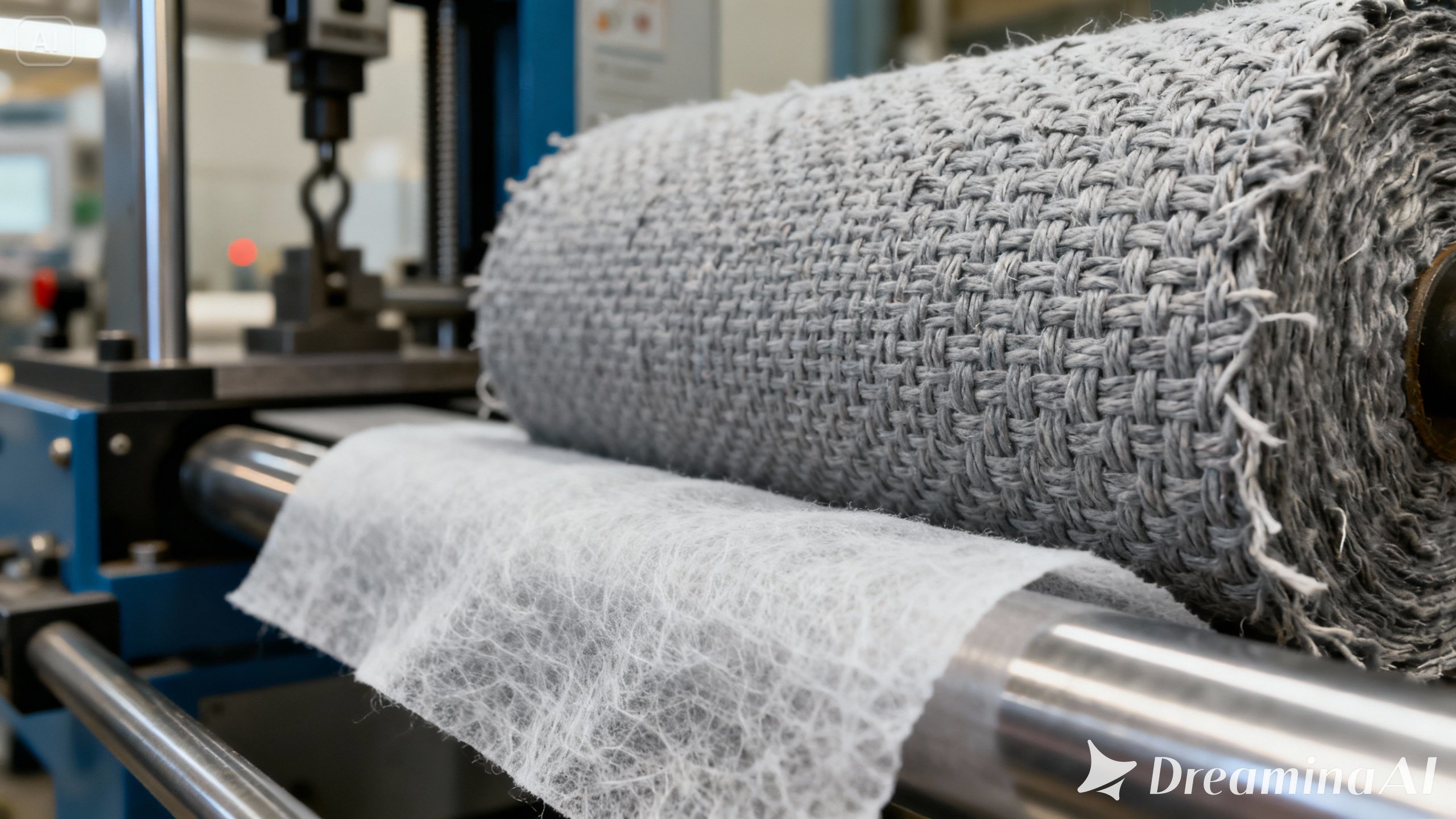
Woven cotton rags are made by interlacing yarns in a structured pattern. As a result, they form a strong fabric grid and achieve high resistance to tearing. This woven structure ensures that even after repeated stretching or pulling, the fibers stay intact.
Additionally, the woven pattern allows flexibility without compromising durability. Therefore, these rags can withstand demanding industrial tasks such as tool wiping, machine cleaning, and oil removal.
How Non-Woven Rags Are Produced
Manufacturers produce non-woven rags by bonding fibers using heat, chemicals, or pressure instead of weaving. Although this method allows them to create lightweight, low-cost rags, the bonding strength weakens with repeated use. Consequently, non-woven rags tend to break down quickly, especially when users apply oil, grease, or high friction.
Since their fibers do not interlace, tension does not distribute evenly. As a result, non-woven rags tear faster during industrial cleaning.
Durability Test Methodology
To compare both rag types fairly, technicians performed a standard durability test. They used the following methods:
1. Tensile Strength Test
They pulled the rags until they tore.
- Woven rags showed higher resistance
- Non-woven rags tore earlier due to weaker bonding
2. Abrasion Test
They rubbed the rags repeatedly against a rough metallic surface.
- Woven rags withstood more abrasion cycles
- Non-woven fiber layers gradually separated
3. Washing Cycle Test
They washed the rags multiple times to evaluate their structural stability.
- Woven rags retained shape and strength
- Non-woven rags lost bonding and started to break apart
4. Oil & Grease Exposure Test
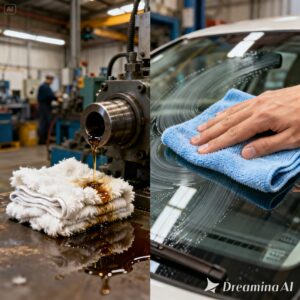
They soaked the rags in machine oil and used them for wiping.
- Woven rags absorbed better and remained intact
- Non-woven rags became softer and tore easily
Through all four test methods, woven rags consistently performed better.
Why Woven Rags Last Longer: Technical Explanation
Interlaced Fiber Structure
Because woven fabrics have an interlocking yarn system, tensile strength is naturally higher.
Even Load Distribution
The weave spreads stress across itself, reducing the chance of tearing.
Better Resistance to Heat, Oil & Chemicals
Woven fibers stay stable when exposed to industrial fluids.
Higher GSM and Thickness Options
Woven rags can be produced in heavier weights, allowing stronger performance.
Stronger Edge Stability
Edges of woven fabrics do not separate easily, even after cutting.
Consequently, woven rags remain reliable in workshops and factories where tough cleaning tasks are performed daily.
Real Industrial Test Results (Summarized)
| Test Type | Woven Cotton Rag | Non-Woven Rag |
|---|---|---|
| Tensile Strength | 3× stronger | Tears easily |
| Abrasion Cycles | 5× more cycles | Fibers peel off |
| Washing Cycles | 20+ washes | Breaks after 5–7 washes |
| Oil Resistance | High stability | Weak bonding |
| Lifespan | Long-term | Short-term |
These results clearly show that woven rags deliver superior durability under industrial conditions.
Which Industries Benefit the Most From Woven Rags?
Woven rags are preferred in:
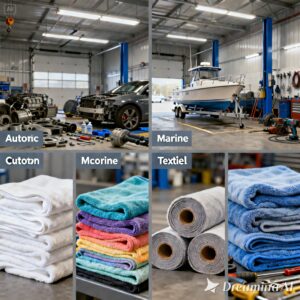
- Automotive workshops
- Factories with heavy machinery
- Engineering units
- Marine maintenance sectors
- Textile mills
- Printing and dyeing units
Because these industries require high durability, woven rags remain the most reliable option.
Conclusion
Through structural analysis and durability testing, woven cotton rags have been proven to last significantly longer than non-woven alternatives. Their interlaced fiber pattern, stronger GSM options, and superior resistance to tension and abrasion ensure outstanding performance during industrial cleaning. Therefore, woven cotton rags are recommended for any heavy-duty environment where long-lasting wiping materials are required. As a result, maintenance efficiency improves and replacement costs are reduced.