Meta Description
Step inside a typical factory day and see how cotton rags handle spills, improve cleaning flow, and boost efficiency in industrial operations.
Introduction: A Typical Factory Morning
Every factory day begins with motion, noise, and nonstop activity. Machines start running, workers move into position, and production quickly gains momentum. In this fast-paced environment, we must ensure cleanliness flows naturally alongside daily operations instead of treating it as an afterthought.
This is where cotton rags quietly play an important role supporting efficiency without interrupting productivity.
Morning Shift: Handling Spills as Work Begins
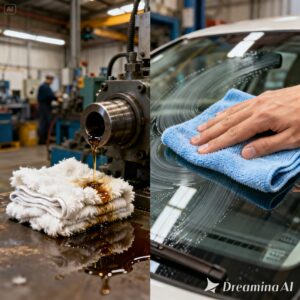
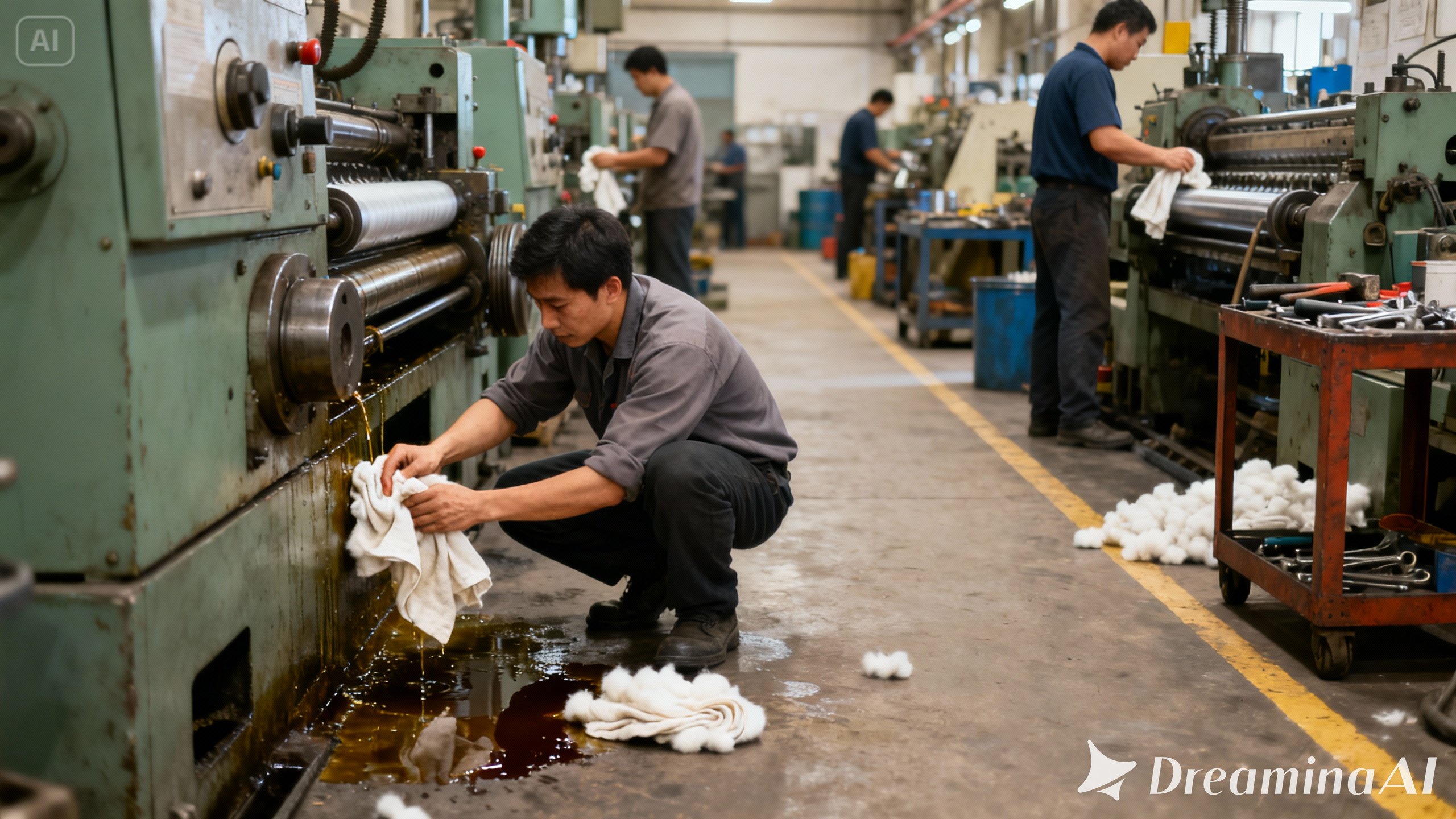
As machines warm up and materials are loaded, small spills inevitably appear. Oil drips near equipment, grease marks show up on work surfaces, and dust settles overnight. Rather than stopping production, workers quickly reach for cotton rags.
Because cotton rags absorb liquids effectively, workers wipe spills immediately. As a result, teams reduce safety risks and continue working without delay. This quick response sets the tone for a smooth shift.
Midday Operations: Maintaining a Smooth Cleaning Flow
By midday, production reaches its peak. Tools change hands, machines are adjusted, and surfaces require frequent wipe-downs. At this stage, cleaning must stay efficient and predictable.
Cotton rags support this flow because workers reuse them across multiple tasks. Instead of constantly replacing disposable wipes, teams clean, rinse, and continue working. Consequently, movement remains uninterrupted, and productivity stays high.
Afternoon Maintenance: Efficiency Without Waste
Later in the day, maintenance teams perform routine checks. They inspect equipment, remove residue, and prepare work areas for the next shift. During this stage, cotton rags prove especially useful.
Their durability allows workers to tackle tougher grime without tearing or creating excessive waste. As a result, teams use fewer materials and finish cleanup faster. This approach maintains efficiency without adding unnecessary costs.
End of the Day: Clean Floors, Ready Machines
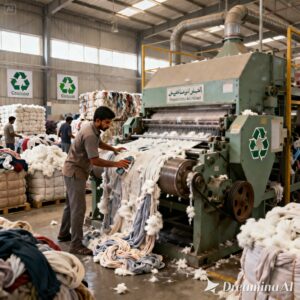
As the shift ends, floors are wiped, machines are cleaned, and workstations are reset. Used cotton rags are collected for washing rather than disposal. This simple habit reduces waste while preparing supplies for the next day.
Because cleaning remains consistent from start to finish, the factory stays organized, safe, and ready for continued operation.
Why Cotton Rags Fit the Factory Workflow
Cotton rags blend seamlessly into daily factory life. They handle spills quickly, support continuous cleaning flow, and improve overall efficiency. Most importantly, they adapt to real working conditions without slowing teams down.
This reliability explains why cotton rags remain a trusted choice across industrial environments.
Conclusion: Small Tool, Big Impact
One factory day reveals how small tools can make a big difference. From early-morning spills to end-of-day cleanup, cotton rags support smooth operations at every stage.
By improving cleaning flow and reducing interruptions, cotton rags help factories stay efficient, safe, and productive day after day.