Meta Description:
Discover how recycled cotton rags support the circular economy. Learn their benefits, production processes, and how they reduce textile waste sustainably
Across the global textile industry, companies are paying increasing attention to sustainable waste management. As a result, many manufacturers now position textile recycling as a critical solution for reducing landfill waste and conserving natural resources. Among recycled products, recycled cotton rags stand out for their environmental and practical value. Therefore, this blog takes a closer look at the processes involved in producing them.
The Role of Textile Recycling in Sustainability
Textile recycling extends the life cycle of existing materials. Instead of discarding used textiles, recycling facilities collect, process, and reintroduce them into the supply chain. Consequently, manufacturers significantly reduce waste generation and minimize the need for raw materials.
Moreover, by diverting cotton waste from landfills, the industry eases environmental pressure. Recycling practices reduce water usage, lower energy consumption, and cut carbon emissions. For this reason, manufacturers have widely adopted textile recycling as a core component of sustainable production strategies.
Automated Sorting: The First Critical Step
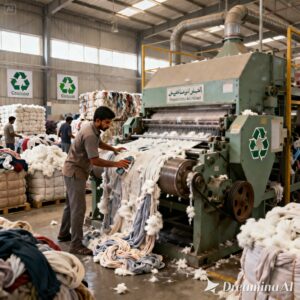
At recycling facilities, automated sorting systems actively separate textiles by material type, color, and condition. Advanced sensors, scanners, and conveyor systems efficiently identify and isolate cotton fabrics, ensuring precise classification.
In addition, automation improves consistency and accuracy throughout the process. It reduces human error and significantly increases processing speed. As a result, facilities handle large volumes of textile waste efficiently while maintaining high quality standards.
From Sorted Textiles to Recycled Cotton Rags
Once sorting is complete, recycling facilities further process cotton textiles. Workers and machines cut, shred, and clean the fabrics before transforming them into reusable cotton rags. During this stage, the process removes contaminants while preserving usable material.
Furthermore, manufacturers produce recycled cotton rags without cultivating new cotton. As a result, the industry conserves valuable natural resources. Through this approach, recyclers meet industrial demand for cleaning materials while reducing environmental impact.
Benefits of Recycled Cotton Rags
Industries widely use recycled cotton rags because they offer durability and affordability. These rags retain strong absorbency, which makes them ideal for cleaning grease, oil, and industrial surfaces. Additionally, manufacturers lower production costs by reusing raw materials. As a result, companies offer recycled cotton rags as a cost-effective alternative to virgin textile products. At the same time, businesses actively support their sustainability goals
Why Automated Recycling Matters
Automation plays a crucial role in modern textile recycling by increasing efficiency, reducing waste, and maintaining consistent output quality. As a result, manufacturers can produce recycled cotton rags at scale without compromising performance. Ultimately, automated sorting and recycling processes transform cotton waste into valuable cleaning solutions. In this way, the industry delivers both economic and environmental benefits.
Conclusion
Overall, recycled cotton rags represent a successful outcome of textile recycling innovation. Through automated sorting and efficient processing, textile waste is converted into practical, reusable products. Consequently, sustainability is advanced, resources are conserved, and industrial needs are fulfilled.