Meta Description:
Explore sustainable cotton rag recycling technology, including automated sorting systems that reduce textile waste, conserve resources, and support a circular economy.
Introduction
Cotton rags no longer represent simple textile waste. Instead, industries now recognize them as valuable resources within modern textile recycling systems. As environmental concerns grow worldwide, companies actively adopt sustainable practices to reduce waste and conserve resources. Consequently, automated sorting and advanced recycling processes now transform discarded cotton into reusable materials.
The Rising Importance of Textile Recycling
The textile industry generates millions of tons of waste each year. When businesses discard fabrics irresponsibly, landfills overflow and natural resources decline rapidly. Therefore, environmental organizations and manufacturers promote textile recycling as a practical solution.
By recycling cotton rags, companies reduce landfill waste and lower the demand for virgin cotton production. Moreover, recycling significantly cuts water consumption, energy use, and chemical pollution. As a result, textile recycling strengthens sustainability efforts across the global supply chain.
Understanding Recycled Cotton Rags
Manufacturers create recycled cotton rags from post-industrial scraps and post-consumer garments. Workers and automated systems collect, sort, and process these materials before preparing them for reuse. In many cases, companies convert factory offcuts and used clothing into high-quality reusable cotton rags.
Industries such as automotive, manufacturing, and cleaning widely use these rags because they offer strong absorbency and durability. Additionally, businesses prefer recycled cotton rags as eco-friendly alternatives to disposable synthetic materials.
How Automated Sorting Improves Efficiency
Automated sorting has transformed textile recycling operations. In the past, workers sorted fabrics manually, which slowed production and increased errors. Today, companies rely on advanced technology to streamline the process.
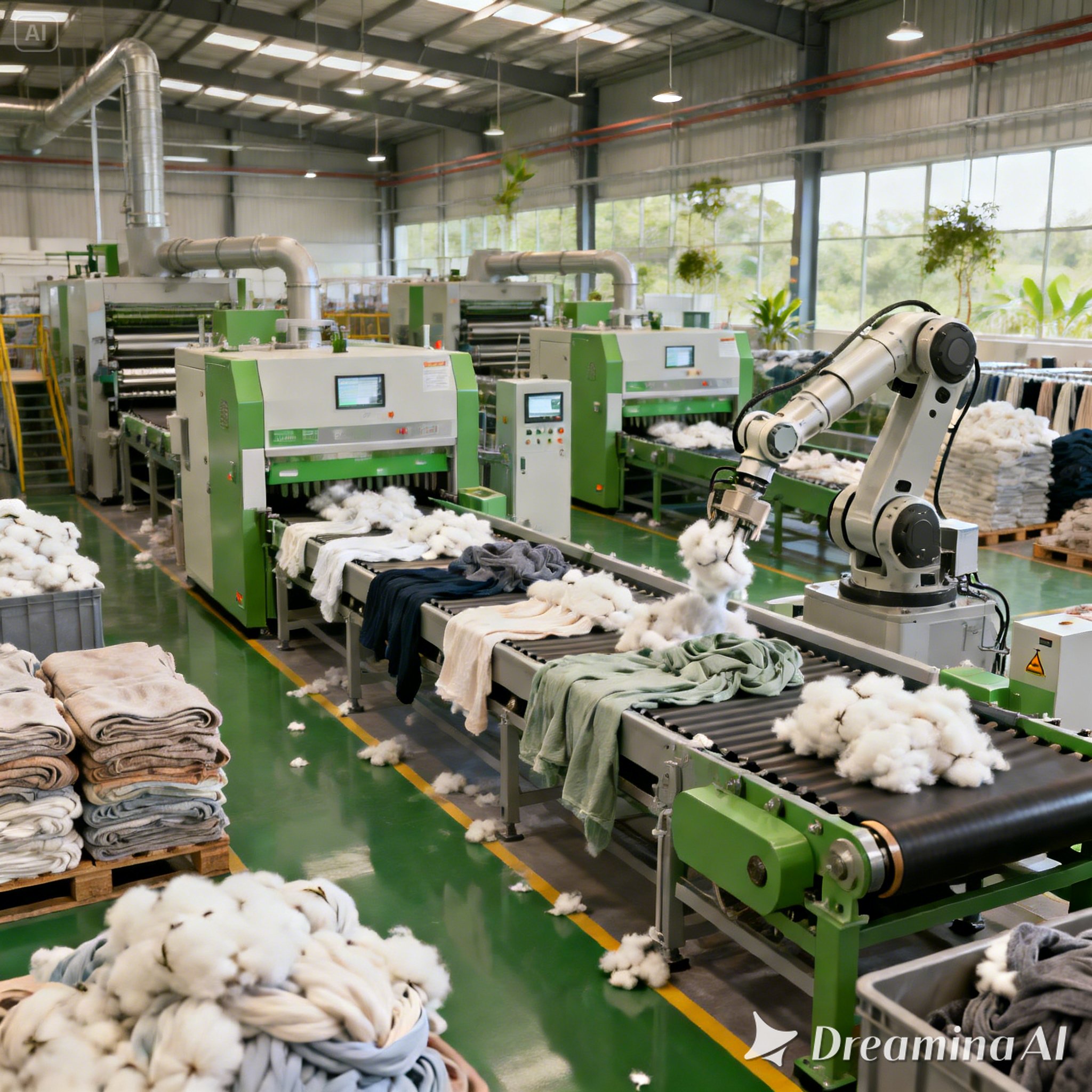
For example, near-infrared (NIR) scanners quickly identify fabric compositions, while artificial intelligence systems analyze color, fiber blends, and material condition. As a result, sorting systems separate cotton fabrics with greater accuracy and speed. Furthermore, automation reduces contamination and improves consistency, which leads to higher-quality recycled cotton rags.
The Recycling Process in Action
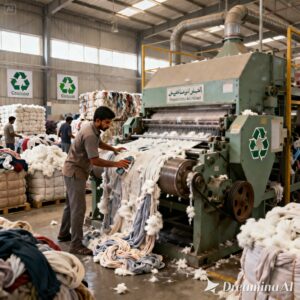
After sorting, manufacturers move cotton rags through several recycling stages. First, machines shred the fabric into smaller fibers. Then, operators remove buttons, zippers, and other contaminants. Next, technicians clean and refine the fibers to prepare them for reuse.
Many facilities spin recycled fibers into new yarns, while others compress them into industrial-grade cotton rags. Through these processes, companies extend the lifecycle of cotton and significantly reduce textile waste.
Environmental and Economic Benefits
Recycling cotton rags delivers both environmental and economic advantages. Companies drastically reduce water usage because cotton cultivation consumes large volumes of water. Additionally, recycling releases fewer chemicals and lowers greenhouse gas emissions compared to producing new textiles.
From an economic perspective, businesses cut raw material costs and create new revenue streams through recycled products. Therefore, textile recycling supports both sustainability goals and long-term profitability.
The Future of Automated Textile Recycling
As technology advances, companies continue to enhance automated sorting systems and invest in smarter recycling infrastructure. These improvements increase processing capacity and product quality. Consequently, manufacturers will produce higher volumes of recycled cotton rags with greater efficiency.
In the near future, the textile industry aims to build a circular economy where materials remain in continuous use. Instead of treating cotton rags as waste, businesses will value them as essential raw materials that drive sustainable production.
Conclusion
Cotton rags now stand at the center of the textile recycling spotlight. Through automated sorting and advanced recycling processes, companies transform textile waste into valuable, reusable resources. By adopting innovative recycling technologies today, the industry actively creates a cleaner, more sustainable tomorrow.