Meta Description
Discover how textile recyclers transform cotton waste into high-quality recycled cotton rags through automated processes. Learn how sustainable textile solutions reduce waste, improve efficiency, and actively support a circular economy for global industries.
Introduction
In today’s sustainability-driven world, industries increasingly recognize textile waste as a valuable resource rather than a disposal problem. Recycled cotton rags now play a key role in modern textile recycling systems. Automated sorting and advanced recycling processes actively convert cotton waste into high-utility cleaning solutions and significantly reduce environmental impact.
The Growing Importance of Textile Recycling
Globally, industries generate millions of tons of textile waste each year. As a result, landfills face growing pressure, and environmental damage continues to rise. Therefore, manufacturers and recyclers now adopt textile recycling as a sustainable alternative. During this process, recycling facilities collect, sort, and repurpose cotton waste, ensuring that valuable fibers remain within the circular economy.
Automated Sorting: The Backbone of Efficiency
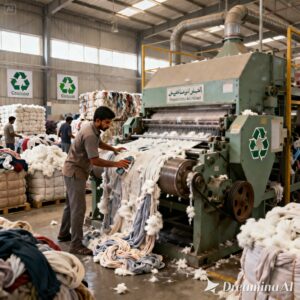
To ensure quality and consistency, textile recyclers now use automated sorting systems across the industry. Instead of relying only on manual labor, advanced machinery separates cotton textiles by color, fabric type, and grade. Consequently, these systems minimize contamination, improve efficiency, and produce higher-quality recycled cotton rags.
Moreover, sensor-based and AI-assisted technologies accurately identify recyclable cotton materials. As a result, the system processes only suitable cotton waste further and removes non-recyclable materials at an early stage.
Recycling Process of Cotton Rags
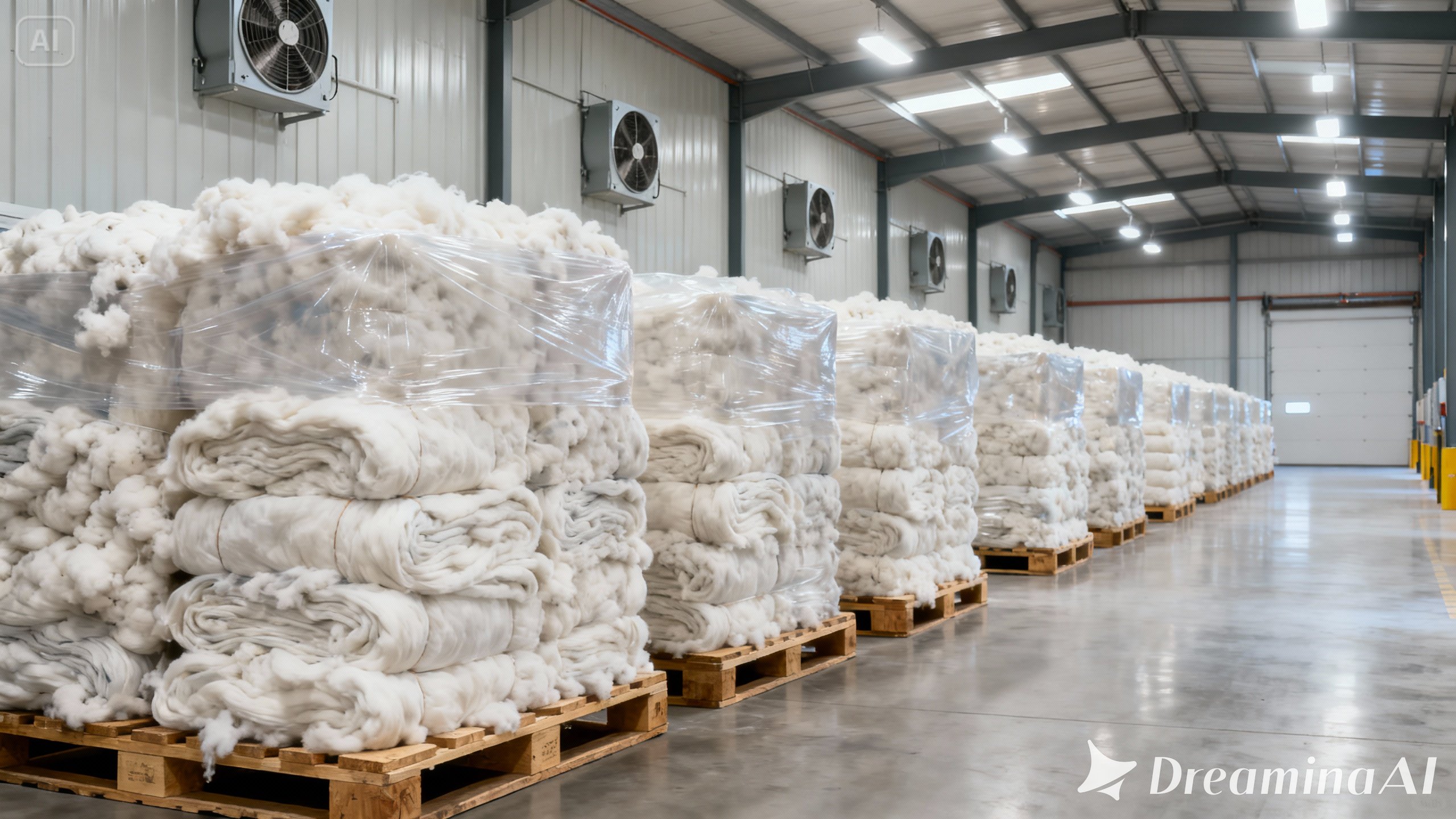
After sorting is completed, recycling facilities process cotton waste into recycled cotton rags. During this stage, workers and machines clean, cut, and resize the textiles to meet industrial and commercial requirements. Additionally, quality teams conduct strict checks to ensure consistent durability, absorbency, and performance standards. Therefore, industries such as manufacturing units, automotive workshops, hospitality services, and professional cleaning sectors widely use recycled cotton rags. Not only do these practices reduce waste, but they also deliver cost-effective and eco-friendly cleaning solutions
Environmental and Economic Benefits
Textile recycling significantly reduces water consumption and carbon emissions. Furthermore, it lowers the demand for virgin cotton and helps conserve natural resources. From an economic perspective, the industry supplies affordable cleaning textiles to businesses while actively promoting sustainable practices.
As a result, recycled cotton rags are not merely cleaning tools; they are symbols of responsible manufacturing and conscious consumption.
Conclusion
In conclusion, automated sorting and textile recycling processes have transformed cotton waste into a valuable asset. By adopting recycled cotton rags, industries are supported with sustainable textile solutions while environmental goals are achieved. Ultimately, the future of textile recycling is being shaped by innovation, efficiency, and the smart reuse of cotton waste.