Meta Description
Discover how recycled cotton rags support industrial cleaning in Pakistan by reducing textile waste, lowering costs, and promoting sustainable manufacturing practices.
Introduction
Industrial growth in Pakistan continues to expand across manufacturing, automotive, textile, and construction sectors. However, this rapid development also generates significant industrial waste. Consequently, businesses must adopt practical and sustainable cleaning solutions to reduce environmental impact.
Recycled cotton rags offer an effective alternative to disposable materials. Not only do they improve industrial cleaning performance, but they also address Pakistan’s growing waste management challenges. Therefore, industries that switch to recycled cotton rags strengthen both operational efficiency and environmental responsibility.
Addressing Pakistan’s Industrial Waste Challenge
Pakistan produces substantial textile and industrial waste every year. Textile factories generate fabric offcuts, rejected garments, and surplus materials. Meanwhile, manufacturing plants contribute packaging waste and disposable cleaning products to landfills.
As a result, waste management systems face increasing pressure. Landfill capacity continues to shrink, and environmental pollution becomes more visible.
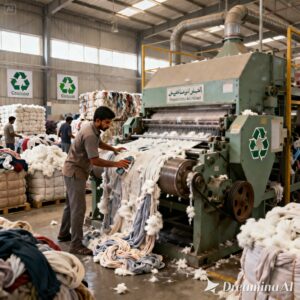
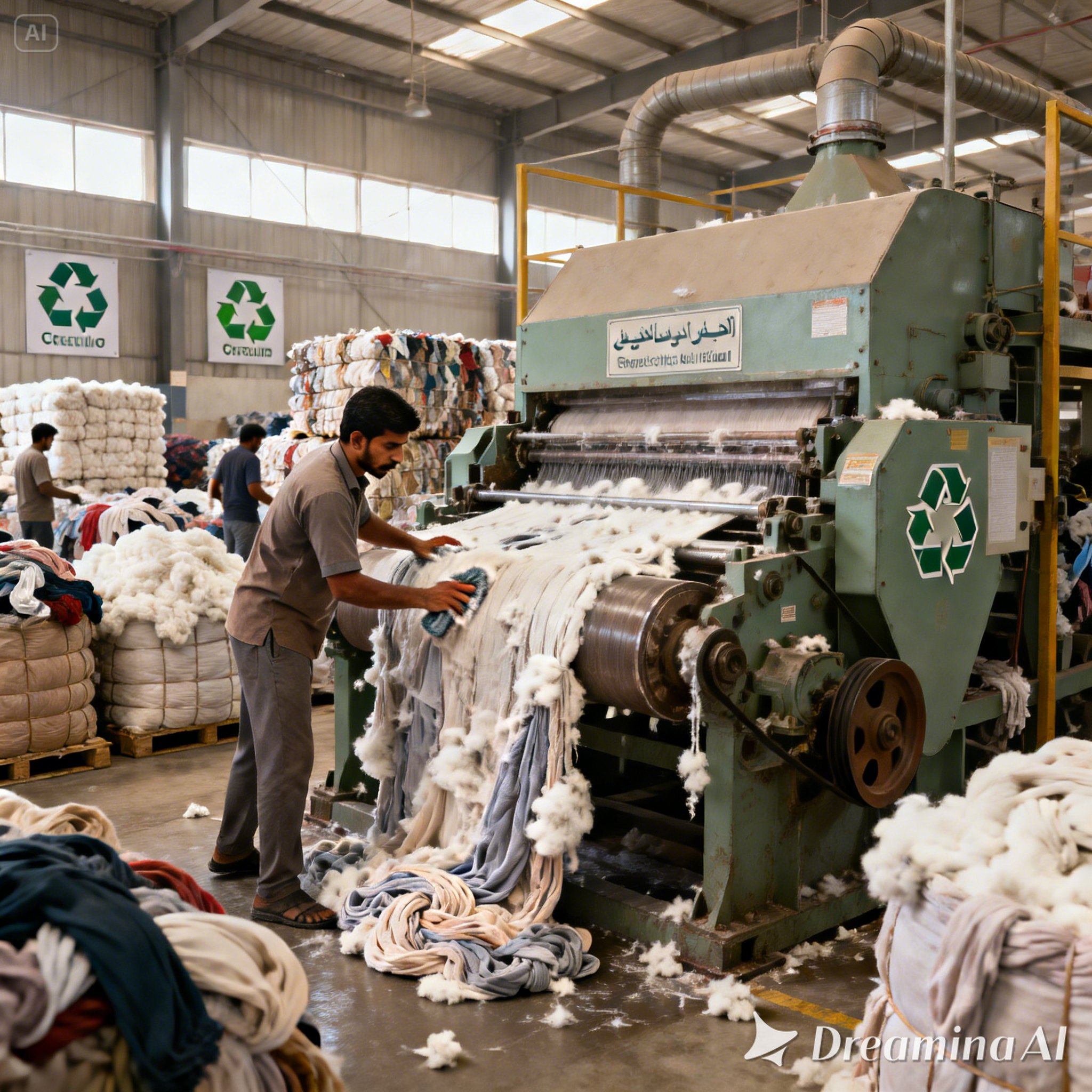
However, recycled cotton rags help reduce this burden. Instead of discarding textile waste, recycling units convert cotton leftovers into reusable cleaning cloths. Consequently, industries divert waste from landfills and extend the lifecycle of valuable materials.
Environmental Benefits of Recycled Cotton Rags
1. Waste Reduction
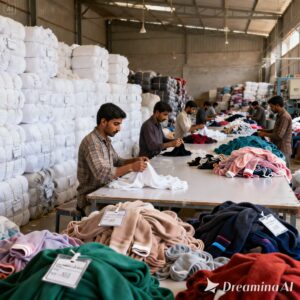
First and foremost, recycled cotton rags significantly reduce textile waste. Recycling companies collect post industrial and post consumer cotton materials and transform them into wiping cloths. Therefore, businesses prevent usable fabric from entering already overburdened waste sites.
Moreover, by reusing existing cotton fibers, industries promote a circular economy within Pakistan’s textile sector.
2. Lower Resource Consumption
Producing new cotton requires large amounts of water, land, and energy. In contrast, recycled cotton rags use materials that already exist. As a result, manufacturers reduce demand for virgin cotton production.
Furthermore, when factories reuse cotton rags multiple times, they minimize the need for continuous raw material extraction. Consequently, overall resource consumption declines.
3. Reduced Carbon Footprint
Disposable paper towels and synthetic wipes require continuous manufacturing and transportation. Over time, this process increases greenhouse gas emissions.
On the other hand, recycled cotton rags support repeated use. Because workers wash and reuse them, factories decrease frequent repurchasing and transportation cycles. Therefore, companies lower their overall carbon footprint.
Superior Industrial Cleaning Performance
Environmental responsibility alone does not justify a switch unless performance also improves. Fortunately, recycled cotton rags deliver strong industrial cleaning capabilities.
High Absorbency
Cotton fibers naturally absorb oil, grease, and water efficiently. Consequently, workers clean machinery, tools, and spills more effectively than with thin disposable wipes.
Durability
Recycled cotton rags withstand heavy duty industrial use. Employees can scrub equipment and wipe surfaces without constant tearing. As a result, operations experience fewer interruptions.
Cost Efficiency
Although some businesses initially compare only purchase price, long-term savings matter more. Because cotton rags allow repeated washing and reuse, companies reduce cost per use significantly.
Therefore, recycled cotton rags combine sustainability with financial advantages.
Supporting Pakistan’s Circular Textile Economy
Pakistan ranks among the world’s major textile producers. Therefore, integrating textile recycling into industrial cleaning practices creates economic and environmental synergy.
When industries purchase recycled cotton rags from local suppliers, they:
- Support domestic recycling businesses
- Create employment opportunities
- Reduce dependency on imported disposable wipes
- Strengthen sustainable supply chains
As a result, the entire textile ecosystem benefits from responsible resource management.
Transitioning Toward Sustainable Industrial Practices
Industrial sectors in Pakistan increasingly prioritize environmental compliance and ESG goals. Consequently, companies seek practical solutions that align with sustainability strategies.
Switching to recycled cotton rags represents a simple yet impactful step. Unlike large infrastructure changes, this transition requires minimal operational adjustment. However, it produces measurable environmental and cost benefits.
Therefore, businesses that adopt recycled cotton rags demonstrate leadership in sustainable industrial cleaning.
Conclusion
Recycled cotton rags offer significant environmental and operational benefits for industrial cleaning in Pakistan. They reduce textile waste, conserve natural resources, lower carbon emissions, and deliver strong cleaning performance.
Moreover, by supporting local recycling initiatives, industries contribute to a circular textile economy. Ultimately, when businesses prioritize reusable cotton solutions, they protect both their bottom line and the environment.