Meta Description
Discover 7 smart ways cotton rags help cutting departments reduce textile waste, improve efficiency, and turn fabric scraps into valuable cleaning solutions.
Introduction:
In the textile and garment industry, cutting departments generate large amounts of fabric waste during the cutting process. Every day, factories discard valuable cotton fabric scraps or send them to landfills. However, companies can transform this waste into a useful and profitable resource.
Fortunately, businesses can easily convert cotton scraps into cotton rags. Many industries including cleaning, manufacturing, automotive workshops, and maintenance services widely use these rags. As a result, companies reduce waste while creating additional value.
Moreover, by adopting a simple scrap-management system, cutting departments can significantly improve sustainability and efficiency. Therefore, converting fabric scrap into cotton rags has become an important strategy in modern textile recycling.
Why Cutting Departments Produce Large Amounts of Cotton Waste
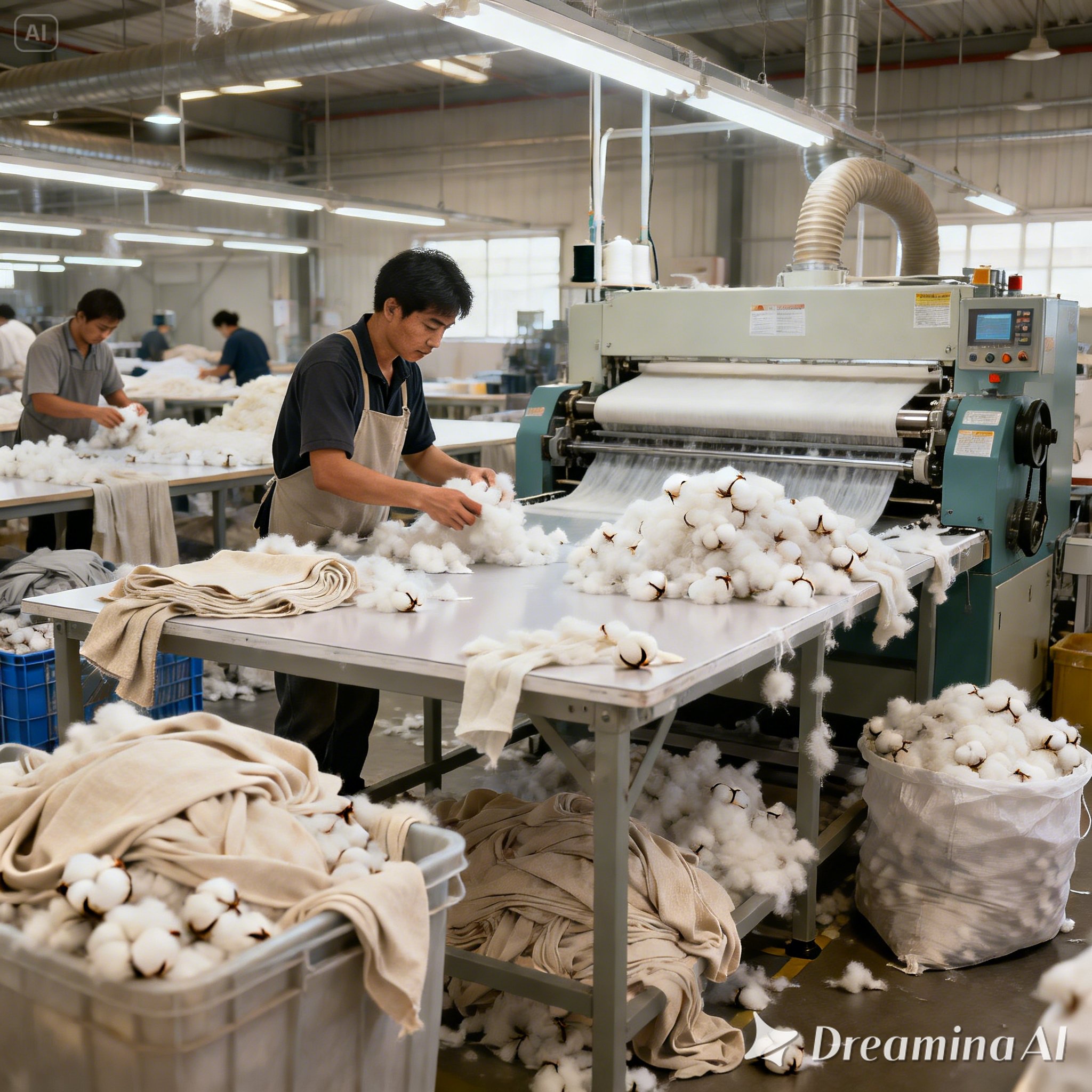
Before solutions are implemented, the source of waste must first be understood.During garment production, workers place patterns on layers of fabric and cut them according to design requirements. Consequently, the cutting process leaves behind irregular fabric pieces. Manufacturers and textile professionals commonly refer to these leftover materials as cutting scraps or textile waste.
Furthermore, these scraps usually include:
- Cotton fabric offcuts
- Small leftover pieces from garment panels
- Fabric trimming waste
- Damaged or rejected fabric pieces
Although many manufacturers treat these materials as waste, they still contain high-quality cotton fibers. Therefore, industries can easily reuse them as cotton cleaning rags.
Step-by-Step Process: Converting Fabric Scrap into Cotton Rags
In order to reduce textile waste effectively, a structured process should be followed. By implementing the following steps, cutting departments can transform scrap into valuable cotton rags.
Step 1: Collection of Fabric Scraps
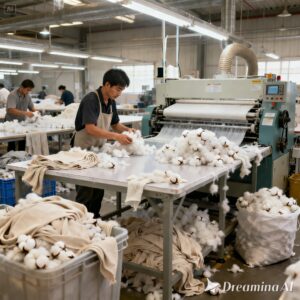
First, workers should collect cotton fabric scraps directly from the cutting tables. Instead of allowing scraps to accumulate randomly, managers should place dedicated collection bins near cutting stations. As a result, workers can organize waste immediately after completing cutting operations.
Moreover, supervisors should instruct workers to separate cotton materials from synthetic fabrics. Consequently, this separation makes the recycling process more efficient and minimizes contamination.
Furthermore, proper sorting improves the final quality of cotton rags because it maintains consistent fabric types. Therefore, industrial users receive better cleaning performance.
Step 2: Sorting Cotton Waste
Next, workers sort the collected scraps according to fabric type, size, and color. During this stage, they remove unsuitable materials such as polyester blends, heavily printed fabrics, or contaminated textiles. Meanwhile, they keep pure cotton scraps for rag production.
Step 3: Cleaning and Preparation
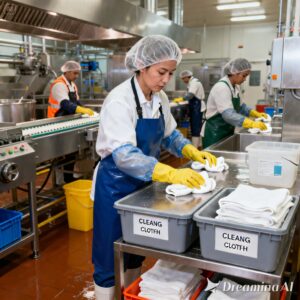
After completing the sorting process, workers clean the cotton scraps. They remove dust, loose threads, and minor contaminants to ensure the materials meet basic quality standards. In some facilities, operators use compressed air or simple washing processes to clean the scraps.
As a result, the cotton fabric becomes suitable for industrial cleaning applications.
Step 4: Cutting and Resizing the Fabric
Once workers clean the scraps, they cut them into usable rag sizes. Usually, manufacturers prepare cotton rags in square or rectangular pieces depending on industry requirements.
For example:
- Small wiping cloths for electronics cleaning
- Medium rags for workshops
- Large wiping cloths for industrial maintenance
Consequently, manufacturers transform fabric waste into practical cleaning materials.
Step 5: Quality Inspection
After the cutting stage, the cotton rags should be inspected for quality.
During inspection, workers check several factors:
- Absorbency
- Fabric thickness
- Clean edges
- Absence of synthetic contamination
Therefore, suppliers provide only high-quality cotton rags to customers.
Step 6: Packaging and Storage
Finally, the finished cotton rags are packed into bundles or bales.
Typically, packaging sizes range from 5 kg to 50 kg bundles, depending on industrial requirements. Additionally, the rags are stored in clean and dry environments to maintain product quality.
As a result, the cotton rags become ready for distribution to industries such as automotive, manufacturing, hospitality, and cleaning services.
Key Benefits of Converting Cutting Scrap into Cotton Rags
When this recycling method is adopted, several advantages can be achieved.
Waste Reduction
Firstly, textile waste sent to landfills is significantly reduced.
Cost Savings
Secondly, additional revenue can be generated by selling cotton rags to industrial users.
Environmental Sustainability
Furthermore, recycling cotton waste reduces the demand for new raw materials and supports sustainable textile production.
Efficient Resource Utilization
Most importantly, valuable cotton fibers are reused rather than discarded.
Industries That Use Cotton Rags
After production, cotton rags are widely used across many industries.
For example:
- Automotive workshops
- Manufacturing plants
- Oil and maintenance industries
- Hospitality and housekeeping
- Cleaning services
Therefore, the demand for high-quality cotton rags continues to grow globally.
Conclusion
In modern textile manufacturing, waste management has become an essential priority. Fortunately, cutting departments can play a major role in reducing textile waste.
Companies collect, sort, clean, and resize cotton fabric scraps to produce valuable cotton rags efficiently. As a result, they minimize waste, reduce costs, and promote sustainable practices.
Ultimately, converting cutting scrap into cotton rags represents a practical solution that benefits both businesses and the environment.