Meta Description
Explore the full product life cycle of a cotton rag and learn how it supports a circular economy through recycling, reuse, and sustainable textile practices.
Introduction
Cotton rags may seem like simple cleaning materials. However, they actually move through a complete product life cycle that supports sustainability and waste reduction. Therefore, understanding this cycle helps businesses make smarter, eco-friendly choices.
Unlike disposable products, cotton rags follow a circular path. As a result, industries can reuse resources, reduce textile waste, and extend material value.
Stage 1: Cotton Cultivation and Fabric Production
The life cycle begins with cotton farming. Farmers grow cotton, harvest it, and send it to textile mills. Manufacturers then spin fibers into yarn and weave them into fabric.
At this stage, cotton becomes garments, fabrics, or industrial textiles. Therefore, the first phase focuses on production and consumption.
Stage 2: Garment Manufacturing and Fabric Use
Next, textile factories cut and stitch fabric into finished products such as clothing, uniforms, and home textiles.
During this process, factories generate leftover fabric pieces known as cutting scraps. Instead of discarding these materials, manufacturers can collect and reuse them.
Consequently, these scraps become the raw material for cotton rags.
Stage 3: Collection of Textile Waste
Workers collect cotton waste from:
- Garment factories
- Textile mills
- Post-consumer clothing
After collection, they transport these materials to sorting facilities. Therefore, the recycling journey begins.
Stage 4: Sorting and Processing
At this stage, workers sort materials based on:
- Fabric type (pure cotton vs blends)
- Color (white, colored)
- Quality and cleanliness
They remove unsuitable materials such as synthetic fabrics and contaminants. As a result, only usable cotton moves forward.
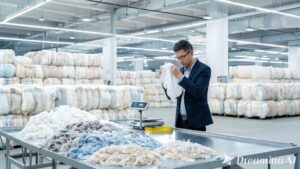
Next, workers cut and clean the fabric into usable rag sizes.
Stage 5: Distribution and Industrial Use
Suppliers package and distribute cotton rags to industries such as:
- Automotive workshops
- Manufacturing plants
- Marine operations
- Cleaning services
Workers use these rags for oil wiping, polishing, and maintenance. Because cotton offers high absorbency, it performs efficiently in these tasks.
Stage 6: Reuse and Multiple Life Cycles
One major advantage of cotton rags is reusability. Workers can wash and reuse them multiple times.
Consequently, each rag goes through several usage cycles before disposal. This step significantly extends the product’s lifespan.
Stage 7: End-of-Life and Recycling Again
Eventually, cotton rags wear out and lose effectiveness. However, the cycle does not end here.
Facilities can:
- Recycle worn-out rags into lower-grade materials
- Use them for insulation or industrial applications
- Dispose of them responsibly (biodegradable advantage)
Therefore, even at the end stage, cotton continues to provide value.
Circular Economy in Action
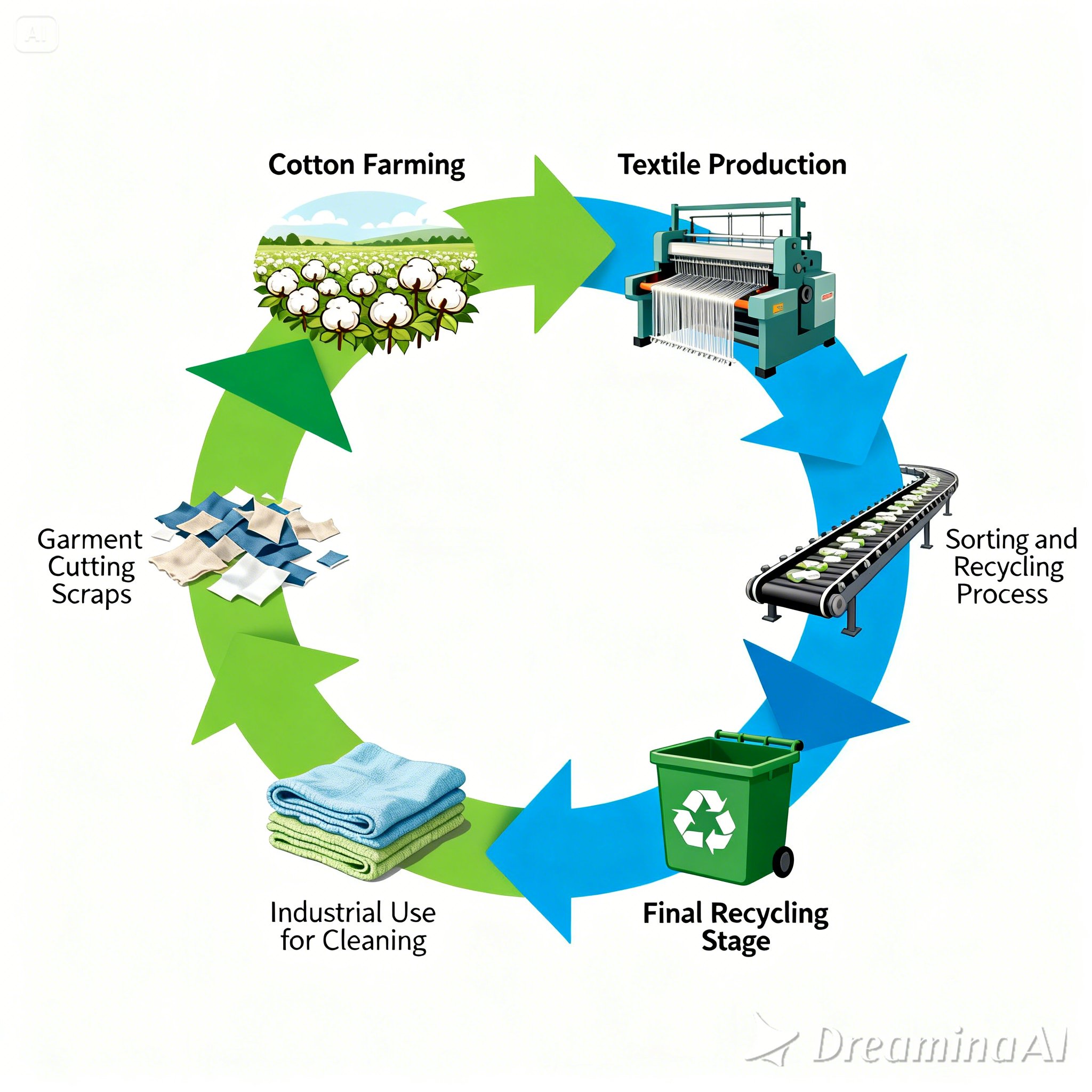
This entire process represents a circular economy model. Instead of following a “use and throw” approach, cotton rags move through a loop:
Production → Use → Waste Collection → Recycling → Reuse
As a result, industries reduce waste, conserve resources, and lower environmental impact.
Environmental Benefits
The circular life cycle of cotton rags offers multiple benefits:
- Reduces textile waste in landfills
- Lowers demand for new raw cotton
- Saves energy and water
- Supports sustainable manufacturing practices
Therefore, businesses that adopt cotton rag recycling contribute to a greener future.
Conclusion
The life cycle of a cotton rag demonstrates how simple materials can support a powerful circular economy. From cotton farming to repeated industrial use and recycling, each stage adds value and reduces waste.
Ultimately, when industries understand and support this cycle, they not only improve efficiency but also promote sustainability in the textile and industrial sectors.