META DESCRIPTION
Premium rag can be identified using GSM checks, stitching quality, contamination control, and fabric consistency. This complete procurement guide explains how top-grade industrial cotton rags are inspected before purchasing.
Introduction
During industrial procurement, many overlook the quality of cotton rags. However, using premium rags leads to better cleaning results, reduces waste, and improves efficiency. Therefore, you must follow a proper inspection method to ensure you purchase only high-quality cotton rags. This guide provides a complete quality checklist, explaining every important factor in detail.
1. First, perform GSM verification.
Start by checking the GSM (grams per square meter) of the rags, as it directly determines their durability and absorbency.
- Higher GSM indicates thicker and stronger wiping capability.
- Meanwhile, low GSM usually results in faster tearing and lower absorbency.
Therefore, you must conduct GSM measurement before accepting any shipment.
2. You must evaluate fabric consistency carefully.
Next, inspect the fabric quality thoroughly. Expect premium rags to be made from uniform fabric panels.
- Ensure that you do not detect any thin spots.
- Ensure that you do not see any torn edges.
- Ensure that you do not find any mismatched material types in the same bundle.
Through consistency checks, you can predict long-term performance more accurately.
3. Stitching and Cutting Quality Should Be Examined
In addition, the stitching quality or cutting uniformity must be reviewed:
- Ensure proper trimming of edges.
- No loose threads should be present.
- Ensure there is no uneven cutting.
When stitching (in stitched varieties) is strong, the rag lasts longer even in heavy-duty operations.
4. Ensure Contamination Control.
Furthermore, contamination inspection plays a major role in deciding rag quality.
Premium cotton rags should be completely free from:
- Metal pieces
- Plastic bits
- Oil stains
- Sharp objects
- Chemical marks
Detect contamination and reject the entire bale to prevent safety risks.
5. Conduct absorbency tests.
Absorbency is one of the most critical performance indicators. Therefore, a simple water-drop or oil-absorption test should be performed.
- High-quality cotton absorbs liquids instantly.
- Fabric that repels water or oil indicates poor quality or synthetic mixing.
Strongly recommend conducting absorbency testing before bulk purchasing.
6. Color Sorting Should Be Verified Accurately
Moreover, proper sorting ensures that the right type of rag is delivered.
- White rags should be free from color stains.
- Separate colored rags by tone.
- Hosiery rags should contain soft knitted material only.
Proper color sorting maintains consistency in industrial cleaning.
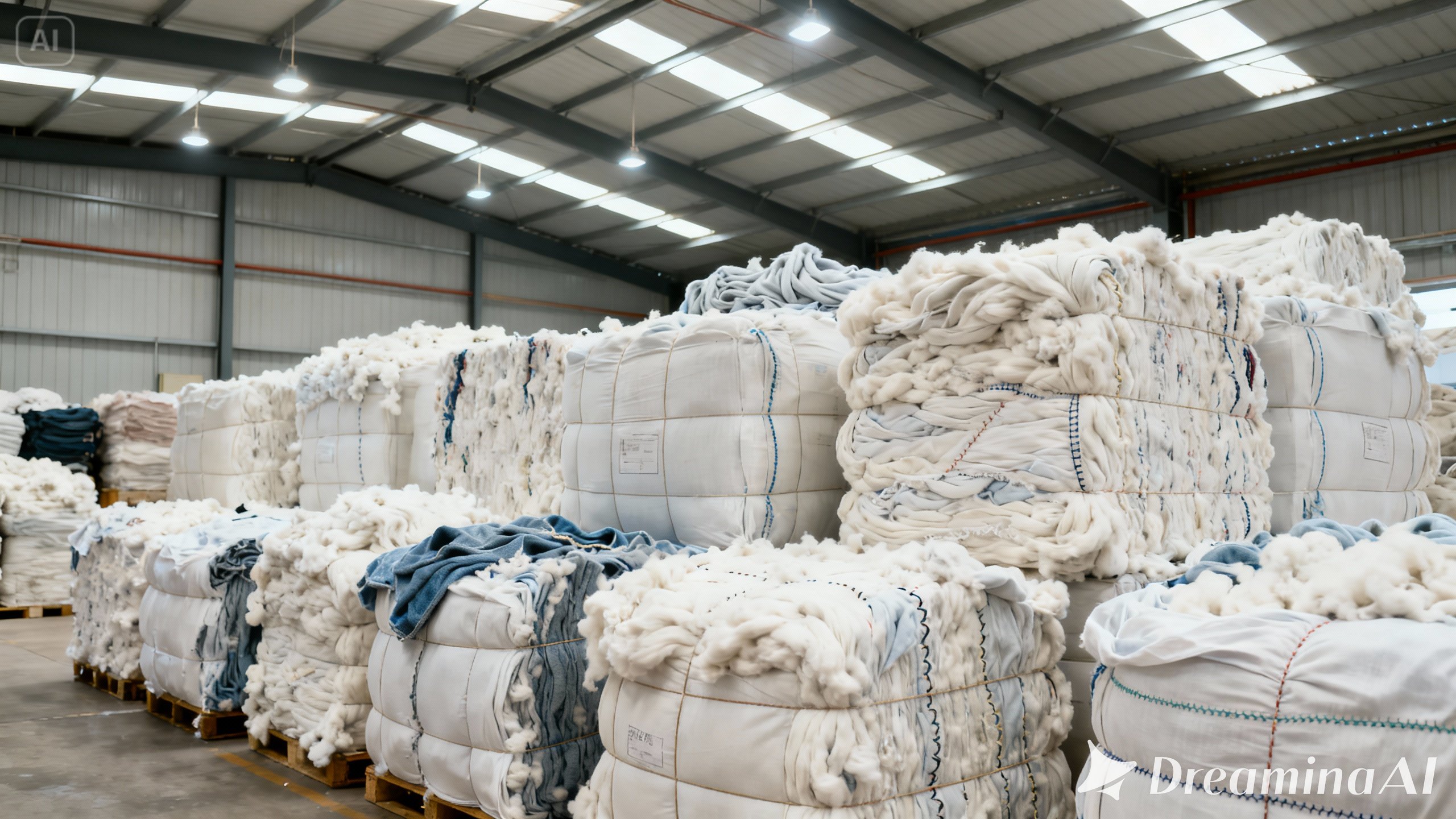
7. Bale Compression and Packaging Must Be Checked
Inspect the packaging quality because it affects storage hygiene.
Usually, they compress, pack, and strap premium rags tightly and cleanly.
- No dust should be visible.
- No moisture should be found inside the bale.
- Labels should be clear and properly attached.
Good packaging ensures the product remains clean until usage.
Conclusion
In conclusion, premium-quality cotton rags can be identified easily when a systematic inspection process is followed. By checking GSM, fabric consistency, stitching quality, contamination, packaging, and absorbency, industrial buyers can ensure that only durable and safe rags are procured. As a result, cleaning efficiency is improved, waste is reduced, and long-term operational costs are minimized.