Meta Description
Learn how cutting departments reduce textile waste by converting cotton scraps into reusable cleaning rags for sustainable and cost-effective manufacturing.
Introduction
Cutting departments generate a significant amount of fabric waste during garment production. Every day, factories discard leftover cotton pieces, edge trims, and unusable fabric sections after cutting operations. However, instead of treating these materials as waste, manufacturers can reuse them as cotton cleaning rags.
By converting cutting waste into reusable cotton rags, textile factories reduce disposal costs, improve sustainability, and create additional operational value. Therefore, many manufacturers now integrate rag recycling into their waste management strategies.
Why Cutting Departments Generate Large Amounts of Waste
During garment production, workers place patterns on fabric layers and cut them according to design requirements. As a result, irregular fabric pieces remain after the cutting process.
Common cutting waste includes:
- Fabric edge trims
- Small leftover cotton pieces
- Defective cut panels
- Unused fabric remnants
Because cutting layouts cannot utilize every inch of fabric perfectly, waste generation becomes unavoidable.
Why Cotton Waste Should Not Be Discarded
Although factories often classify cutting scraps as waste, many leftover materials still contain high-quality cotton fibers.
Therefore, businesses can reuse these materials for:
- Industrial cleaning rags
- Machine wiping cloths
- Maintenance cleaning materials
- Spill management products
Consequently, factories transform waste into practical and reusable cleaning solutions.
How Cotton Rags Help Reduce Cutting Waste
1. Reusing Fabric Scraps Instead of Disposing Them
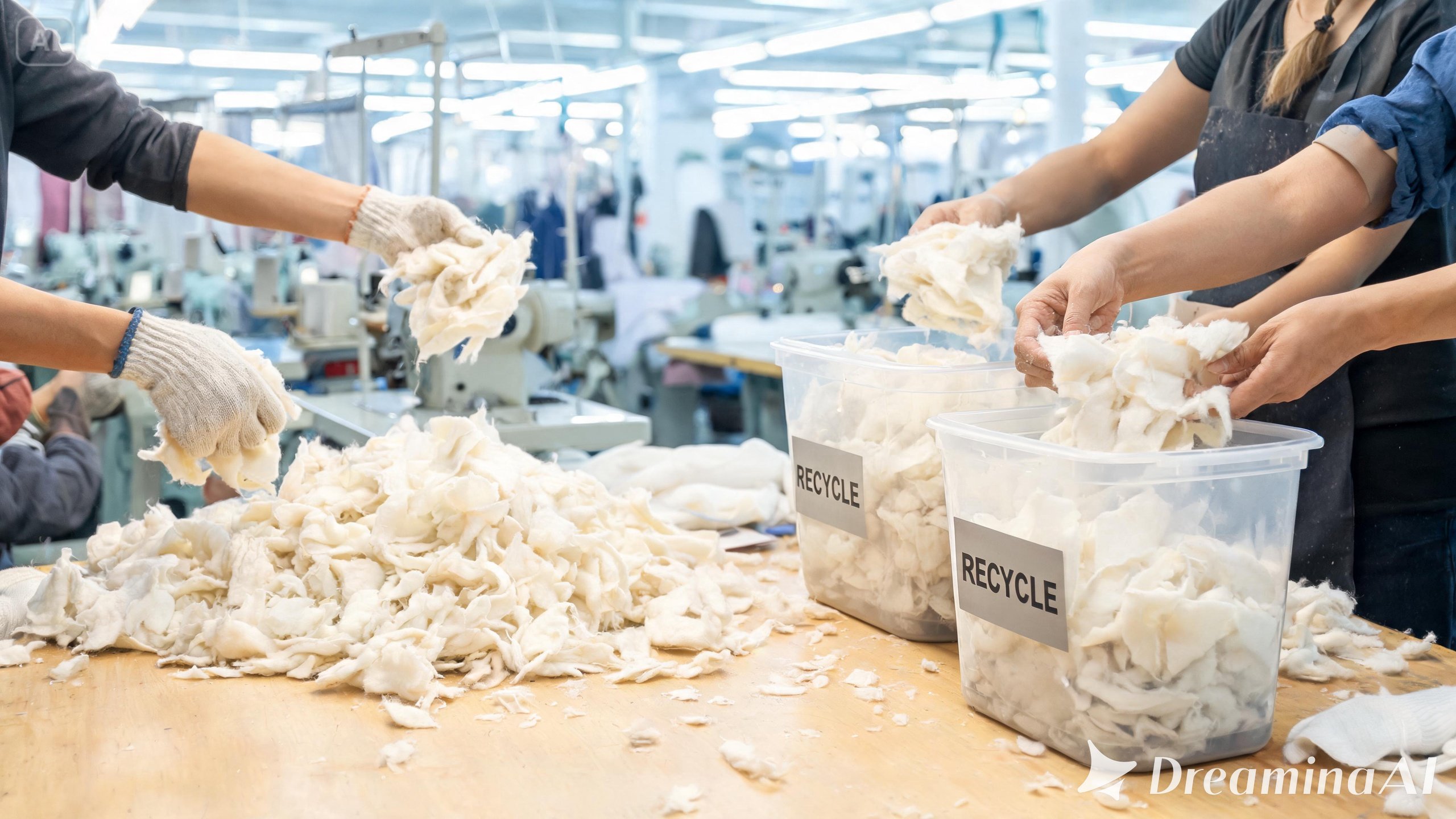
Factories can collect cotton scraps directly from cutting tables and separate reusable materials immediately.
Instead of sending scraps to landfills:
- Workers sort reusable cotton pieces
- Recycling teams process the material
- Factories convert scraps into cleaning rags
As a result, waste volumes decrease significantly.
2. Lower Waste Disposal Costs
Textile waste disposal increases operational expenses. Therefore, reducing waste helps factories lower:
- Disposal fees
- Waste transportation costs
- Storage requirements for scrap materials
By converting cotton waste into reusable rags, businesses improve overall cost efficiency.
3. Supports Sustainable Manufacturing Goals
Many garment factories now focus on:
- ESG compliance
- Sustainable production
- Circular economy systems
Recycling cotton scraps into rags supports these environmental goals because materials remain in use longer.
Consequently, factories reduce environmental impact while improving sustainability performance.
4. Creates Additional Business Value
Cutting waste still holds commercial value. Therefore, factories can:
- Use cotton rags internally
- Sell recycled rags to industrial buyers
- Supply local maintenance markets
As a result, textile waste becomes a revenue-generating resource instead of a disposal problem.
5. Improves Factory Cleanliness and Organization
Organized waste collection systems improve workflow efficiency inside cutting departments.
Factories can:
- Place dedicated cotton scrap bins near cutting tables
- Separate cotton from synthetic materials
- Maintain cleaner production floors
Consequently, workplace organization and material handling improve.
Best Practices for Managing Cutting Waste
Separate Cotton from Synthetic Fabrics
Workers should sort cotton materials immediately after cutting operations. Because mixed fabrics reduce recycling quality, proper separation remains essential.
Use Designated Collection Bins
Factories should place labeled bins near cutting stations for:
- White cotton scraps
- Colored cotton scraps
- Mixed textile waste
Therefore, sorting becomes faster and more efficient.
Train Workers on Waste Segregation
Employee training improves:
- Material sorting accuracy
- Recycling efficiency
- Waste reduction performance
As a result, factories achieve better sustainability outcomes.
Partner with Recycling Suppliers
Many recycling companies purchase cotton waste for rag production. Therefore, factories should collaborate with reliable textile recyclers to maximize material recovery.
Industries That Use Recycled Cotton Rags
Recycled cutting waste rags are widely used in:
- Automotive workshops
- Manufacturing plants
- Oil & gas maintenance
- Marine cleaning
- Machinery servicing
Because these industries require durable cleaning materials, recycled cotton rags remain in high demand.
Environmental Benefits of Cotton Rag Recycling
By recycling cutting waste into cotton rags, factories:
- Reduce landfill waste
- Lower textile pollution
- Support resource conservation
- Extend fabric life cycles
Therefore, textile recycling contributes directly to sustainable industrial practices.
Conclusion
Cutting departments can significantly reduce textile waste by converting leftover cotton materials into reusable cleaning rags. This approach lowers disposal costs, supports sustainability goals, and creates additional operational value.
Ultimately, factories that recycle cutting waste into cotton rags improve both environmental responsibility and manufacturing efficiency.