Meta Description
Learn how hospitals use cotton rags safely with proper sterilisation methods and disinfection protocols to maintain hygiene and prevent contamination.
Introduction
Hospitals require strict hygiene standards to prevent infections and ensure patient safety. Therefore, every cleaning material must meet defined sanitation protocols. Although many facilities use disposable wipes, hospitals still use cotton rags in controlled areas when staff follow proper sterilisation procedures.
Because cotton rags offer durability and absorbency, they can support cleaning operations effectively. However, healthcare teams must handle, disinfect, and store them correctly to avoid contamination.
Where Hospitals Use Cotton Rags
Hospitals do not use cotton rags in all areas. Instead, staff use them in non-critical cleaning zones, such as:
- Floor cleaning and general maintenance
- Equipment exterior wiping (non-sterile surfaces)
- Spill management (water, mild fluids)
- Housekeeping tasks
However, staff must avoid using cotton rags on critical medical instruments or sterile surgical areas.
Why Sterilisation Is Essential
Hospitals deal with bacteria, viruses, and contaminants daily. Therefore, improper cleaning materials can spread infections instead of preventing them.
When staff reuse cotton rags without proper disinfection, microorganisms can survive and transfer to other surfaces. Consequently, hospitals must implement strict sterilisation protocols.
Standard Disinfection Protocol for Cotton Rags
Healthcare facilities follow structured cleaning and sterilisation steps to ensure safety.
1. Collection and Segregation
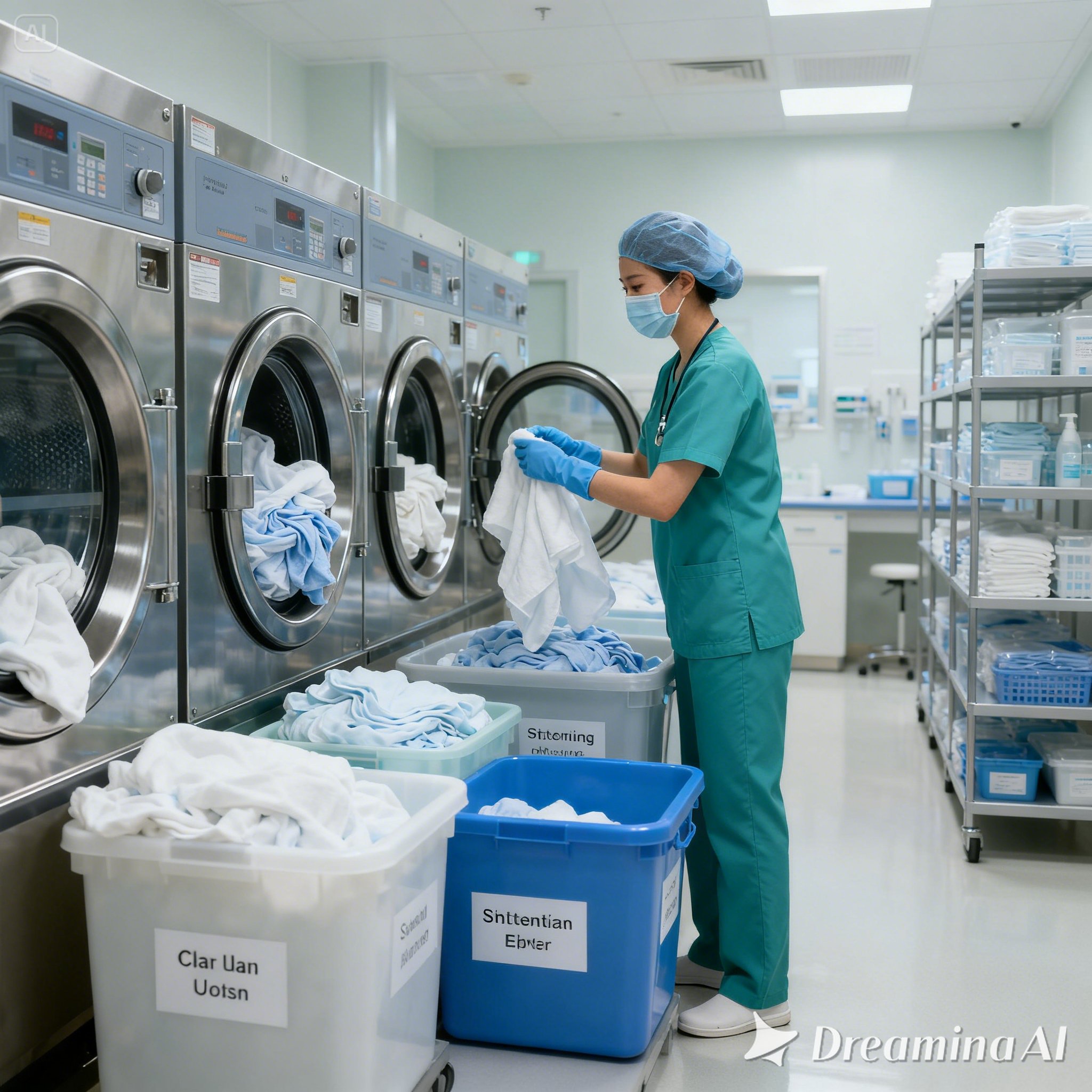
First, staff collect used cotton rags in designated containers. They separate them based on usage areas (e.g., floors, general surfaces).
This step prevents cross-contamination between clean and dirty zones.
2. Pre-Cleaning
Next, workers remove visible dirt, dust, and debris. They rinse rags with water to eliminate loose contaminants before washing.
As a result, the main cleaning process becomes more effective.
3. Washing with Detergent
Laundry teams wash cotton rags using industrial detergents. They use high-temperature water to break down grease, dirt, and organic material.
Typically:
- Water temperature: 60°C to 90°C
- Strong hospital-grade detergents
This step removes most contaminants from the fabric.
4. Disinfection and Sterilisation
After washing, staff disinfect rags using approved methods.
Common Methods:
- Thermal disinfection → High-temperature washing (above 70°C)
- Chemical disinfection → Chlorine-based or approved disinfectants
- Autoclaving (if required) → Steam sterilisation for higher-risk use
These methods kill bacteria and harmful microorganisms effectively.
5. Drying Process
Proper drying is essential. Staff dry rags completely using:
- Industrial dryers
- Sun drying in controlled environments
Moisture can promote bacterial growth. Therefore, complete drying ensures hygiene.
6. Inspection and Quality Check
Supervisors inspect rags after cleaning. They remove any damaged, stained, or contaminated pieces.
As a result, only safe and usable rags return to circulation.
7. Safe Storage
Finally, staff store clean cotton rags in sealed, hygienic containers. They keep them away from contaminated areas.
Proper storage prevents recontamination before use.
Best Practices for Hospitals
To maintain safety, healthcare facilities should:
- Use color-coded rags for different areas
- Train staff on hygiene protocols
- Replace worn-out rags regularly
- Avoid mixing cotton rags with medical waste
- Follow infection control guidelines strictly
These practices reduce risks and improve cleaning efficiency.
Advantages of Cotton Rags in Healthcare Settings
When hospitals manage them correctly, cotton rags offer:
- High absorbency for spills
- Reusability and cost efficiency
- Strong cleaning performance
- Environmental benefits compared to disposables
Therefore, controlled usage provides both economic and practical advantages.
Conclusion
Hospitals can use cotton rags safely when they follow strict sterilisation and disinfection protocols. By implementing proper washing, chemical treatment, drying, and storage procedures, healthcare facilities minimize contamination risks.
Ultimately, disciplined handling and hygiene practices ensure that cotton rags support safe and effective hospital cleaning operations.