Meta Description
Learn how textile mills can earn extra income by selling cotton rags through dealers, recycling units, and export channels while maximizing profit from textile waste.
Introduction
Textile mills generate large volumes of fabric waste during cutting, stitching, and finishing. However, instead of treating these leftovers as waste, mills can convert them into a steady revenue stream. Therefore, by organizing collection and selling cotton rags strategically, mills can reduce waste and increase profitability.
This guide explains how textile mills can monetize cotton rags and which resale channels and dealers offer the best returns.
Why Cotton Rag Resale Makes Business Sense
First, cotton scraps still contain valuable fibers. Consequently, industries purchase these materials for cleaning, polishing, and maintenance.
Moreover, mills already produce this material as a byproduct. As a result, they can generate extra income without additional production costs. In addition, selling rags reduces disposal expenses and supports sustainable practices.
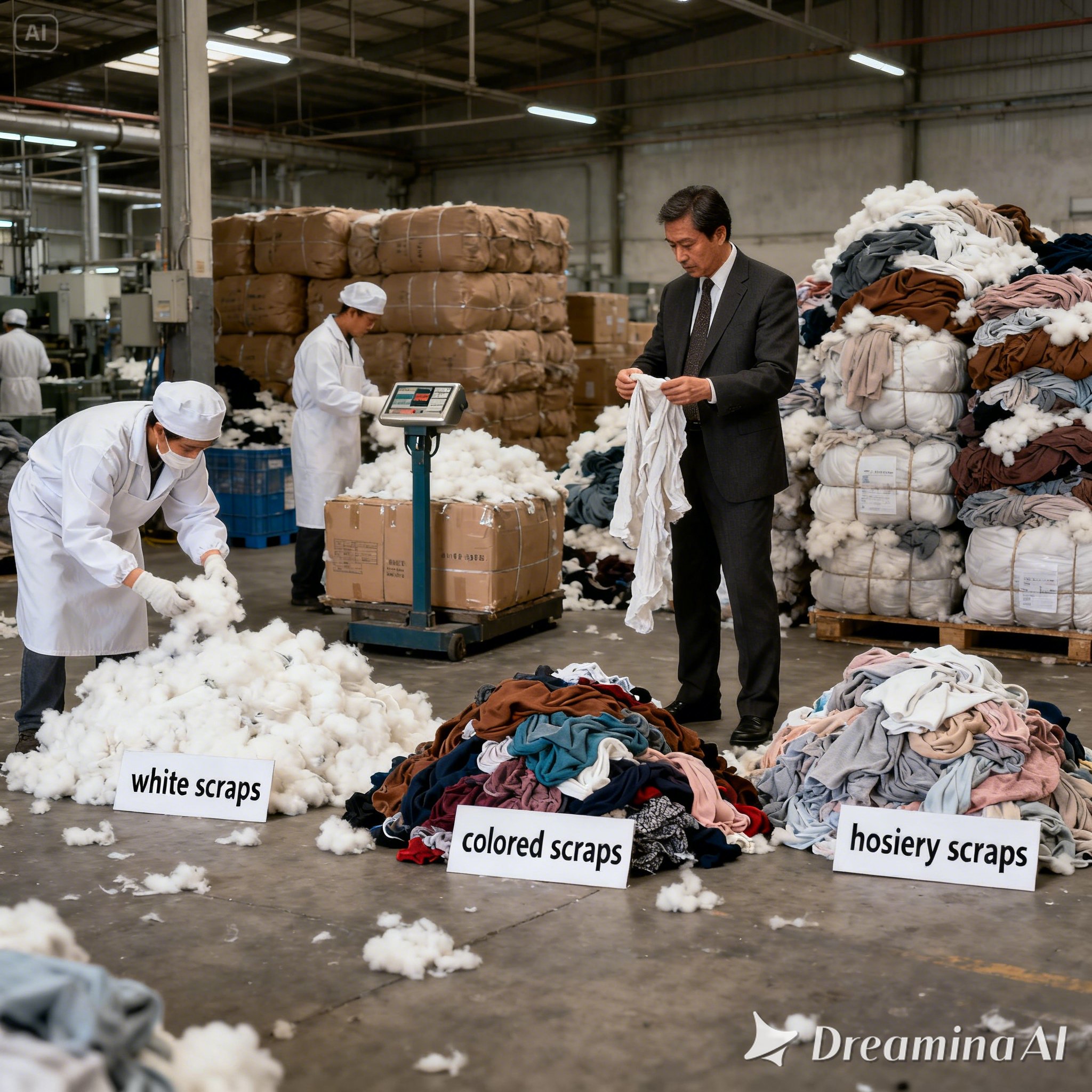
Types of Sellable Cotton Waste
Before selling, mills should identify and separate different categories:
- White cotton scraps → higher value, used in polishing and hygiene sectors
- Colored cotton scraps → used for oil wiping and industrial cleaning
- Hosiery fabric waste → soft, low lint, premium demand
- Mixed textile waste → lower value but still sellable in bulk
Proper segregation increases resale value significantly.
Main Resale Channels for Cotton Rags
1. Local Rag Dealers
Local dealers operate in major industrial cities and purchase cotton waste in bulk. They sort, process, and resell it to factories and workshops.
Benefits:
- Quick sales
- Regular demand
- Cash flow stability
However, dealers often negotiate lower prices. Therefore, mills should compare multiple buyers before finalizing deals.
2. Recycling Units and Processors
Recycling companies convert cotton waste into usable rags or fibers. These units often pay better rates for clean and well-sorted material.
Advantages:
- Higher prices for pure cotton
- Long-term contracts possible
- Consistent demand
Therefore, mills that maintain quality can build profitable partnerships.
3. Direct Industrial Buyers
Many industries purchase cotton rags directly, including:
- Automotive workshops
- Manufacturing plants
- Oil & gas companies
- Cleaning service providers
By selling directly, mills eliminate middlemen and increase profit margins. However, this approach requires strong networking and consistent supply.
4. Export Markets
Exporters buy cotton rags in bulk and supply international markets such as the UAE, Europe, and Africa.
Key benefits:
- Higher pricing potential
- Large volume orders
- Long-term contracts
However, mills must meet quality standards and packaging requirements for export.
5. Online B2B Platforms
Digital platforms allow mills to connect with buyers globally.
Examples include:
- Trade platforms
- Wholesale marketplaces
- Industrial sourcing websites
As a result, mills can reach more buyers and negotiate better prices.
Pricing Factors That Affect Profit
Several factors influence cotton rag pricing:
- Fabric quality (pure cotton vs mixed)
- Cleanliness and contamination level
- Sorting and grading
- Volume (bulk = better rates)
- Packaging and logistics
Therefore, mills that maintain high-quality standards can maximize profits.
How to Increase Income from Cotton Rags
To earn more, mills should follow these strategies:
1. Sort at Source
Workers should separate cotton waste during production. This improves quality and resale value.
2. Build Dealer Relationships
Long-term partnerships ensure consistent demand and better pricing.
3. Sell in Bulk
Bulk quantities attract serious buyers and higher rates.
4. Improve Quality Control
Clean, contamination-free rags always sell at premium prices.
5. Explore Multiple Channels
Instead of relying on one buyer, mills should diversify sales channels.
Common Mistakes to Avoid
Many mills lose potential revenue due to simple mistakes:
- Mixing cotton with synthetic waste
- Ignoring sorting and grading
- Selling to the first available buyer
- Poor storage leading to contamination
Avoiding these mistakes helps maximize earnings.
Conclusion
Textile mills can transform cotton waste into a valuable income stream by selling cotton rags through the right channels. Whether through local dealers, recycling units, direct buyers, or export markets, each option offers unique advantages.
Therefore, mills that focus on quality, sorting, and strategic selling can significantly increase their profits while reducing waste. Ultimately, cotton rag resale provides both economic and environmental benefits.