Uncategorized

Uncategorized

The Cost-Saving Power of Cotton Rags in Industrial Cleaning

Meta Description Learn how cotton rags reduce industrial cleaning costs through reusability, absorbency, durability, and efficient maintenance operations. Introduction Industrial facilities spend significant amounts on cleaning and maintenance every month. From machinery cleaning to spill management, factories continuously use wiping materials to maintain safe and efficient operations. However, disposable wipes and low-quality products often increase long-term expenses. Therefore, many industries now rely on cotton rags as a cost-saving cleaning solution. Because cotton rags offer high absorbency, durability, and reusability, they help businesses lower operational costs without reducing cleaning performance. Why Industrial Cleaning Costs Keep Increasing Factories and maintenance departments face rising expenses due to: As a result, businesses search for cleaning materials that provide better long-term value. How Cotton Rags Help Reduce Cleaning Costs 1. Reusability Lowers Material Consumption One of the biggest advantages of cotton rags is reusability. Workers can: Consequently, businesses purchase fewer cleaning materials over time. Example: A disposable wipe may only support one cleaning task, while a cotton rag can handle several cleaning cycles before replacement. Therefore, cost per use decreases significantly. 2. High Absorbency Improves Cleaning Efficiency Cotton fibers absorb: Because cotton absorbs quickly, workers use fewer rags during cleaning operations. As a result: Therefore, operational costs become easier to control. 3. Durable Fabric Reduces Replacement Frequency Industrial environments involve: Cotton rags withstand these conditions effectively. Consequently, they last longer than many disposable alternatives. Businesses benefit because: 4. Lower Waste Disposal Costs Disposable cleaning products generate large amounts of waste daily. However, reusable cotton rags reduce: Therefore, factories improve both environmental performance and cost efficiency simultaneously. 5. Bulk Purchasing Saves More Money Suppliers usually offer cotton rags in: Because industries purchase large quantities at lower per-unit costs, overall cleaning expenses decrease further. As a result, cotton rags become highly economical for long-term industrial use. Example Cost Comparison Disposable Wipes Scenario Cotton Rag Scenario Estimated Monthly Savings: PKR 40,000+ Consequently, annual savings become substantial for large factories. Industries That Save Most with Cotton Rags Cotton rags provide major savings in: Because these industries require constant cleaning, reusable rags create significant financial benefits. Additional Benefits Beyond Cost Savings Improved Workplace Safety Workers clean spills faster, reducing accident risks. Better Maintenance Performance Efficient cleaning improves machinery lifespan and operational reliability. Sustainable Operations Recycled cotton rags support: Therefore, businesses improve sustainability while reducing expenses. How to Maximize Cost Savings with Cotton Rags Businesses should: As a result, companies achieve maximum return on investment. Conclusion Cotton rags help industries reduce cleaning costs through reusability, absorbency, durability, and lower waste generation. They allow factories to clean efficiently while minimizing material consumption and operational expenses. Ultimately, businesses that switch to reusable cotton rags improve maintenance efficiency, workplace safety, and long-term cost control.

Uncategorized

Grease, Oil & Performance The Complete Guide to Cotton Rags in Automotive Workshops

Meta Description Discover how automotive workshops use cotton rags for engine cleaning, oil removal, spill management, and cost-effective maintenance operations. Introduction Automotive workshops handle oil, grease, fuel residue, and heavy dirt every day. Therefore, mechanics need reliable cleaning materials that can manage demanding maintenance tasks efficiently. Cotton rags remain one of the most widely used cleaning solutions in automotive workshops because they offer strong absorbency, durability, and reusability. From engine cleaning to tool maintenance, cotton rags support nearly every area of workshop operations. This guide explains how automotive workshops use cotton rags, why mechanics prefer them, and how businesses can choose the right type for maximum efficiency. Why Automotive Workshops Depend on Cotton Rags Vehicle maintenance creates constant cleaning requirements. Mechanics regularly clean: Therefore, workshops require cleaning materials that absorb quickly and withstand rough usage. Cotton rags perform exceptionally well because they: As a result, cotton rags remain essential in automotive maintenance environments. Main Uses of Cotton Rags in Automotive Workshops 1. Engine Cleaning Mechanics use cotton rags to wipe: Because cotton absorbs liquids quickly, workers clean engines more efficiently. 2. Tool Maintenance Workshop tools accumulate grease and dirt throughout the day. Cotton rags help mechanics: Consequently, tools remain functional and easier to handle. 3. Oil Spill Management Oil spills create slipping hazards and safety risks inside workshops. Cotton rags absorb: Therefore, mechanics respond quickly to spills and maintain safer workspaces. 4. Surface Preparation Before Repair or Painting Before repairs or repainting, workers must clean vehicle surfaces properly. Cotton rags help remove: As a result, paint adhesion and repair quality improve. 5. Cleaning Vehicle Parts Mechanics frequently clean: Soft cotton fabrics remove dirt effectively without damaging sensitive parts. Why Mechanics Prefer Cotton Rags Over Disposable Wipes Better Absorbency Cotton absorbs heavy grease and oil faster than many disposable alternatives. Higher Durability Workers can scrub rough surfaces without tearing the material easily. Reusability Mechanics wash and reuse cotton rags multiple times, reducing operational costs significantly. Cost Efficiency Bulk cotton rags cost less over time compared to disposable paper-based products. Types of Cotton Rags Used in Automotive Workshops Rag Type Best Automotive Use Colored Cotton Rags Heavy grease and oil cleaning White Cotton Rags Polishing and detailing Hosiery Rags Soft wiping and absorbent cleaning Mixed Cotton Rags General workshop maintenance Therefore, workshops often combine multiple rag types depending on cleaning tasks. How to Choose the Right Cotton Rags for Automotive Use Choose High GSM Rags for Heavy Cleaning Thicker cotton rags handle: Select Low-Lint Materials for Precision Work Low-lint cotton works best for: Buy Recycled Cotton Rags for Cost Savings Recycled rags provide: Therefore, many workshops prefer recycled cotton materials. Benefits of Cotton Rags in Automotive Workshops Automotive businesses benefit because cotton rags: Consequently, workshops maintain smoother daily operations. Environmental Benefits of Recycled Cotton Rags Many automotive workshops now use recycled cotton rags to: As a result, workshops improve environmental responsibility while maintaining performance. Conclusion Cotton rags play a critical role in automotive workshops by supporting engine cleaning, oil removal, spill management, and tool maintenance. Their absorbency, durability, and reusability make them one of the most effective industrial cleaning materials for automotive operations. Ultimately, workshops that use quality cotton rags improve cleaning performance, workplace safety, and long-term operational efficiency.

Uncategorized

The Global Choice for Industrial Cleaning Why Industries Prefer Cotton Rags

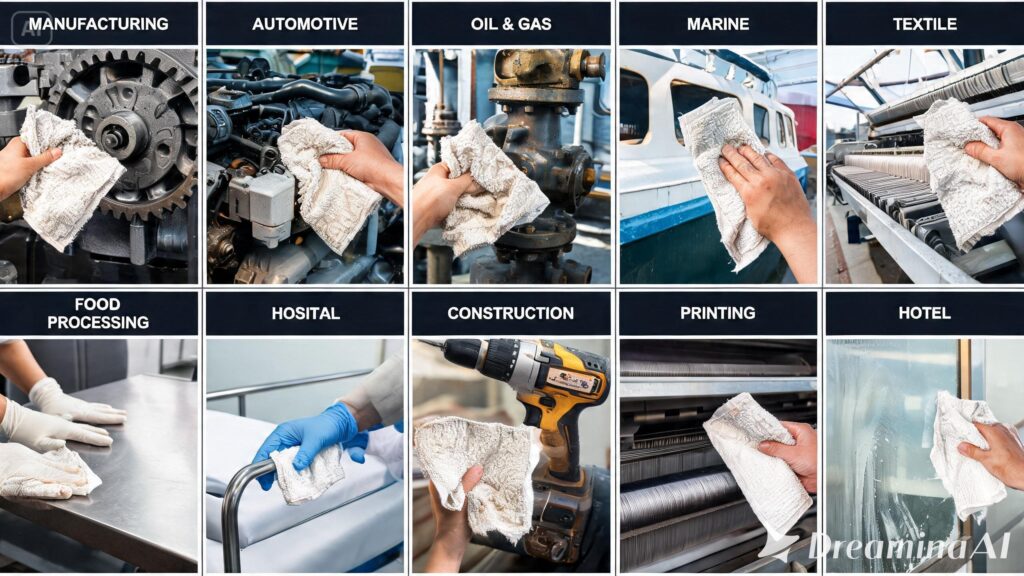
Meta Description Discover why global industries prefer cotton rags for industrial cleaning, including benefits like absorbency, durability, sustainability, and cost efficiency. Introduction Industrial cleaning requires materials that deliver strong performance, durability, and cost efficiency. Across factories, workshops, warehouses, and maintenance facilities, businesses need reliable cleaning solutions to handle oil, grease, dust, and heavy industrial residue. Therefore, global industries continue to prefer cotton rags for industrial cleaning. Because cotton offers high absorbency, reusability, and versatile performance, it remains one of the most trusted cleaning materials worldwide. Why Industrial Cleaning Demands Reliable Materials Industrial environments expose machinery and workspaces to: Consequently, poor cleaning materials reduce efficiency and increase maintenance costs. Businesses need cleaning products that: As a result, cotton rags have become an industry standard in many sectors. Why Global Industries Prefer Cotton Rags 1. High Absorbency for Oil and Grease Cleaning Cotton fibers naturally absorb oil, water, and industrial liquids efficiently. Because of this property, workers use cotton rags for: Consequently, cleaning tasks become faster and more effective. 2. Durable for Heavy-Duty Industrial Use Industrial cleaning often involves rough metal surfaces and demanding maintenance work. Cotton rags provide: Therefore, factories and workshops use them repeatedly under harsh conditions. 3. Reusable and Cost-Effective Unlike disposable wipes, cotton rags support multiple reuse cycles. Businesses can: As a result, companies improve long-term maintenance efficiency and operational savings. 4. Suitable for Multiple Industries Cotton rags adapt easily to different industrial applications. Industries that commonly use cotton rags include: Because cotton performs well across diverse environments, global demand remains strong. 5. Better Environmental Sustainability Many cotton rags come from recycled textile waste. Therefore, industries reduce landfill waste by reusing cotton materials instead of relying entirely on disposable products. Recycled cotton rags help businesses: Consequently, companies improve environmental responsibility while maintaining cleaning efficiency. 6. Safe for Sensitive Surface Cleaning Soft cotton fabrics clean surfaces effectively without causing damage. Therefore, industries use cotton rags for: Because cotton minimizes scratching risks, it remains suitable for precision maintenance tasks. 7. Easy Availability and Bulk Supply Cotton rags remain widely available in local and international markets. Suppliers offer: As a result, industries can purchase large quantities easily for continuous operations. 8. Supports Faster Maintenance Operations Efficient cleaning improves machinery performance and reduces downtime. Because cotton rags absorb quickly and handle heavy dirt effectively: Consequently, factories maintain smoother production flow. Why Recycled Cotton Rags Continue Growing Globally Global industries increasingly focus on: Recycled cotton rags meet all three objectives simultaneously. Therefore, international demand for industrial cotton rags continues to expand. Conclusion Global industries prefer cotton rags because they provide absorbency, durability, reusability, and cost efficiency for industrial cleaning operations. Their ability to handle heavy-duty maintenance tasks while supporting sustainability makes them one of the most practical cleaning materials available. Ultimately, cotton rags continue serving as a reliable industrial cleaning solution across manufacturing, automotive, marine, oil & gas, and maintenance sectors worldwide.

Uncategorized

The Smart Way to Manage Cutting Waste Recycled Cotton Rags

Meta Description Learn how cutting departments reduce textile waste by converting cotton scraps into reusable cleaning rags for sustainable and cost-effective manufacturing. Introduction Cutting departments generate a significant amount of fabric waste during garment production. Every day, factories discard leftover cotton pieces, edge trims, and unusable fabric sections after cutting operations. However, instead of treating these materials as waste, manufacturers can reuse them as cotton cleaning rags. By converting cutting waste into reusable cotton rags, textile factories reduce disposal costs, improve sustainability, and create additional operational value. Therefore, many manufacturers now integrate rag recycling into their waste management strategies. Why Cutting Departments Generate Large Amounts of Waste During garment production, workers place patterns on fabric layers and cut them according to design requirements. As a result, irregular fabric pieces remain after the cutting process. Common cutting waste includes: Because cutting layouts cannot utilize every inch of fabric perfectly, waste generation becomes unavoidable. Why Cotton Waste Should Not Be Discarded Although factories often classify cutting scraps as waste, many leftover materials still contain high-quality cotton fibers. Therefore, businesses can reuse these materials for: Consequently, factories transform waste into practical and reusable cleaning solutions. How Cotton Rags Help Reduce Cutting Waste 1. Reusing Fabric Scraps Instead of Disposing Them Factories can collect cotton scraps directly from cutting tables and separate reusable materials immediately. Instead of sending scraps to landfills: As a result, waste volumes decrease significantly. 2. Lower Waste Disposal Costs Textile waste disposal increases operational expenses. Therefore, reducing waste helps factories lower: By converting cotton waste into reusable rags, businesses improve overall cost efficiency. 3. Supports Sustainable Manufacturing Goals Many garment factories now focus on: Recycling cotton scraps into rags supports these environmental goals because materials remain in use longer. Consequently, factories reduce environmental impact while improving sustainability performance. 4. Creates Additional Business Value Cutting waste still holds commercial value. Therefore, factories can: As a result, textile waste becomes a revenue-generating resource instead of a disposal problem. 5. Improves Factory Cleanliness and Organization Organized waste collection systems improve workflow efficiency inside cutting departments. Factories can: Consequently, workplace organization and material handling improve. Best Practices for Managing Cutting Waste Separate Cotton from Synthetic Fabrics Workers should sort cotton materials immediately after cutting operations. Because mixed fabrics reduce recycling quality, proper separation remains essential. Use Designated Collection Bins Factories should place labeled bins near cutting stations for: Therefore, sorting becomes faster and more efficient. Train Workers on Waste Segregation Employee training improves: As a result, factories achieve better sustainability outcomes. Partner with Recycling Suppliers Many recycling companies purchase cotton waste for rag production. Therefore, factories should collaborate with reliable textile recyclers to maximize material recovery. Industries That Use Recycled Cotton Rags Recycled cutting waste rags are widely used in: Because these industries require durable cleaning materials, recycled cotton rags remain in high demand. Environmental Benefits of Cotton Rag Recycling By recycling cutting waste into cotton rags, factories: Therefore, textile recycling contributes directly to sustainable industrial practices. Conclusion Cutting departments can significantly reduce textile waste by converting leftover cotton materials into reusable cleaning rags. This approach lowers disposal costs, supports sustainability goals, and creates additional operational value. Ultimately, factories that recycle cutting waste into cotton rags improve both environmental responsibility and manufacturing efficiency.

Uncategorized

From Cotton Waste to Sustainable Value The Future of Textile Recycling

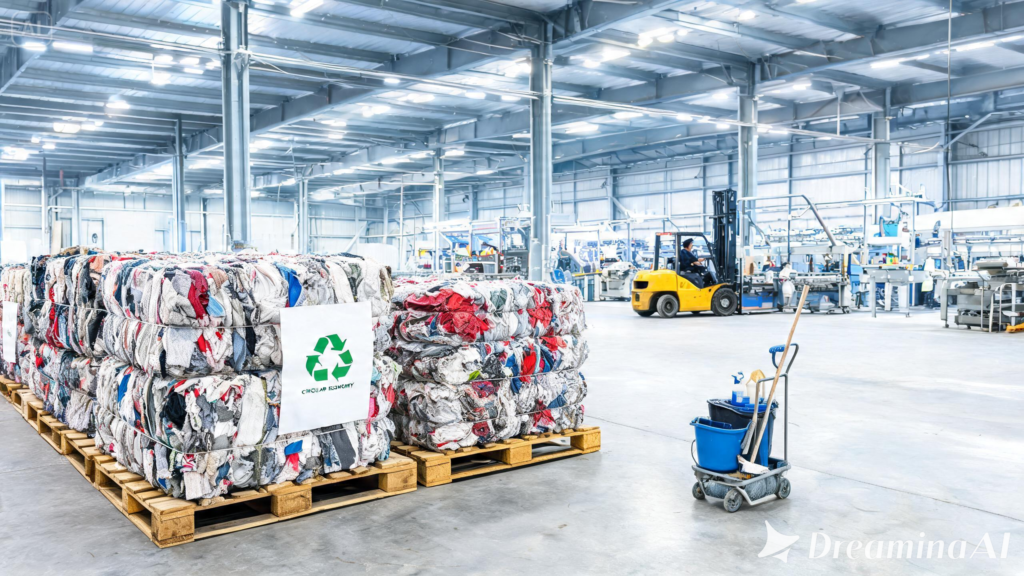
Meta Description Discover the role of cotton waste in sustainable textile solutions, including recycling benefits, circular economy support, and eco friendly industrial applications. Introduction The textile industry produces large amounts of waste during spinning, weaving, dyeing, and garment manufacturing. However, instead of treating these leftover materials as useless waste, many industries now reuse cotton waste in sustainable textile solutions. Cotton waste plays an important role in reducing environmental impact, supporting recycling systems, and improving resource efficiency. Therefore, textile manufacturers increasingly view cotton waste as a valuable raw material rather than a disposal problem. What Is Cotton Waste? Cotton waste refers to leftover cotton materials generated during textile and garment production. Common sources include: Although factories previously discarded many of these materials, recycling technologies now allow industries to reuse them effectively. Why Cotton Waste Matters in Sustainability The textile industry consumes large amounts of: Therefore, reducing waste has become essential for sustainable manufacturing. When businesses recycle cotton waste: As a result, cotton waste contributes directly to environmentally responsible textile operations. How Cotton Waste Supports Sustainable Textile Solutions 1. Reduces Textile Waste in Landfills Millions of tons of textile waste enter landfills every year. Consequently, environmental pollution continues to increase. Recycling cotton waste helps industries: Therefore, sustainable waste management becomes more achievable. 2. Supports the Circular Economy The circular economy focuses on reusing materials instead of discarding them after one use. Cotton waste supports this system through:Production → Usage → Recycling → Reuse For example, factories convert cotton scraps into: Consequently, industries maximize material value and reduce waste. 3. Conserves Natural Resources Producing virgin cotton requires significant water, land, and energy resources. By reusing cotton waste: Therefore, textile recycling helps conserve valuable natural resources. 4. Reduces Carbon Emissions Manufacturing new textile materials generates carbon emissions during: However, recycling existing cotton waste reduces the need for new production. As a result, businesses lower their environmental footprint. 5. Creates Cost-Effective Raw Materials Cotton waste still contains valuable fibers suitable for industrial applications. Manufacturers reuse cotton waste to create: Consequently, businesses reduce raw material costs while maintaining product utility. 6. Encourages Sustainable Innovation Many textile companies now invest in: Because environmental regulations continue to increase, industries actively search for smarter ways to reuse cotton waste. As a result, sustainable textile innovation continues to grow. 7. Supports Eco-Friendly Industrial Cleaning One of the most practical uses of cotton waste involves recycled cleaning rags. Factories transform textile scraps into: Therefore, cotton waste gains a second life in industrial cleaning operations. Industries Benefiting from Cotton Waste Recycling Many sectors now benefit from cotton waste reuse, including: Because recycled cotton materials remain versatile, industries continue finding new applications. Challenges in Cotton Waste Management Although recycling offers major benefits, some challenges still exist: Therefore, efficient waste management systems remain important for successful recycling operations. Conclusion Cotton waste plays a vital role in sustainable textile solutions by reducing landfill waste, conserving resources, and supporting circular economy practices. Instead of becoming an environmental burden, recycled cotton materials now serve valuable industrial and manufacturing purposes. Ultimately, industries that reuse cotton waste create more sustainable operations while improving both environmental and economic efficiency.

Uncategorized

Factory Cleaning Made Smarter with Recycled Cotton Rags

Meta Description Discover the benefits of using recycled cotton rags in factories, including cost savings, sustainability, high absorbency, and improved industrial cleaning efficiency. Introduction Factories perform cleaning and maintenance tasks continuously throughout the day. From oil removal to machine servicing, industrial operations require reliable cleaning materials to maintain productivity and safety. However, disposable wipes and low-quality materials often increase operational costs and generate unnecessary waste. Therefore, many factories now prefer recycled cleaning rags as a practical and sustainable solution. Because these rags offer durability, absorbency, and reusability, they improve industrial cleaning efficiency while supporting environmental goals. What Are Recycled Cleaning Rags? Recycled cleaning rags come from reused textile materials such as: Instead of discarding these materials, recycling facilities process them into reusable industrial cleaning cloths. Consequently, factories gain cost-effective cleaning materials while reducing textile waste. Major Benefits of Using Recycled Cleaning Rags in Factories 1. Lower Cleaning and Maintenance Costs Factories consume large quantities of cleaning materials every month. Therefore, reusable recycled rags help reduce purchasing costs significantly. Because workers can wash and reuse cotton rags multiple times: As a result, factories improve long-term operational savings. 2. High Absorbency for Industrial Cleaning Recycled cotton rags absorb: Therefore, workers clean machinery and surfaces more efficiently with fewer materials. Consequently, cleaning operations become faster and more productive. 3. Supports Sustainable Factory Operations Factories increasingly focus on sustainability and waste reduction. Therefore, recycled cleaning rags help companies support: By reusing textile waste, factories reduce landfill pressure and improve resource efficiency. 4. Reusability Improves Efficiency Unlike disposable wipes, recycled cleaning rags withstand multiple washing cycles. Because of this durability: As a result, maintenance departments operate more efficiently. 5. Reduces Textile Waste Textile waste continues to grow globally. However, recycling programs transform fabric scraps into useful industrial products. Therefore, recycled cleaning rags: Consequently, factories contribute to environmental protection. 6. Better Performance in Heavy-Duty Applications Industrial environments require strong cleaning materials that can handle: Recycled cotton rags perform well under these demanding conditions because they provide durability and strong absorbency. 7. Safer Workplace Conditions Oil spills and dirty surfaces increase accident risks in factories. Therefore, fast and effective cleaning improves workplace safety. Workers use recycled rags to: As a result, factories reduce operational hazards. 8. Flexible for Multiple Industrial Uses Factories use recycled cleaning rags for: Because of their versatility, recycled rags support many departments within industrial operations. Industries That Benefit Most Recycled cleaning rags are widely used in: These industries require continuous cleaning support, making reusable rags highly valuable. Why Factories Prefer Cotton-Based Recycled Rags Cotton-based recycled rags remain popular because they offer: Therefore, cotton continues to dominate industrial cleaning applications. Conclusion Recycled cleaning rags provide factories with a cost-effective, durable, and environmentally responsible cleaning solution. They reduce waste, lower maintenance expenses, improve workplace safety, and support sustainable industrial operations. Ultimately, factories that adopt recycled cleaning rags achieve better cleaning efficiency while contributing to a more sustainable manufacturing future.

Uncategorized

Smart Buying Guide How to Choose the Right Cotton Rags for Your Business

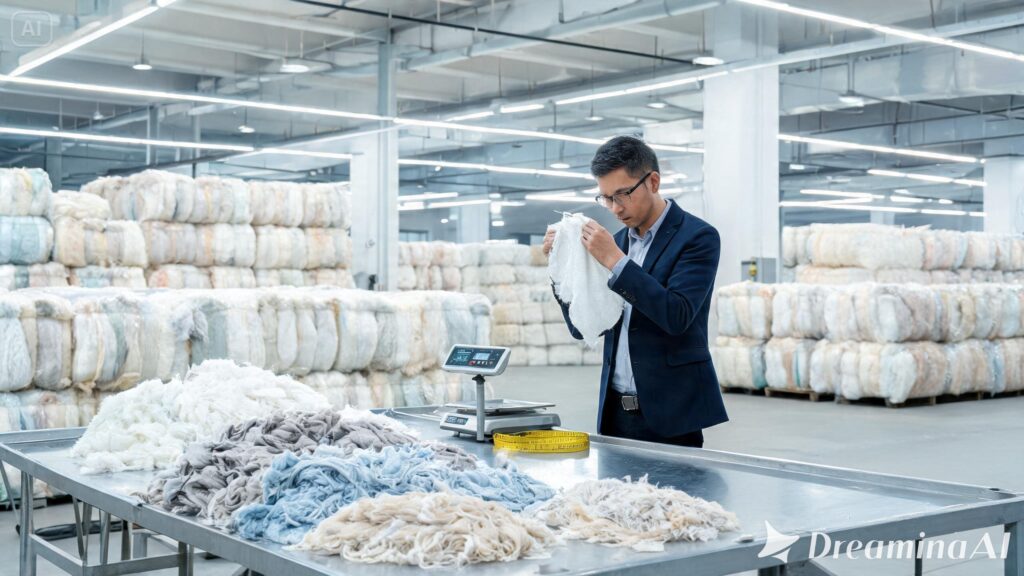
Meta Description Learn how to choose the right cotton rags for your business with tips on absorbency, durability, lint levels, packaging, and industrial applications. Introduction Choosing the right cotton rags can improve cleaning efficiency, reduce maintenance costs, and increase operational productivity. However, many businesses purchase cleaning rags without evaluating fabric quality, absorbency, or industrial suitability. Therefore, selecting the correct cotton rags requires a clear understanding of your cleaning needs, industry environment, and usage frequency. This guide explains the most important factors businesses should consider before purchasing cotton rags. Why Choosing the Right Cotton Rags Matters Different industries require different cleaning performance levels. For example: As a result, using the wrong rag type increases material waste, cleaning time, and operational costs. Key Factors to Consider Before Buying Cotton Rags 1. Identify Your Cleaning Application First, businesses should define where and how they will use cotton rags. Heavy-Duty Industrial Cleaning Choose: Precision or Sensitive Cleaning Choose: Because each application differs, selecting the correct material improves cleaning performance. 2. Check Fabric Composition The fiber composition directly affects absorbency and durability. Best Option Avoid Cotton absorbs oil and liquids more effectively than synthetic materials. Therefore, high cotton content delivers better industrial cleaning results. 3. Choose the Right Rag Type Businesses should select rag categories based on cleaning requirements. Rag Type Best Use White Cotton Rags Polishing, painting, hygiene-sensitive cleaning Colored Rags Heavy grease and machinery cleaning Hosiery Rags Soft surface wiping and absorbent cleaning Mixed Rags General maintenance and workshop use Therefore, choosing the correct category helps improve both cost efficiency and cleaning quality. 4. Evaluate Absorbency Absorbency remains one of the most important buying factors. High-quality cotton rags: Consequently, workers complete cleaning tasks faster and use fewer materials overall. 5. Consider Durability and Reuse Cycles Industrial cleaning environments require durable materials. Therefore, businesses should select rags that withstand: Heavy GSM cotton rags usually last longer and reduce replacement frequency. As a result, businesses lower long-term operating costs. 6. Check for Lint Levels Some industries require low-lint cleaning materials to avoid surface contamination. Low-Lint Rags Work Best For: Therefore, businesses should test lint performance before bulk purchasing. 7. Review Packaging Options Cotton rags are commonly supplied in: Bulk buyers usually prefer bales because they reduce transport and storage costs. Meanwhile, smaller businesses often choose loose or bundled packaging for easier handling. 8. Evaluate Supplier Reliability A reliable supplier should provide: Additionally, businesses should request samples before placing large orders. 9. Compare Cost vs Long-Term Value Cheaper rags may appear cost-effective initially. However, poor-quality materials usually: Therefore, businesses should focus on long-term value instead of only low prices. Best Cotton Rags by Industry Industry Recommended Cotton Rag Type Automotive Colored heavy GSM rags Manufacturing Mixed industrial rags Printing White lint-free rags Marine Thick absorbent cotton rags Maintenance (MRO) Reusable mixed cotton rags Conclusion Choosing the right cotton rags improves cleaning performance, operational efficiency, and cost control. Businesses should evaluate absorbency, durability, lint levels, fabric composition, and supplier quality before purchasing. Ultimately, the right cotton rags help industries clean faster, reduce waste, and improve long-term maintenance efficiency.

Uncategorized

Beyond Cleaning Top Uses of Cotton Rags in Manufacturing Industries

Meta Description Discover the top uses of cotton rags in manufacturing industries, including machinery cleaning, oil removal, spill management, and industrial maintenance. Introduction Manufacturing industries depend heavily on efficient cleaning and maintenance processes. From machinery servicing to spill management, factories require reliable materials that support daily operations. Therefore, industrial cotton rags have become an essential tool across multiple manufacturing sectors. Because cotton rags offer high absorbency, durability, and reusability, they help industries improve efficiency while reducing operational costs. As a result, factories continue using cotton rags for a wide range of industrial applications. Why Manufacturing Industries Prefer Cotton Rags Industrial environments expose machinery and equipment to: Therefore, factories need cleaning materials that can handle tough conditions effectively. Cotton rags provide: Consequently, they remain one of the most practical cleaning solutions in manufacturing operations. Top Uses of Cotton Rags in Manufacturing Industries 1. Machinery Cleaning and Maintenance Factories regularly clean machines to maintain performance and prevent breakdowns. Workers use cotton rags to wipe: Because cotton absorbs oil and grease quickly, maintenance teams complete cleaning tasks more efficiently. 2. Oil and Grease Removal Manufacturing plants frequently deal with lubricants, hydraulic oils, and grease buildup. Cotton rags help workers: As a result, factories maintain cleaner and safer working environments. 3. Surface Preparation Before Painting or Coating Before painting or coating metal surfaces, workers must remove dust, oil, and residue completely. Cotton rags support: Therefore, they improve coating quality and surface finish. 4. Tool and Equipment Cleaning Workers clean industrial tools daily to ensure proper functionality. Cotton rags help maintain: Consequently, tools last longer and operate more efficiently. 5. Spill Management and Emergency Cleaning Industrial spills can create safety hazards quickly. Therefore, factories use cotton rags for rapid spill response. They absorb: As a result, workers reduce slipping hazards and maintain workplace safety. 6. Production Line Cleaning Manufacturing lines generate continuous dust and residue during operations. Workers use cotton rags to: Therefore, production efficiency improves while contamination risks decrease. 7. Polishing and Finishing Operations Some industries require polished surfaces and clean product finishes. Soft cotton rags support: Because cotton fabric remains gentle on surfaces, it minimizes scratching during polishing. 8. Industrial Maintenance (MRO Operations) Maintenance, Repair, and Operations (MRO) departments consume large quantities of cleaning materials daily. Cotton rags support: Consequently, they become a core part of industrial maintenance systems. Industries That Use Cotton Rags Most Industrial cotton rags are widely used in: Because these sectors require constant cleaning and maintenance, cotton rags provide reliable support. Benefits of Using Cotton Rags in Manufacturing Factories benefit from cotton rags because they offer: Therefore, businesses improve both performance and cost control. Conclusion Cotton rags play a critical role in manufacturing industries by supporting cleaning, maintenance, spill management, and polishing operations. Their absorbency, durability, and reusability make them one of the most effective industrial cleaning materials available. Ultimately, factories that use industrial cotton rags improve operational efficiency, workplace safety, and long-term maintenance performance.

Uncategorized

From Fabric Waste to Industrial Value: How Textile Recycling Creates Cotton Rags

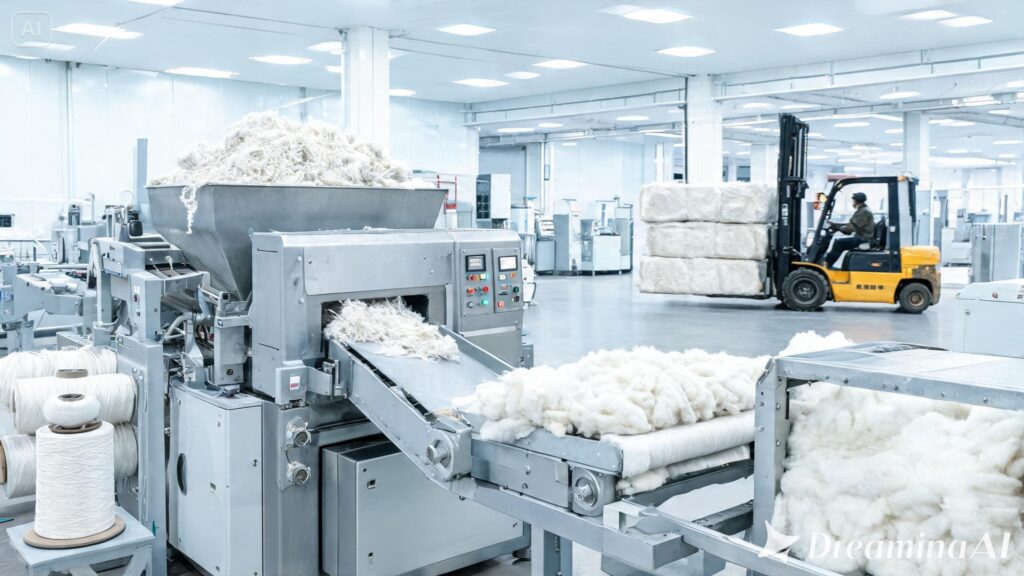
Meta Description Learn how textile recycling converts fabric waste into valuable cotton rags through sorting, processing, and sustainable industrial reuse. Introduction Textile industries generate massive amounts of fabric waste every day. During garment production, factories produce leftover scraps, rejected fabrics, and unused cotton materials. However, instead of sending this waste to landfills, recycling companies convert it into valuable cotton rags. Textile recycling transforms discarded fabric into reusable industrial cleaning materials. Therefore, businesses reduce waste, support sustainability, and create cost-effective cleaning solutions at the same time. What Is Textile Recycling? Textile recycling is the process of collecting, sorting, processing, and reusing textile waste materials. Recycling facilities recover useful fibers and fabrics from discarded textiles instead of disposing of them. Common recyclable textile sources include: As a result, valuable cotton materials continue serving industrial purposes instead of becoming waste. Why Textile Recycling Matters The textile industry produces millions of tons of waste globally every year. Consequently, landfills continue to grow, and environmental pressure increases. Textile recycling helps solve this problem by: Therefore, recycling provides both environmental and economic benefits. Step-by-Step: How Textile Recycling Produces Cotton Rags 1. Collection of Textile Waste The process begins with collecting textile waste from factories, garment units, and clothing sources. Workers gather: After collection, suppliers transport materials to recycling facilities. 2. Sorting and Separation Next, workers sort textiles based on: Pure cotton materials move forward for rag production, while unsuitable synthetic fabrics are removed. Because proper sorting improves quality, this stage plays a critical role. 3. Cleaning and Inspection Workers clean the selected cotton materials to remove: They also inspect fabrics for damage and contamination. Consequently, only usable materials continue through production. 4. Cutting into Rag Sizes After cleaning, workers cut fabrics into practical rag sizes depending on industrial requirements. For example: Therefore, different industries receive customized cleaning materials. 5. Packaging and Distribution Finally, suppliers package cotton rags into: They then distribute them to industries such as: As a result, recycled textile waste becomes a valuable industrial product. Benefits of Recycled Cotton Rags 1. Environmental Sustainability Recycling prevents textile waste from reaching landfills. Therefore, businesses reduce environmental impact significantly. 2. Cost Efficiency Recycled cotton rags cost less than many disposable cleaning products. Consequently, companies reduce MRO expenses. 3. High Cleaning Performance Cotton fibers absorb oil, grease, and liquids effectively. As a result, recycled rags perform well in industrial cleaning applications. 4. Support for Circular Economy Textile recycling creates a continuous reuse cycle: Fabric Production → Textile Waste → Recycling → Cotton Rags → Industrial Reuse Therefore, industries maximize resource value instead of wasting materials. Industries That Depend on Recycled Cotton Rags Many sectors rely on recycled cotton rags daily, including: Because these industries require durable cleaning materials, recycled cotton rags provide practical solutions. Conclusion Textile recycling transforms fabric waste into valuable cotton rags through collection, sorting, cleaning, and reuse. This process not only reduces waste but also supports sustainable industrial operations. Ultimately, recycled cotton rags prove that textile waste still holds significant value when industries adopt smarter recycling practices.

Uncategorized

Cotton vs Microfiber Which Cleaning Material Delivers Better Performance?

Meta Description Compare cotton vs microfiber cleaning materials to discover differences in absorbency, durability, cost efficiency, and industrial cleaning performance. Introduction Choosing the right cleaning material directly affects cleaning quality, cost efficiency, and maintenance performance. Therefore, industries often compare cotton and microfiber to determine which option works best for their operations. Both materials offer unique advantages. Cotton provides natural absorbency and durability, while microfiber delivers fine-particle cleaning and lightweight handling. However, the better choice depends on the cleaning application, surface type, and usage environment. This guide compares cotton and microfiber across key performance factors to help businesses make the right decision. What Are Cotton Cleaning Rags? Cotton cleaning rags usually come from recycled textile materials or cotton fabrics. Industries use them for: Because cotton fibers absorb liquids quickly, these rags perform well in demanding environments. What Are Microfiber Cleaning Cloths? Microfiber cloths contain ultra-fine synthetic fibers, usually polyester and polyamide blends. They are designed for: Because microfiber traps small particles effectively, it performs well in precision cleaning tasks. Performance Comparison: Cotton vs Microfiber 1. Absorbency Cotton Cotton absorbs oil, grease, and liquids extremely well. Therefore, mechanics and maintenance teams prefer it for industrial cleaning. Microfiber Microfiber absorbs water efficiently but may struggle with heavy oil and thick grease. Winner: Cotton for heavy-duty industrial cleaning 2. Dust and Particle Removal Cotton Cotton removes visible dirt effectively but may leave some particles behind. Microfiber Microfiber attracts and traps tiny dust particles due to its fine fiber structure. Winner: Microfiber for precision dust cleaning 3. Durability and Reuse Cycles Cotton Heavy GSM cotton rags withstand rough industrial usage and repeated washing. Microfiber Microfiber lasts long under controlled use but may degrade faster under high heat and harsh industrial conditions. Winner: Cotton for rugged environments 4. Surface Safety Cotton Soft cotton fabrics clean surfaces safely without scratching. Microfiber Microfiber performs exceptionally well on glass, mirrors, and polished surfaces. Winner: Microfiber for delicate finishes 5. Cost Efficiency Cotton Recycled cotton rags offer lower cost per use because industries can purchase them in bulk at affordable rates. Microfiber Microfiber cloths cost more initially and often require specialized maintenance. Winner: Cotton for industrial cost savings 6. Environmental Impact Cotton Recycled cotton rags support textile recycling and reduce landfill waste. Microfiber Microfiber materials contain synthetic fibers that may release microplastics during washing. Winner: Cotton for sustainability Side-by-Side Comparison Table Feature Cotton Rags Microfiber Cloths Oil & Grease Absorption Excellent Moderate Dust Removal Good Excellent Heavy-Duty Cleaning Excellent Moderate Precision Surface Cleaning Good Excellent Cost Efficiency High Medium Sustainability Better Lower Reusability High High Industrial Suitability Excellent Moderate Which Material Is Better for Industry? For heavy industrial cleaning, cotton usually performs better because it handles grease, oil, and rough conditions effectively. However, microfiber works better for: Therefore, many businesses use both materials depending on the task. Best Applications for Cotton Rags Cotton rags perform best in: Because these industries require strong absorbency and durability, cotton delivers better overall value. Conclusion Both cotton and microfiber offer valuable cleaning benefits. Microfiber excels in fine-detail and dust-sensitive cleaning, while cotton dominates in heavy-duty industrial applications. Ultimately, businesses should choose the material based on cleaning requirements, operating conditions, and long-term cost efficiency. For oil, grease, and industrial maintenance, cotton remains the more practical and sustainable option.

Scroll to Top