Meta Description
Learn how textile recycling converts fabric waste into valuable cotton rags through sorting, processing, and sustainable industrial reuse.
Introduction
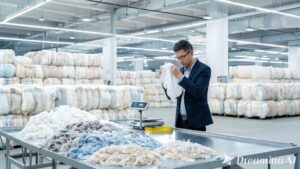
Textile industries generate massive amounts of fabric waste every day. During garment production, factories produce leftover scraps, rejected fabrics, and unused cotton materials. However, instead of sending this waste to landfills, recycling companies convert it into valuable cotton rags.
Textile recycling transforms discarded fabric into reusable industrial cleaning materials. Therefore, businesses reduce waste, support sustainability, and create cost-effective cleaning solutions at the same time.
What Is Textile Recycling?
Textile recycling is the process of collecting, sorting, processing, and reusing textile waste materials. Recycling facilities recover useful fibers and fabrics from discarded textiles instead of disposing of them.
Common recyclable textile sources include:
- Garment factory cutting scraps
- Old cotton clothing
- Textile mill waste
- Surplus fabric materials
As a result, valuable cotton materials continue serving industrial purposes instead of becoming waste.
Why Textile Recycling Matters
The textile industry produces millions of tons of waste globally every year. Consequently, landfills continue to grow, and environmental pressure increases.
Textile recycling helps solve this problem by:
- Reducing landfill waste
- Conserving natural resources
- Supporting the circular economy
- Lowering industrial cleaning costs
Therefore, recycling provides both environmental and economic benefits.
Step-by-Step: How Textile Recycling Produces Cotton Rags
1. Collection of Textile Waste
The process begins with collecting textile waste from factories, garment units, and clothing sources.
Workers gather:
- Cotton cutting scraps
- Unused fabric rolls
- Old cotton garments
After collection, suppliers transport materials to recycling facilities.
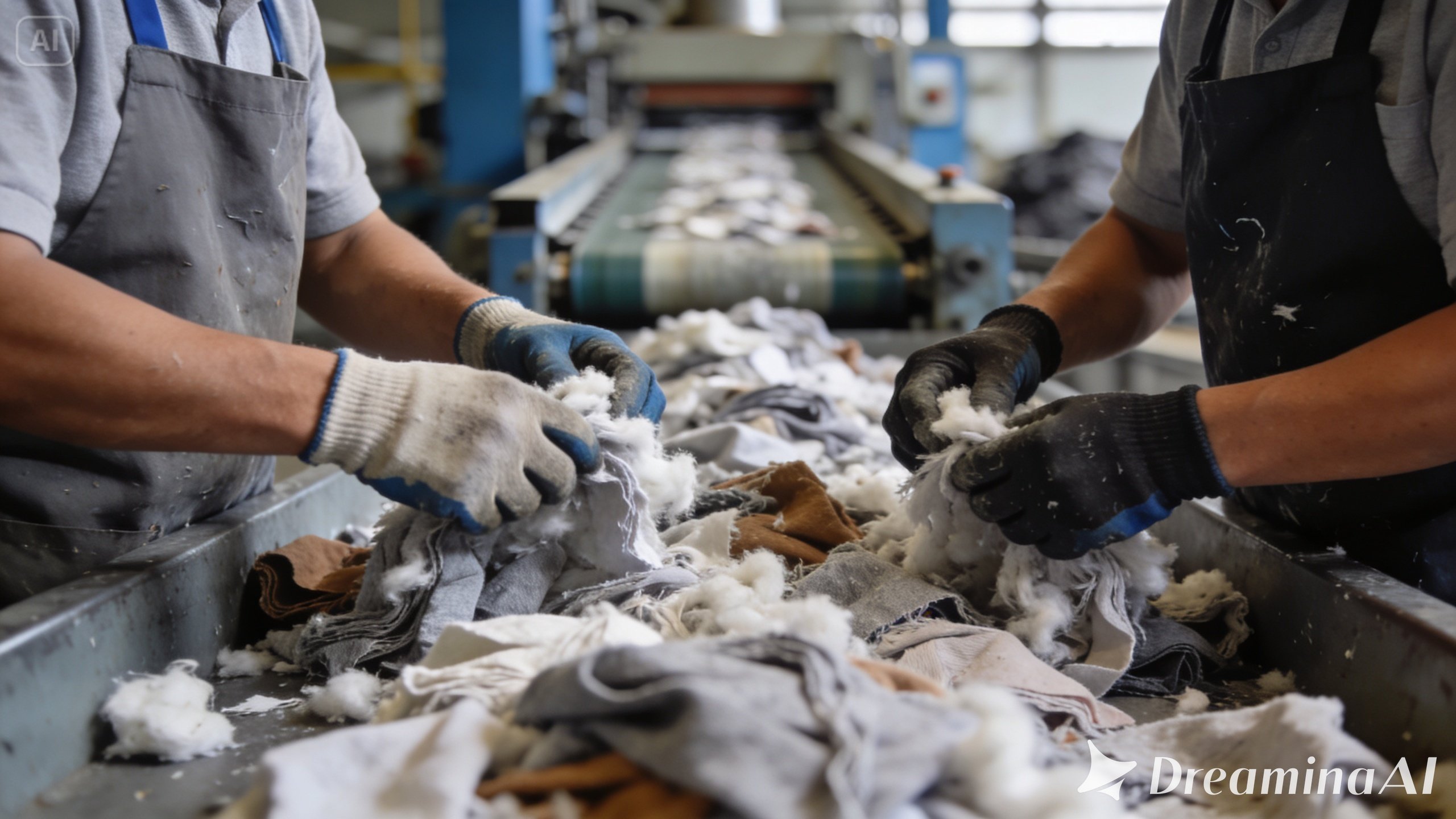
2. Sorting and Separation
Next, workers sort textiles based on:
- Fabric type
- Color
- Quality
- Fiber composition
Pure cotton materials move forward for rag production, while unsuitable synthetic fabrics are removed.
Because proper sorting improves quality, this stage plays a critical role.
3. Cleaning and Inspection
Workers clean the selected cotton materials to remove:
- Dust
- Threads
- Minor contaminants
They also inspect fabrics for damage and contamination. Consequently, only usable materials continue through production.
4. Cutting into Rag Sizes
After cleaning, workers cut fabrics into practical rag sizes depending on industrial requirements.
For example:
- Small squares for tool cleaning
- Medium cloths for maintenance work
- Large pieces for heavy machinery cleaning
Therefore, different industries receive customized cleaning materials.
5. Packaging and Distribution
Finally, suppliers package cotton rags into:
- Bales
- Pressed bundles
- Loose sacks
They then distribute them to industries such as:
- Automotive workshops
- Manufacturing plants
- Oil & gas facilities
- Marine operations
As a result, recycled textile waste becomes a valuable industrial product.
Benefits of Recycled Cotton Rags
1. Environmental Sustainability
Recycling prevents textile waste from reaching landfills. Therefore, businesses reduce environmental impact significantly.
2. Cost Efficiency
Recycled cotton rags cost less than many disposable cleaning products. Consequently, companies reduce MRO expenses.
3. High Cleaning Performance
Cotton fibers absorb oil, grease, and liquids effectively. As a result, recycled rags perform well in industrial cleaning applications.
4. Support for Circular Economy
Textile recycling creates a continuous reuse cycle:
Fabric Production → Textile Waste → Recycling → Cotton Rags → Industrial Reuse
Therefore, industries maximize resource value instead of wasting materials.
Industries That Depend on Recycled Cotton Rags
Many sectors rely on recycled cotton rags daily, including:
- Automotive industry
- Textile manufacturing
- Marine cleaning
- Machinery maintenance
- Facility management
Because these industries require durable cleaning materials, recycled cotton rags provide practical solutions.
Conclusion
Textile recycling transforms fabric waste into valuable cotton rags through collection, sorting, cleaning, and reuse. This process not only reduces waste but also supports sustainable industrial operations.
Ultimately, recycled cotton rags prove that textile waste still holds significant value when industries adopt smarter recycling practices.