Meta Description
Learn how cotton rags support a circular economy by transforming textile waste into reusable cleaning materials, reducing landfill waste, and promoting sustainable industrial practices.
Introduction
As industries increasingly focus on sustainability, the concept of a circular economy has gained significant attention. Unlike the traditional “take, make, and dispose” model, a circular economy promotes the continuous use of resources through reuse, recycling, and recovery. Consequently, businesses can reduce waste, conserve resources, and minimize environmental impact.
Among the many products that contribute to this model, cotton rags play an important role. By transforming textile waste into reusable cleaning materials, industries extend the life cycle of cotton fabrics and reduce the need for new raw materials. Therefore, cotton rags have become a practical example of how circular economy principles can work in real-world industrial applications.
What Is a Circular Economy?
A circular economy is an economic system that aims to eliminate waste and maximize resource efficiency. Instead of discarding products after use, businesses reuse, repair, recycle, or repurpose materials whenever possible.
As a result, valuable resources remain in circulation for longer periods. Furthermore, companies reduce their dependence on virgin raw materials while lowering waste management costs.
The circular economy follows a simple cycle:
Production → Use → Collection → Recycling → Reuse
Consequently, materials continue creating value rather than becoming waste.
How Cotton Waste Enters the Circular Economy
Textile manufacturing generates large amounts of cotton waste during production. For example, garment factories produce cutting scraps, fabric remnants, rejected materials, and surplus cotton fabrics.
Instead of sending these materials to landfills, recycling companies collect and process them into useful products. Therefore, cotton waste becomes a valuable resource rather than an environmental burden.
Moreover, industries can use recycled cotton materials in various applications, including industrial cleaning rags, insulation products, recycled yarn, and textile filling materials.
The Journey from Cotton Waste to Cotton Rags
Collection of Textile Waste
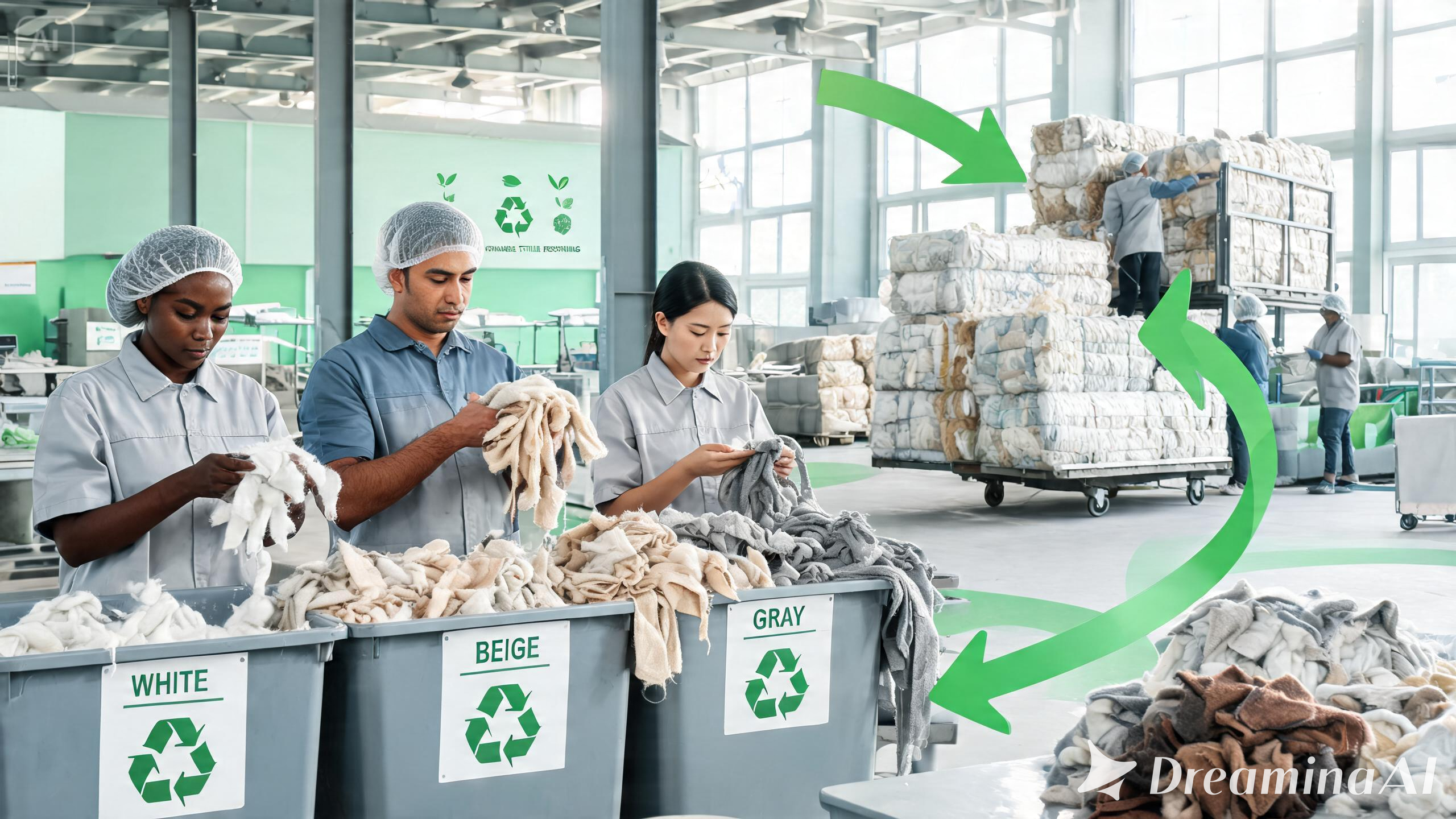
First, manufacturers collect cotton waste from garment factories, textile mills, and production facilities. These materials often include fabric offcuts and unused cotton pieces.
As a result, valuable cotton fibers are recovered before disposal.
Sorting and Processing
Next, workers sort the collected materials according to fabric type, color, and quality. Furthermore, they separate pure cotton fabrics from synthetic blends to improve recycling efficiency.
Consequently, the final product maintains better quality and performance.
Conversion into Cotton Rags
After sorting and cleaning, workers cut the cotton materials into usable rag sizes. Subsequently, suppliers package and distribute the rags to industries for cleaning and maintenance purposes.
Therefore, waste materials receive a second life through industrial reuse.
How Cotton Rags Support Circular Economy Goals
Reducing Textile Waste
Textile waste remains one of the biggest environmental challenges facing the industry today. However, cotton rag recycling helps divert large quantities of fabric waste from landfills.
As a result, businesses reduce environmental pressure and improve waste management practices.
Extending Material Life Cycles
Instead of using cotton fabric once and discarding it, industries reuse the material in the form of cleaning rags. Consequently, the useful life of cotton fibers extends significantly.
Furthermore, multiple reuse cycles maximize the value extracted from the original material.
Conserving Natural Resources
Producing new cotton requires water, land, energy, and labor. Therefore, recycling existing cotton materials reduces the demand for virgin cotton production.
As a result, industries conserve valuable natural resources while lowering environmental impact.
Supporting Sustainable Manufacturing
Many businesses now prioritize sustainable sourcing and environmentally responsible operations. Consequently, recycled cotton rags align perfectly with these goals.
Moreover, companies can strengthen their sustainability initiatives by incorporating recycled materials into daily operations.
Economic Benefits of Cotton Rag Recycling
A circular economy benefits businesses financially as well as environmentally.
By using recycled cotton rags, companies can:
- Reduce cleaning material costs
- Lower waste disposal expenses
- Improve resource efficiency
- Generate value from textile waste
- Support long-term sustainability goals
Therefore, cotton rag recycling creates both economic and environmental advantages.
Industries That Benefit from Recycled Cotton Rags
Many sectors actively participate in the circular textile economy through cotton rag usage, including:
- Automotive workshops
- Manufacturing plants
- Textile mills
- Marine operations
- Oil and gas facilities
- Maintenance departments
Because these industries require continuous cleaning and maintenance, recycled cotton rags provide an effective and sustainable solution.
Environmental Impact of Cotton Rag Recycling
The environmental benefits extend beyond waste reduction.
For example, recycled cotton rags help:
- Reduce landfill accumulation
- Lower carbon emissions
- Minimize textile pollution
- Promote resource conservation
Consequently, businesses contribute to a cleaner and more sustainable industrial ecosystem.
Conclusion
Cotton rags demonstrate how circular economy principles can create value from materials that might otherwise become waste. By recycling textile scraps into reusable cleaning products, industries reduce landfill waste, conserve resources, and improve sustainability performance.
Furthermore, recycled cotton rags provide cost-effective cleaning solutions while supporting responsible manufacturing practices. Ultimately, they play a vital role in building a more sustainable and resource-efficient circular textile economy.