Meta Description
Learn why textile mills should never throw away cotton waste. Discover how recycling cotton waste reduces costs, creates new revenue opportunities, supports sustainability, and strengthens the circular textile economy.
Introduction
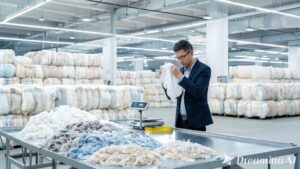
Every textile mill generates cotton waste during spinning, weaving, knitting, dyeing, cutting, and garment production. Traditionally, much of this waste has been discarded, creating additional disposal costs and increasing the burden on landfills. However, what many manufacturers consider “waste” is actually a valuable raw material with significant commercial potential.
Today, forward-thinking textile mills are adopting recycling and waste management strategies that transform cotton waste into profitable products. From industrial cotton rags and recycled yarn to insulation materials and nonwoven textiles, recycled cotton offers both environmental and economic benefits. Therefore, instead of throwing away cotton waste, textile mills can turn it into a valuable business asset.1§
What Is Cotton Waste?
Cotton waste refers to leftover cotton materials generated during textile manufacturing and garment production. Although these materials are no longer suitable for their original purpose, they still contain reusable cotton fibers that can be processed into new products.
Common sources of cotton waste include:
- Fabric cutting scraps
- Yarn waste
- Spinning waste
- Weaving leftovers
- Knitting offcuts
- Garment factory remnants
- Unsold cotton textiles
- Rejected cotton fabrics
Consequently, much of this material can be recycled instead of being discarded.
Why Throwing Away Cotton Waste Is a Mistake
Disposing of cotton waste may seem like the easiest option, but it often results in unnecessary costs and missed opportunities.
By sending reusable cotton to landfills, textile mills:
- Increase waste disposal expenses
- Lose valuable recyclable materials
- Miss additional revenue opportunities
- Create unnecessary environmental impact
Therefore, recycling cotton waste is a smarter and more sustainable business decision.
Business Benefits of Recycling Cotton Waste
1. Generate Additional Revenue
Cotton waste has significant commercial value.
Instead of paying to dispose of fabric scraps, textile mills can sell them to recycling companies or convert them into useful products.
Popular recycled products include:
- Industrial cotton rags
- Cleaning wipes
- Recycled yarn
- Furniture filling
- Mattress filling
- Nonwoven fabrics
- Insulation materials
As a result, waste becomes an additional source of income.
2. Reduce Waste Disposal Costs
Waste management can be expensive, especially for high-volume textile manufacturers.
Recycling reduces the amount of waste sent to landfills, lowering:
- Collection costs
- Transportation costs
- Disposal fees
Consequently, mills reduce operating expenses while improving resource efficiency.
3. Support Sustainable Manufacturing
Customers, investors, and international buyers increasingly expect businesses to operate responsibly.
By recycling cotton waste, textile mills:
- Reduce landfill waste
- Conserve natural resources
- Lower environmental impact
- Demonstrate sustainable manufacturing practices
Furthermore, sustainability initiatives strengthen a company’s reputation and competitiveness.
4. Improve Resource Efficiency
Producing new cotton requires substantial amounts of water, land, and energy.
Recycling existing cotton fibers helps businesses maximize the value of available resources while reducing dependence on virgin materials.
Therefore, recycling supports more efficient and responsible production.
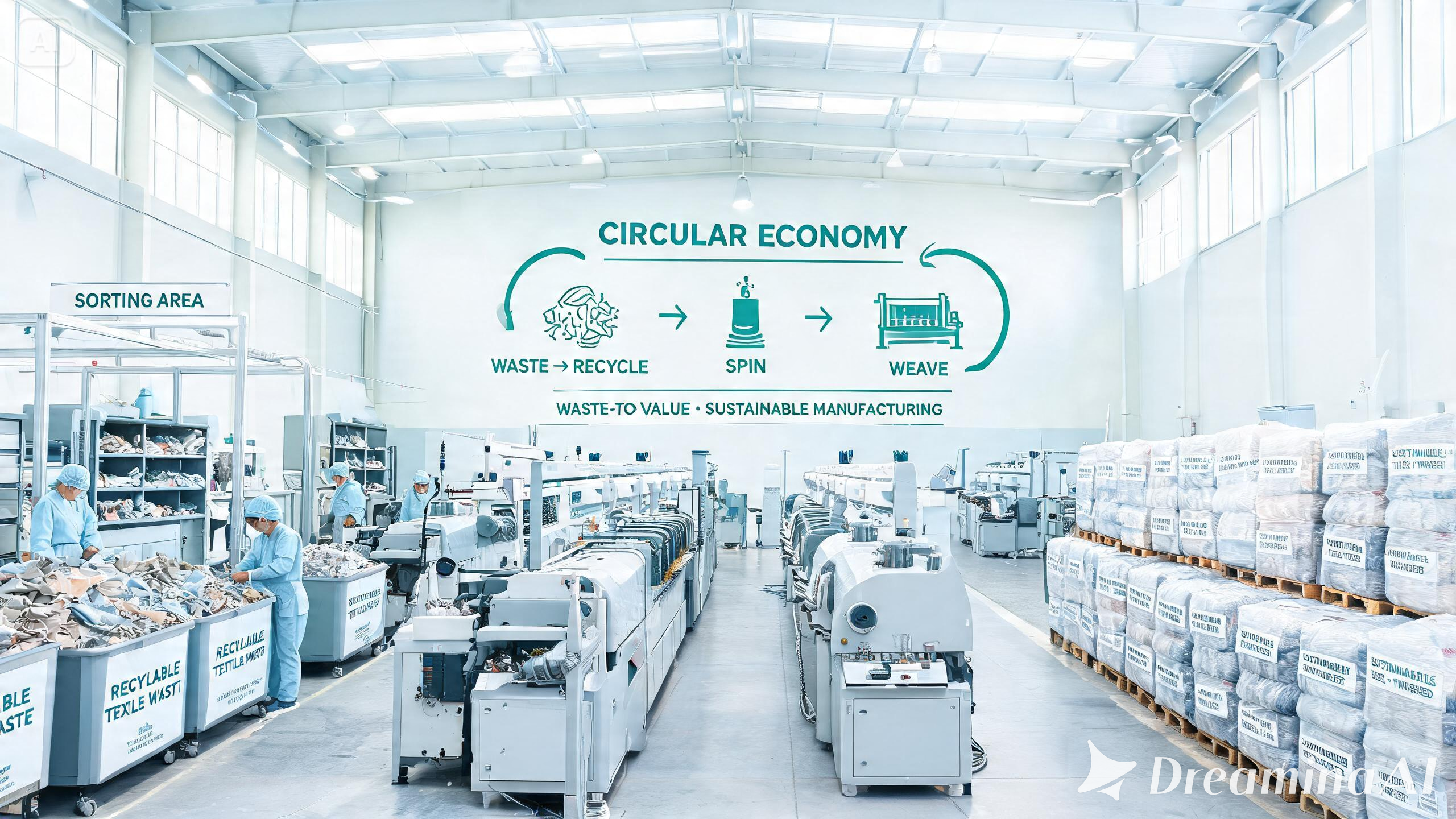
5. Strengthen the Circular Economy
The circular economy focuses on keeping materials in use for as long as possible.
Instead of following the traditional model of:
Produce → Use → Dispose
Businesses adopt a more sustainable cycle:
Produce → Use → Collect → Recycle → Reuse
Consequently, valuable cotton fibers continue generating value throughout multiple life cycles.
Valuable Products Made from Cotton Waste
Recycled cotton can be transformed into a wide range of products, including:
- Industrial cleaning rags
- Recycled cotton wipes
- Recycled yarn
- Upholstery filling
- Automotive insulation
- Packaging materials
- Sound insulation products
- Cleaning cloths
Because of this versatility, recycled cotton serves numerous industries.
Industries That Purchase Recycled Cotton Products
Many industries actively buy products made from recycled cotton, including:
- Manufacturing
- Automotive
- Marine
- Oil and gas
- Construction
- Hospitality
- Healthcare
- Furniture manufacturing
- Printing
- Warehousing
Consequently, demand for recycled cotton products continues to grow in both domestic and international markets.
Best Practices for Managing Cotton Waste
To maximize the value of cotton waste, textile mills should:
- Separate cotton from synthetic fabrics.
- Sort waste by color and quality.
- Store cotton waste in clean, dry areas.
- Prevent contamination during collection.
- Partner with reliable textile recycling companies.
- Monitor waste generation regularly.
Furthermore, employee training can improve waste handling and recycling efficiency.
The Long-Term Business Value of Cotton Waste Recycling
Investing in cotton waste recycling provides several long-term advantages:
- Lower operational costs
- New revenue opportunities
- Better environmental performance
- Stronger relationships with eco-conscious buyers
- Improved compliance with environmental regulations
- Enhanced corporate reputation
As sustainability becomes a competitive advantage, businesses that recycle cotton waste position themselves for long-term success.
Conclusion
Cotton waste should never be viewed as a disposal problem. Instead, it is a valuable resource that can generate additional revenue, reduce operating costs, and support sustainable manufacturing. By recycling cotton waste into industrial cleaning rags, recycled yarn, insulation materials, and other useful products, textile mills can unlock new business opportunities while protecting the environment.
Furthermore, adopting effective waste management and recycling practices helps businesses strengthen their market position, improve operational efficiency, and contribute to a circular textile economy. Ultimately, textile mills that recognize the value of cotton waste today will be better prepared for the sustainable industries of tomorrow.