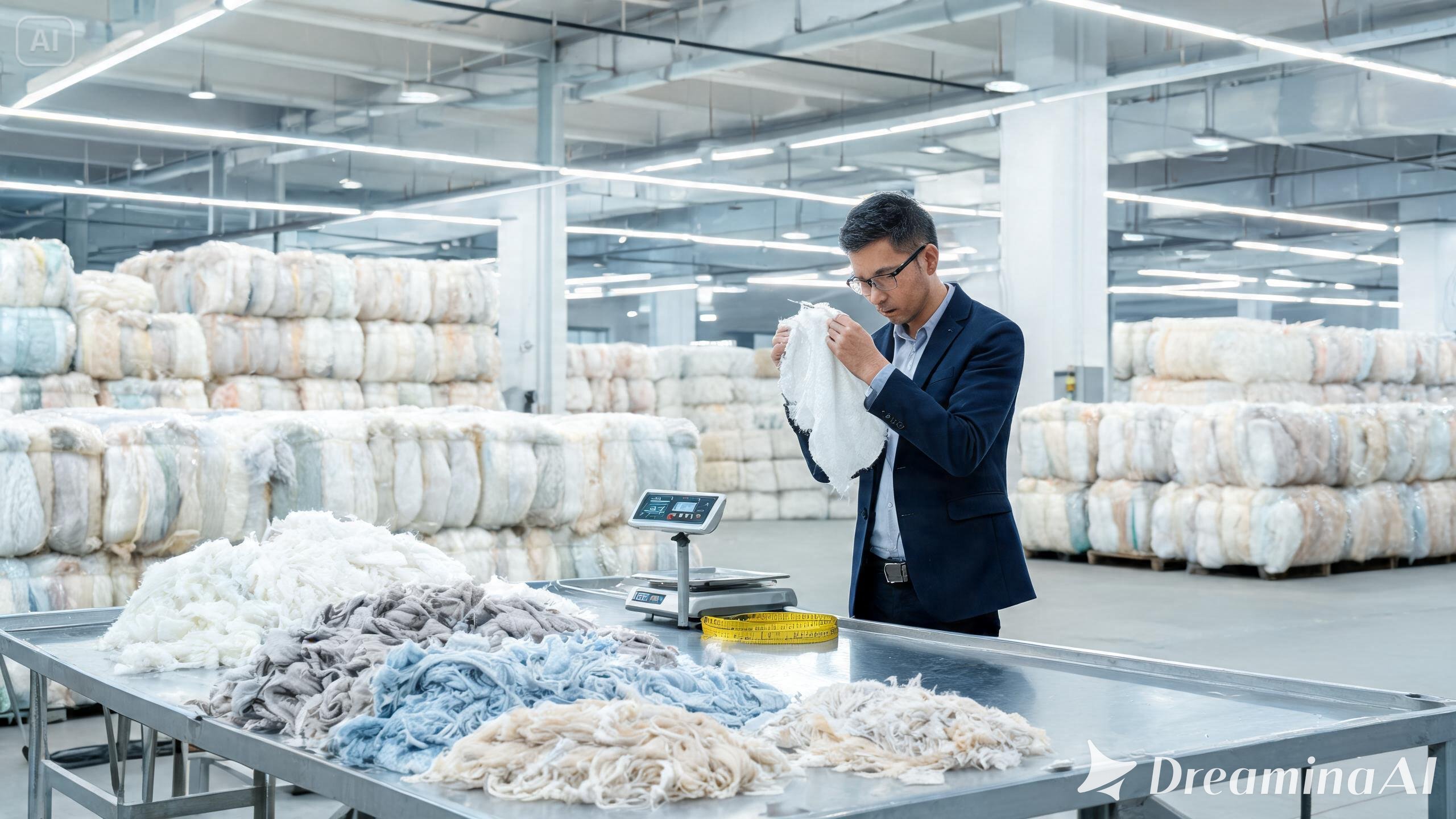
Meta Description
Avoid costly purchasing mistakes with our guide to buying cotton rags. Learn how to evaluate quality, cotton content, absorbency, lint, sizing, contamination, packaging, and suppliers.
Introduction
Cotton rags are widely used across manufacturing plants, automotive workshops, textile mills, marine facilities, warehouses, and other industrial environments. Because they are used for everything from oil and grease removal to machinery maintenance and spill management, choosing the right product is essential for efficient cleaning.
However, many buyers focus only on price and overlook important factors such as material composition, absorbency, lint level, cleanliness, sizing, and supplier reliability. As a result, businesses may receive cotton rags that do not perform as expected, leading to higher consumption, wasted time, and unnecessary costs.
Understanding these common purchasing mistakes can help businesses make better decisions and select cotton rags that provide consistent performance and value.
1. Choosing the Cheapest Option
One of the most common mistakes is selecting a supplier based solely on the lowest price.
Although a cheaper product may appear attractive initially, poor-quality rags can have:
- Low absorbency
- Weak fabric
- Excessive lint
- Inconsistent sizing
- Unwanted synthetic materials
Consequently, workers may need to use more rags to complete the same cleaning task.
Therefore, buyers should compare overall value, rather than simply choosing the lowest price per kilogram.
2. Not Checking Cotton Content
The word “cotton” does not automatically mean that a product is made entirely from cotton.
Recycled textile streams can contain different fiber compositions. Therefore, buyers should ask suppliers about the actual material composition before purchasing.
High cotton content is generally desirable when the application requires strong absorbency and natural fiber performance.
3. Buying Without Testing Samples
Another common mistake is placing a large order without testing the product first.
A sample allows buyers to evaluate:
- Absorbency
- Fabric strength
- Lint level
- Size
- Cleanliness
- Overall suitability
Furthermore, testing the rags in the actual working environment provides a much better indication of how they will perform.
4. Ignoring the Intended Application
Different cleaning jobs require different types of cotton rags.
For example:
- Heavy-duty machinery cleaning may require durable cotton rags.
- Liquid spills may require highly absorbent materials.
- Precision applications may require low-lint rags.
- General housekeeping may require economical mixed cotton rags.
Consequently, buying a single rag type for every application may not be the most efficient approach.
5. Overlooking Lint Level
Lint can become a problem when loose fibers remain on cleaned surfaces.
This is particularly important for:
- Painting
- Polishing
- Electronics
- Printing
- Precision equipment
Therefore, buyers should ask about lint characteristics when purchasing rags for sensitive applications.
6. Failing to Check for Contamination
Industrial cotton rags should be properly sorted and inspected before use.
Buyers should watch for unwanted materials such as:
- Plastic
- Metal
- Buttons
- Zippers
- Excessive dirt
- Synthetic fabric
As a result, supplier quality-control procedures are an important consideration when purchasing recycled cotton rags.
7. Ignoring Moisture and Storage Conditions
Moisture can negatively affect stored cotton rags.
If products are exposed to excessive humidity or poor warehouse conditions, they may develop unpleasant odors or other quality problems.
Therefore, buyers should ensure that cotton rags are properly dried, packaged, transported, and stored in clean, dry conditions.
8. Not Considering Rag Size
Rag size can directly affect cleaning efficiency.
Small pieces may work well for detailed cleaning, while larger pieces can be more practical for machinery and spill management.
Consequently, buyers should specify their preferred dimensions and acceptable size variation before placing an order.
9. Buying More Than the Business Can Store
Bulk purchasing can reduce costs, but ordering excessive quantities can create unnecessary storage problems.
Cotton rags require:
- Clean storage space
- Protection from moisture
- Protection from dust
- Proper inventory organization
Therefore, buyers should calculate their average consumption before placing very large orders.
10. Choosing a Supplier Based Only on Price
A supplier’s reliability is just as important as its pricing.
Before selecting a supplier, buyers should consider:
- Product consistency
- Production capacity
- Delivery performance
- Quality-control procedures
- Packaging options
- Customer service
Furthermore, a reliable supplier can maintain consistent specifications across repeat orders.
11. Not Confirming Packaging Requirements
Poor packaging can expose cotton rags to moisture, dust, and contamination during transportation.
Before ordering, buyers should confirm:
- Packaging type
- Bale or bag weight
- Compression requirements
- Pallet requirements
- Labeling
- Protection during shipping
Consequently, clear packaging specifications help ensure products arrive in good condition.
12. Failing to Compare Suppliers Properly
Comparing only the price of two suppliers does not provide a complete picture.
Instead, compare:
| Factor | What to Check |
|---|---|
| Material | Cotton content and fabric type |
| Absorbency | Performance for intended application |
| Lint | Low, medium, or high |
| Cleanliness | Sorting and contamination control |
| Size | Consistency and dimensions |
| Packaging | Protection and shipment suitability |
| Supply | Production capacity |
| Delivery | Lead time and reliability |
| Price | Cost relative to quality |
As a result, buyers can make purchasing decisions based on total value rather than price alone.
How to Avoid These Mistakes
Before placing an order, follow these simple steps:
Step 1: Define Your Application
Determine exactly what the cotton rags will be used for.
Step 2: Establish Specifications
Specify cotton content, size, color, absorbency, lint level, and packaging requirements.
Step 3: Request Samples
Test samples before committing to a large order.
Step 4: Evaluate the Supplier
Check production capacity, quality control, communication, and delivery reliability.
Step 5: Start With a Trial Order
A smaller initial shipment can help verify consistency before establishing a long-term supply arrangement.
Step 6: Monitor Repeat Orders
Make sure subsequent shipments continue to meet the agreed specifications.
Why the Right Supplier Makes a Difference
A dependable cotton rag supplier should provide consistent products and transparent specifications.
A strong supplier relationship can help businesses achieve:
- Stable product quality
- Reliable supply
- Better purchasing planning
- Fewer quality complaints
- Reduced operational disruptions
- Long-term cost efficiency
Furthermore, experienced suppliers can often recommend the most appropriate rag type based on the buyer’s specific application.
Conclusion
Buying cotton rags may seem straightforward, but selecting the wrong product can lead to higher costs, poor cleaning performance, and unnecessary supply problems. Common mistakes include choosing the cheapest option, ignoring cotton content, skipping sample testing, overlooking lint and contamination, and failing to evaluate supplier reliability.
By clearly defining requirements, testing samples, comparing suppliers based on overall value, and establishing proper quality specifications, businesses can avoid these problems.
Ultimately, the goal is not simply to buy cotton rags at the lowest possible price. Instead, buyers should choose the right quality, the right product, and the right supplier to achieve reliable performance and long-term value.