Meta Description:
Discover how cotton rags are transformed from waste into valuable resources through automated textile recycling. Learn about sustainable processes, environmental benefits, and innovative sorting techniques.
Introduction
The textile industry long treated cotton rags as a simple byproduct. However, recent studies and industry practices now recognize them as a valuable resource for textile recycling. As sustainability becomes a global priority, companies increasingly adopt automated sorting and recycling processes. These processes reduce textile waste and efficiently reintegrate recycled cotton rags into the production cycle.
The Growing Importance of Textile Recycling
Industries and environmental organizations widely promote textile recycling because textile waste severely impacts the environment. Every year, people discard millions of tons of fabric. Consequently, landfills overflow, and companies deplete natural resources. Recycling cotton rags diverts waste from landfills and significantly reduces the demand for virgin cotton. Moreover, recycling processes minimize energy and water consumption. Therefore, the industry increasingly views textile recycling as a practical solution for achieving sustainability goals.
What Are Recycled Cotton Rags?
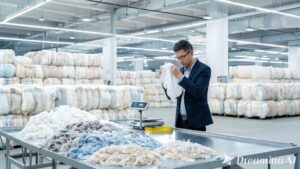
Manufacturers produce recycled cotton rags from post-industrial and post-consumer cotton waste. Workers or machines collect, sort, and process these materials before reusing them. In most cases, companies convert old garments, factory offcuts, and unused textiles into reusable cotton rags. As a result, industries such as manufacturing, automotive, and cleaning widely use these rags. Additionally, their durability and absorbency make people prefer them as an eco-friendly alternative to disposable materials.
Automated Sorting in Textile Recycling
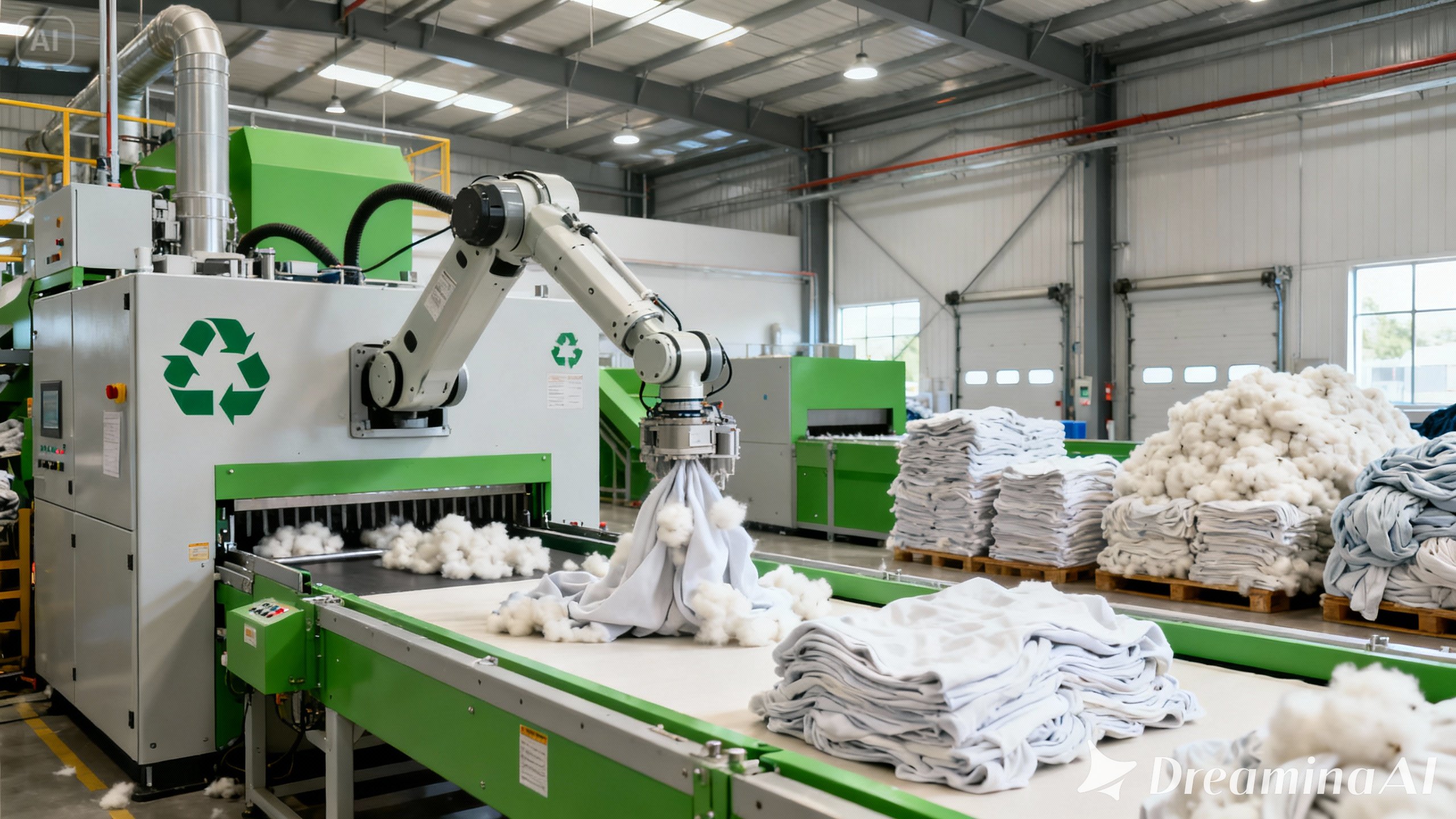
Automated sorting has revolutionized textile recycling. Traditionally, workers sorted textiles manually, which consumed a lot of time and proved inefficient. However, companies now implement advanced technologies to improve the process. For instance, NIR scanners identify fabric types, while artificial intelligence systems detect color, fiber composition, and fabric condition. Consequently, sorting systems separate cotton rags with higher accuracy and speed. Furthermore, automation reduces human error, allowing manufacturers to consistently produce higher-quality recycled cotton rags.
Recycling Processes for Cotton Rags
After workers complete the sorting, they process cotton rags through several recycling stages. First, machines shred the materials into smaller fibers. Then, operators remove contaminants such as buttons and zippers. Next, they clean and refine the fibers. In many facilities, manufacturers spin recycled cotton fibers into new yarns or compress them into industrial-grade cotton rags. As a result, companies extend the lifecycle of cotton and significantly minimize waste.
Environmental Benefits of Recycling Cotton Rags
We cannot overstate the environmental benefits of textile recycling. Recycling cotton rags drastically reduces water usage, since cotton cultivation consumes large amounts of water. Additionally, recycling releases fewer chemicals into the environment. Moreover, it lowers greenhouse gas emissions because recycling consumes less energy than producing new textiles. Therefore, recycling cotton rags plays a vital role in helping combat climate change
The Future of Textile Recycling
As technology continues to advance, experts expect textile recycling processes to become even more efficient. Companies are improving automated sorting systems and increasing investment in recycling infrastructure. Consequently, manufacturers will produce higher volumes of recycled cotton rags. In the future, the industry will achieve a circular textile economy. In such a system, people will no longer consider cotton rags as waste. Instead, industries will treat them as valuable raw materials.
Conclusion
In conclusion, cotton rags play a crucial role in the textile recycling spotlight. Automated sorting and advanced recycling processes transform textile waste into reusable resources. Therefore, recycled cotton rags not only support sustainability but also reshape the future of the textile industry. By adopting textile recycling practices today, we ensure a cleaner and more sustainable tomorrow.