Meta Description
Learn how to identify premium quality cotton rags during procurement with a checklist covering GSM, stitching, contamination, and absorbency for better performance.
Introduction
Procurement teams often focus on price when purchasing cotton rags. However, quality directly impacts cleaning efficiency, durability, and long-term cost. Therefore, buyers must evaluate cotton rags carefully before placing bulk orders.
Premium-quality cotton rags deliver better absorbency, reduce material waste, and improve industrial performance. In contrast, low-quality rags increase consumption and disrupt operations. This guide explains how to identify high-quality cotton rags using practical evaluation criteria such as GSM, stitching, and contamination control.
Why Quality Matters in Cotton Rag Procurement
High-quality cotton rags improve cleaning speed and reduce the number of rags required per task. As a result, businesses lower operational costs over time.
Moreover, consistent quality ensures reliable performance across different applications, including oil wiping, polishing, and maintenance. Therefore, procurement teams should follow a structured checklist before finalizing suppliers.
Key Factors to Identify Premium Cotton Rags
1. Fabric Composition (100% Cotton vs Blends)
First, check the fabric composition. Premium rags use 100% cotton fibers, which provide superior absorbency and softness.
In contrast, blended fabrics often contain polyester or synthetic fibers. These materials reduce absorbency and may leave residues during cleaning. Therefore, always confirm material purity with suppliers.
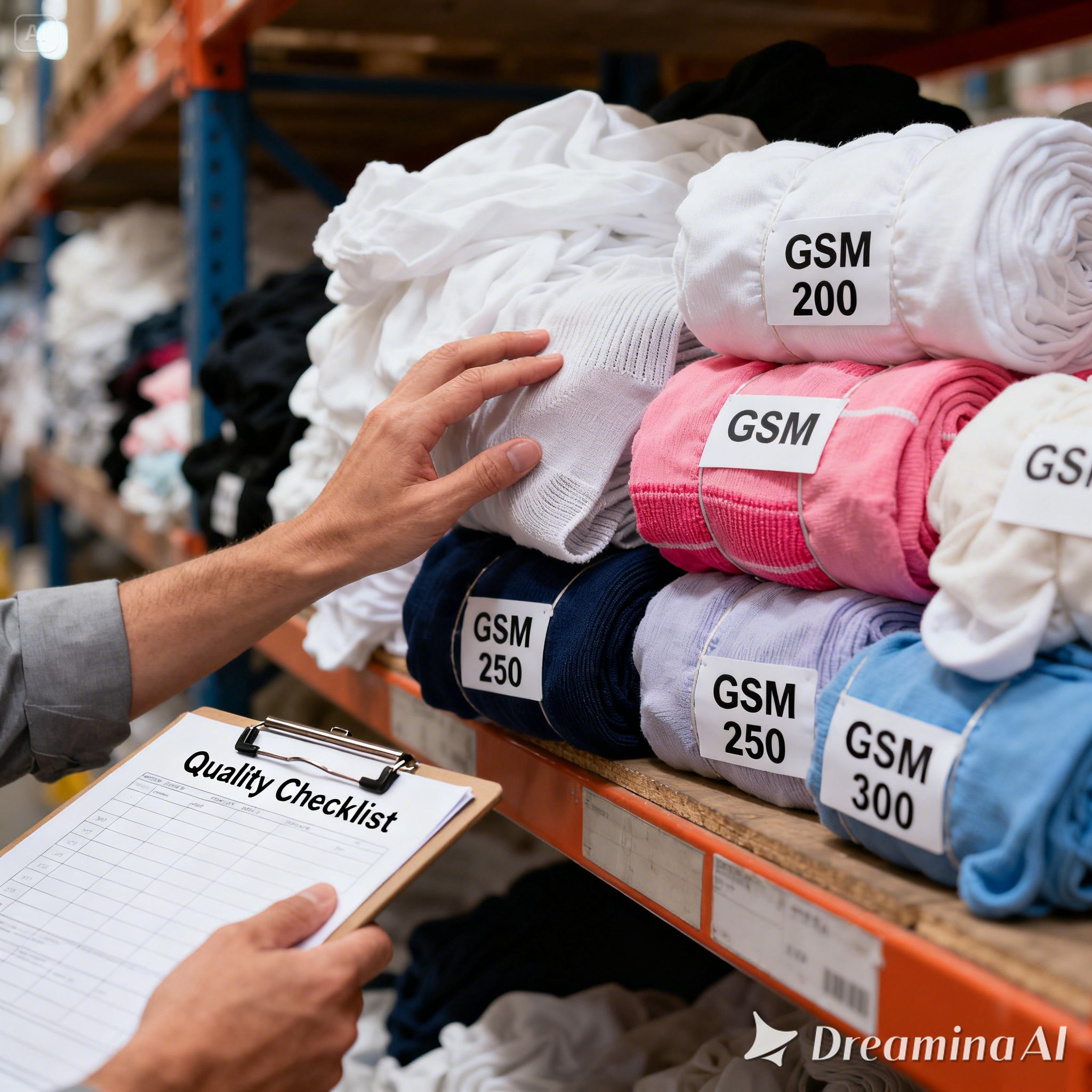
2. GSM (Grams per Square Meter)
GSM measures fabric thickness and density. It directly affects absorbency and durability.
- Low GSM (100–150) → Lightweight, suitable for light cleaning
- Medium GSM (150–250) → Balanced performance for general use
- High GSM (250+) → Thick, highly absorbent, ideal for heavy oil cleaning
Therefore, for industrial applications, choose medium to high GSM cotton rags to ensure better performance.
3. Stitching and Cut Quality
Next, examine stitching and cutting standards. Premium suppliers provide:
- Neatly cut edges
- Minimal loose threads
- Consistent sizing
Poorly cut rags often shed fibers and reduce cleaning efficiency. Additionally, uneven sizes create inconvenience during usage. Therefore, consistent cutting improves both usability and product quality.
4. Contamination and Cleanliness
Contamination remains one of the most critical quality concerns. Buyers must ensure that cotton rags are free from:
- Metal pieces (zippers, buttons)
- Plastic materials
- Oil or chemical residues (unless specified)
- Excessive dirt or dust
Reliable suppliers sort and clean materials before packaging. Consequently, contamination risks decrease significantly.
5. Lint Level and Fiber Shedding
Lint affects performance, especially in sensitive environments such as printing, electronics, and polishing.
Premium cotton rags produce low lint and maintain fiber integrity during use. Therefore, always test samples by wiping smooth surfaces to check fiber shedding.
6. Absorbency Test
Absorbency determines how effectively rags handle oil, water, and grease.
To test:
- Pour a small amount of liquid on the fabric
- Observe how quickly it absorbs
- Check if the rag holds the liquid without dripping
High-quality cotton rags absorb quickly and retain liquids efficiently. As a result, workers use fewer rags per task.
7. Packaging and Sorting Standards
Professional suppliers maintain proper sorting and packaging systems. For example:
- Separate grades (white, colored, hosiery)
- Clearly labeled bundles
- Clean and dry packaging
Good packaging protects rags from contamination during storage and transport. Therefore, it reflects supplier reliability.
Quick Procurement Checklist
Before purchasing, verify the following:
- ✔ 100% cotton material
- ✔ مناسب GSM for your application
- ✔ Clean and contamination-free
- ✔ Low lint and strong fibers
- ✔ Proper cutting and sizing
- ✔ High absorbency performance
- ✔ Organized packaging
Common Mistakes to Avoid
Although many buyers focus on price, this approach often leads to poor results. Avoid these mistakes:
- Choosing the cheapest supplier without quality checks
- Ignoring contamination risks
- Skipping sample testing
- Overlooking GSM and fabric type
Instead, prioritize performance and long-term value.
Conclusion
Identifying premium quality cotton rags requires careful evaluation of fabric composition, GSM, stitching, contamination, and absorbency. When procurement teams follow a structured checklist, they secure better performance and reduce long term costs.
Ultimately, high quality cotton rags improve cleaning efficiency, support industrial operations, and deliver consistent results across applications.