Meta Description
Discover why mechanics prefer heavy GSM cotton rags for deep cleaning, with analysis of absorbency, strength, and reuse cycles for better performance.
Introduction
Mechanics work in environments filled with oil, grease, and stubborn residues. Therefore, they need cleaning materials that can handle tough conditions without failing. While many options exist, heavy GSM cotton rags consistently stand out.
Because GSM (grams per square meter) directly affects thickness and absorbency, mechanics often prefer higher GSM cotton rags for deep cleaning tasks. This review explains how GSM, strength, and reuse cycles influence performance in automotive and industrial settings.
What Does GSM Mean in Cotton Rags?
GSM measures the weight and density of fabric. In simple terms, higher GSM means thicker and heavier material.
- Low GSM (100–150) → thin, light-duty cleaning
- Medium GSM (150–250) → general-purpose wiping
- High GSM (250+) → heavy-duty cleaning
Therefore, when mechanics deal with thick grease and oil, they naturally choose higher GSM cotton rags.
Why Mechanics Prefer Heavy GSM Cotton Rags
1. Superior Oil and Grease Absorption
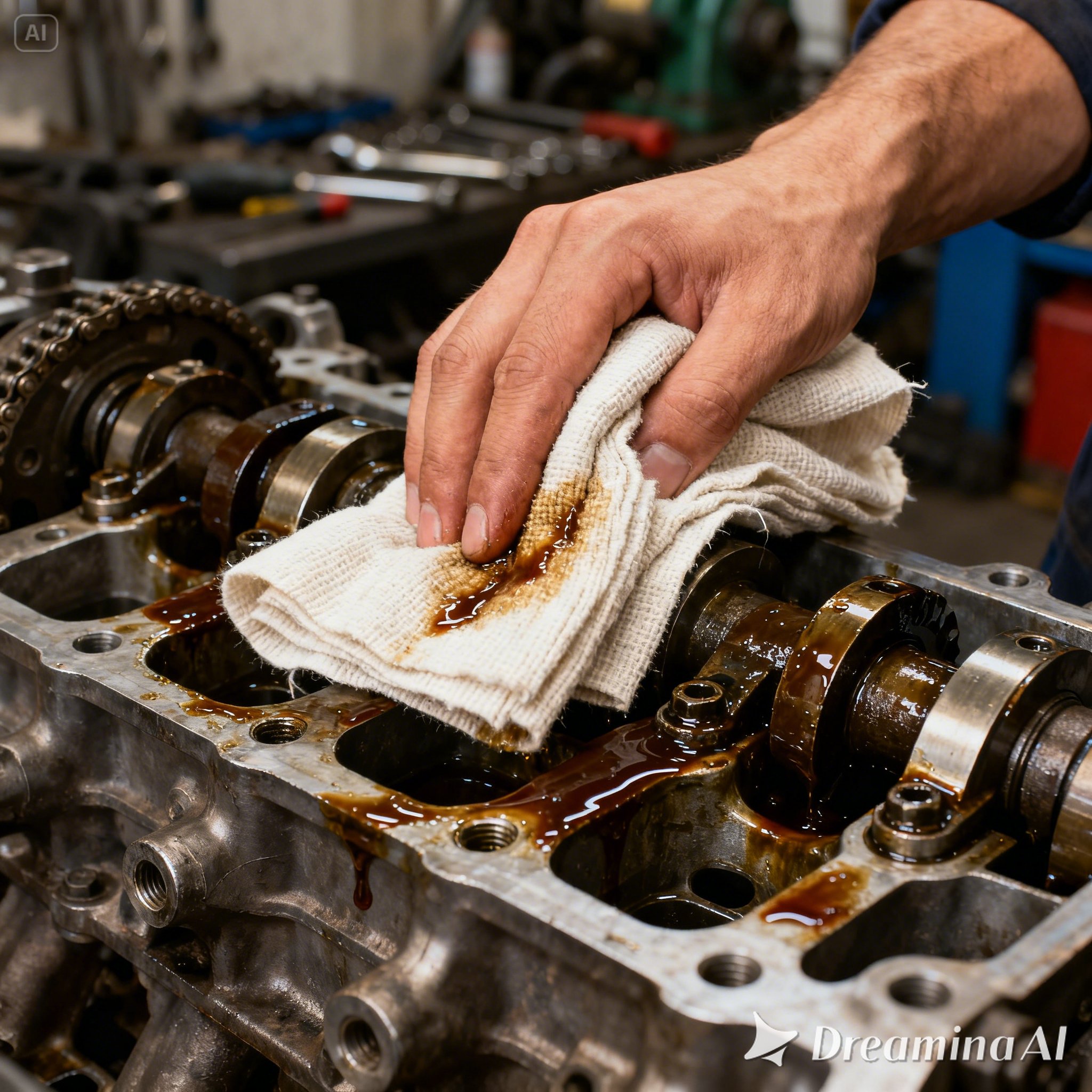
Heavy GSM cotton rags contain dense fibers that absorb oil quickly. As a result, mechanics can clean engine parts and tools more efficiently.
In contrast, thin materials often require multiple wipes, which slows down work.
2. Strong Fabric Structure
Higher GSM fabrics provide better strength. Mechanics often scrub hard surfaces, including metal parts and machinery components.
Because heavy cotton rags resist tearing, they perform reliably even under pressure.
3. Better Grip and Handling
Thicker cotton rags offer improved grip. Therefore, mechanics can hold tools and wipe surfaces more effectively, even when working with oil-covered parts.
Feature Analysis: GSM, Strength, and Performance
GSM vs Cleaning Efficiency
Higher GSM improves absorbency and reduces the number of rags required per task. Consequently, mechanics save both time and material.
Strength and Durability
Heavy GSM cotton rags maintain structure even after repeated use. As a result, they handle scrubbing, twisting, and squeezing without damage.
Reuse Cycles
One of the biggest advantages is reusability. Mechanics can wash heavy GSM cotton rags multiple times.
- Low GSM → fewer reuse cycles
- High GSM → longer lifespan
Therefore, although high GSM rags cost more initially, they reduce long-term expenses.
Cost vs Performance Balance
At first glance, heavy GSM cotton rags may seem expensive. However, their durability and reusability lower the cost per use.
For example:
- Fewer replacements required
- Better cleaning in fewer wipes
- Reduced waste
Consequently, workshops achieve better efficiency and cost savings over time.
Where Heavy GSM Cotton Rags Work Best
Mechanics commonly use them in:
- Engine cleaning
- Oil spill removal
- Tool maintenance
- Machinery servicing
- Industrial equipment cleaning
Because these tasks require strength and absorbency, heavy GSM rags perform better than lighter alternatives.
Choosing the Right GSM for Your Workshop
To get the best results, mechanics should:
- Select 250+ GSM for heavy oil and grease
- Use medium GSM for general cleaning
- Avoid low GSM for industrial applications
Additionally, buyers should test samples before bulk purchasing.
Conclusion
Heavy GSM cotton rags offer superior performance in deep cleaning tasks. Their high absorbency, strong structure, and long reuse cycles make them ideal for mechanics and industrial workers.
Ultimately, when workshops invest in high GSM cotton rags, they improve efficiency, reduce costs, and achieve better cleaning results in demanding environments.