Meta Description
Compare Pakistani cotton rags vs Chinese cloth waste to understand differences in fabric quality, absorbency, durability, and cost efficiency for industrial use.
Introduction
Global buyers often compare sourcing options when purchasing cotton rags. Among the most common choices are Pakistani cotton rags and Chinese cloth waste. Although both serve industrial cleaning purposes, they differ significantly in quality, performance, and reliability.
Therefore, understanding these differences helps buyers make better procurement decisions. This comparison highlights why many industries prefer Pakistani cotton rags over Chinese cloth waste.
1. Fiber Quality and Composition
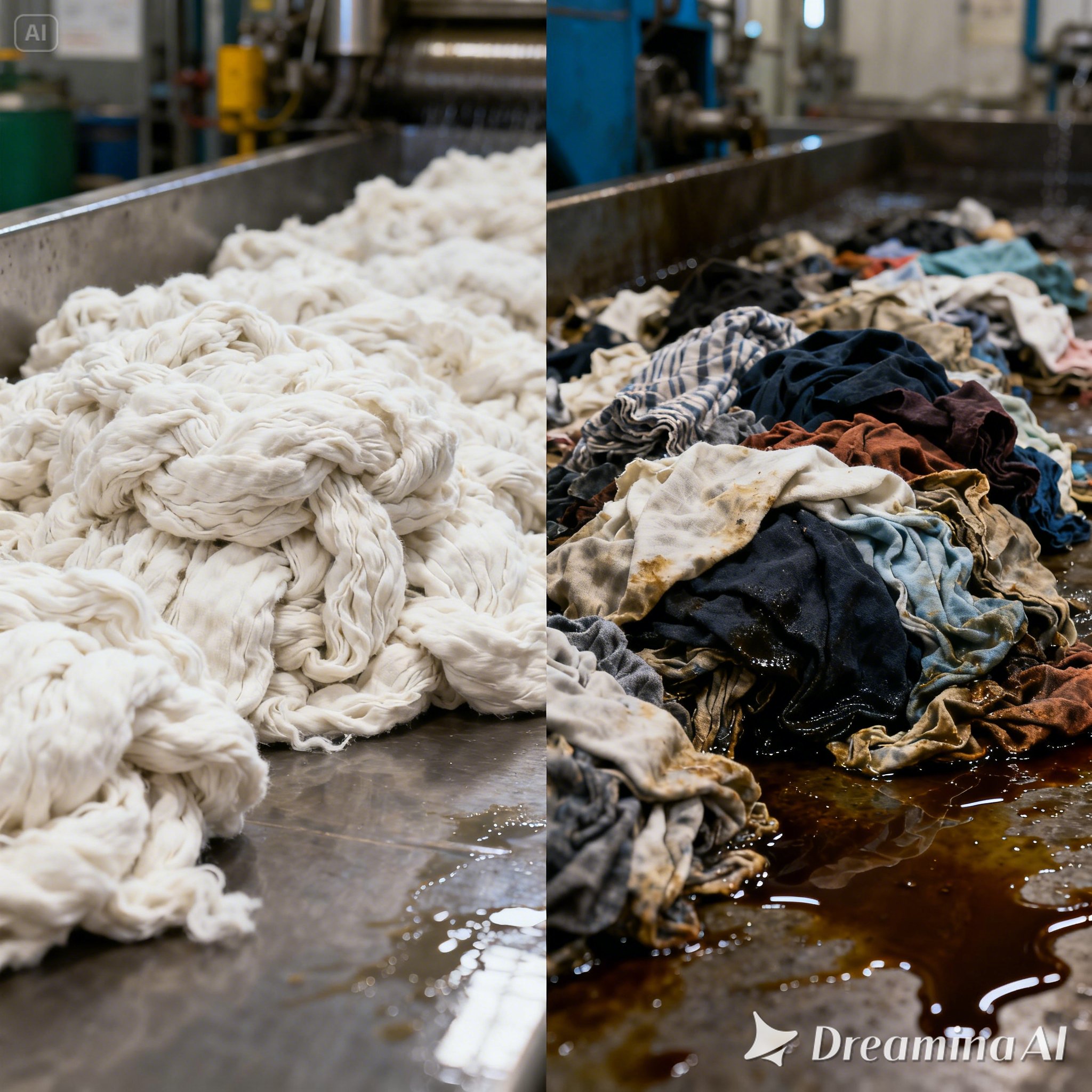
Pakistan produces high-quality cotton known for its long and strong fibers. As a result, cotton rags made from Pakistani textile waste offer better absorbency and durability.
In contrast, Chinese cloth waste often includes a higher percentage of mixed or synthetic fabrics. Consequently, these materials reduce absorbency and may not perform well in heavy-duty cleaning tasks.
2. Absorbency Performance
Absorbency plays a critical role in industrial cleaning. Pakistani cotton rags absorb oil, grease, and liquids quickly due to their natural fiber structure.
However, mixed-fabric cloth waste from China may repel certain liquids or require multiple wipes. Therefore, users often consume more material, which increases overall costs.
3. Fabric Consistency and Sorting
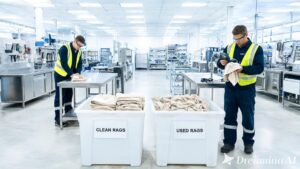
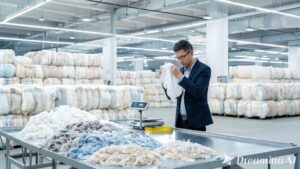
Suppliers in Pakistan typically sort cotton rags carefully based on:
- Fabric type
- Color
- Quality grade
Because of this structured sorting, buyers receive consistent products.
On the other hand, Chinese cloth waste may contain mixed materials with less consistent grading. As a result, quality can vary between batches.
4. Strength and Durability
Pakistani cotton rags offer strong fabric structure due to pure cotton composition. Therefore, they withstand scrubbing, twisting, and repeated use.
In comparison, blended or synthetic-heavy cloth waste often tears more easily under pressure. Consequently, users replace them more frequently.
5. Reusability and Cost Efficiency
Although Pakistani cotton rags may cost slightly more upfront, they last longer and can be reused multiple times.
Therefore:
- Fewer replacements are needed
- Cost per use becomes lower
Conversely, lower-quality cloth waste may seem cheaper initially but increases long-term expenses due to frequent disposal.
6. Lint and Surface Safety
High-quality cotton rags from Pakistan produce controlled lint levels. This feature makes them suitable for polishing, printing, and sensitive cleaning tasks.
However, mixed cloth waste may release inconsistent fibers. As a result, it can affect surface finish and cleaning quality.
7. Sustainability and Recycling
Pakistan’s textile industry generates large volumes of cotton waste, which recycling units convert into reusable rags. Consequently, this supports a circular economy and reduces landfill waste.
Although China also recycles textile waste, mixed-fabric content often limits recyclability and environmental benefits.
8. Industrial Preference and Market Demand
Industries such as automotive, oil & gas, marine, and manufacturing often prefer Pakistani cotton rags because they deliver consistent performance.
Therefore, many global buyers choose Pakistan as a reliable sourcing destination for high-quality cotton rags.
Conclusion
Pakistani cotton rags stand out due to superior fiber quality, high absorbency, strong durability, and consistent sorting. While Chinese cloth waste may offer lower upfront costs, it often lacks the performance and reliability required for industrial use.
Ultimately, when businesses prioritize efficiency, reusability, and long-term value, Pakistani cotton rags prove to be the better choice.