Meta Description
Learn why recycled cotton rags are better for the environment through waste reduction, reuse, lower carbon footprint, and sustainable industrial cleaning practices.
Introduction
Industries use large amounts of cleaning materials every day. However, disposable wipes and paper-based products create significant waste and increase environmental pressure. Therefore, many businesses now prefer recycled cotton rags as a more sustainable cleaning solution.
Recycled cotton rags reduce textile waste, support reuse, and lower the demand for new raw materials. As a result, they help industries improve cleaning performance while protecting the environment.
What Are Recycled Cotton Rags?
Recycled cotton rags come from reused textile materials such as:
- Garment factory scraps
- Old cotton clothing
- Textile cutting waste
- Surplus fabric materials
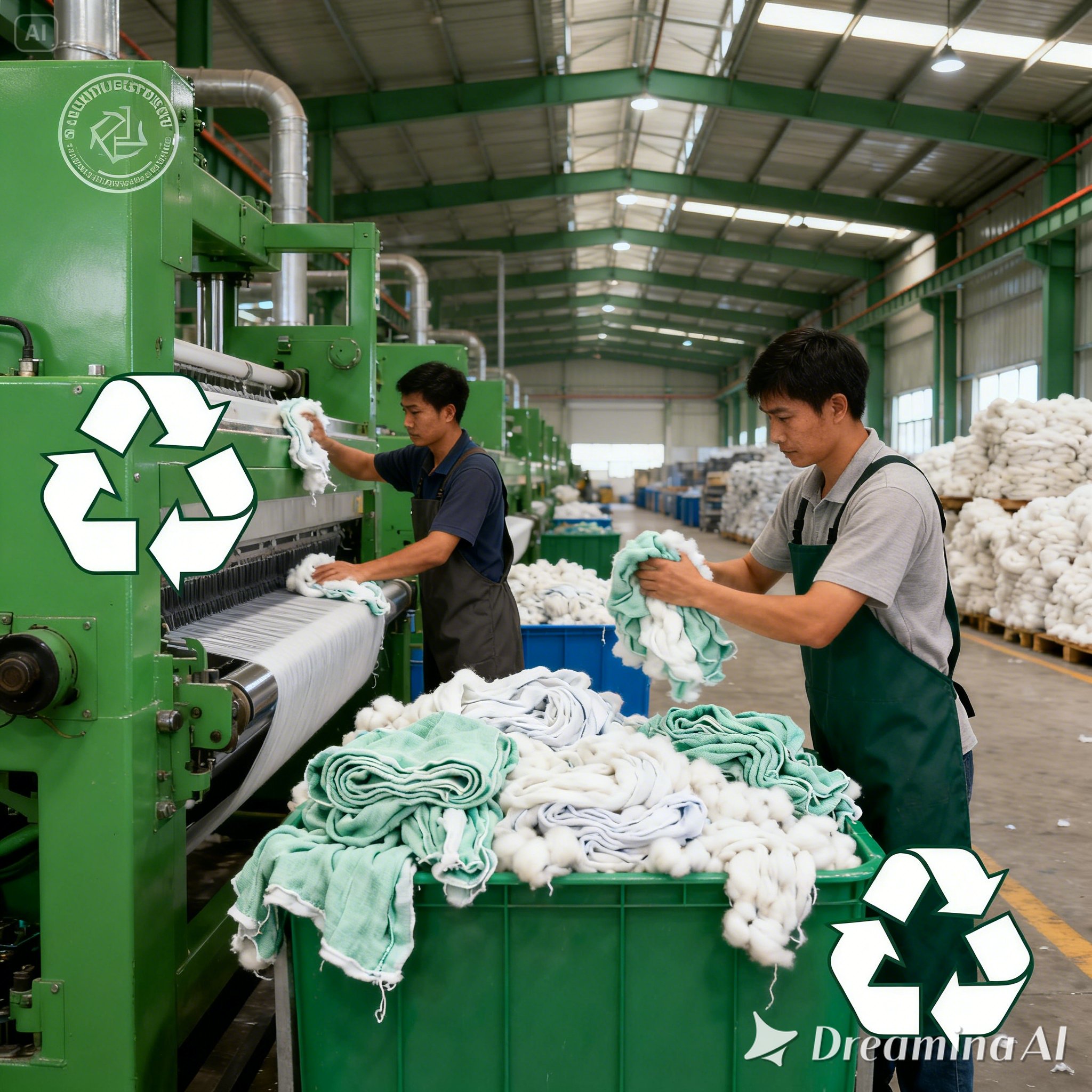
Instead of sending these materials to landfills, recycling units process them into reusable cleaning rags. Consequently, industries gain a practical and eco-friendly product.
1. Reduces Textile Waste in Landfills
Textile waste has become a major environmental issue worldwide. Every year, factories and households discard tons of fabric waste.
By recycling cotton materials into cleaning rags:
- Less waste enters landfills
- Textile pollution decreases
- Reusable value increases
Therefore, recycled cotton rags help reduce environmental burden significantly.
2. Supports the Circular Economy
The circular economy focuses on reuse instead of disposal. Recycled cotton rags perfectly support this system because industries extend the life of textile materials.
The cycle works like this:
Cotton Fabric → Garment Use → Textile Waste → Recycled Rag → Industrial Reuse
As a result, businesses maximize material usage and reduce unnecessary waste.
3. Reduces Demand for Virgin Cotton
Producing new cotton requires:
- Large amounts of water
- Agricultural land
- Energy and labor
When companies use recycled cotton rags, they reduce the need for virgin cotton production. Consequently, natural resources remain protected.
4. Lower Carbon Footprint
Manufacturing disposable cleaning products requires continuous production and transportation. In contrast, recycled cotton rags reuse existing materials.
Therefore:
- Less energy is consumed
- Fewer emissions are produced
- Transportation waste decreases
As a result, businesses lower their overall carbon footprint.
5. Reusable and Long-Lasting
One major environmental advantage is reusability. Workers can wash and reuse cotton rags multiple times before disposal.
Because of longer usage cycles:
- Fewer cleaning products are consumed
- Less waste is generated daily
- Operational sustainability improves
Consequently, industries reduce both environmental impact and operating costs.
6. Safer Disposal Compared to Synthetic Materials
Cotton is a natural fiber. Therefore, recycled cotton rags break down more easily than synthetic cleaning materials.
Although contaminated industrial rags require controlled disposal, cotton still offers better environmental compatibility compared to plastic-based wipes.
7. Helps Industries Meet Sustainability Goals
Many companies now focus on:
- ESG initiatives
- Waste reduction policies
- Sustainable procurement
Using recycled cotton rags supports these environmental objectives directly. Therefore, businesses improve both operational sustainability and brand reputation.
Industries Benefiting from Recycled Cotton Rags
Many sectors now use recycled cotton rags, including:
- Automotive workshops
- Manufacturing plants
- Marine operations
- Textile factories
- Maintenance departments
Because these industries consume large amounts of cleaning materials, sustainable alternatives create significant environmental impact.
Conclusion
Recycled cotton rags offer more than just cleaning performance. They reduce landfill waste, support the circular economy, conserve natural resources, and lower carbon emissions.
Ultimately, businesses that switch to recycled cotton rags create a cleaner and more sustainable industrial future while improving operational efficiency.