Meta Description
Discover the role of cotton waste in sustainable textile solutions, including recycling benefits, circular economy support, and eco friendly industrial applications.
Introduction
The textile industry produces large amounts of waste during spinning, weaving, dyeing, and garment manufacturing. However, instead of treating these leftover materials as useless waste, many industries now reuse cotton waste in sustainable textile solutions.
Cotton waste plays an important role in reducing environmental impact, supporting recycling systems, and improving resource efficiency. Therefore, textile manufacturers increasingly view cotton waste as a valuable raw material rather than a disposal problem.
What Is Cotton Waste?
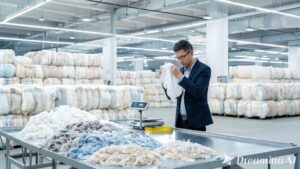
Cotton waste refers to leftover cotton materials generated during textile and garment production.
Common sources include:
- Fabric cutting scraps
- Yarn waste
- Spinning waste
- Rejected cotton fabrics
- Used cotton garments
Although factories previously discarded many of these materials, recycling technologies now allow industries to reuse them effectively.
Why Cotton Waste Matters in Sustainability
The textile industry consumes large amounts of:
- Water
- Energy
- Raw cotton
- Chemicals
Therefore, reducing waste has become essential for sustainable manufacturing.
When businesses recycle cotton waste:
- Landfill pressure decreases
- Resource consumption drops
- Production efficiency improves
As a result, cotton waste contributes directly to environmentally responsible textile operations.
How Cotton Waste Supports Sustainable Textile Solutions
1. Reduces Textile Waste in Landfills
Millions of tons of textile waste enter landfills every year. Consequently, environmental pollution continues to increase.
Recycling cotton waste helps industries:
- Minimize landfill disposal
- Reduce fabric waste accumulation
- Extend textile material life cycles
Therefore, sustainable waste management becomes more achievable.
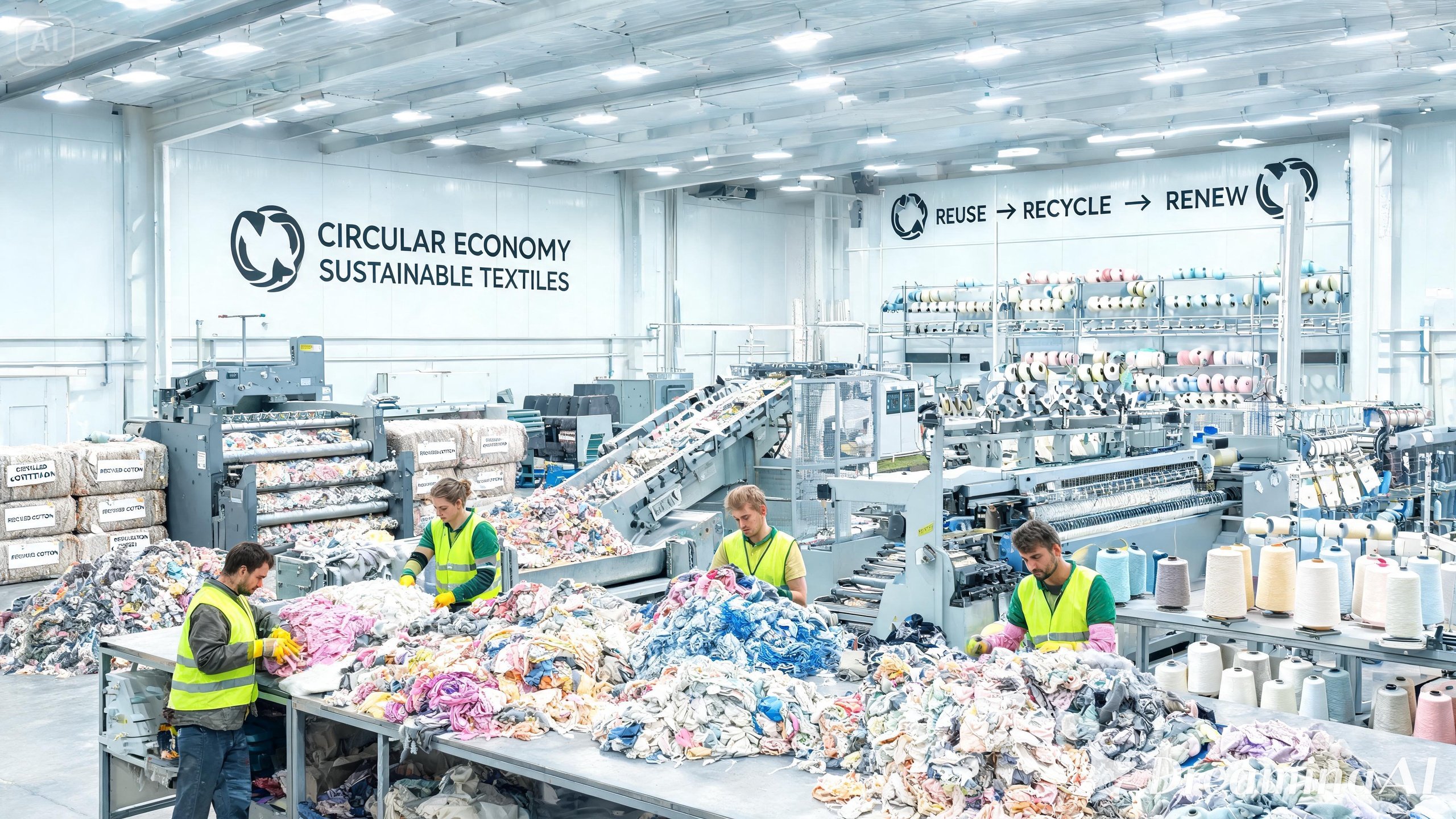
2. Supports the Circular Economy
The circular economy focuses on reusing materials instead of discarding them after one use.
Cotton waste supports this system through:
Production → Usage → Recycling → Reuse
For example, factories convert cotton scraps into:
- Recycled yarn
- Industrial cleaning rags
- Insulation materials
- New textile products
Consequently, industries maximize material value and reduce waste.
3. Conserves Natural Resources
Producing virgin cotton requires significant water, land, and energy resources.
By reusing cotton waste:
- Less new cotton is required
- Water consumption decreases
- Energy usage reduces
Therefore, textile recycling helps conserve valuable natural resources.
4. Reduces Carbon Emissions
Manufacturing new textile materials generates carbon emissions during:
- Cotton farming
- Processing
- Transportation
- Production
However, recycling existing cotton waste reduces the need for new production. As a result, businesses lower their environmental footprint.
5. Creates Cost-Effective Raw Materials
Cotton waste still contains valuable fibers suitable for industrial applications.
Manufacturers reuse cotton waste to create:
- Recycled cotton rags
- Low-cost textile materials
- Padding and stuffing products
Consequently, businesses reduce raw material costs while maintaining product utility.
6. Encourages Sustainable Innovation
Many textile companies now invest in:
- Recycling technologies
- Waste recovery systems
- Sustainable manufacturing processes
Because environmental regulations continue to increase, industries actively search for smarter ways to reuse cotton waste.
As a result, sustainable textile innovation continues to grow.
7. Supports Eco-Friendly Industrial Cleaning
One of the most practical uses of cotton waste involves recycled cleaning rags.
Factories transform textile scraps into:
- Industrial wiping cloths
- Oil absorbent rags
- Maintenance cleaning materials
Therefore, cotton waste gains a second life in industrial cleaning operations.
Industries Benefiting from Cotton Waste Recycling
Many sectors now benefit from cotton waste reuse, including:
- Textile manufacturing
- Automotive maintenance
- Packaging industries
- Furniture production
- Construction insulation
Because recycled cotton materials remain versatile, industries continue finding new applications.
Challenges in Cotton Waste Management
Although recycling offers major benefits, some challenges still exist:
- Fabric contamination
- Sorting difficulties
- Mixed synthetic blends
- Recycling infrastructure limitations
Therefore, efficient waste management systems remain important for successful recycling operations.
Conclusion
Cotton waste plays a vital role in sustainable textile solutions by reducing landfill waste, conserving resources, and supporting circular economy practices. Instead of becoming an environmental burden, recycled cotton materials now serve valuable industrial and manufacturing purposes.
Ultimately, industries that reuse cotton waste create more sustainable operations while improving both environmental and economic efficiency.