Meta Description
Learn smart textile waste management and recycling solutions that reduce landfill waste, improve sustainability, and create value from textile scraps.
Introduction
The textile industry produces large amounts of waste during spinning, weaving, dyeing, cutting, and garment manufacturing. Every day, factories generate leftover fabrics, yarn waste, rejected materials, and textile scraps. However, without proper management, this waste increases environmental pollution and operational costs.
Therefore, modern textile waste management focuses on recycling, reuse, and sustainable recovery solutions. By implementing smart recycling practices, textile industries can reduce landfill waste, improve resource efficiency, and create additional business value.
What Is Textile Waste Management?
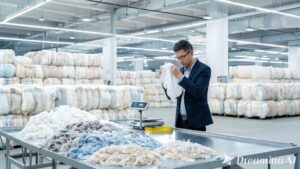
Textile waste management refers to the collection, sorting, recycling, reuse, and disposal of textile materials generated during production and consumption.
Common textile waste sources include:
- Fabric cutting scraps
- Yarn waste
- Defective garments
- Unused fabric rolls
- Old cotton clothing
- Dyeing and finishing leftovers
Instead of discarding these materials, industries now process them into reusable products and recycled raw materials.
Why Textile Waste Management Matters
1. Reduces Environmental Pollution
Improper textile disposal increases:
- Landfill waste
- Soil contamination
- Water pollution
- Carbon emissions
Therefore, effective waste management helps industries reduce environmental impact significantly.
2. Conserves Natural Resources
Textile production consumes:
- Water
- Energy
- Raw cotton
- Chemicals
By recycling textile waste, industries reduce the demand for virgin materials and conserve valuable natural resources.
3. Lowers Operational Costs
Waste disposal and storage increase manufacturing expenses. However, recycling programs allow factories to:
- Reuse materials internally
- Sell recyclable textile waste
- Reduce disposal costs
As a result, businesses improve operational efficiency and profitability.
Smart Textile Recycling Solutions
1. Cotton Rag Recycling
Factories convert cotton fabric scraps into:
- Industrial cleaning rags
- Oil absorbent cloths
- Maintenance wiping materials
Because cotton remains highly absorbent and reusable, recycled rags provide strong industrial value.
2. Fiber Recovery and Re-Spinning
Recycling facilities process textile waste into reusable fibers for:
- Recycled yarn production
- Nonwoven textile products
- Low-cost fabric manufacturing
Consequently, industries extend textile life cycles and reduce material waste.
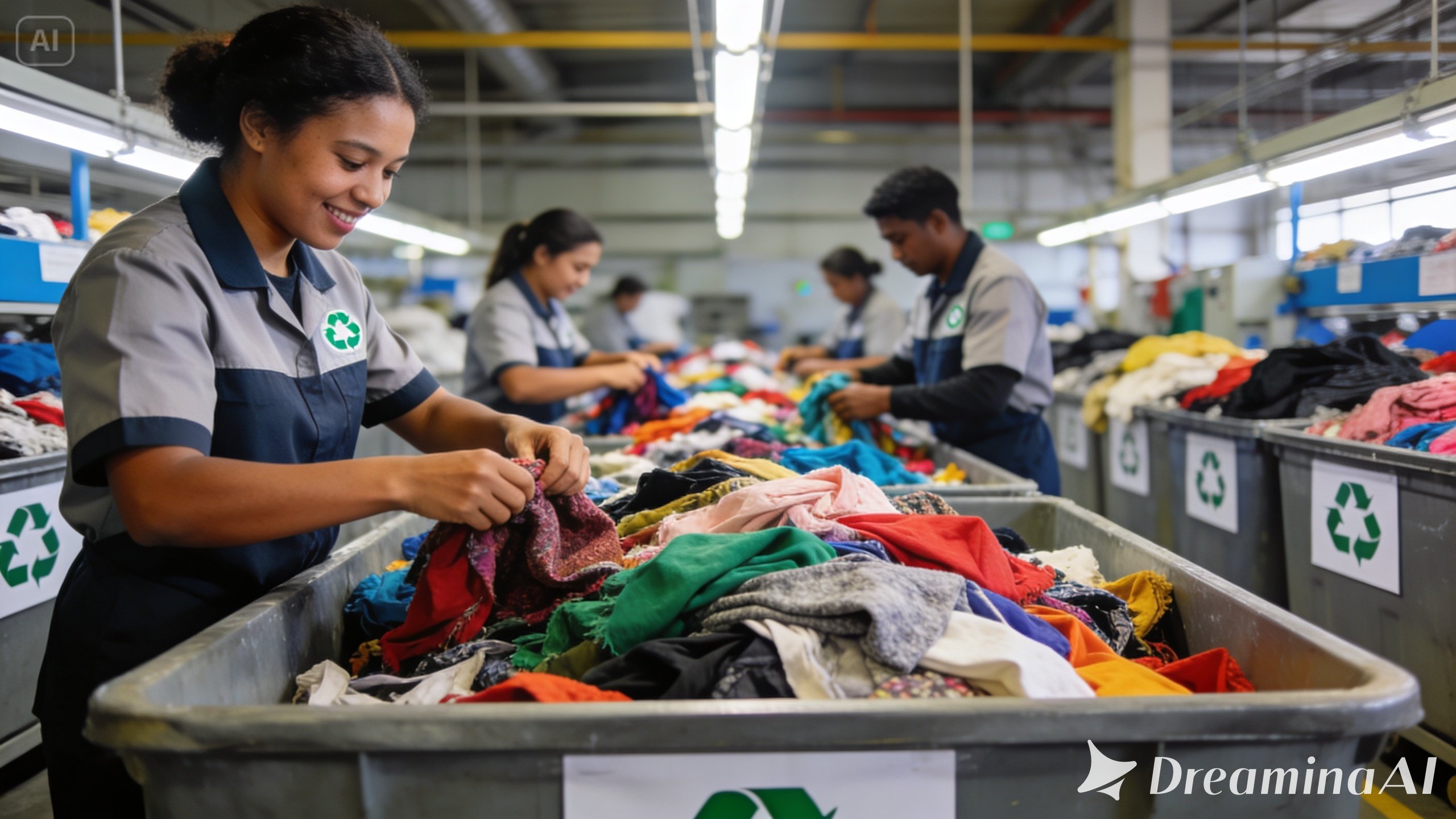
3. Fabric Sorting Systems
Efficient sorting improves recycling quality.
Factories separate:
- Cotton fabrics
- Polyester blends
- Colored materials
- Reusable scraps
Therefore, recycling operations become faster and more efficient.
4. Upcycling Textile Waste
Many businesses now transform textile waste into:
- Bags and accessories
- Furniture filling
- Insulation materials
- Packaging products
As a result, industries create new commercial opportunities from discarded materials.
5. Circular Economy Integration
The circular economy promotes continuous material reuse.
The process works as follows:
Textile Production → Product Use → Waste Collection → Recycling → Reuse
Therefore, industries minimize waste while maximizing resource value.
Best Practices for Textile Waste Management
Conduct Waste Audits
Factories should measure:
- Waste generation levels
- Material loss areas
- Recyclable waste percentages
Consequently, businesses identify opportunities for improvement.
Separate Waste at Source
Workers should sort textile waste immediately during production.
For example:
- Cotton scraps in separate bins
- Synthetic materials isolated
- Reusable fabrics collected directly
Therefore, contamination decreases and recycling quality improves.
Train Employees on Waste Handling
Employee awareness improves:
- Waste segregation accuracy
- Recycling efficiency
- Sustainable workplace practices
As a result, factories achieve better waste management performance.
Partner with Recycling Companies
Reliable recycling partners help factories:
- Recover textile value
- Reduce landfill disposal
- Improve sustainability compliance
Consequently, waste management systems become more effective.
Industries Benefiting from Textile Recycling
Smart textile waste management supports:
- Garment manufacturers
- Textile mills
- Automotive industries
- Furniture manufacturers
- Industrial cleaning suppliers
Because recycled textile materials remain versatile, industries continue discovering new applications.
Environmental Benefits of Smart Recycling
Textile recycling helps:
- Reduce landfill pressure
- Lower carbon emissions
- Minimize textile pollution
- Promote sustainable manufacturing
Therefore, recycling plays a major role in environmental protection.
Challenges in Textile Waste Management
Although recycling provides major benefits, industries still face:
- Mixed fabric contamination
- Sorting complexity
- Limited recycling infrastructure
- High transportation costs for waste materials
Therefore, continuous innovation remains important for improving recycling systems.
Conclusion
Smart textile waste management transforms discarded fabrics into valuable recycled products through sorting, recovery, and reuse systems. By adopting sustainable recycling solutions, industries reduce waste, lower costs, and support environmental responsibility.
Ultimately, businesses that invest in textile recycling create more efficient and sustainable manufacturing operations for the future.