Meta Description
Discover the uses and benefits of recycled colored cotton rags for industrial cleaning. Learn how they improve cleaning efficiency, reduce costs, and support sustainable manufacturing.
Introduction
Industries require reliable cleaning materials to maintain machinery, equipment, and workspaces efficiently. At the same time, businesses increasingly seek sustainable solutions that reduce costs and minimize environmental impact. Therefore, recycled colored cotton rags have become a popular choice across various industries.
Manufacturers produce these rags by recycling colored cotton fabrics from garment factories, textile mills, and surplus clothing. Consequently, valuable textile materials receive a second life instead of ending up in landfills. Furthermore, recycled colored cotton rags provide excellent absorbency, durability, and versatility, making them suitable for a wide range of industrial cleaning tasks.
What Are Recycled Colored Cotton Rags?
Recycled colored cotton rags are cleaning cloths made from recovered colored cotton textiles. Instead of discarding fabric scraps and used cotton garments, recycling facilities collect, sort, clean, and process these materials into reusable industrial wiping rags.
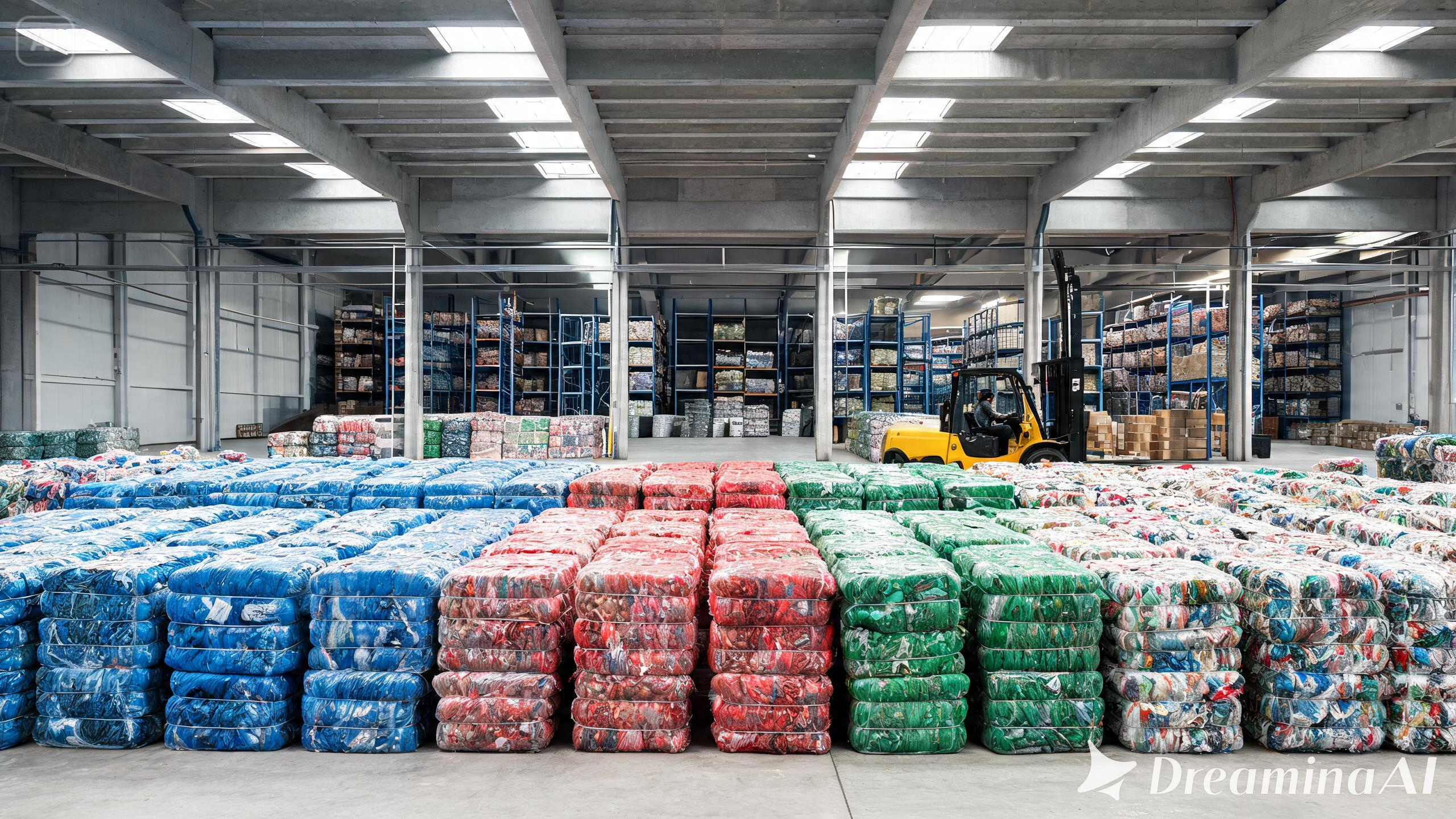
These rags are available in various colors, including:
- Blue
- Red
- Green
- Black
- Mixed colors
Because they do not require bleaching or whitening, colored cotton rags offer a cost-effective and environmentally friendly cleaning solution.
Why Choose Recycled Colored Cotton Rags?
Many industries prefer recycled colored cotton rags because they combine performance with affordability.
Moreover, they absorb oil, grease, water, and cleaning solutions efficiently. In addition, their durable cotton fibers allow multiple reuse cycles, which helps businesses reduce cleaning expenses over time.
As a result, recycled colored cotton rags have become an essential product for maintenance and industrial cleaning.
Common Uses of Recycled Colored Cotton Rags
1. Machinery Cleaning
Industrial machines accumulate oil, grease, and dust during daily operations.
Workers use recycled colored cotton rags to:
- Wipe machine surfaces
- Remove lubricants
- Clean production equipment
- Maintain industrial tools
Consequently, machinery remains cleaner and operates more efficiently.
2. Automotive Workshops
Mechanics regularly clean:
- Engine components
- Vehicle parts
- Workshop tools
- Oil spills
Because colored cotton rags absorb grease effectively, they help technicians complete maintenance work quickly.
3. Manufacturing Facilities
Factories use recycled cotton rags for:
- Equipment maintenance
- Production line cleaning
- Surface wiping
- General housekeeping
Furthermore, reusable rags reduce the need for disposable cleaning products.
4. Oil and Gas Industry
Maintenance teams use cotton rags to remove:
- Hydraulic oil
- Industrial lubricants
- Grease deposits
- Fuel residue
As a result, workplaces remain cleaner and safer.
5. Marine and Ship Maintenance
Ships and marine workshops require strong cleaning materials to remove:
- Salt deposits
- Engine oil
- Marine grease
- Dirt from metal surfaces
Therefore, recycled colored cotton rags perform well in demanding marine environments.
Benefits of Recycled Colored Cotton Rags
High Absorbency
Cotton fibers naturally absorb liquids quickly.
Therefore, workers can clean oil, water, grease, and chemical spills more efficiently.
Consequently, maintenance tasks require fewer cleaning materials.
Cost-Effective Solution
Because manufacturers recycle existing cotton fabrics, production costs remain lower than those of new textile products.
As a result, businesses purchase quality cleaning rags at affordable prices.
Furthermore, reusable rags reduce long-term operational expenses.
Durable for Heavy-Duty Cleaning
Industrial cleaning often involves rough surfaces and stubborn dirt.
Because cotton fibers provide excellent strength, recycled colored rags withstand repeated use and frequent washing.
Therefore, businesses enjoy longer product life and lower replacement costs.
Supports Sustainable Manufacturing
Recycling cotton textiles helps reduce:
- Textile waste
- Landfill accumulation
- Resource consumption
- Environmental pollution
Consequently, businesses support circular economy practices while improving sustainability performance.
No Need for Bleaching
Unlike white cotton rags, colored cotton rags retain their original fabric colors.
Therefore, manufacturers avoid additional bleaching processes, which helps conserve water, energy, and chemicals.
As a result, colored rags have a smaller environmental footprint.
Advantages Over Disposable Wipes
Compared with disposable wipes, recycled colored cotton rags offer:
- Better durability
- Higher absorbency
- Multiple reuse cycles
- Lower long-term costs
- Reduced waste generation
Consequently, many industries replace disposable products with reusable cotton rags.
Industries That Use Recycled Colored Cotton Rags
These rags are widely used in:
- Automotive workshops
- Textile mills
- Manufacturing plants
- Engineering workshops
- Marine industries
- Oil and gas facilities
- Warehouses
- Printing companies
Because these industries require continuous cleaning and maintenance, recycled colored cotton rags remain in high demand.
Tips for Choosing Quality Recycled Colored Cotton Rags
When purchasing cotton rags, businesses should consider:
- High cotton content
- Strong absorbency
- Clean and contamination-free materials
- Consistent fabric quality
- Reliable packaging
- Trusted suppliers
Therefore, selecting high-quality recycled rags ensures better cleaning performance and longer service life.
Conclusion
Recycled colored cotton rags provide an economical, durable, and environmentally friendly solution for industrial cleaning. Their excellent absorbency, reusable design, and versatility make them suitable for automotive workshops, manufacturing plants, marine industries, oil and gas facilities, and many other sectors.
Furthermore, recycling colored cotton textiles helps reduce waste while conserving valuable resources. Ultimately, businesses that choose recycled colored cotton rags improve cleaning efficiency, lower operating costs, and support sustainable industrial practices.