Meta Description
Learn how safety workwear improves workplace protection by reducing injuries, enhancing visibility, ensuring compliance, and creating safer working environments across industries.
Introduction
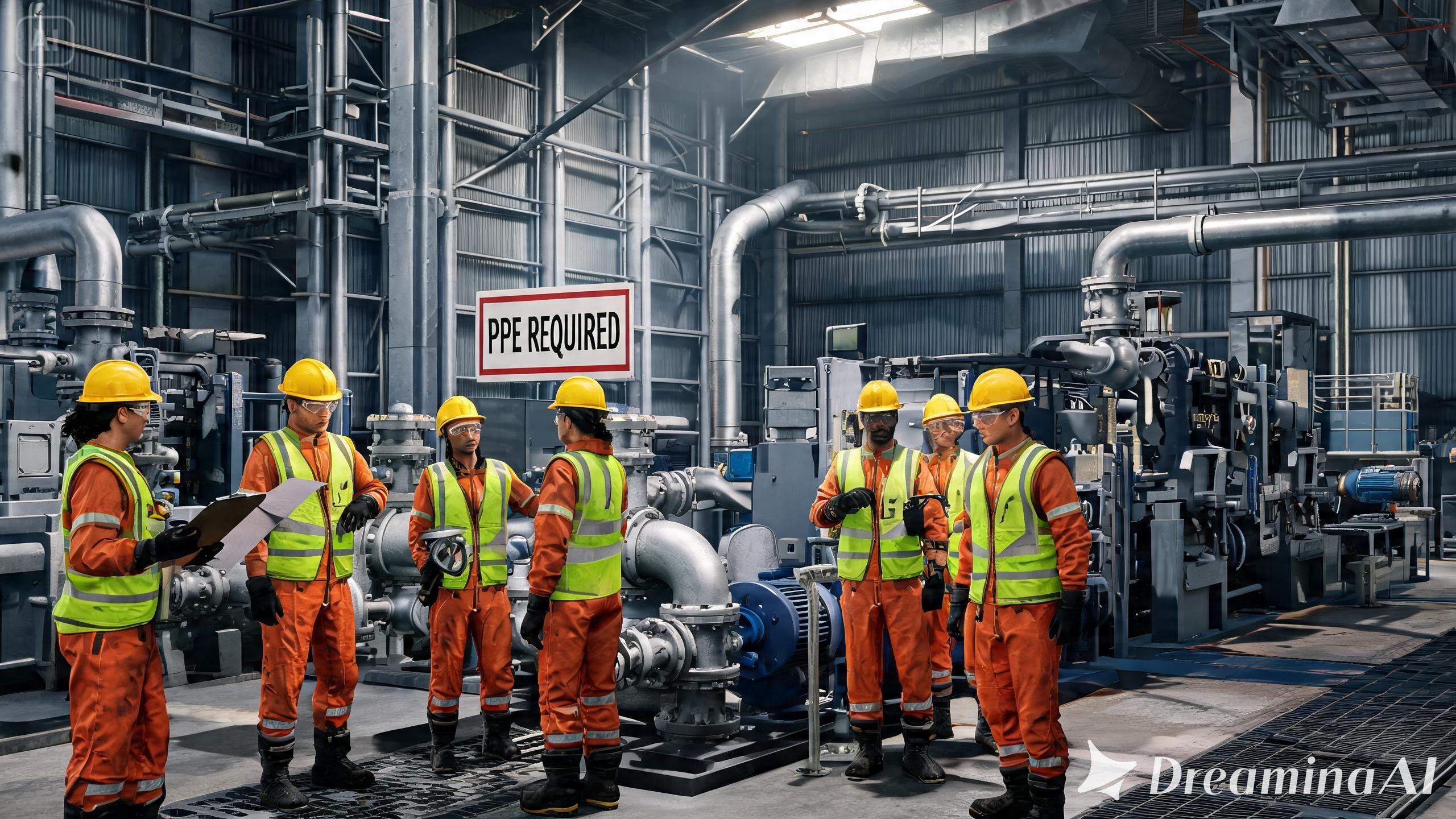
Workplace safety is a top priority across industries such as construction, manufacturing, oil and gas, healthcare, logistics, and warehousing. Every day, workers face hazards that can lead to injuries if they do not wear appropriate protective clothing. Therefore, employers must provide safety workwear that matches the risks associated with each job.
Safety workwear protects employees from physical, chemical, thermal, and environmental hazards. Moreover, it helps businesses comply with workplace safety regulations while creating a safer and more productive work environment. As a result, investing in high-quality safety workwear benefits both employers and employees.
What Is Safety Workwear?
Safety workwear refers to protective clothing designed to reduce the risk of workplace injuries. Unlike regular clothing, safety workwear is made from specialized materials that provide protection against specific hazards.
Common types of safety workwear include:
- High-visibility safety vests
- Coveralls
- Flame-resistant clothing
- Safety jackets
- Protective gloves
- Safety helmets
- Safety footwear
- Reflective workwear
- Chemical-resistant suits
Each type serves a different purpose depending on the working environment.
Why Safety Workwear Is Essential
Employees work in environments where they may encounter:
- Falling objects
- Sharp tools
- Heavy machinery
- Extreme temperatures
- Chemicals
- Electrical hazards
- Slippery surfaces
- Low-visibility conditions
Without proper protection, these hazards can result in serious injuries. Therefore, wearing appropriate safety workwear significantly reduces workplace risks.
Benefits of Safety Workwear
1. Protects Workers from Workplace Hazards
The primary purpose of safety workwear is to protect employees from injuries.
For example, safety clothing can:
- Shield the skin from chemicals
- Reduce burn injuries
- Prevent cuts and abrasions
- Protect against sparks and heat
- Increase visibility in busy work areas
Consequently, workers perform their duties with greater confidence and safety.
2. Improves Workplace Safety
Safety workwear helps create a safer working environment by reducing the likelihood of accidents.
Furthermore, reflective clothing makes workers more visible around moving vehicles and heavy equipment. As a result, employers can lower the risk of collisions and other workplace incidents.
3. Enhances Employee Productivity
When employees feel safe, they can focus better on their tasks.
Moreover, comfortable and well-designed workwear allows greater freedom of movement during daily activities. Consequently, workers complete their jobs more efficiently without unnecessary distractions.
4. Ensures Compliance with Safety Standards
Many industries must follow workplace health and safety regulations.
By providing certified safety workwear, employers can:
- Meet industry standards
- Reduce legal risks
- Pass safety inspections
- Demonstrate commitment to employee welfare
Therefore, compliance becomes easier while improving overall workplace safety.
5. Reduces Workplace Injuries
Protective clothing acts as the first line of defense against many common workplace hazards.
For instance, safety gloves protect hands from cuts, while steel-toe boots reduce foot injuries caused by heavy objects.
As a result, businesses experience fewer workplace accidents and lower compensation costs.
6. Improves Company Image
Professional safety uniforms create a positive impression among customers, visitors, and business partners.
Furthermore, branded workwear reflects a company’s commitment to professionalism and employee safety.
Consequently, businesses strengthen their corporate reputation.
7. Offers Long-Term Cost Savings
Although quality safety workwear requires an initial investment, it reduces costs over time.
Businesses save money by:
- Preventing workplace injuries
- Reducing medical expenses
- Lowering equipment damage
- Improving employee productivity
Therefore, protective clothing delivers excellent long-term value.
Types of Safety Workwear for Different Industries
Construction Industry
Construction workers commonly wear:
- High-visibility vests
- Safety helmets
- Protective boots
- Cut-resistant gloves
Manufacturing Industry
Factory workers often use:
- Coveralls
- Protective gloves
- Safety shoes
- Eye protection
Oil and Gas Industry
Employees typically require:
- Flame-resistant clothing
- Chemical-resistant suits
- Safety helmets
- Protective footwear
Healthcare Facilities
Healthcare professionals wear:
- Medical gowns
- Disposable gloves
- Face masks
- Protective aprons
Warehousing and Logistics
Warehouse staff frequently use:
- Reflective jackets
- Safety footwear
- High-visibility clothing
- Protective gloves
How to Choose the Right Safety Workwear
Before purchasing safety workwear, employers should consider:
- Workplace hazards
- Industry regulations
- Fabric durability
- Employee comfort
- Weather conditions
- Visibility requirements
- Ease of maintenance
Furthermore, selecting certified products ensures reliable protection and long-term performance.
Best Practices for Maintaining Safety Workwear
Proper maintenance extends the lifespan of protective clothing.
Employers should:
- Wash garments according to manufacturer instructions.
- Inspect workwear regularly for damage.
- Replace worn or damaged items promptly.
- Store clothing in clean and dry conditions.
- Train employees on proper use and care.
Consequently, safety workwear continues to provide effective protection throughout its service life.
Conclusion
Safety workwear plays a vital role in protecting employees from workplace hazards while improving productivity, compliance, and operational efficiency. By choosing the right protective clothing, businesses reduce workplace injuries, create safer environments, and demonstrate a strong commitment to employee well-being.
Furthermore, investing in high-quality safety workwear delivers long-term financial and operational benefits. Ultimately, it remains an essential part of every successful workplace safety program.