Meta Description
Discover sustainable textile solutions for modern industries, including textile recycling, recycled cotton products, waste reduction, and circular economy practices that improve efficiency and protect the environment.
ntroduction
Sustainability has become a key priority for industries around the world. As businesses face increasing environmental challenges, they are adopting smarter ways to reduce waste, conserve resources, and improve production efficiency. Consequently, sustainable textile solutions have become an essential part of modern manufacturing and industrial operations.
From recycling textile waste to using eco-friendly materials, companies are transforming traditional production methods into more responsible and resource-efficient processes. Furthermore, these sustainable practices help businesses lower operating costs, meet environmental regulations, and strengthen their brand reputation. As a result, sustainable textile solutions benefit both the environment and the economy.
What Are Sustainable Textile Solutions?
Sustainable textile solutions refer to manufacturing practices, materials, and technologies that reduce environmental impact while improving resource efficiency throughout the textile supply chain.
These solutions include:
- Textile recycling
- Recycled cotton products
- Water-efficient manufacturing
- Energy-saving production processes
- Eco-friendly dyes and chemicals
- Waste reduction programs
- Circular textile economy initiatives
As a result, businesses can produce high-quality textile products while minimizing their environmental footprint.
Why Sustainability Matters in the Textile Industry
The textile industry consumes large amounts of water, energy, and raw materials. In addition, textile manufacturing generates fabric waste, chemical emissions, and greenhouse gases.
By adopting sustainable practices, businesses can:
- Reduce textile waste
- Lower carbon emissions
- Conserve natural resources
- Improve production efficiency
- Strengthen environmental responsibility
Consequently, companies create long-term value while protecting the environment.
Key Sustainable Textile Solutions
1. Textile Recycling
Textile recycling is one of the most effective ways to reduce waste.
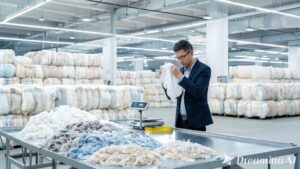
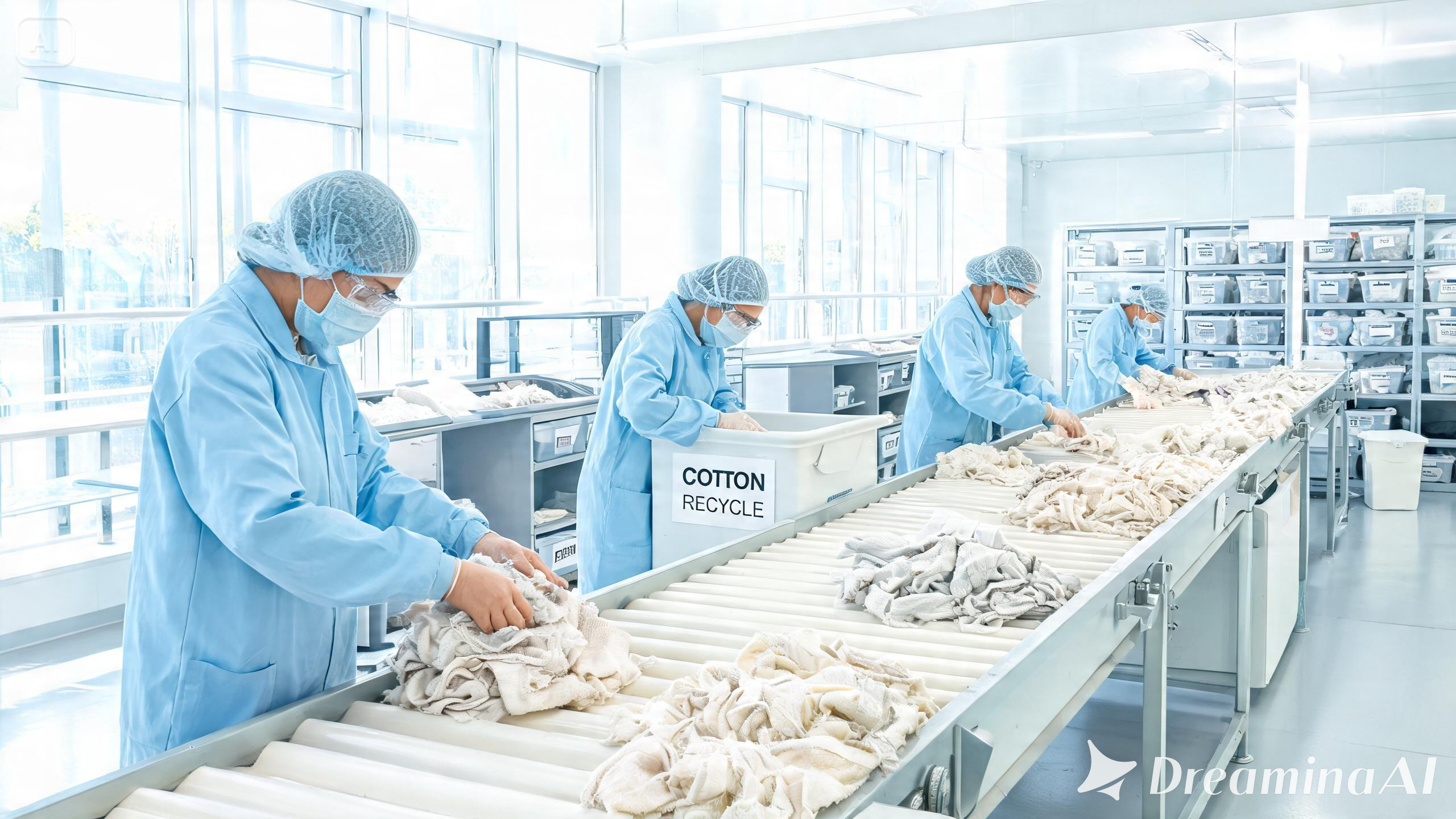
Instead of sending fabric scraps and discarded garments to landfills, recycling facilities collect, sort, and process these materials into new products.
For example, recycled cotton can become:
- Industrial cleaning rags
- Recycled yarn
- Nonwoven fabrics
- Furniture filling
- Insulation materials
Therefore, recycling extends the life cycle of valuable textile fibers.
2. Recycled Cotton Products
Many manufacturers now use recycled cotton to produce practical industrial products.
These include:
- Cotton cleaning rags
- Cotton wipes
- Mop heads
- Cleaning cloths
Furthermore, recycled cotton products reduce the demand for virgin cotton, which helps conserve water and agricultural resources.
3. Waste Reduction in Manufacturing
Textile factories generate waste during cutting, sewing, dyeing, and finishing processes.
To reduce waste, manufacturers can:
- Optimize fabric cutting layouts.
- Reuse production scraps.
- Improve inventory management.
- Implement digital pattern planning.
As a result, businesses lower production costs while reducing material waste.
4. Water Conservation Technologies
Textile production requires significant amounts of water.
Modern factories improve water efficiency by:
- Recycling wastewater
- Installing water-saving equipment
- Using low-water dyeing technologies
- Monitoring water consumption
Consequently, manufacturers reduce both operating costs and environmental impact.
5. Energy-Efficient Manufacturing
Energy-efficient machinery helps textile companies reduce electricity consumption.
Businesses can improve efficiency by:
- Upgrading production equipment
- Using renewable energy sources
- Optimizing factory operations
- Installing energy management systems
Therefore, sustainable manufacturing becomes more cost-effective.
6. Circular Textile Economy
A circular textile economy focuses on keeping materials in use for as long as possible.
The process follows this cycle:
Raw Material → Manufacturing → Product Use → Collection → Recycling → New Product
As a result, businesses reduce waste while maximizing the value of textile resources.
Benefits of Sustainable Textile Solutions
Lower Operating Costs
Reducing waste and improving resource efficiency help businesses lower production expenses.
Furthermore, recycling valuable materials creates additional revenue opportunities.
Reduced Environmental Impact
Sustainable manufacturing helps reduce:
- Landfill waste
- Water pollution
- Carbon emissions
- Resource depletion
Consequently, businesses contribute to a cleaner environment.
Improved Brand Reputation
Customers increasingly prefer environmentally responsible companies.
Therefore, businesses that adopt sustainable textile practices strengthen their brand image and build customer trust.
Better Regulatory Compliance
Many countries now encourage or require environmentally responsible manufacturing practices.
By implementing sustainable solutions, businesses improve compliance with environmental regulations and industry standards.
Industries Benefiting from Sustainable Textile Solutions
Sustainable textile practices support many industries, including:
- Textile manufacturing
- Automotive
- Hospitality
- Healthcare
- Construction
- Oil and gas
- Marine
- Commercial cleaning
Because these industries consume large quantities of textile products, sustainability initiatives create significant environmental and economic benefits.
Best Practices for Sustainable Textile Management
Businesses should:
- Recycle cotton waste whenever possible.
- Purchase recycled textile products.
- Reduce unnecessary material consumption.
- Partner with certified recycling companies.
- Train employees on sustainable practices.
- Monitor waste generation regularly.
Furthermore, continuous improvement helps companies achieve long-term sustainability goals.e
The Future of Sustainable Textiles
Innovation continues to transform the textile industry.
Manufacturers are investing in:
- Smart recycling technologies
- Biodegradable fibers
- AI-powered waste reduction systems
- Renewable energy solutions
- Circular production models
Consequently, the future of textile manufacturing will become more sustainable, efficient, and environmentally responsible.
Conclusion
Sustainable textile solutions help modern industries reduce waste, conserve natural resources, and improve manufacturing efficiency. By adopting textile recycling, recycled cotton products, water-saving technologies, and circular economy practices, businesses create lasting environmental and economic value.
Furthermore, sustainability strengthens brand reputation, reduces operating costs, and supports regulatory compliance. Ultimately, companies that invest in sustainable textile solutions position themselves for long-term success while contributing to a cleaner and more responsible future.