Meta Description
Explore the journey of cotton waste from factory floors to valuable recycled products. Learn how textile recycling transforms cotton waste into industrial rags, recycled yarn, insulation, and more while supporting sustainability.
Introduction
Every year, textile mills and garment factories generate large volumes of cotton waste during spinning, weaving, knitting, cutting, and sewing operations. While this material was once viewed as a by-product with little value, it is now recognized as an important resource that supports sustainable manufacturing and the circular economy.
Instead of ending up in landfills, cotton waste can be collected, sorted, recycled, and transformed into a wide range of useful products. From industrial cotton rags and recycled yarn to insulation materials and cleaning wipes, recycled cotton helps businesses reduce waste, lower production costs, and conserve natural resources. As a result, the journey of cotton waste demonstrates how sustainability and profitability can go hand in hand.
What Is Cotton Waste?
Cotton waste includes leftover cotton materials generated throughout textile and garment production. Although these materials are no longer suitable for their original purpose, they still contain valuable cotton fibers that can be reused.
Common sources of cotton waste include:
- Fabric cutting scraps
- Yarn waste
- Spinning waste
- Weaving offcuts
- Knitting remnants
- Garment production leftovers
- Rejected cotton fabrics
- Unsold cotton products
Therefore, instead of being discarded, these materials can begin a new lifecycle through recycling.
Step 1: Collection at the Factory
The journey begins inside textile mills and garment manufacturing facilities.
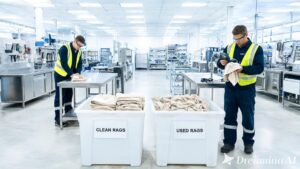
During production, workers collect cotton waste from different departments, including:
- Spinning units
- Weaving sections
- Cutting departments
- Sewing lines
- Quality control areas
Furthermore, keeping cotton separate from synthetic fabrics improves recycling efficiency and the quality of the final recycled products.
Step 2: Sorting and Quality Inspection
Once collected, the cotton waste is sorted according to:
- Fabric type
- Color
- Fiber quality
- Thickness
- Cleanliness
At the same time, contaminants such as plastic, metal, zippers, buttons, and non-cotton materials are removed.
Consequently, only suitable cotton materials move forward in the recycling process.
Step 3: Cleaning and Processing
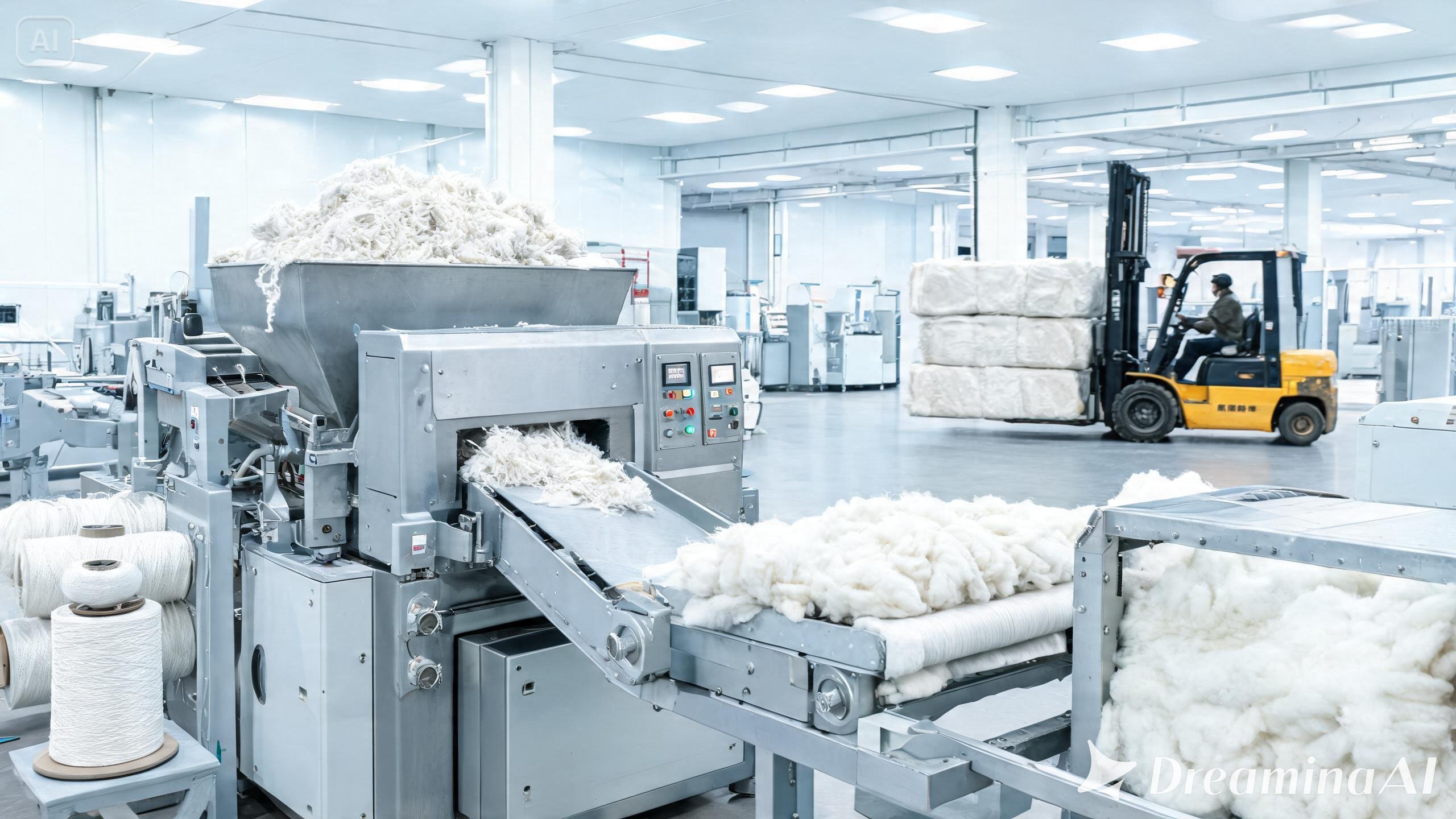
After sorting, the cotton waste undergoes a cleaning process to remove:
- Dust
- Dirt
- Loose fibers
- Residual contaminants
Depending on the intended application, the material may also be cut into uniform sizes or processed into recycled fibers.
As a result, the cotton becomes ready for manufacturing new products.
Step 4: Manufacturing Valuable Products
Recycled cotton is transformed into a variety of industrial and commercial products.
Some of the most common products include:
Industrial Cotton Rags
Highly absorbent cotton rags are manufactured for:
- Machinery cleaning
- Oil and grease removal
- Equipment maintenance
- Spill control
Recycled Cleaning Wipes
Low-lint cotton wipes are used in:
- Automotive workshops
- Manufacturing plants
- Printing facilities
- Electronics assembly
Recycled Yarn
Recovered cotton fibers can be blended and spun into new yarn for textile manufacturing.
Consequently, businesses reduce their reliance on virgin cotton.
Furniture and Mattress Filling
Short cotton fibers are commonly used as filling materials in furniture, cushions, and mattresses.
Insulation Products
Recycled cotton also serves as an environmentally friendly insulation material for automotive, construction, and industrial applications.
Step 5: Distribution to Industries
After manufacturing, recycled cotton products are supplied to industries around the world.
Major users include:
- Manufacturing companies
- Automotive workshops
- Marine industries
- Oil and gas facilities
- Hospitality businesses
- Healthcare institutions
- Construction companies
- Warehouses
Because these industries require durable and cost-effective cleaning materials, recycled cotton products continue to grow in popularity.
Benefits of Recycling Cotton Waste
Reduces Landfill Waste
Instead of disposing of valuable cotton materials, recycling keeps them in productive use.
Consequently, landfill waste decreases while environmental pollution is reduced.
Conserves Natural Resources
Recycling existing cotton fibers reduces the demand for virgin cotton production.
As a result, industries save water, energy, and agricultural resources.
Creates Business Opportunities
Cotton waste becomes a valuable raw material that can be sold or processed into marketable products.
Furthermore, textile mills generate additional revenue from materials that would otherwise be discarded.
Supports the Circular Economy
Recycling keeps cotton fibers in continuous use.
The process follows this sustainable cycle:
Manufacture → Use → Collect → Recycle → Reuse
Therefore, businesses maximize the value of textile materials while minimizing waste.
Improves Sustainability Goals
Many organizations are working toward reducing their environmental impact.
By recycling cotton waste, businesses:
- Lower carbon emissions
- Reduce textile pollution
- Improve resource efficiency
- Strengthen corporate sustainability initiatives
Consequently, they become more attractive to environmentally conscious customers and international buyers.
Best Practices for Textile Mills
To maximize the value of cotton waste, manufacturers should:
- Separate cotton from synthetic materials.
- Store cotton waste in clean, dry conditions.
- Sort waste by color and quality.
- Prevent contamination during handling.
- Partner with reliable recycling companies.
- Monitor waste generation regularly.
Furthermore, employee training helps improve recycling efficiency and product quality.
The Future of Cotton Waste Recycling
As industries continue adopting sustainable manufacturing practices, cotton waste recycling will become even more important.
Advances in automated sorting, fiber recovery technologies, and recycling processes will improve product quality and reduce processing costs. Consequently, more businesses will recognize cotton waste as a valuable resource rather than a disposal challenge.
Conclusion
The journey of cotton waste from the factory floor to valuable products highlights the power of recycling and sustainable manufacturing. What begins as production leftovers can become industrial cotton rags, recycled yarn, insulation materials, and many other useful products that serve industries worldwide.
Furthermore, cotton waste recycling reduces disposal costs, conserves natural resources, supports the circular economy, and creates new business opportunities. Ultimately, every piece of recycled cotton contributes to a cleaner environment, a more efficient manufacturing process, and a more sustainable future.