Meta Description
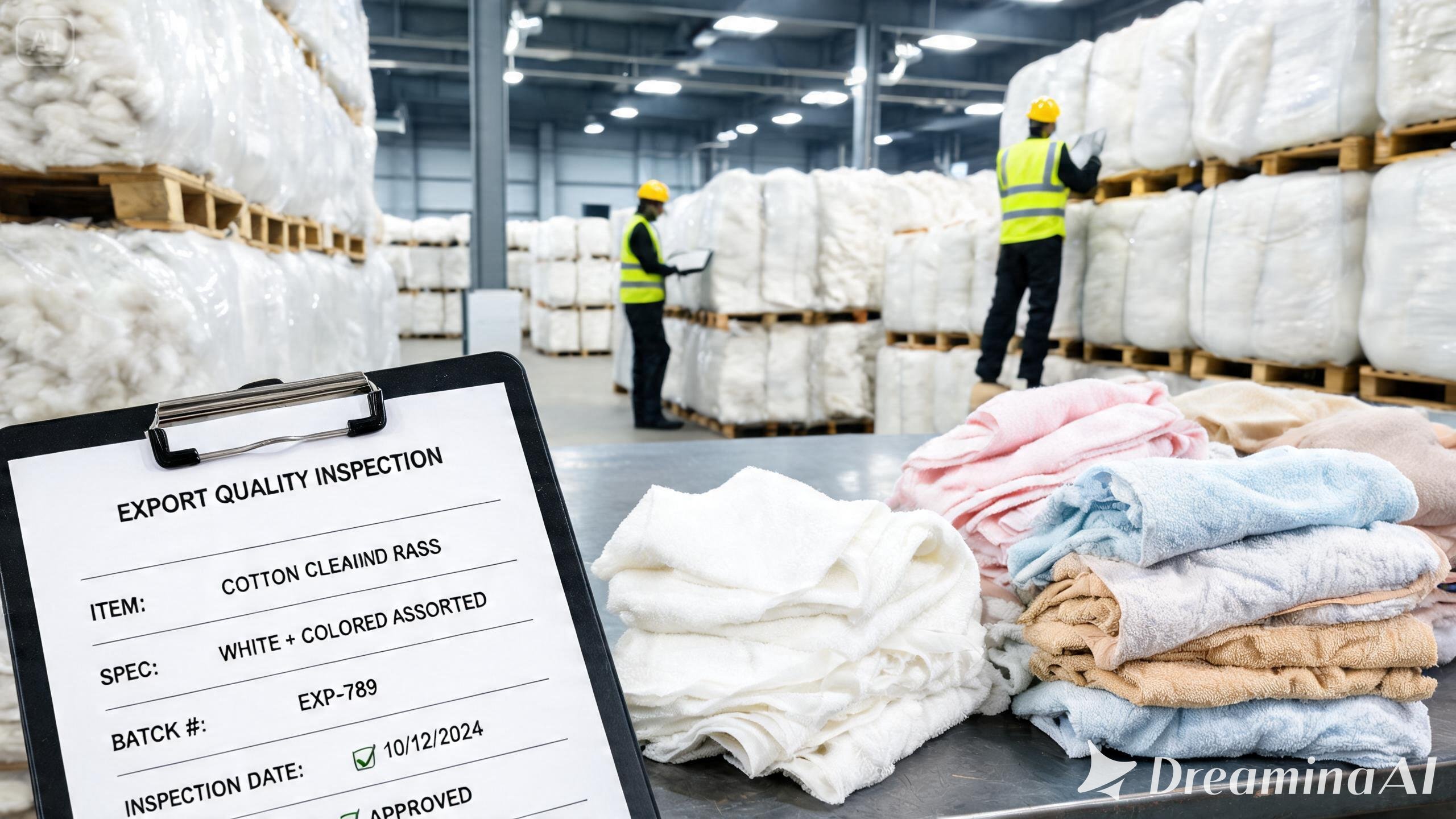
Learn how to choose the right cotton rag supplier for your export business. Discover key factors such as quality, pricing, production capacity, packaging, and reliable delivery for successful international trade.
Introduction
The global demand for cotton rags continues to grow as industries seek reliable, cost-effective, and sustainable cleaning solutions. Buyers in manufacturing, automotive, marine, oil and gas, and other industrial sectors expect consistent product quality and dependable deliveries. Therefore, exporters must work with cotton rag suppliers who can consistently meet international standards and customer expectations.
Choosing the right supplier is about more than finding the lowest price. Product quality, production capacity, quality control, packaging, and timely delivery all play a crucial role in building long-term relationships with overseas buyers. Furthermore, a reliable supplier helps exporters maintain their reputation, reduce operational risks, and expand into new international markets.
This guide explains the key factors every exporter should consider when selecting a cotton rag supplier.
Why Your Supplier Matters
In the export business, one shipment can determine whether a customer becomes a long-term partner or looks elsewhere for future orders.
A dependable cotton rag supplier helps you:
- Deliver consistent product quality
- Meet shipping deadlines
- Maintain customer satisfaction
- Reduce supply chain disruptions
- Build trust with international buyers
Consequently, choosing the right supplier directly impacts the success of your export business.
Key Factors to Consider When Choosing a Cotton Rag Supplier
1. Product Quality
Quality is the foundation of every successful export business.
Before placing an order, ensure the supplier provides cotton rags that offer:
- High cotton content
- Excellent absorbency
- Strong durability
- Low lint
- Uniform sizes
- Minimal contamination
Furthermore, ask for product samples to verify quality before committing to large shipments.
2. Consistent Supply Capacity
Export businesses often handle repeat orders and container-load shipments.
Therefore, your supplier should have the production capacity to meet:
- Large-volume orders
- Monthly supply commitments
- Seasonal demand increases
- Customized product requirements
As a result, you can fulfill customer orders without delays.
3. Experience in Export Markets
Suppliers with export experience understand international buyer expectations.
An experienced supplier is more likely to provide:
- Export-ready packaging
- Accurate documentation
- Consistent quality standards
- Efficient production planning
Consequently, international transactions become smoother and more reliable.
4. Quality Control Process
Reliable suppliers inspect products throughout the production process.
Quality control should include:
- Cotton content verification
- Size consistency checks
- Moisture testing
- Contamination inspection
- Packaging verification
Therefore, buyers receive products that meet agreed specifications.
5. Product Range
Different customers require different types of cotton rags.
Choose a supplier that offers:
- White cotton rags
- Colored cotton rags
- Mixed cotton rags
- Knit cotton rags
- Terry cotton rags
- Lint-free cotton wipes
Furthermore, a broad product range enables you to serve multiple industries and expand your customer base.
6. Packaging Options
Proper packaging protects cotton rags during storage and international transportation.
Common packaging formats include:
- Compressed bales
- Pressed bundles
- Polypropylene bags
- Cartons
Additionally, some buyers may request customized packaging or private labeling, so flexibility is an added advantage.
7. Competitive Pricing
While price is important, it should not be the only deciding factor.
Instead, evaluate the overall value by considering:
- Product quality
- Consistency
- Delivery reliability
- Customer support
Consequently, you avoid costly problems caused by poor-quality products or delayed shipments.
8. On-Time Delivery
Meeting shipping schedules is essential for maintaining customer trust.
A reliable supplier should have efficient production planning and logistics coordination to ensure orders are completed on time.
As a result, exporters can avoid shipment delays and maintain strong buyer relationships.
Questions to Ask Before Selecting a Supplier
Before making a decision, ask potential suppliers:
- What percentage of the fabric is cotton?
- What quality control procedures do you follow?
- Can you handle container-load orders?
- Do you provide samples?
- What packaging options are available?
- What is your average production lead time?
- Can you customize products based on buyer requirements?
Furthermore, clear communication at the beginning helps prevent misunderstandings later.
Warning Signs of an Unreliable Supplier
Be cautious if a supplier:
- Cannot provide product samples.
- Offers inconsistent pricing without explanation.
- Has limited production capacity.
- Lacks quality control procedures.
- Frequently misses delivery deadlines.
- Responds slowly to inquiries.
Therefore, evaluating a supplier carefully before placing large orders can save both time and money.
Benefits of Working with a Reliable Supplier
A trusted supplier provides long-term advantages, including:
- Consistent product quality
- Reliable inventory availability
- Faster order processing
- Better customer satisfaction
- Stronger business reputation
- Reduced operational risks
Consequently, exporters can focus on growing their business instead of resolving supply issues.
Building a Long-Term Supplier Partnership
Successful exporters view suppliers as business partners rather than just vendors.
To build a strong relationship:
- Communicate your quality requirements clearly.
- Share sales forecasts whenever possible.
- Provide feedback on product performance.
- Maintain transparent and professional communication.
- Develop long-term purchasing agreements when appropriate.
Furthermore, strong partnerships often lead to better pricing, priority production, and improved service over time.
Conclusion
Choosing the right cotton rag supplier is one of the most important decisions for any export business. A dependable supplier provides consistent quality, reliable deliveries, competitive pricing, and the flexibility to meet changing customer requirements.
Furthermore, working with an experienced supplier helps exporters strengthen buyer confidence, reduce supply chain risks, and build lasting relationships in international markets. Ultimately, selecting the right partner today lays the foundation for sustainable growth and long-term success in the global cotton rag industry.