Author name: admin

Uncategorized

“The Practical Reason Cotton Rags Are Used in Pakistan’s Auto Repair Workshop”

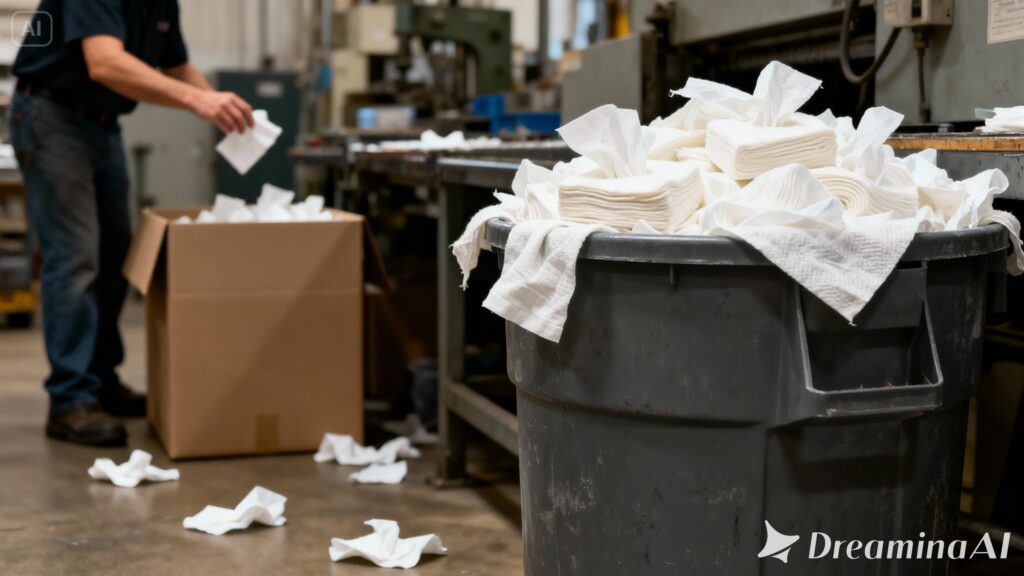
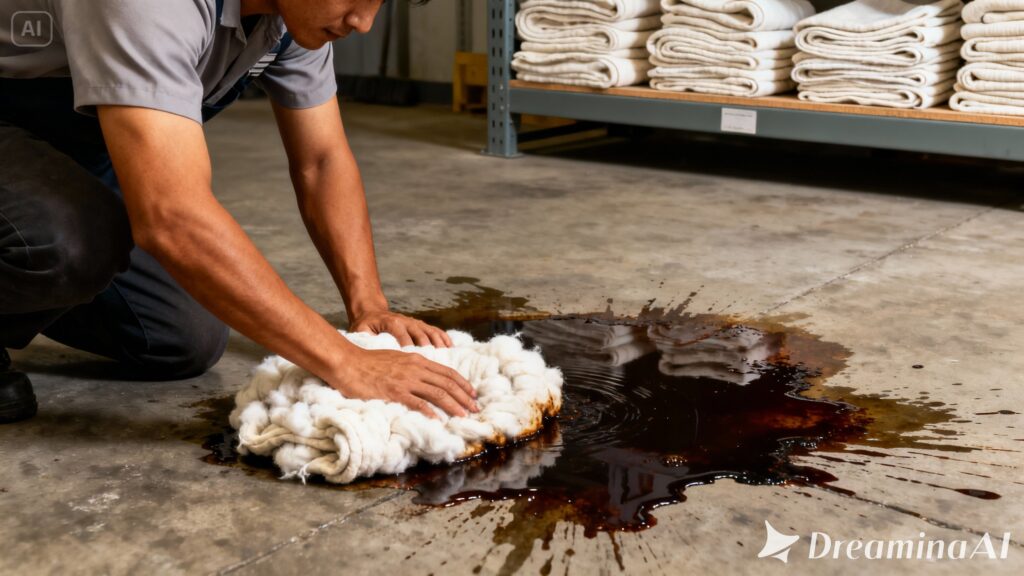
Meta Description Discover why cotton rags are used in Pakistan’s auto workshops. A real case study from Karachi shows their benefits for tools cleaning, oil wiping, and maintenance. Introduction In Pakistan’s automotive sector, especially in major cities like Karachi, cotton rags have been widely used for daily workshop operations. Their reliability, absorbency, and affordability have made them an essential cleaning material for mechanics. Additionally, as the auto industry has grown rapidly, the demand for durable wiping solutions has also increased. Therefore, cotton rags have become the preferred choice across small garages and professional workshops. 1. High Absorbency for Oil & Grease Removal In auto repair environments, technicians constantly encounter oil spills, lubricants, and grease. Cotton rags are chosen because cotton fibers naturally provide excellent absorbency. Additionally, cotton rags absorb heavy engine oil more effectively than synthetic alternatives. In the Karachi auto market, technicians repeatedly used cotton rags during engine tuning, oil changes, and mechanical adjustments because they needed to quickly wipe surfaces and prepare them for cleaning at every step. 2. Used for Tools Cleaning in All Types of Workshops Mechanics rely on cotton rags to clean spanners, screwdrivers, pliers, and specialized automotive tools. When processed correctly, cotton rags are soft and lint-free, allowing them to clean tool surfaces without scratching. Moreover, workers at Sher Shah Market and Tariq Road workshops used cotton rags to remove dirt and grease from tools after every job. As a result, they kept the tools clean and ready for repeated use throughout the day. 3. Durability for Rough, Daily Automotive Tasks Auto workshops require wiping materials that can withstand tough conditions. Cotton rags meet this requirement because strong durability is offered even when exposed to continuous friction, sharp edges, and heat from engines. In the Karachi case study, workshop owners mentioned that cotton rags lasted longer than alternative cloths, especially under heavy mechanical work. Therefore, they improved overall operational efficiency. 4. Cost-Effective for Mechanics & Workshop Owners Another major reason for the widespread adoption of cotton rags is cost savings. Since recycled cotton fabrics produce these rags, they cost less than microfiber cloths or new fabric wipes. In Karachi’s reconditioning markets and local garages, mechanics confirmed that cotton rags helped reduce daily cleaning expenses while maintaining effective performance. 5. Environmentally Friendly Due to Recycling Cotton rags come from textile waste, which benefits the environment when people use them. Reusing large amounts of fabric that would otherwise end up in landfills creates useful cleaning material. Thus, auto workshops unknowingly contribute to waste reduction while benefitting from high-quality cleaning cloths. 6. Widely Available in Karachi Auto Markets In markets such as Sher Shah, Saddar, Water Pump, and Korangi Industrial Area, vendors sell cotton rags in bulk. Their easy availability allows workshop owners to purchase them quickly and at the right price. Because the well-established supply chain allows the automotive industry in Pakistan to easily access cotton rags, it considers them the most Conclusion In conclusion, cotton rags continue to dominate Pakistan’s auto workshops because workers value their strong absorbency, low cost, durability, and wide availability. The case study from Karachi clearly shows that both small mechanics and large automotive service centers rely on cotton rags for tool cleaning, oil wiping, and general maintenance. As the automotive sector keeps expanding, the industry expects workers to continue using cotton rags as the preferred cleaning material across the country.

Uncategorized

“Cotton Rags vs Microfiber: A Complete Guide to Industrial Cleaning Performance”

Meta Description Compare cotton rags vs microfiber cloth for industrial cleaning. Learn absorbency, durability, cost, and eco-performance to choose the best option for your industry. Introduction When choosing the best wiping material for industrial cleaning, you need to make a clear and well-informed decision. Although people commonly use both cotton rags and microfiber cloths, their performance varies depending on the environment, type of cleaning, and industry demands. Therefore, you should conduct a detailed comparison to understand which option offers better value, durability, and cleaning efficiency. 1. Overview of Cotton Rags Cotton rags are produced from recycled or repurposed cotton fabric. People widely use them across Pakistan’s textile, automotive, engineering, and maintenance sectors because they consistently deliver strong absorbency and versatility. Additionally, since they are made from natural fibers, they support eco-friendly cleaning practices. 2. Overview of Microfiber Cloth Manufacturers produce microfiber cloths from synthetic fibers such as polyester and polyamide. They often promote microfiber cloths as high-performance wiping materials because their fine fibers trap dust and microscopic particles more effectively. However, microfiber cloths cost more and are less environmentally friendly because of their plastic-based composition. 3. Head-to-Head Comparison Table Feature Cotton Rags Microfiber Cloth Material Composition Natural cotton fiber Synthetic polyester + nylon Absorbency High absorbency for oil, grease, and water Moderate water absorbency, excellent for dust Durability Durable but depends on rag quality Highly durable and long-lasting Surface Safety Gentle on surfaces, lint-free (when processed) Safe but may scratch if dirty Environmental Impact Highly eco-friendly & biodegradable Not biodegradable; releases microplastics Cost Low-cost, budget-friendly Higher upfront cost Best For Heavy-duty cleaning, oil wiping, industrial spills Dusting, polishing, fine cleaning 4. Absorbency Performance Cotton rags are generally preferred for oil, grease, chemical spills, and industrial messes because cotton fibers naturally provide superior liquid absorption. In contrast, microfiber cloths perform better when you need to clean fine dust or do delicate polishing. However, microfiber cloths absorb less water than cotton in heavy industrial environments. 5. Durability & Maintenance Microfiber cloths are known for their long-term durability; however, users must wash them carefully because heat and chemicals can damage the synthetic fibers.On the other hand, cotton rags can withstand rough use, heavy wiping tasks, and industrial washing without losing performance. 6. Environmental Impact Cotton rags offer a significant advantage because manufacturers make them from recycled textile waste. As a result, they reduce landfill pressure and improve environmental sustainability. Microfiber cloths are made from plastics, and microplastic shedding may occur during washing. Therefore, their environmental score is lower. 7. Cost Comparison Industries in Pakistan perform daily wiping operations in bulk, making cotton rags far more cost-efficient. Microfiber cloth, while long-lasting, requires a higher initial investment and more careful handling Conclusion In conclusion, both cotton rags and microfiber cloths serve important purposes. However, heavy-duty industrial cleaning favors cotton rags because of their absorbency, affordability, and environmental advantages. Meanwhile, you can use microfiber cloths for polishing, dusting, and fine-surface maintenance. Ultimately, you should choose based on your industry’s specific cleaning requirements.

Uncategorized

“Pakistan’s Industrial Cleaning Breakthrough: The Rise of Recycled Cotton Rags”

Meta Description Recycled cotton rags offer powerful cleaning performance while reducing Pakistan’s textile waste. Learn their environmental benefits and industrial advantages. Introduction In recent years, industries increasingly prefer using recycled cotton rags. Rising environmental concerns, especially in countries like Pakistan where industrial textile waste grows at an alarming rate, drive this shift. Therefore, industries adopt recycled cotton rags as a more sustainable and practical cleaning solution. 1. Reduced Textile Waste in Pakistan Pakistan’s textile industry creates a significant environmental challenge, generating thousands of tons of fabric scraps and offcuts every year. Traditionally, most of this waste ends up in landfills, where it pollutes the environment and causes long-term soil contamination. However, converting these fabric leftovers into recycled cotton rags diverts a large portion of textile waste from landfills. As a result, Pakistan’s industrial waste burden decreases more effectively and sustainably. 2. Lower Environmental Impact Recycled cotton rags are considered an eco-friendly alternative because producing them does not require new resources. Since the fabric is repurposed rather than manufactured from scratch, it significantly reduces water consumption, chemical usage, and energy demand. Furthermore, since cotton is a natural biodegradable fiber, recycled rags break down more safely than synthetic cleaning materials. Consequently, the product’s lifecycle generates a lower carbon footprint. 3. Enhanced Absorbency and Cleaning Performance People often prefer recycled cotton rags because they absorb liquids better, especially oil, grease, solvents, and industrial spills. Since they have already been washed and softened during their previous use, the fibers retain liquids more effectively than new fabric. Moreover, since properly processed cotton is naturally lint-free, it delivers cleaner surfaces and more precise wiping results. This quality makes it ideal for automotive workshops, textile mills, engineering units, and general maintenance. 4. Cost Efficiency for Factories A major advantage of recycled cotton rags is that they deliver high performance at a significantly lower cost. Because manufacturers use waste materials to make them, they minimize production expenses. Consequently, factories can lower their cleaning budgets without compromising wipe quality. Over time, industries that require daily wiping operations achieve substantial savings. 5. Support for Pakistan’s Recycling Sector As the demand for recycled cotton rags has grown, thousands of people have found jobs in sorting, cutting, processing, and packing units across Pakistan. Additionally, recycling businesses now purchase more textile waste rather than discard it. Thus, local economies strengthen, and people promote a circular recycling ecosystem. 6. A Step Toward Cleaner, Greener Industry By adopting recycled cotton rags, industries help achieve Pakistan’s environmental improvement goals. They indirectly reduce air and land pollution and encourage more sustainable manufacturing habits. Most importantly, this shift shows that maintaining high cleaning standards is possible while still protecting the environment. Conclusion In conclusion, recycled cotton rags have emerged as a practical, affordable, and environmentally responsible choice for industrial cleaning. As Pakistan faces increasing textile waste challenges, the adoption of recycled rags not only reduces environmental impact but also delivers excellent cleaning performance and economic savings for factories.

Uncategorized

A Better Way to Choose Wiping Rags: Industry-Based Matrix for Smarter Cleaning Decisions

META DESCRIPTION Learn how the right wiping rags are selected for each industry. A complete decision matrix for auto, marine, textile, printing, and maintenance sectors. Introduction Choosing the right wiping rag is essential for maintaining cleanliness, efficiency, and safety within any industrial environment. Since every sector has different surface types, liquids, and cleaning requirements, you must base the selection process on performance, durability, absorbency, and material compatibility. Moreover, improper rag selection can cause wasted material, poor cleaning quality, and unnecessary cost increases. Therefore, industries need a structured approach. To help them, we have prepared a complete decision matrix to guide industries in choosing the most suitable wiping rags. Understanding Industrial Wiping Rags Wiping rag manufacturers produce wiping rags from textile waste such as hosiery, cotton jersey, fleece, woven fabric, or denim. They collect, sort, clean, and compress these materials into bales before supplying them to factories. Furthermore, their absorbency, texture, and lint level vary depending on the fabric type. Hence, each category serves a specific industrial purpose. Decision Matrix: Choosing the Right Wiping Rag by Industry We have created the following matrix to simplify the selection process across different sectors: 1. Automotive Industry (Workshops, Detailing, Lubrication Units) Requirement Ideal Rag Type Reason Oil absorption Hosiery / White Hosiery High absorbency & lint-free finish Polishing Fleece Rags Soft texture prevents scratches Surface cleaning White Cotton Rags No dye transfer; clean finish Heavy wiping Denim / Woven Rags Strong and durable for rough surfaces Thus, automotive units benefit from lint-free, soft, and durable rags that handle oil and grease effectively. 2. Marine Industry (Boats, Engine Rooms, Ports) Requirement Ideal Rag Type Reason Saltwater wiping Fleece Rags High moisture absorption Engine cleaning Coloured Cotton Rags Cost-effective for heavy dirt Polishing metals White Hosiery Smooth and lint-free Multi-surface cleaning Mixed Rags Versatile and economical Moreover, higher moisture environments require rags that can retain and release water efficiently. 3. Textile & Garment Industry Requirement Ideal Rag Type Reason Machine cleaning Coloured Rags Affordable for frequent use Oil/grease wiping Hosiery Rags Excellent absorbency Dye room cleaning Mixed Rags Resistant to staining Finishing & polishing White Hosiery No lint contamination Therefore, absorbent and economical grades are preferred in textile manufacturing. 4. Industrial Maintenance (Factories, Steel, Chemical Plants) Requirement Ideal Rag Type Reason Heavy machinery cleaning Denim / Woven Rags Tough material for rough surfaces Oil & chemical spills Hosiery Rags Strong absorbency Daily cleanup Coloured Cotton Rags Economical for bulk use Polishing valves/metals White Hosiery or Fleece Smooth finish with no lint Consequently, strong and absorbent rags are selected to handle tough industrial dirt. 5. Printing & Packaging Industry Requirement Ideal Rag Type Reason Ink wiping White Hosiery No dye mixing Machine rollers Fleece Rags High liquid retention Surface cleaning White Cotton Clean finish General wiping Mixed Rags Affordable for daily use Additionally, white rags are preferred because ink contamination needs to be avoided. Summary of Rag Types & Uses Rag Type Best For Why White Cotton Rags Polishing, glass, printing, finishing No dye transfer, lint-free Coloured Rags Heavy cleaning, machinery, grease Cost-effective Hosiery Rags Oil absorption, automotive, textile Soft + high absorbency Fleece Rags Polishing metals, detailing, marine Very soft + moisture retention Denim/Woven Rags Heavy-duty cleaning Strong and durable Mixed Rags General-purpose wiping Economical for bulk use Conclusion To summarize, the correct selection of wiping rags ensures improved cleaning efficiency, cost control, and longer equipment life. Each industry requires a specific rag type based on surface sensitivity, absorbency level, and the nature of contaminants. Consequently, a structured decision matrix enables industries to make informed and practical choices for smoother operations.

Uncategorized

Industrial Buyers’ Manual 2025: Cotton Rags Grades and Their Professional Uses in Pakistan

META DESCRIPTION Discover the main types of cotton rags available in Pakistan, including white, colour, hosiery, and fleece rags — their uses, benefits, and industrial demand. Introduction Cotton rags stand as one of the most widely used cleaning materials in Pakistan’s industrial and commercial sectors. Garment and hosiery factories generate textile waste, which they produce as fabric scraps. After collecting the fabric scraps, workers clean, sort, and compress them into bales before supplying them to different industries. Moreover, people prefer cotton rags because they achieve higher absorbency, last longer, and cost less compared to disposable alternatives. To understand their uses, we describe the various types of cotton rags available in Pakistan below. 1. White Cotton Rags White cotton rags are made from pure white T-shirt or hosiery fabric. They are lint-free, soft, and highly absorbent. Therefore, people use them to create a clean and stain-free surface. Common Uses: In addition, people prefer white cotton rags because they eliminate the risk of dye transfer, ensuring spotless cleaning performance. 2. Coloured Cotton Rags Manufacturers make coloured cotton rags from mixed-colour fabric pieces obtained from garment production waste. After sorting, workers trim and pack the rags together. They use these rags more widely in heavy cleaning tasks because they are more economical than white grades. Common Uses: Furthermore, people choose coloured rags when appearance is less critical, but they still need absorbency and strength. 3. Hosiery Cotton Rags Hosiery rags are produced from stretchable knit fabrics such as T-shirt or cotton jersey material. Due to their softness and smooth texture, they are excellent for delicate surface cleaning. Common Uses: Additionally, hosiery rags provide excellent absorbency and are ideal when a smooth and lint-free surface is needed. 4. Fleece Cotton Rags Fleece rags are obtained from sweatshirt or fleece jacket cutting waste. Their brushed texture allows excellent water and oil absorption, while their softness makes them ideal for polishing operations. Common Uses: As a result, industries prefer fleece rags when they need a gentle yet effective cleaning material. 5. Mixed Cotton Rags In some cases, workers prepare mixed cotton rags by combining different fabric types such as denim, woven, and knitted materials. They sort these rags based on durability rather than appearance, providing a cost-effective option for bulk cleaning tasks. Common Uses: Thus, people select mixed rags when they prioritize a balance between cleaning performance and price. Conclusion To summarize, several grades of cotton rags are available in Pakistan — each designed to meet specific industrial cleaning requirements. Customers choose white and hosiery rags for lint-free cleaning, while they prefer coloured, fleece, and mixed rags for general wiping and oil absorption. Consequently, the right selection of rag type ensures cost savings, efficiency, and sustainability within industrial operations.

Uncategorized

Industrial Cleaning Made Smarter: Why Textile Waste Rags Are the New Standard in 2025

META DESCRIPTION Textile waste rags are more cost-effective, absorbent, and eco-friendly than paper towels in factories. Learn how they save money and reduce waste. Introduction In industrial environments, workers constantly need cleaning materials for machinery, tools, and surfaces. Traditionally, they used paper towels for this purpose. However, most factories now prefer textile waste rags because they provide superior cleaning performance and lead to long-term cost savings. What Are Textile Waste Rags? Textile waste rags come from leftover fabric pieces generated during garment manufacturing. Workers collect, clean, sort, and press these scraps into compact bales before supplying them to factories. Therefore, factories produce these rags from recycled cotton and blended materials that would otherwise be discarded as waste. Consequently, the textile industry considers textile waste rags a sustainable cleaning solution because they promote resource reuse and support waste reduction. Cost Comparison: Textile Rags vs. Paper Towels From a cost perspective, industries find textile waste rags significantly more economical to use. While workers consume paper towels rapidly and need to repurchase them frequently, they reuse cotton rags multiple times before disposing of them. For example, a single kilogram of cotton rags can clean far more surface area than a full roll of paper towels. As a result, factories that implement textile rags reduce their total cleaning costs by nearly 40–60%. Furthermore, companies minimize storage and disposal expenses because they pack cotton rags in compressed bales, which generate less waste volume. Absorbency Comparison: Which Performs Better? In terms of absorbency, textile waste rags are far superior. They are capable of holding up to ten times their weight in liquids such as oil, grease, and water. Paper towels, on the other hand, lose strength and tear easily when saturated. Therefore, workshops and heavy industrial environments prefer cotton rags because they require a stronger wiping medium. Additionally, absorbent hosiery and fleece rags deliver smooth and lint-free cleaning performance that paper towels cannot achieve. Sustainability Benefits Moreover, textile waste rags offer one of the strongest advantages for sustainability. Since manufacturers produce them from recycled fabrics, they reduce the demand for virgin pulp used in paper towels. In this way, they conserve energy, water, and tree resources. By adopting textile rags, factories actively contribute to waste reduction, landfill diversion, and circular manufacturing practices. Thus, sustainability goals can be achieved while maintaining industrial hygiene standards. Industrial Use Cases In addition, textile waste rags are used across a wide range of sectors, including: Accordingly, they are recognized as the most practical wiping solution across Pakistan’s industrial landscape. Conclusion To summarize, textile waste rags outperform paper towels in every aspect — cost, absorbency, and sustainability. They provide a durable, reusable, and eco-friendly cleaning method that reduces both operational expenses and environmental impact.

Uncategorized

Finally a Practical Understanding: How Cotton Rags from Pakistan Solve Industrial Cleaning at Scale

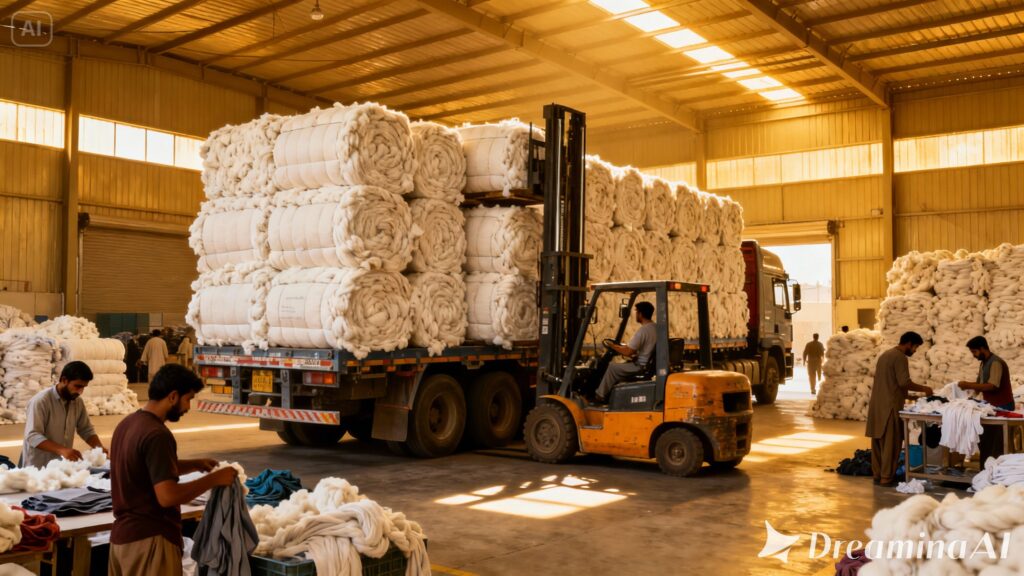
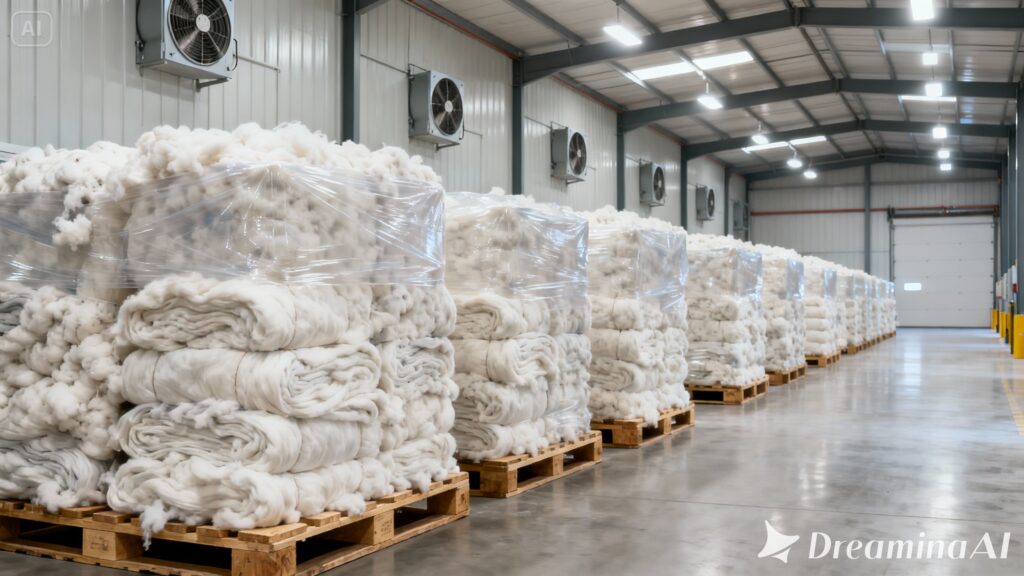
META DESCRIPTION Pakistani industries widely use cotton rags for cleaning, polishing, and surface preparation. Learn how manufacturers produce, grade, and supply cotton rags. Introduction Industrial sectors in Pakistan consider cotton rags one of their most essential consumables. Over 70% of factories rely on them daily. People prefer cotton rags over tissue rolls or microfiber because they find them to be an economical cleaning solution. Therefore, businesses purchase cotton rags on a large commercial scale. What are Cotton Rags? Cotton rags mainly consist of leftover cutting pieces or waste fabric generated from garment production units. Workers sort, trim, clean, and pack these pieces into compressed bales. Then, they supply the bales to different industries for cleaning and wiping purposes. Producers use textile waste to create cotton rags, which serve as a low-cost absorbent cleaning material. How cotton rags produced in pakistan The manufacturing process typically involves the following steps: As a result, we prepare a neat and pure wiping material for industrial clients. Grades of Cotton Rags Sold in Pakistan Furthermore, manufacturers commonly categorize cotton rags into three grades. Grade Material Quality Best Usage Premium White 100% cotton / t-shirt / hosiery Automotive & Aerospace Polishing Mix Color Hosiery Cotton blends / knits Factories & Maintenance Units Mix Denim / Woven Jeans / twill Heavy Machinery Workshops According to the cleaning requirements, each grade is purchased based on its characteristics. Where cotton rags are used Additionally, cotton rags are used in various applications. Hence, industries consider cotton rags the standard wiping solution. Why Cotton Rags are Better than Tissue / Microfiber Lastly, people select cotton rags because they deliver economical cleaning performance. As a result, the process achieves outstanding wiping performance at low cost. Conclusion To summarize, garment cutting waste generates cotton rags, which are then cleaned and packed for industrial supply.because they deliver economical cleaning performance, so most industrial units in Pakistan rely on them daily.

Uncategorized

“Your Complete Checklist for Selecting the Best Cotton Rag Supplier”

Meta Description Learn what to look for in a cotton rag supplier, from quality and certifications to delivery reliability and sustainability. Follow this checklist to find trusted suppliers for your business. Introduction Choosing the right cotton rag supplier is essential for ensuring consistent quality, reliability, and sustainable sourcing. With so many options in the market, selecting a supplier that truly meets your standards can be challenging. This guide highlights the key factors — from product quality and certifications to delivery efficiency and ethical practices — that help businesses make the right choice. Checklist: Quality, Volume, Delivery, and Certifications In today’s competitive textile market, choosing the right cotton rag supplier can make a significant difference in your business operations. Whether your focus is on manufacturing, cleaning, or distribution, partnering with a supplier who maintains consistent quality, reliability, and ethical standards is essential. Therefore, this ensures smooth operations and enhances customer satisfaction. Additionally, selecting a supplier with a strong reputation can help you stay ahead of industry trends and meet your company’s long-term goals. Here’s a comprehensive checklist to help you evaluate and select the right supplier for your needs. 1. Quality and Material Consistency Quality should always be the first priority. High-grade cotton rags should be absorbent, lint-free, and durable. A reliable supplier makes sure that all rags are produced from clean, sorted, and recycled textiles, meeting specific size and quality standards. 2. Volume and Supply Capability Another crucial aspect to consider is a supplier’s ability to meet your volume requirements. Businesses that depend on bulk orders must ensure that suppliers have the infrastructure and stock capacity to handle large-scale or repeat orders without delays.Additionally, it’s essential to confirm whether the supplier offers custom packaging or rag sorting options based on your operational preferences. 3. Delivery and Logistics Efficiency Timely delivery plays a vital role in maintaining workflow continuity. A dependable cotton rag supplier should provide clear delivery timelines, transparent tracking, and flexible shipping options.Moreover, it’s advisable to choose suppliers with established logistics networks, ensuring that orders are processed quickly and cost-effectively, especially for international clients. 4. Certifications and Compliance Certifications reflect a supplier’s commitment to quality, ethics, and sustainability. Look for suppliers certified under standards such as: These certifications ensure that your cotton rags are produced responsibly and align with global sustainability goals. 5. Sustainability and Ethical Practice Today, businesses are expected to align with ESG (Environmental, Social, and Governance) goals. Selecting a supplier who sources materials ethically, promotes fair labor, and uses eco-friendly processes enhances your brand reputation and environmental contribution.Working with suppliers committed to sustainability also helps reduce carbon footprints and promotes responsible textile recycling. Conclusion Selecting the right cotton rag supplier requires careful consideration of quality, capacity, delivery reliability, and ethical certifications. By partnering with a supplier that values both performance and sustainability, businesses can achieve operational efficiency while contributing to a greener planet.Ultimately, a reliable supplier relationship becomes an investment in quality, trust, and long-term success.

Uncategorized

“Reusable, Reliable, Responsible: Cotton Rags in Art and Education”

Meta Description Discover how cotton rags support classrooms and art education through creativity, maintenance, and sustainability. Learn why schools are choosing reusable materials for eco-friendly learning. Introduction In today’s classrooms and art studios, sustainability and creativity go hand in hand. Cotton rags have become a smart, eco-friendly choice for schools — perfect for cleaning, crafting, and maintaining art spaces. Their reusable, durable, and lint-free nature makes them ideal for everything from wiping brushes to keeping classrooms spotless, all while teaching students the importance of eco-conscious habits in everyday learning. Relevance in Schools, Crafts, and Maintenance In today’s classrooms, the focus on sustainability and creativity is growing stronger than ever. Among the many tools that support both goals, cotton rags stand out as simple yet versatile essentials. Whether used in art projects, school maintenance, or daily classroom activities, these eco-friendly materials help schools stay both clean and conscious. 1. Supporting Creativity in Art Education Art classes often involve paints, glues, and various materials that can easily create a mess. Cotton rags are perfect for cleaning brushes, wiping surfaces, and managing spills without producing excess waste.Unlike disposable paper towels, cotton rags can be washed and reused multiple times, reducing costs while promoting eco-friendly habits among students. Moreover, their soft, lint-free texture ensures delicate surfaces — such as canvases or desks — remain undamaged. 2. Encouraging Sustainability in Schools Sustainability is now an integral part of education. Schools are teaching students to make environmentally responsible choices, and using cotton rags is a practical example of that philosophy.By replacing disposable wipes and tissues with reusable cotton rags, institutions significantly cut down on waste and operational expenses. In addition, this shift encourages students to value reusability and waste reduction as lifelong habits. 3. Maintenance and Cleaning Efficiency Beyond art classes, cotton rags are also highly effective for routine maintenance tasks. Custodial staff often use them to clean glass, desks, and furniture surfaces since they are absorbent, durable, and quick-drying.Their natural fibers make them ideal for both dry and wet cleaning, offering a cost-effective and sustainable alternative to synthetic cleaning materials. As a result, schools not only save resources but also reduce their environmental footprint. 4. Teaching Through Example When students see sustainable materials like cotton rags being used daily, they learn that small changes can make a big impact. Incorporating these eco-friendly tools into classroom routines subtly reinforces the idea that sustainability begins with everyday choices. Conclusion Cotton rags may seem simple, but their role in education, creativity, and sustainability is undeniable. From keeping art rooms clean to promoting eco-awareness, they prove that even the smallest classroom tools can contribute to a greener, smarter future.By choosing reusable cotton rags, schools embrace a solution that supports both learning and the planet.

Uncategorized

“Building a Better Tomorrow: AASCO’s Path to Sustainable and Ethical Production”

Meta Description Discover how AASCO leads the way in sustainable manufacturing through ESG-driven practices, ethical sourcing, and international certifications. Learn how responsibility fuels their innovation. Introduction At AASCO, sustainability isn’t just a goal — it’s a guiding principle. ESG-driven practices shape every stage of production, from material sourcing to manufacturing, prioritizing environmental care, ethical labor, and long-term responsibility. By partnering with certified suppliers and maintaining globally recognized standards, AASCO continues to set a benchmark for ethical, transparent, and sustainable manufacturing. ESG-Driven Manufacturing, Ethical Sourcing, and Global Certifications In a world where environmental and social responsibility are no longer optional, AASCO has placed sustainability at the core of its operations. The company’s approach to responsible manufacturing goes beyond compliance — it reflects a deep-rooted commitment to ESG (Environmental, Social, and Governance) principles that drive every aspect of its decision-making. 1. ESG at the Heart of AASCO’s Manufacturing AASCO designs its manufacturing processes with both efficiency and environmental care in mind. It continuously optimizes every stage of production, from reducing carbon emissions to minimizing waste.Moreover, by integrating ESG-driven strategies, AASCO ensures that sustainable innovation remains a long-term priority rather than a short-term goal. The company’s production lines utilize energy-efficient technologies, and it closely monitors water and chemical usage to promote responsible resource management. 2. Ethical and Responsible Sourcing Sustainability doesn’t end at manufacturing — it begins with sourcing. AASCO takes pride in building transparent and ethical supply chains, ensuring responsible procurement of every material. Through partnerships with certified suppliers, the company guarantees respect for labor rights and ensures that materials are obtained under fair trade and environmentally sound conditions. This commitment helps ensure that the impact of AASCO’s products remains positive from origin to output. Additionally, by prioritizing locally sourced and renewable materials, AASCO reduces its transportation footprint, thereby contributing to lower greenhouse gas emissions and more sustainable logistics. 3. Certified for Trust and Transparency To validate its sustainability initiatives, AASCO adheres to internationally recognized certifications. The company’s operations meet stringent environmental and ethical standards under programs such as: These certifications not only reinforce AASCO’s credibility but also give customers confidence that every product is created responsibly and transparently. 4. Social Responsibility and Governance Beyond environmental efforts, AASCO is deeply committed to community welfare and employee well-being. Fair labor practices, safe working conditions, and continuous skill development programs are integral to the company’s governance model.Through active participation in CSR initiatives, AASCO supports education, local development, and environmental restoration programs — embodying the principle that business growth should uplift communities as well as markets. 5. A Vision for a Sustainable Future AASCO’s sustainability journey is not static; it evolves with global standards and customer expectations. The company continues to invest in green technologies, recyclable packaging, and closed-loop production systems to further reduce waste.By aligning its goals with the United Nations Sustainable Development Goals (SDGs), AASCO reinforces its mission to build a business model that prioritizes people, the planet, and long-term prosperity. Conclusion Through ESG-focused manufacturing, ethical sourcing, and globally recognized certifications, AASCO demonstrates what responsible industry leadership looks like. Each initiative — whether reducing emissions, sourcing ethically, or earning certifications — is a step toward a cleaner, fairer, and more sustainable world.AASCO’s sustainability promise is more than a corporate policy; it is a commitment to future generations and the planet we share.

Scroll to Top