Author name: admin

Uncategorized

Why Mechanics Choose Heavy GSM Cotton Rags for Deep Cleaning

Meta Description Discover why mechanics prefer heavy GSM cotton rags for deep cleaning, with analysis of absorbency, strength, and reuse cycles for better performance. Introduction Mechanics work in environments filled with oil, grease, and stubborn residues. Therefore, they need cleaning materials that can handle tough conditions without failing. While many options exist, heavy GSM cotton rags consistently stand out. Because GSM (grams per square meter) directly affects thickness and absorbency, mechanics often prefer higher GSM cotton rags for deep cleaning tasks. This review explains how GSM, strength, and reuse cycles influence performance in automotive and industrial settings. What Does GSM Mean in Cotton Rags? GSM measures the weight and density of fabric. In simple terms, higher GSM means thicker and heavier material. Therefore, when mechanics deal with thick grease and oil, they naturally choose higher GSM cotton rags. Why Mechanics Prefer Heavy GSM Cotton Rags 1. Superior Oil and Grease Absorption Heavy GSM cotton rags contain dense fibers that absorb oil quickly. As a result, mechanics can clean engine parts and tools more efficiently. In contrast, thin materials often require multiple wipes, which slows down work. 2. Strong Fabric Structure Higher GSM fabrics provide better strength. Mechanics often scrub hard surfaces, including metal parts and machinery components. Because heavy cotton rags resist tearing, they perform reliably even under pressure. 3. Better Grip and Handling Thicker cotton rags offer improved grip. Therefore, mechanics can hold tools and wipe surfaces more effectively, even when working with oil-covered parts. Feature Analysis: GSM, Strength, and Performance GSM vs Cleaning Efficiency Higher GSM improves absorbency and reduces the number of rags required per task. Consequently, mechanics save both time and material. Strength and Durability Heavy GSM cotton rags maintain structure even after repeated use. As a result, they handle scrubbing, twisting, and squeezing without damage. Reuse Cycles One of the biggest advantages is reusability. Mechanics can wash heavy GSM cotton rags multiple times. Therefore, although high GSM rags cost more initially, they reduce long-term expenses. Cost vs Performance Balance At first glance, heavy GSM cotton rags may seem expensive. However, their durability and reusability lower the cost per use. For example: Consequently, workshops achieve better efficiency and cost savings over time. Where Heavy GSM Cotton Rags Work Best Mechanics commonly use them in: Because these tasks require strength and absorbency, heavy GSM rags perform better than lighter alternatives. Choosing the Right GSM for Your Workshop To get the best results, mechanics should: Additionally, buyers should test samples before bulk purchasing. Conclusion Heavy GSM cotton rags offer superior performance in deep cleaning tasks. Their high absorbency, strong structure, and long reuse cycles make them ideal for mechanics and industrial workers. Ultimately, when workshops invest in high GSM cotton rags, they improve efficiency, reduce costs, and achieve better cleaning results in demanding environments.

Uncategorized

Hospital Hygiene Made Safe Cotton Rags Sterilisation Explained

Meta Description Learn how hospitals use cotton rags safely with proper sterilisation methods and disinfection protocols to maintain hygiene and prevent contamination. Introduction Hospitals require strict hygiene standards to prevent infections and ensure patient safety. Therefore, every cleaning material must meet defined sanitation protocols. Although many facilities use disposable wipes, hospitals still use cotton rags in controlled areas when staff follow proper sterilisation procedures. Because cotton rags offer durability and absorbency, they can support cleaning operations effectively. However, healthcare teams must handle, disinfect, and store them correctly to avoid contamination. Where Hospitals Use Cotton Rags Hospitals do not use cotton rags in all areas. Instead, staff use them in non-critical cleaning zones, such as: However, staff must avoid using cotton rags on critical medical instruments or sterile surgical areas. Why Sterilisation Is Essential Hospitals deal with bacteria, viruses, and contaminants daily. Therefore, improper cleaning materials can spread infections instead of preventing them. When staff reuse cotton rags without proper disinfection, microorganisms can survive and transfer to other surfaces. Consequently, hospitals must implement strict sterilisation protocols. Standard Disinfection Protocol for Cotton Rags Healthcare facilities follow structured cleaning and sterilisation steps to ensure safety. 1. Collection and Segregation First, staff collect used cotton rags in designated containers. They separate them based on usage areas (e.g., floors, general surfaces). This step prevents cross-contamination between clean and dirty zones. 2. Pre-Cleaning Next, workers remove visible dirt, dust, and debris. They rinse rags with water to eliminate loose contaminants before washing. As a result, the main cleaning process becomes more effective. 3. Washing with Detergent Laundry teams wash cotton rags using industrial detergents. They use high-temperature water to break down grease, dirt, and organic material. Typically: This step removes most contaminants from the fabric. 4. Disinfection and Sterilisation After washing, staff disinfect rags using approved methods. Common Methods: These methods kill bacteria and harmful microorganisms effectively. 5. Drying Process Proper drying is essential. Staff dry rags completely using: Moisture can promote bacterial growth. Therefore, complete drying ensures hygiene. 6. Inspection and Quality Check Supervisors inspect rags after cleaning. They remove any damaged, stained, or contaminated pieces. As a result, only safe and usable rags return to circulation. 7. Safe Storage Finally, staff store clean cotton rags in sealed, hygienic containers. They keep them away from contaminated areas. Proper storage prevents recontamination before use. Best Practices for Hospitals To maintain safety, healthcare facilities should: These practices reduce risks and improve cleaning efficiency. Advantages of Cotton Rags in Healthcare Settings When hospitals manage them correctly, cotton rags offer: Therefore, controlled usage provides both economic and practical advantages. Conclusion Hospitals can use cotton rags safely when they follow strict sterilisation and disinfection protocols. By implementing proper washing, chemical treatment, drying, and storage procedures, healthcare facilities minimize contamination risks. Ultimately, disciplined handling and hygiene practices ensure that cotton rags support safe and effective hospital cleaning operations.

Uncategorized

Marine Cleaning in Action Cotton Rags for Ships and Ports

Meta Description Discover how cotton rags support marine and ship cleaning at Karachi Port, offering effective grease removal, durability, and cost-efficient maintenance solutions. Introduction Marine environments demand tough and reliable cleaning solutions. Ships, engines, and dock equipment constantly face exposure to saltwater, oil, and heavy grease. Therefore, maintenance teams must use materials that can handle harsh conditions without failing. Cotton rags have become a preferred solution across Pakistan’s ports, especially in Karachi Port, where daily operations require fast and effective cleaning. This case highlights how cotton rags support marine cleaning and grease removal in real port conditions. The Challenge of Marine Cleaning Ships and port equipment operate in one of the most demanding environments. Saltwater causes corrosion, while engines produce oil and grease continuously. As a result, surfaces quickly become dirty, slippery, and unsafe. Moreover, marine crews must clean: Because these areas require constant maintenance, cleaning materials must deliver both strength and absorbency. Why Cotton Rags Work Best in Marine Conditions Cotton rags offer several advantages that suit marine environments. High Oil and Grease Absorption Cotton fibers naturally absorb oil and grease. Therefore, workers can remove thick residues from engines and metal parts quickly. Strong and Durable Marine cleaning often involves rough surfaces and heavy scrubbing. Cotton rags resist tearing, even when soaked with oil. Reusable and Cost-Effective Port operations require large quantities of cleaning materials. Because workers can reuse cotton rags, they reduce costs significantly. Safe for Metal Surfaces Unlike abrasive materials, cotton does not scratch painted or polished surfaces. Consequently, it protects valuable equipment. Case Study: Karachi Port Operations At Karachi Port, maintenance crews handle continuous vessel traffic, cargo movement, and machinery operation. Therefore, cleaning remains a daily priority. Engine Room Cleaning Technicians use cotton rags to wipe oil leaks around engines and pipelines. Because cotton absorbs thick grease quickly, workers reduce cleaning time. Deck Maintenance Saltwater and fuel spills frequently affect ship decks. Workers rely on cotton rags to remove slippery residues and improve safety. Equipment and Tool Cleaning Dock workers clean cranes, winches, and tools using cotton rags. As a result, they maintain equipment performance and prevent corrosion. Marine Grease Removal: Why Cotton Outperforms Alternatives Although some operators use disposable wipes, cotton rags provide better results in marine conditions. Therefore, most port operators prefer cotton rags for long-term efficiency. Cost and Supply Benefits in Pakistan Pakistan’s textile industry produces large volumes of cotton waste. Consequently, suppliers convert this waste into affordable cotton rags. For ports like Karachi Port, this creates a reliable local supply. In addition: As a result, port operators maintain cost control without compromising performance. Best Practices for Marine Use To maximize performance, marine teams should follow these practices: These steps ensure consistent cleaning results and maintain hygiene standards. Conclusion Marine cleaning requires materials that can handle oil, salt, and continuous use. Cotton rags meet these demands through high absorbency, durability, and cost efficiency. At Karachi Port, they play a key role in maintaining ships and equipment. Ultimately, cotton rags remain a practical and reliable solution for grease removal and marine maintenance across Pakistan’s ports.

Uncategorized

Waste to Wealth Cotton Rag Business Opportunities for Textile Mills

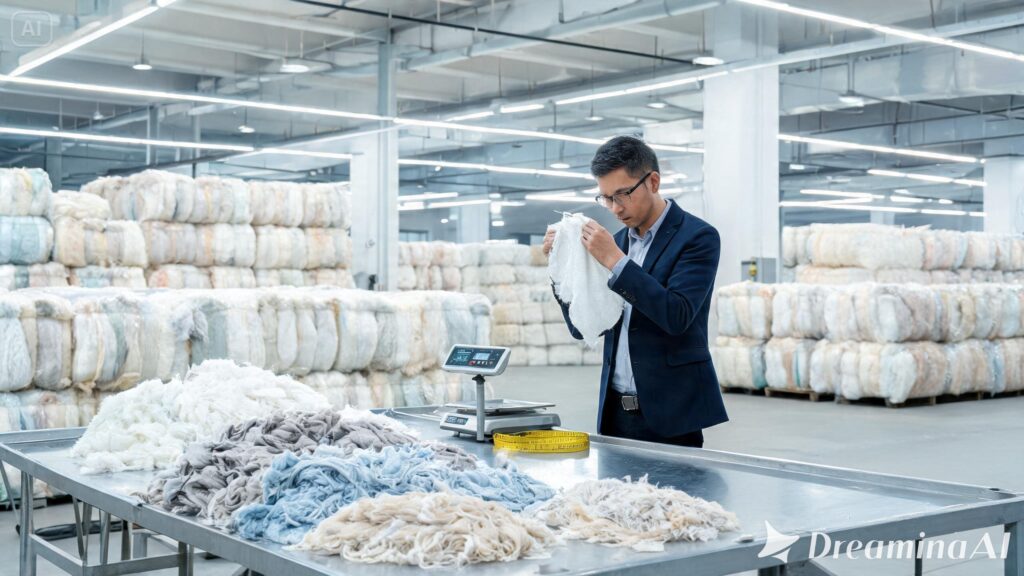
Meta Description Learn how textile mills can earn extra income by selling cotton rags through dealers, recycling units, and export channels while maximizing profit from textile waste. Introduction Textile mills generate large volumes of fabric waste during cutting, stitching, and finishing. However, instead of treating these leftovers as waste, mills can convert them into a steady revenue stream. Therefore, by organizing collection and selling cotton rags strategically, mills can reduce waste and increase profitability. This guide explains how textile mills can monetize cotton rags and which resale channels and dealers offer the best returns. Why Cotton Rag Resale Makes Business Sense First, cotton scraps still contain valuable fibers. Consequently, industries purchase these materials for cleaning, polishing, and maintenance. Moreover, mills already produce this material as a byproduct. As a result, they can generate extra income without additional production costs. In addition, selling rags reduces disposal expenses and supports sustainable practices. Types of Sellable Cotton Waste Before selling, mills should identify and separate different categories: Proper segregation increases resale value significantly. Main Resale Channels for Cotton Rags 1. Local Rag Dealers Local dealers operate in major industrial cities and purchase cotton waste in bulk. They sort, process, and resell it to factories and workshops. Benefits: However, dealers often negotiate lower prices. Therefore, mills should compare multiple buyers before finalizing deals. 2. Recycling Units and Processors Recycling companies convert cotton waste into usable rags or fibers. These units often pay better rates for clean and well-sorted material. Advantages: Therefore, mills that maintain quality can build profitable partnerships. 3. Direct Industrial Buyers Many industries purchase cotton rags directly, including: By selling directly, mills eliminate middlemen and increase profit margins. However, this approach requires strong networking and consistent supply. 4. Export Markets Exporters buy cotton rags in bulk and supply international markets such as the UAE, Europe, and Africa. Key benefits: However, mills must meet quality standards and packaging requirements for export. 5. Online B2B Platforms Digital platforms allow mills to connect with buyers globally. Examples include: As a result, mills can reach more buyers and negotiate better prices. Pricing Factors That Affect Profit Several factors influence cotton rag pricing: Therefore, mills that maintain high-quality standards can maximize profits. How to Increase Income from Cotton Rags To earn more, mills should follow these strategies: 1. Sort at Source Workers should separate cotton waste during production. This improves quality and resale value. 2. Build Dealer Relationships Long-term partnerships ensure consistent demand and better pricing. 3. Sell in Bulk Bulk quantities attract serious buyers and higher rates. 4. Improve Quality Control Clean, contamination-free rags always sell at premium prices. 5. Explore Multiple Channels Instead of relying on one buyer, mills should diversify sales channels. Common Mistakes to Avoid Many mills lose potential revenue due to simple mistakes: Avoiding these mistakes helps maximize earnings. Conclusion Textile mills can transform cotton waste into a valuable income stream by selling cotton rags through the right channels. Whether through local dealers, recycling units, direct buyers, or export markets, each option offers unique advantages. Therefore, mills that focus on quality, sorting, and strategic selling can significantly increase their profits while reducing waste. Ultimately, cotton rag resale provides both economic and environmental benefits.

Uncategorized

How to Buy Cotton Rags in Bulk in Pakistan: 2025 Price Guide & Cost Factors

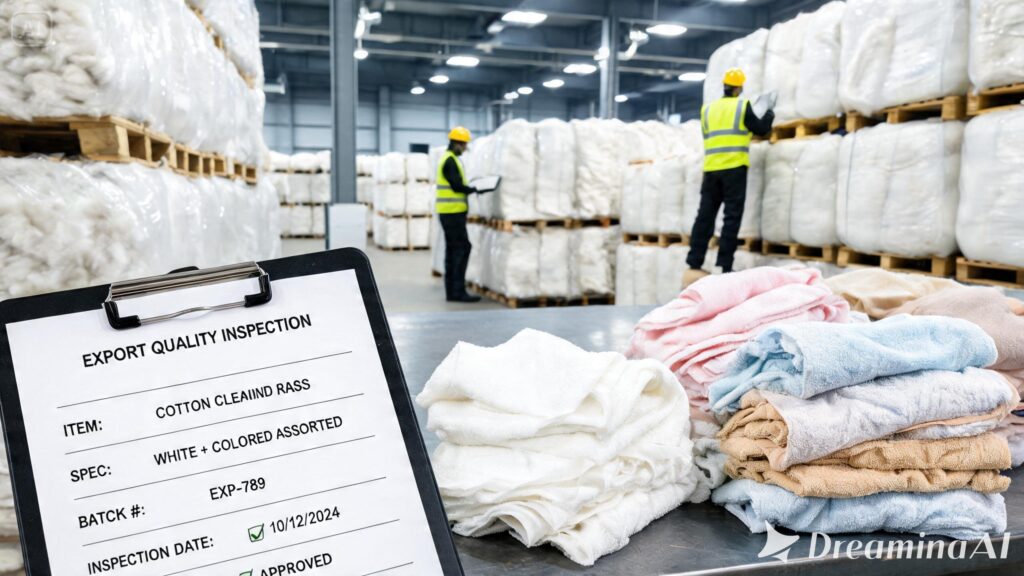
Meta Description Learn how to buy cotton rags in bulk in Pakistan with 2025 price insights, supply chain cost drivers, and transportation factors to reduce procurement costs. Introduction Buying cotton rags in bulk has become essential for industries such as manufacturing, automotive, textile, and oil & gas. However, many buyers struggle to understand pricing and hidden costs. Therefore, businesses must evaluate both quality and supply chain factors before making bulk purchases. In 2025, cotton rag prices in Pakistan vary significantly depending on quality, sourcing, and logistics. This guide explains how to buy in bulk and what factors influence pricing. 1. Current Cotton Rag Prices in Pakistan (2025) Bulk cotton rag prices in Pakistan typically range between: Prices vary based on type: Therefore, understanding your application helps avoid overpaying. 2. Types of Cotton Rags Available Before purchasing, buyers must choose the correct type: Each type serves different industries, and wrong selection can increase cost and reduce efficiency. 3. Key Price Factors in 2025 a. Raw Material Availability Cotton rags mainly come from textile waste and garment scraps. When supply decreases, prices increase. Therefore, textile production directly affects rag pricing. b. Labor Costs Workers perform sorting, cutting, and packing manually. As wages rise in Pakistan, production costs also increase. Consequently, final prices increase. c. Quality & GSM Higher GSM (thicker fabric) means better absorbency but higher cost. Premium cotton rags always cost more due to better performance. d. Packaging Type Because packaging adds handling and material expenses, bulk buyers prefer bales. 4. Supply Chain Cost Drivers The cotton rag supply chain includes multiple stages: Each stage adds cost. Therefore, inefficient supply chains result in higher prices. Additionally, suppliers with direct factory sourcing offer better rates because they reduce middlemen. 5. Transportation Costs in Pakistan Transportation plays a major role in final pricing. Key cost elements include: As fuel costs rise, logistics costs increase significantly. Therefore, nearby suppliers often provide better pricing. 6. How to Buy Cotton Rags in Bulk (Step-by-Step) Step 1: Define Your Requirement Select type, GSM, and quantity based on your industry. Step 2: Shortlist Suppliers Choose reliable suppliers with consistent supply and good reviews. Step 3: Request Samples Always test absorbency, cleanliness, and lint level before bulk purchase. Step 4: Compare Prices Analyze per kg rates including transport and packaging. Step 5: Start with Trial Order Place a small order first to avoid risk. 7. Tips to Get Better Prices These strategies help reduce procurement costs significantly. Conclusion Buying cotton rags in bulk in Pakistan requires more than just comparing prices. Businesses must evaluate quality, supply chain transparency, and transportation costs to make smart decisions. In 2025, factors such as raw material availability, labor, packaging, and logistics strongly influence pricing. Therefore, companies that understand these cost drivers can negotiate better deals and secure reliable supply. Ultimately, a strategic approach to procurement ensures both cost efficiency and consistent cleaning performance.

Uncategorized

How to Store Cotton Rags Properly to Prevent Contamination and Damage

Meta Description Learn the best storage conditions for cotton rags, including humidity control, pallet stacking, and warehouse rules to prevent contamination and maintain quality. Introduction Proper storage plays a critical role in maintaining the quality of cotton rags. Even high-quality rags can lose their effectiveness if businesses store them in poor conditions. Therefore, companies must follow structured storage practices to prevent contamination, moisture damage, and material degradation. By controlling humidity, organizing pallet stacking, and enforcing warehouse rules, businesses can protect cotton rags and ensure consistent performance in industrial use. Why Proper Storage Matters Cotton rags absorb moisture, dust, and contaminants easily. As a result, improper storage can lead to: Therefore, proper storage is not optional it directly impacts product quality and usability. 1. Humidity Control First, businesses must control humidity levels in storage areas. Cotton fibers naturally absorb moisture from the air. Consequently, high humidity can lead to mold, odor, and fabric damage. Best Practices By maintaining stable humidity, companies preserve fabric quality and prevent microbial growth. 2. Proper Pallet Stacking Next, organized pallet stacking helps protect cotton rags from contamination and physical damage. Key Guidelines Additionally, proper stacking reduces the risk of moisture absorption from floors and improves warehouse organization. 3. Clean and Controlled Warehouse Environment A clean warehouse environment ensures that cotton rags remain free from contamination. Important Rules Furthermore, businesses should assign designated storage zones for cotton rags to maintain hygiene standards. 4. Packaging and Protection Packaging plays a key role in protecting cotton rags during storage and transportation. Recommended Practices As a result, proper packaging preserves cleanliness and extends shelf life. 5. Inventory Management and Rotation Efficient inventory management prevents long term storage issues. Best Practices Therefore, regular monitoring ensures that businesses use cotton rags before quality declines. 6. Handling Procedures Even well stored cotton rags can become contaminated through improper handling. Guidelines Consequently, controlled handling maintains product integrity throughout storage. Conclusion Proper storage conditions play a vital role in maintaining the quality and safety of cotton rags. By controlling humidity, organizing pallet stacking, and enforcing strict warehouse rules, businesses can prevent contamination and extend product usability. Ultimately, when companies implement these best practices, they ensure consistent performance, reduce waste, and maintain high industrial standards.

Uncategorized

The Hidden Backbone of Industry Cotton Rags Across 10 Sectors

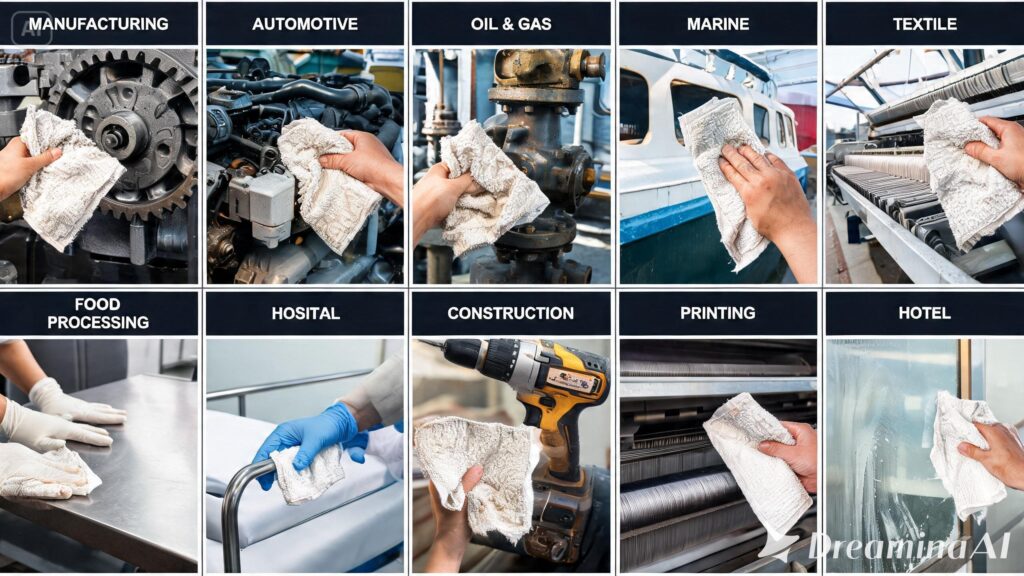
Meta Description Explore how cotton rags serve as the hidden backbone across 10 industrial sectors, supporting cleaning, maintenance, and cost effective daily operations. Introduction Industries rely on efficient cleaning and maintenance practices to ensure smooth operations. Therefore, businesses across multiple sectors use cotton rags daily for wiping, polishing, and spill control. Because cotton rags offer high absorbency, durability, and cost efficiency, they remain a preferred solution in demanding environments. From heavy machinery cleaning to delicate surface polishing, different industries depend on cotton rags for various applications. Below are the top industrial segments where cotton rags play a critical role. 1. Textile Industry The textile sector uses cotton rags extensively for cleaning machines, removing lint, and maintaining production areas. Moreover, workers use soft cotton rags to handle delicate fabrics without causing damage. 2. Leather Industry Leather processing requires careful handling and finishing. Therefore, workers use cotton rags to apply polish, remove excess chemicals, and clean surfaces. Soft cotton ensures a smooth and damage free finish. 3. Oil & Gas Industry Oil and gas operations generate heavy grease, oil spills, and residues. Consequently, technicians rely on highly absorbent cotton rags to clean equipment, pipelines, and tools efficiently. 4. Automotive Workshops Automotive repair shops use cotton rags daily for engine cleaning, oil wiping, and tool maintenance. Because cotton absorbs grease effectively, mechanics complete cleaning tasks faster. 5. Manufacturing Plants Factories use cotton rags for general maintenance, machine cleaning, and spill control. Additionally, workers use them to maintain safety by keeping surfaces clean and dry. 6. Printing Industry The printing sector requires lint free cleaning materials. Therefore, workers prefer high quality cotton rags to clean printing machines without leaving fibers that could affect print quality. 7. Marine Industry Marine operations involve constant exposure to oil, water, and salt. As a result, technicians use cotton rags to clean engines, decks, and mechanical components. 8. Construction Industry Construction sites require regular equipment cleaning. Workers use cotton rags to wipe tools, remove grease, and maintain heavy machinery. 9. Food Processing Industry Food facilities use specific types of clean cotton rags for equipment cleaning and maintenance. However, they follow strict hygiene standards to ensure safe usage. 10. Janitorial and Facility Management Cleaning companies and facility managers rely on cotton rags for daily cleaning tasks. Because they are reusable and cost effective, they help reduce operational expenses. Why Cotton Rags Are Preferred Across Industries Although each industry has unique requirements, cotton rags offer universal advantages: Therefore, businesses continue to choose cotton rags as a reliable cleaning solution. Conclusion Cotton rags serve as an essential tool across various industrial segments, including textile, leather, oil & gas, automotive, and manufacturing. Their ability to handle both heavy duty and delicate tasks makes them highly valuable. Ultimately, when industries adopt high quality cotton rags, they improve efficiency, reduce costs, and support sustainable practices.

Uncategorized

How to Identify Premium Quality Cotton Rags During Procurement

Meta Description Learn how to identify premium quality cotton rags during procurement with a checklist covering GSM, stitching, contamination, and absorbency for better performance. Introduction Procurement teams often focus on price when purchasing cotton rags. However, quality directly impacts cleaning efficiency, durability, and long-term cost. Therefore, buyers must evaluate cotton rags carefully before placing bulk orders. Premium-quality cotton rags deliver better absorbency, reduce material waste, and improve industrial performance. In contrast, low-quality rags increase consumption and disrupt operations. This guide explains how to identify high-quality cotton rags using practical evaluation criteria such as GSM, stitching, and contamination control. Why Quality Matters in Cotton Rag Procurement High-quality cotton rags improve cleaning speed and reduce the number of rags required per task. As a result, businesses lower operational costs over time. Moreover, consistent quality ensures reliable performance across different applications, including oil wiping, polishing, and maintenance. Therefore, procurement teams should follow a structured checklist before finalizing suppliers. Key Factors to Identify Premium Cotton Rags 1. Fabric Composition (100% Cotton vs Blends) First, check the fabric composition. Premium rags use 100% cotton fibers, which provide superior absorbency and softness. In contrast, blended fabrics often contain polyester or synthetic fibers. These materials reduce absorbency and may leave residues during cleaning. Therefore, always confirm material purity with suppliers. 2. GSM (Grams per Square Meter) GSM measures fabric thickness and density. It directly affects absorbency and durability. Therefore, for industrial applications, choose medium to high GSM cotton rags to ensure better performance. 3. Stitching and Cut Quality Next, examine stitching and cutting standards. Premium suppliers provide: Poorly cut rags often shed fibers and reduce cleaning efficiency. Additionally, uneven sizes create inconvenience during usage. Therefore, consistent cutting improves both usability and product quality. 4. Contamination and Cleanliness Contamination remains one of the most critical quality concerns. Buyers must ensure that cotton rags are free from: Reliable suppliers sort and clean materials before packaging. Consequently, contamination risks decrease significantly. 5. Lint Level and Fiber Shedding Lint affects performance, especially in sensitive environments such as printing, electronics, and polishing. Premium cotton rags produce low lint and maintain fiber integrity during use. Therefore, always test samples by wiping smooth surfaces to check fiber shedding. 6. Absorbency Test Absorbency determines how effectively rags handle oil, water, and grease. To test: High-quality cotton rags absorb quickly and retain liquids efficiently. As a result, workers use fewer rags per task. 7. Packaging and Sorting Standards Professional suppliers maintain proper sorting and packaging systems. For example: Good packaging protects rags from contamination during storage and transport. Therefore, it reflects supplier reliability. Quick Procurement Checklist Before purchasing, verify the following: Common Mistakes to Avoid Although many buyers focus on price, this approach often leads to poor results. Avoid these mistakes: Instead, prioritize performance and long-term value. Conclusion Identifying premium quality cotton rags requires careful evaluation of fabric composition, GSM, stitching, contamination, and absorbency. When procurement teams follow a structured checklist, they secure better performance and reduce long term costs. Ultimately, high quality cotton rags improve cleaning efficiency, support industrial operations, and deliver consistent results across applications.

Uncategorized

Best Cotton Rags for Auto Workshops in Pakistan’s Automotive Industry

Meta Description Discover why auto workshops in Pakistan rely on cotton rags for oil wiping, tool cleaning, and cost-effective industrial maintenance. Introduction Auto workshops across Pakistan operate in demanding environments where oil, grease, and heavy machinery dominate daily operations. Therefore, workshop owners must choose cleaning materials that deliver strength, absorbency, and cost efficiency. While some facilities experiment with disposable wipes, most mechanics continue to rely on cotton rags. In fact, a closer look at Karachi’s busy auto markets clearly explains this preference. Cotton rags consistently outperform alternatives in tools cleaning, oil wiping, and general maintenance tasks. The Reality of Auto Workshops in Karachi Karachi hosts some of Pakistan’s largest automotive parts and repair markets, including Saddar and Plaza areas. Every day, mechanics service engines, repair transmissions, and handle lubricants. Consequently, oil spills and grease stains remain unavoidable. Because workshops operate continuously, workers require wiping materials that absorb heavy fluids quickly. Moreover, they must clean tools repeatedly throughout the day. Under such conditions, cotton rags provide reliable support. Case Study: Tool Cleaning Efficiency Mechanics frequently clean spanners, wrenches, screwdrivers, and engine components. If wiping materials tear easily, productivity slows down. However, cotton rags withstand rough handling. Workers scrub tools firmly without worrying about ripping the fabric. Additionally, cotton fibers trap grease effectively, which allows tools to dry faster. As a result, mechanics complete tasks efficiently and maintain safer workspaces. Oil Wiping Performance in Engine Repairs Engine repairs generate significant oil residue. Therefore, high absorbency becomes essential. Cotton rags naturally absorb oil due to their thick fiber structure. In contrast, thin paper-based wipes often require multiple sheets for one spill. Consequently, workshops increase material usage and overall costs when they rely on disposable options. Moreover, mechanics in Karachi markets often purchase cotton rags in bulk at affordable prices. Because they can wash and reuse them, they reduce long-term expenses significantly. Cost Advantage for Small and Medium Workshops Most auto workshops in Pakistan operate on tight margins. Therefore, cost efficiency directly influences purchasing decisions. Cotton rags offer: Furthermore, suppliers in Karachi provide graded cotton rags such as colored rags for heavy oil wiping and hosiery rags for lighter cleaning tasks. This flexibility allows workshop owners to select materials according to specific needs. Supporting Sustainability in Pakistan’s Industrial Sector Pakistan faces increasing industrial waste challenges. Therefore, businesses must adopt practical recycling solutions. Many cotton rags used in auto workshops originate from recycled textile materials. Instead of discarding fabric waste, recycling units convert it into usable cleaning cloths. Consequently, workshops indirectly support circular textile practices. Additionally, reusable cotton rags reduce daily waste generation compared to disposable wipes. As sustainability awareness grows, this advantage becomes increasingly important. Why Mechanics Continue to Choose Cotton Rags Ultimately, cotton rags dominate Pakistan’s auto workshops because they combine: Therefore, from Karachi’s auto markets to smaller regional repair shops, cotton rags remain the preferred cleaning solution. Conclusion Auto workshops in Pakistan require dependable and economical cleaning materials. Cotton rags meet these demands by delivering superior oil absorption, strong performance in tool cleaning, and long-term cost savings. Moreover, by using recycled textile-based rags, workshops contribute to waste reduction efforts. Consequently, cotton rags continue to play a vital role in maintaining efficiency and sustainability within Pakistan’s automotive repair industry.

Uncategorized

Cut, Repeat: 7 Ways Cotton Rags Can Save the Day

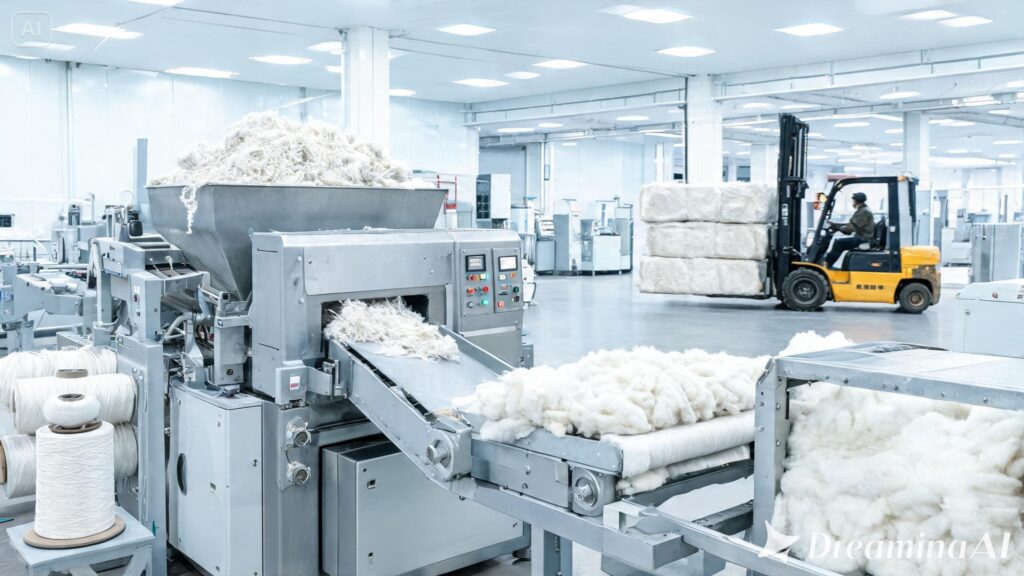
Meta Description Discover 7 smart ways cotton rags help cutting departments reduce textile waste, improve efficiency, and turn fabric scraps into valuable cleaning solutions. Introduction: In the textile and garment industry, cutting departments generate large amounts of fabric waste during the cutting process. Every day, factories discard valuable cotton fabric scraps or send them to landfills. However, companies can transform this waste into a useful and profitable resource. Fortunately, businesses can easily convert cotton scraps into cotton rags. Many industries including cleaning, manufacturing, automotive workshops, and maintenance services widely use these rags. As a result, companies reduce waste while creating additional value. Moreover, by adopting a simple scrap-management system, cutting departments can significantly improve sustainability and efficiency. Therefore, converting fabric scrap into cotton rags has become an important strategy in modern textile recycling. Why Cutting Departments Produce Large Amounts of Cotton Waste Before solutions are implemented, the source of waste must first be understood.During garment production, workers place patterns on layers of fabric and cut them according to design requirements. Consequently, the cutting process leaves behind irregular fabric pieces. Manufacturers and textile professionals commonly refer to these leftover materials as cutting scraps or textile waste. Furthermore, these scraps usually include: Although many manufacturers treat these materials as waste, they still contain high-quality cotton fibers. Therefore, industries can easily reuse them as cotton cleaning rags. Step-by-Step Process: Converting Fabric Scrap into Cotton Rags In order to reduce textile waste effectively, a structured process should be followed. By implementing the following steps, cutting departments can transform scrap into valuable cotton rags. Step 1: Collection of Fabric Scraps First, workers should collect cotton fabric scraps directly from the cutting tables. Instead of allowing scraps to accumulate randomly, managers should place dedicated collection bins near cutting stations. As a result, workers can organize waste immediately after completing cutting operations. Moreover, supervisors should instruct workers to separate cotton materials from synthetic fabrics. Consequently, this separation makes the recycling process more efficient and minimizes contamination.Furthermore, proper sorting improves the final quality of cotton rags because it maintains consistent fabric types. Therefore, industrial users receive better cleaning performance. Step 2: Sorting Cotton Waste Next, workers sort the collected scraps according to fabric type, size, and color. During this stage, they remove unsuitable materials such as polyester blends, heavily printed fabrics, or contaminated textiles. Meanwhile, they keep pure cotton scraps for rag production. Step 3: Cleaning and Preparation After completing the sorting process, workers clean the cotton scraps. They remove dust, loose threads, and minor contaminants to ensure the materials meet basic quality standards. In some facilities, operators use compressed air or simple washing processes to clean the scraps. As a result, the cotton fabric becomes suitable for industrial cleaning applications. Step 4: Cutting and Resizing the Fabric Once workers clean the scraps, they cut them into usable rag sizes. Usually, manufacturers prepare cotton rags in square or rectangular pieces depending on industry requirements. For example: Consequently, manufacturers transform fabric waste into practical cleaning materials. Step 5: Quality Inspection After the cutting stage, the cotton rags should be inspected for quality. During inspection, workers check several factors: Therefore, suppliers provide only high-quality cotton rags to customers. Step 6: Packaging and Storage Finally, the finished cotton rags are packed into bundles or bales. Typically, packaging sizes range from 5 kg to 50 kg bundles, depending on industrial requirements. Additionally, the rags are stored in clean and dry environments to maintain product quality. As a result, the cotton rags become ready for distribution to industries such as automotive, manufacturing, hospitality, and cleaning services. Key Benefits of Converting Cutting Scrap into Cotton Rags When this recycling method is adopted, several advantages can be achieved. Waste Reduction Firstly, textile waste sent to landfills is significantly reduced. Cost Savings Secondly, additional revenue can be generated by selling cotton rags to industrial users. Environmental Sustainability Furthermore, recycling cotton waste reduces the demand for new raw materials and supports sustainable textile production. Efficient Resource Utilization Most importantly, valuable cotton fibers are reused rather than discarded. Industries That Use Cotton Rags After production, cotton rags are widely used across many industries. For example: Therefore, the demand for high-quality cotton rags continues to grow globally. Conclusion In modern textile manufacturing, waste management has become an essential priority. Fortunately, cutting departments can play a major role in reducing textile waste. Companies collect, sort, clean, and resize cotton fabric scraps to produce valuable cotton rags efficiently. As a result, they minimize waste, reduce costs, and promote sustainable practices. Ultimately, converting cutting scrap into cotton rags represents a practical solution that benefits both businesses and the environment.

Scroll to Top