Author name: admin

Uncategorized

“How to Store Cotton Rags Safely: Best Practices for Hygiene and Durability”

Meta Description: Discover effective methods for storing cotton rags to ensure their longevity and hygiene. Learn pest-free, airy, and dry storage tips that keep your rags durable, clean, and ready for industrial or household use. Introduction Cotton rags are widely used across households, industries, and healthcare facilities because of their durability, absorbency, and versatility. However, improper storage can quickly deteriorate their quality. Therefore, always follow correct storage practices to keep rags hygienic, fresh, and long-lasting. Additionally, use proper techniques to prevent contamination, odor, and pest infestation. Why Proper Storage of Cotton Rags Matters Proper storage plays a crucial role in maintaining cotton rags. Leaving rags in damp or poorly ventilated spaces encourages mold, mildew, and foul odors to develop. Additionally, pests such as insects and rodents may be attracted to improperly stored fabric. To prevent these issues, store cotton rags in a dry, airy, and pest-free environment. This approach keeps the rags safe for both personal and professional use. Step 1: Ensure Rags Are Clean Before Storage Before storing cotton rags, always wash and dry them thoroughly. Leaving moisture in the fabric can lead to bacterial growth, causing the rags to become unhygienic and emit unpleasant odors. Additionally, check that no cleaning chemicals or residues remain in the fibers, as these can damage the fabric during long-term storage. Step 2: Choose a Dry and Airy Storage Location For maximum longevity, place cotton rags in dry areas with good air circulation. Ensuring that air flows freely helps minimize the risk of moisture buildup. Avoid storing rags in sealed plastic containers, as these restrict airflow and can cause dampness to develop over time. Instead, choose breathable containers such as fabric bins or ventilated shelving units. Step 3: Keep Storage Pest-Free Pests can severely damage stored cotton rags if you do not take preventive measures. To protect the rags from insects or rodents, keep storage areas clean and inspect them regularly. Additionally, place natural repellents like dried lavender or cedarwood nearby to discourage pests without introducing harmful chemicals. Step 4: Rotate and Inspect Regularly Another important practice is rotation. Cotton rags stored for long periods without use may lose their freshness. Therefore, use the older rags first, and place the newer rags behind them. Additionally, perform periodic inspections to remove any damaged or contaminated rags immediately, ensuring that only high-quality materials remain available. Step 5: Separate Rags by Purpose To maintain hygiene, store rags separately based on their intended use. For example, do not store kitchen rags together with those used for industrial cleaning. Organize the storage this way to prevent cross-contamination and ensure better cleanliness across all applications. Conclusion In conclusion, the longevity and hygiene of cotton rags can only be guaranteed if proper storage practices are followed. First, the rags must be cleaned thoroughly. Then, they should be stored in dry and airy places that are free from pests. Furthermore, regular inspection, rotation, and separation by purpose must always be carried out. By adopting these storage practices, businesses and households alike can ensure that their cotton rags remain durable, hygienic, and effective for everyday use.

Uncategorized

How to Store Cotton Rags for Maximum Hygiene and Durability

Meta Description: Learn the best practices for storing cotton rags to ensure longevity and hygiene. Dry, airy, and pest-free storage keeps cotton wipes clean, durable, and ready for everyday or industrial use. Introduction Cotton rags have always been valued in homes and industries because people appreciate their absorbency, durability, and eco-friendly nature. However, improper storage can affect their quality and hygiene. Therefore, you should follow correct storage methods to extend their lifespan. Why Proper Storage of Cotton Rags Matters When cotton rags are stored in damp or closed spaces, they are likely to develop odors, mold, or mildew. As a result, their effectiveness and hygiene decrease. Therefore, proper storage should focus not only on keeping them organized but also on maintaining their usability for longer periods. Keep Cotton Rags Dry and Airy You should always store cotton rags in a dry and airy environment. Proper ventilation allows airflow, which helps prevent bacterial growth. As a result, you preserve their freshness and cleanliness, making them safer for repeated use. Protect Rags from Pests and Contamination In addition, you must safeguard cotton rags from pests like insects or rodents. If pests gain access, they can contaminate or damage the rags. To prevent this, place the rags in sealed containers or pest-free storage rooms. This approach maintains hygiene and reduces unnecessary waste. Organize Rags According to Usage Moreover, you should categorize rags based on their purpose. For example, store industrial cleaning rags separately from kitchen or household rags. Doing so prevents cross-contamination. Additionally, labeling containers makes it easier to identify the right rag for each task. Inspect Storage Areas Regularly It is also important to inspect storage spaces from time to time. Even under ideal conditions, moisture, dust, or pests can accumulate. By performing periodic checks, you can ensure the longevity of cotton rags and maintain their hygienic condition. Conclusion In conclusion, you must store cotton rags properly to ensure their hygiene and durability. When you keep them in dry, airy, and pest-free environments, you extend their lifespan. By organizing them correctly and inspecting them regularly, you keep cotton rags reliable, clean, and ready for use in households, businesses, and industries.

Uncategorized

“Exporting Cotton Rags Made Easy: Regulations, Packaging & Buyer Insights”

Meta Description:Learn what buyers should know about exporting cotton rags, including shipping regulations, packaging specifications, and country-specific requirements for safe global trade. Introduction : “Exporting Cotton Rags Made Easy: Regulations, Packaging & Buyer Insights” When exporting cotton rags worldwide, several essential factors must be considered. Shipping regulations and packaging specifications require close monitoring to ensure compliance. Additionally, we carefully follow country-specific standards to provide buyers with the highest quality product. Shipping Regulations for Cotton Rags Before shipping any consignment, authorities strictly observe international trade laws. Sellers prepare important documents such as invoices, packing lists, and certificates of origin. They also enforce safety guidelines to ensure the goods are transported without damage. Therefore, they carefully document every shipment to prevent delays at customs. Packaging Specifications Buyers Should Know For smooth transportation, we always prioritize proper packaging. We pack cotton rags in compressed bales or durable cartons to maximize space utilization. Additionally, we select packaging materials that protect the fabric from moisture, dust, and other external factors. As a result, we maintain the quality of the rags during long journeys. Country-Specific Requirements Because each country follows its own import regulations, authorities ensure strict compliance. For example, some nations require exporters to provide fumigation certificates, while others demand eco-friendly packaging. Similarly, regions apply labeling standards differently. Consequently, exporters prepare their documentation in advance to achieve smooth clearance. Value for Buyers By following international trade practices, buyers can rely on us for reliable delivery and consistent quality. Additionally, we design packaging to match bulk purchasing needs, making the process more cost-efficient. Ultimately, when we respect all regulations, we successfully build trust and long-term partnerships with exporters and global buyers.

Uncategorized

From Field to Factory to Future: The Complete Lifecycle of a Cotton Rag

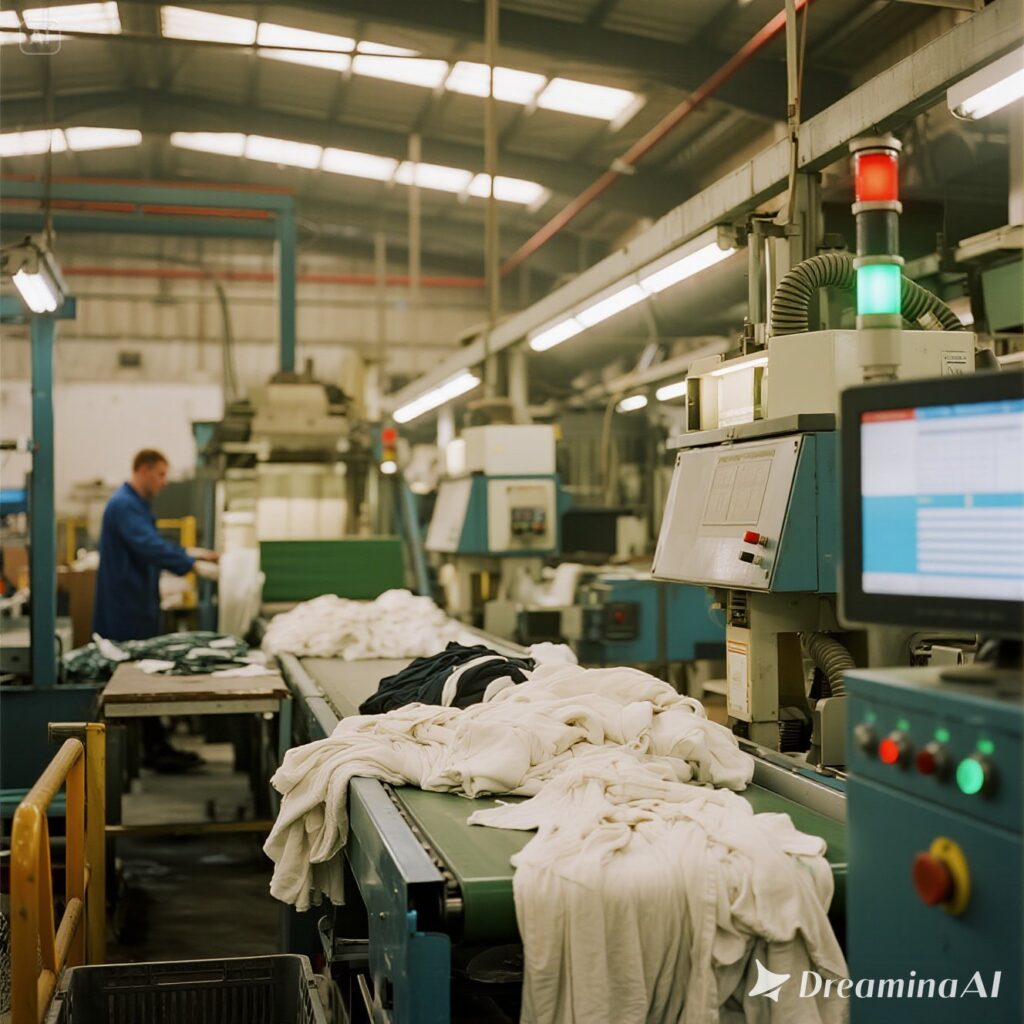
Meta Description: Discover the complete lifecycle of a cotton rag from raw cotton sourcing to manufacturing, usage, recycling, and eco-friendly disposal. Learn how sustainability is woven into every step. 1. Introduction: A Humble Rag with a Big Story While a cotton rag may seem like a simple cleaning tool, its journey is surprisingly complex. From planting cotton in fields to its eventual disposal or recycling, each stage tells a story of sustainability, functionality, and human effort . Additionally, we will examine each stage carefully to understand the process better, and we will highlight how human effort and sustainable practices influence each phase. By doing so, readers can gain a clearer picture of the journey of a cotton rag from start to finish. 2. Stage One : Sustainable Cotton Sourcing Cotton plants grow in regions with optimal sunlight and soil conditions. Farmers carefully irrigate, harvest, and process the plants to ensure high-quality fibers. They often employ sustainable farming methods, such as reducing pesticide use and implementing water-efficient irrigation, to protect the environment. During this stage, workers separate the fibers from the seeds through ginning, and then pack the fibers for transportation to manufacturing facilities. 3. Stage Two :Manufacturing & Processing Once the raw cotton reaches the factory, workers process it through several steps to prepare it for rag production. They clean the fibers to remove impurities, card them to align the fibers, and spin them into yarn. The yarns are then woven or knitted into fabrics, depending on the intended application. To minimize waste, factories often repurpose excess fabric from garment production to create rags. Afterward, workers cut the fabric into specific sizes and stitch it, if necessary, to improve durability. 4. Stage Three : Packaging & Distribution After manufacturing, workers neatly fold and package the rags for shipment. Companies increasingly use environmentally friendly packaging methods, such as recyclable wraps or biodegradable materials. They design the packaging to protect the product during transport and to reflect the company’s sustainability goals. From the factory, the company distributes the rags to warehouses, retailers, and directly to bulk-buying customers. 5. Stage Four : Usage Across Industries Cotton rags are used in a wide range of industries due to their softness, absorbency, and reusability. In automotive workshops, they are used for wiping tools and machinery. In healthcare, they are chosen for their low lint and non-irritating properties. In households, they serve as an eco-friendly alternative to disposable wipes. Their versatility ensures they remain a preferred choice for both professional and domestic cleaning needs. 6. Stage Five :Recycling & Reuse If recycling is not possible due to fabric wear, then disposing of the rags becomes necessarySince cotton is biodegradable, discarded rags naturally break down without releasing harmful microplastics into the environment. However, people can use responsible disposal methods like composting to further reduce environmental impact and maintain an eco-friendly lifecycle. 7. Stage Six: Final Disposal If fabric wear makes recycling impossible, people must dispose of the rags through final disposal methods. Since cotton biodegrades naturally, discarded rags decompose without releasing harmful microplastics into the environment. To further reduce environmental impact and promote an eco-friendly lifecycle, people should use responsible disposal methods such as composting. 8. Conclusion: A Sustainable Choice at Every Stage From sustainable farming to responsible recycling, the lifecycle of a cotton rag is a testament to the importance of conscious consumption. Choosing cotton rags over synthetic cleaning materials supports a circular economy, reduces waste, and promotes environmental responsibility.

Uncategorized

Cotton Grades Guide: GSM, Fiber Length & Best Value

Meta Description Confused about cotton grades? Explore GSM, fiber length, and color differences to understand quality levels and find the best value for your needs. Difference Between Cotton Grades Explained Cotton has always been one of the most versatile natural fibers and highly valued. However, not all cotton is the same. Manufacturers define different grades of cotton based on factors such as GSM, fiber length, color types, and overall value for money. By understanding these qualities, you can make better purchasing decisions for both industrial and household uses. Understanding GSM (Grams per Square Meter) Firstly, manufacturers use GSM as a standard measurement to determine the weight of cotton fabric. A higher GSM means the fabric is heavier and thicker, while a lower GSM indicates the fabric is lighter and thinner. For example, buyers typically choose cotton with 200 GSM for lightweight cleaning, whereas they prefer cotton with 400 GSM or more for heavy-duty wiping or garments. Therefore, GSM allows buyers to compare fabrics based on thickness, durability, and softness. Fiber Lengths in Cotton Secondly, industry experts consider the length of cotton fibers a major factor in grading. They spin longer fibers into smoother, stronger, and softer yarns. Shorter fibers are typically used to produce rougher and less durable fabrics. Additionally, producers grade premium cotton, such as Egyptian or Pima cotton, higher because of its extra-long staple fibers. As a result, products made from longer fibers become more durable and luxurious, while short fibers mainly serve affordable industrial purposes. Color Types of Cotton In addition, industry experts classify cotton by its natural color. Buyers prefer white cotton because they can dye it easily into various shades. Suppliers produce natural-colored cotton in shades of brown, green, or cream. Many choose naturally colored cotton for eco-friendly and chemical-free products. Consequently, both color types serve important roles, but industries choose them based on their specific needs. Value for Money cotton grades are always evaluated based on their value for money. Higher GSM, longer fibers, and pure white shades typically increase the price. However, buyers also widely use affordable grades with shorter fibers or mixed colors for bulk purposes such as industrial wiping rags, cleaning, or packaging. Therefore, buyers must balance cost and quality according to their specific needs. Final Thoughts: In conclusion, cotton grades are distinguished by GSM, fiber lengths, color types, and value for money. By carefully examining these factors, you can make better choices that match durability, comfort, and budget. Ultimately, understanding cotton grades allows you to select the appropriate fabric for every use, whether for industrial purposes or household needs.

Uncategorized

“Gym Hygiene Made Simple: Cleaning with Cotton Cloths”

Meta Description Learn how to safely clean gym equipment using cotton cloths. A step-by-step routine with disinfectants is explained in passive voice to ensure hygiene, safety, and long-lasting equipment care. Introduction In gyms, people consider hygiene one of the most important aspects of safety. Since they frequently touch equipment, germs and bacteria spread easily. Therefore, gym staff must follow a proper cleaning routine. People prefer cotton cloths because they are soft, absorbent, and safe for all types of surfaces. Moreover, when they combine cotton cloths with the right disinfectants, staff achieve maximum cleanliness. Step 1: Preparation of Cleaning Materials Before starting the cleaning process, workers should gather all necessary materials. They must keep cotton cloths ready and carefully select safe disinfectants. Additionally, workers may wear gloves to ensure personal protection. By organizing everything in advance, workers make the process easier and more efficient. Step 2: Wiping the Equipment Surface Workers should wipe the surface of the equipment with a clean cotton rag. They must apply gentle strokes to prevent scratches. Additionally, the lint-free quality of cotton ensures that the surface remains smooth. This method effectively removes dust and sweat. Step 3: Application of Disinfectant After clearing the surface, spray disinfectant onto a cotton cloth. Do not pour the liquid directly onto the equipment, as this could cause damage. Instead, apply the solution evenly and then wipe the surface thoroughly. This method effectively eliminates bacteria and viruses. Step 4: Drying Process After using disinfectant, dry the equipment with another fresh cotton cloth. This step is very important because moisture can cause rust or wear over time. Therefore, always dry carefully. Additionally, using cotton ensures fast absorption, leaving the surface completely dry. Step 5: Regular Cleaning Routine To maintain long-term hygiene, perform cleaning regularly. Establish a schedule to ensure no equipment is left unattended. Additionally, wash cotton cloths after each cleaning session to prevent transferring germs during the next use. By maintaining consistency, you keep the overall gym environment safe and fresh. Conclusion By following this step-by-step process, you can clean gym equipment safely and effectively. Since cotton cloths are soft, durable, and reusable, they serve as an eco-friendly solution. Moreover, when you use disinfectants correctly, you guarantee maximum protection against germs. Therefore, with a little effort and the right tools, you can always ensure hygiene in gyms.

Uncategorized

“Low-Lint and High Safety: Cotton Rags in the Healthcare Sector”

Meta Description: Discover the best use cases of cotton rags in healthcare. Learn about safety, low-lint benefits, and sanitization processes that make them essential for clinics and hospitals. Cotton Rags in Healthcare: Best Use Cases In the healthcare industry, hygiene and safety standards are never compromised. Medical staff must keep every surface, instrument, and environment impeccably clean to prevent infections from spreading. Properly processed cotton rags have become an indispensable part of medical cleaning protocols. Their softness, high absorbency, and lint-free qualities are essential for maintaining sterile conditions. Additionally, healthcare facilities adopt eco-friendly practices by utilizing cotton rags, aligning with the growing demand for sustainability. 1. Ensuring Patient Safety Through Lint-Free Cleaning In hospitals and clinics, maintaining cleanliness is not just about appearance; it plays a critical role in protecting patients from harmful bacteria. Medical staff prefer cotton rags because they produce low lint and do not leave fibers behind that could contaminate sterile areas. Furthermore, they use these rags to wipe down sensitive medical equipment without causing scratches or residue build-up. As a result, patient care areas remain uncontaminated, and staff effectively uphold infection control protocols. 2. Sanitization Processes That Meet Medical Standard Before healthcare providers introduce cotton rags into a healthcare setting, they subject the rags to strict sanitization processes. First, they wash the rags at high temperatures, and then they treat them with antibacterial solutions. Additionally, they package the rags in clean, sealed conditions. These procedures, therefore, significantly reduce the risk of cross-contamination. Moreover, healthcare staff use sanitized rags in patient rooms, surgical units, and laboratories to ensure that cleaning tools do not become a source of infection. 3. Versatile Applications in Healthcare Environments Healthcare facilities use cotton rags in multiple areas. Staff disinfect examination tables, wipe down surgical tools, clean patient rooms, and polish diagnostic equipment using these rags. In laboratories, they use cotton rags to control spills and sterilize surfaces. Because of their durability, the staff can wash them repeatedly without losing effectiveness, making cotton rags a cost-efficient cleaning option. 4. Environmental Benefits in Medical Cleaning The healthcare industry generates large amounts of waste, but cotton rags help reduce this environmental burden Clinics and hospitals can minimize landfill waste by using reusable rags instead of disposable wipes. As a result, they protect the planet and reduce operational costs. This sustainable approach is gaining recognition among healthcare administrators who aim to balance patient safety with eco-conscious practices. 5. Step-by-Step Guide to Using Cotton Rags in Healthcare Settings 1 : Selection: Choose only sanitized, medical-grade cotton rags that are low-lint and high-absorbency.2 :Designation: Assign different colored rags for specific cleaning zones to prevent cross-contamination.3 :Sanitization Before Use: Even pre-sanitized rags should be inspected and, if needed, washed again before use.4 : Correct Usage: Follow a “clean-to-dirty” cleaning pattern starting from the least contaminated areas and moving toward high-risk zones. 5 : Proper Disposal or Reuse: After use, rags must be washed at high temperatures with disinfectant or disposed of according to infection control guidelines. Conclusion Cotton rags in healthcare are not just simple cleaning tools they are an essential part of maintaining high hygiene standards. Their safety, sanitization, and environmental benefits make them an ideal choice for clinics and hospitals worldwide. By following proper usage and cleaning protocols, healthcare facilities can ensure a safe, efficient, and sustainable cleaning process.

Uncategorized

“Choosing the Best Sustainable Packaging for Cotton Rags”

Meta Description Discover how vacuum-sealed and recyclable packaging options enhance the sustainability, quality, and storage of cotton rags, while supporting eco-friendly business practices. Introduction: Why Packaging Matters in Cotton Rag Sustainability In today’s environmentally conscious market, packaging choices play a critical role in shaping customer perception and reducing environmental impact. For cotton rags, sustainable packaging is not only an ethical choice but also a practical one. By focusing on eco-smart options such as vacuum-sealed bags and recyclable wraps, both businesses and consumers can contribute to a cleaner planet. Moreover, these methods ensure that the quality, hygiene, and usability of cotton rags are maintained during storage and transportation. Vacuum-Sealed Packaging: Space Efficiency and Long-Lasting Freshness Vacuum-sealed packaging has been widely adopted in industries that value both space efficiency and product preservation. This method removes excess air before sealing the package, which helps protect cotton rags from moisture, dust, and contaminants. Additionally, it allows businesses to store bulk quantities in a compact manner, reducing warehouse and shipping costs. As a result, companies benefit from better inventory management, while customers receive products that are fresh and clean upon opening. Recyclable Wraps: A Step Toward a Greener Future In contrast, recyclable wraps are designed to minimize environmental waste while still providing adequate protection for cotton rags. Manufacturers produce these wraps from materials such as biodegradable plastics or recycled paper, which they can repurpose or process through recycling systems. Consequently, they reduce landfill waste and appeal to environmentally conscious buyers. Furthermore, companies can customize recyclable wraps with branding that communicates their sustainability values, thereby strengthening customer trust. Balancing Practicality and Sustainability While vacuum-sealed packaging excels in preserving product quality and maximizing storage efficiency, recyclable wraps shine in environmental responsibility. Therefore, the choice between the two often depends on the specific needs of a business. For example, companies that export cotton rags overseas may prioritize vacuum sealing to maintain freshness during long transit times. On the other hand, local suppliers may prefer recyclable wraps to highlight their commitment to reducing plastic waste. The Role of Packaging in Brand Identity Packaging is more than a protective covering; it is an extension of a brand’s values. By choosing sustainable packaging for cotton rags, businesses send a clear message about their commitment to the environment. Moreover, eco-friendly packaging often influences buying decisions, especially among customers who prioritize green products. This approach not only benefits the planet but also enhances the reputation and marketability of a brand. Conclusion: Choosing the Right Sustainable Option In conclusion, both vacuum-sealed and recyclable packaging offer valuable benefits for cotton rags. While vacuum sealing provides unmatched freshness and space savings, recyclable wraps excel in environmental friendliness and branding potential. Ultimately, the decision should align with both operational goals and sustainability targets. As demand for eco-conscious products grows, adopting green packaging practices will not only protect the planet but also position businesses as leaders in responsible manufacturing.

Uncategorized

“Maximize Your ROI: Bulk Buying Cotton Rags Made Easy”

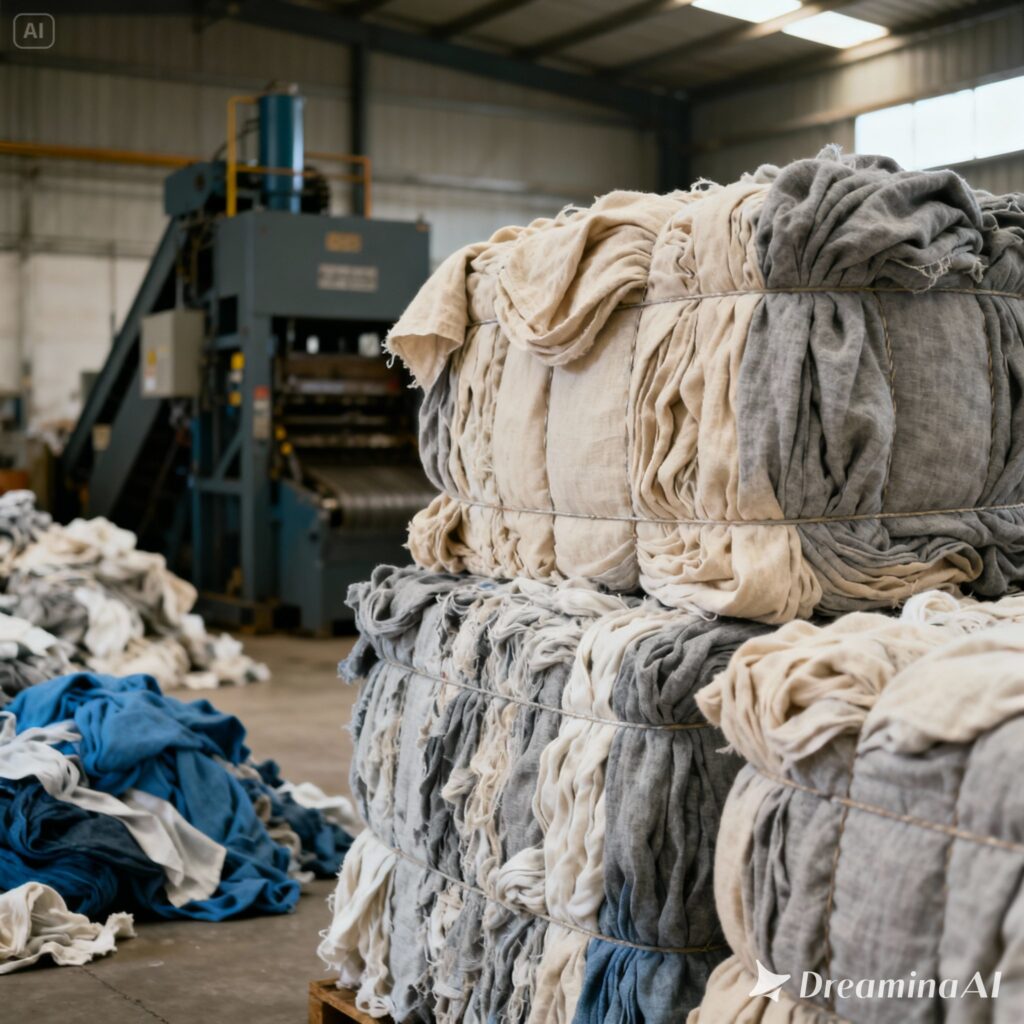
Meta Description: Discover how bulk buying cotton rags helps businesses save money, streamline logistics, and reduce waste. Explore packaging, storage, and delivery advantages tailored for commercial needs. Introduction: In today’s competitive business environment, companies are continuously seeking cost-effective, eco conscious, and efficient solutions. One of the most overlooked yet essential supplies is cotton rags especially when purchased in bulk. From industrial cleaning to automotive workshops and hospitality kitchens, cotton wiping rags serve countless functions. This blog explains the advantages of buying in bulk, from packaging convenience to storage management and optimized logistics. Why Bulk Buying Cotton Rags Makes Business Sense 1. Cost-Effectiveness at Scale Bulk purchasing has always been associated with reduced costs. “Bulk purchasing has always helped reduce costs. When companies order cotton rags in large quantities, the per-unit cost decreases significantly. This is because shipping, labor, and production expenses are spread over a larger volume. As a result, businesses enjoy better profit margins and long-term savings. Therefore, many organizations prefer bulk orders to maximize their savings and efficiency.” 2. Packaging Tailored to Industrial Needs “We have optimized packaging to meet commercial demand. Workers manually sort each bale or bundle and cut the cotton into usable sizes, ensuring that no additional time or effort is needed during on-site use. They remove buttons, zippers, and rivets beforehand, which enhances safety and usability in sensitive environments such as paint shops or cleanrooms.” 3. Efficient Storage for High-Demand Environments ”Companies purchase cotton rags in bulk and pack them into compressed, stackable bales that are easy to store in warehouses or stockrooms.” This not only optimizes space but also ensures that stock is always available when needed, especially during peak operational seasons. 4. Streamlined Logistics & Reliable Supply Bulk buying also simplifies logistics. “Shippers load orders into trailers, and workers secure each bale for long-distance transportation.” This minimizes the risk of delays and ensures consistent supply. Additionally, trusted suppliers like AASCO provide flexible shipping options for international clients, covering regions like Kuwait, Saudi Arabia, UAE, and beyond. 5. Eco-Friendly and Sustainable Practices “Manufacturers produce cotton rags from post-consumer textiles. This process reduces waste and promotes sustainable manufacturing By buying in bulk, companies indirectly support textile recycling and circular economy initiatives. Moreover, cotton is biodegradable, making it a green alternative to synthetic microfiber products. Conclusion: A Smarter Approach to Wiping Supplies Ultimately, businesses that rely on wiping products be it automotive workshops, industrial plants, or commercial kitchens stand to gain substantially by buying cotton rags in bulk. Not only does this practice reduce operational costs, but it also enhances workflow, ensures constant supply, and supports eco-conscious practices.

Uncategorized

Why Professional Kitchens Trust Cotton Rags for Cleanliness

Meta Description: Explore how cotton rags improve hygiene and cleanliness in food preparation. Discover their benefits over synthetic cloths and why kitchens rely on them daily. Introduction: In food preparation environments, hygiene isn’t just a preference it’s a requirement. “Commercial kitchens and catering services strictly enforce cleanliness standards to ensure food safety and compliance.” While many tools contribute to a sanitary workspace, one of the most underrated yet essential items is the humble cotton rag. Unlike synthetic cloths, cotton rags offer a blend of absorbency, reusability, and natural hygiene that makes them ideal for food handling and surface cleaning. Why Hygiene Matters in Food Prep Before diving into the advantages of cotton, it’s important to understand why textile choice matters in food prep. Surfaces contaminated by raw meat, dairy, or produce can harbor dangerous bacteria such as E. coli, Salmonella, and Listeria. Without proper cleaning tools, cross-contamination can easily occur, putting both consumers and businesses at risk. This is why choosing the right type of wiping cloth is more than a convenience it’s a preventative safety measure. Cotton Rags: Naturally Hygienic and Safe Unlike synthetic fibers, cotton is a breathable and natural material that is less likely to trap bacteria within its weave. This makes it an excellent choice for wiping surfaces, handling spills, and drying hands or utensils. “Because you can wash cotton rags at high temperatures, laundering effectively removes germs and grease, allowing you to reuse the rags safely. Furthermore, manufacturers often produce cotton rags from recycled textiles, reducing environmental waste while maintaining performance quality. Their softness makes them gentle on stainless steel, glass, and ceramic surfaces, preventing scratches and smears during daily cleaning routines . Due to their softness, they are gentle on stainless steel, glass, and ceramic surfaces preventing scratches and smears during daily cleaning routines. Reusable and Cost-Effective Cleaning “Unlike disposable paper towels or synthetic wipes, you can reuse cotton rags multiple times to reduce waste and save costs. After each use, you sterilize the rags by machine washing and dry them completely to ensure cleanliness for the next task. This reuse improves kitchen efficiency and supports eco-conscious food operations.” In addition, cotton rags offer consistent absorbency, which means fewer cloths are needed during heavy-duty cleaning, such as when oils or sauces are spilled in cooking areas. Safer Than Synthetic Alternatives Although microfiber cloths are praised for their cleaning efficiency, they come with certain risks in food prep areas. Due to their synthetic composition, microfibers can shed small plastic particles, which may inadvertently end up in food or clog drains. Moreover, these cloths are harder to sanitize thoroughly, especially after absorbing oils or chemical residues. In contrast, cotton rags break down naturally, pose no microplastic threat, and are easier to maintain in a clean state. When properly washed, they retain their integrity and remain safe for repeated kitchen use. Compliance with Food Safety Standards Most food safety regulations recommend the use of color-coded, washable cloths to separate food zones and prevent cross-contamination. Cotton rags, available in various colors, easily meet this requirement. Furthermore, many commercial kitchens now use cotton-based wiping systems approved under HACCP (Hazard Analysis and Critical Control Points) guidelines. By integrating cotton rags into daily kitchen operations, businesses can ensure that cleaning protocols remain both effective and compliant. Conclusion: Clean, Safe, Sustainable In the food industry, cleaning cloths should never be an afterthought. Cotton rags offer a superior balance of hygiene, durability, and eco-friendliness that synthetic options often cannot match. Their ability to be washed, reused, and safely used around food makes them a smart choice for any kitchen striving to uphold strict hygiene standards. So the next time you’re stocking your cleaning supplies, remember cotton rags may be simple, but they are essential for a cleaner, safer, and more sustainable food prep environment.

Scroll to Top