Heavy Machinery Maintenance Made Easy with Oil-Absorbent Cotton Rags
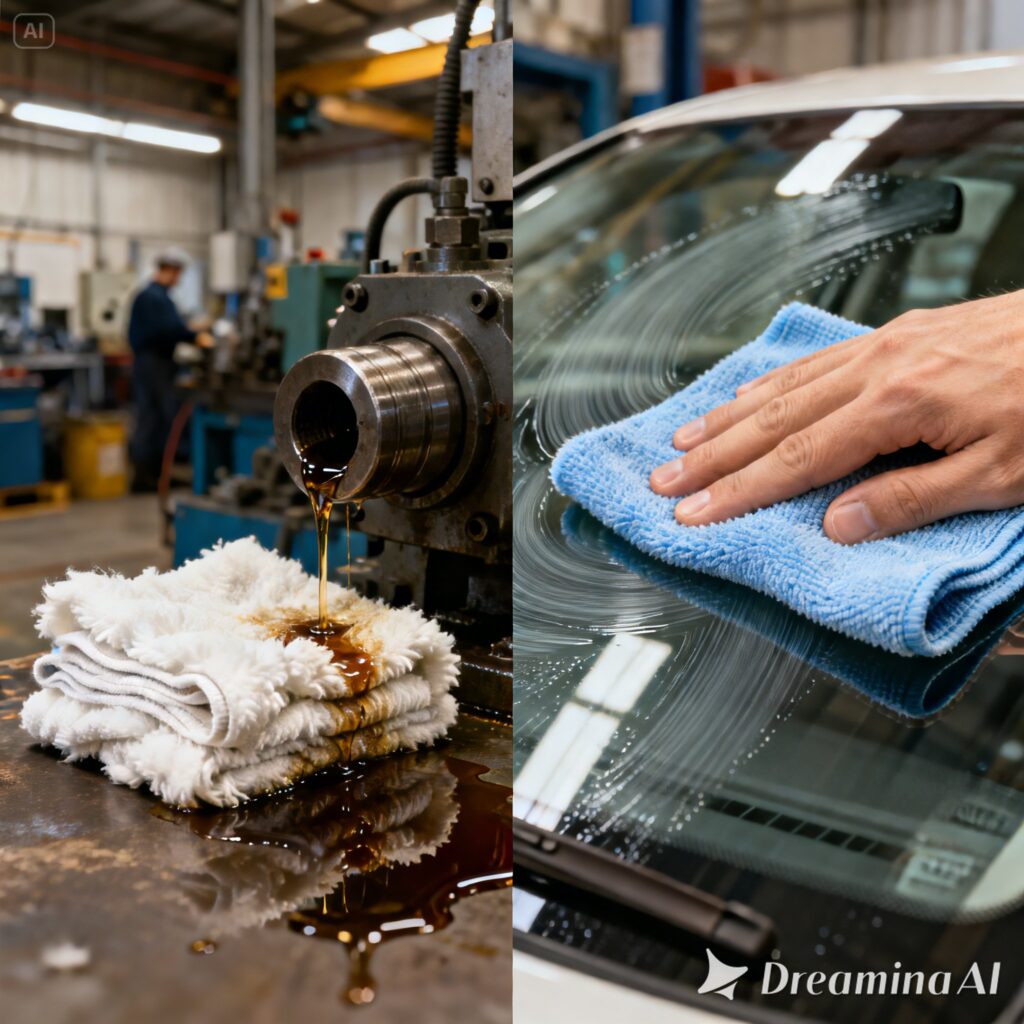
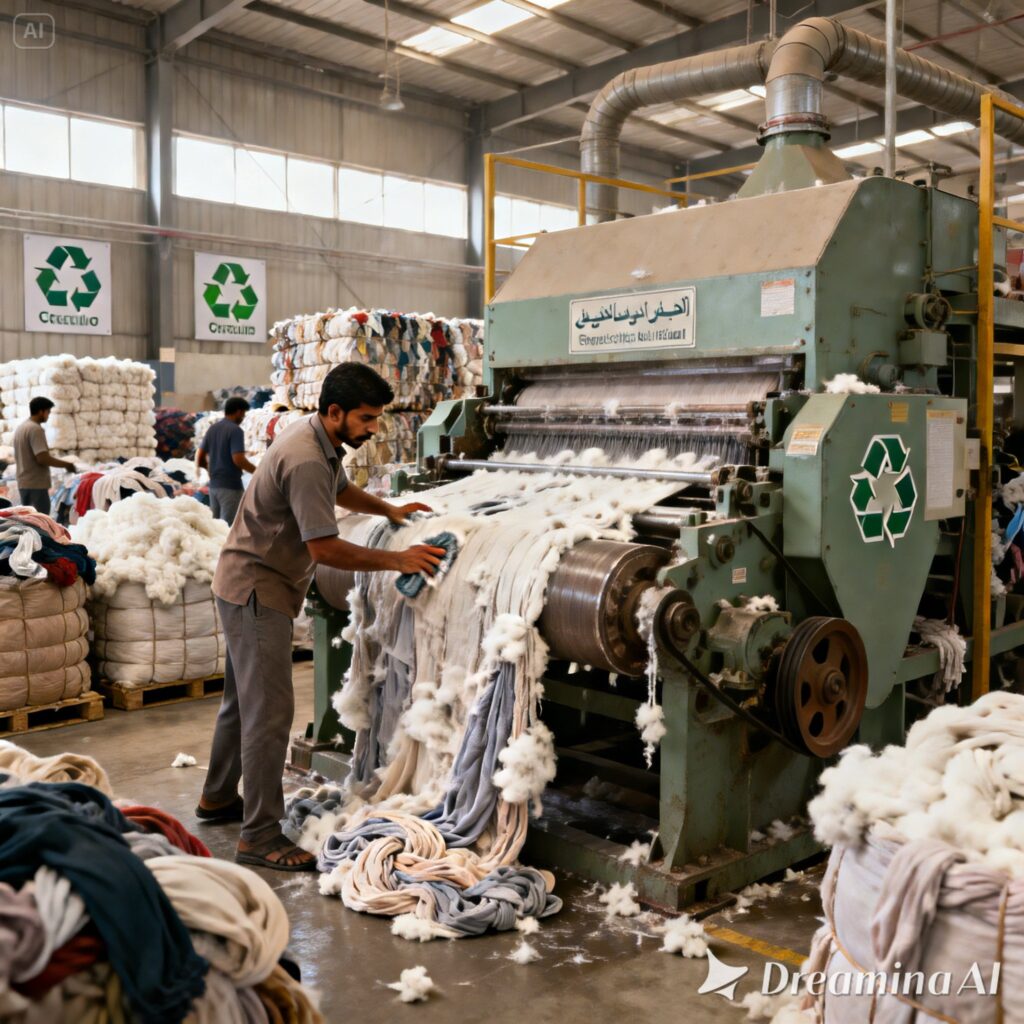
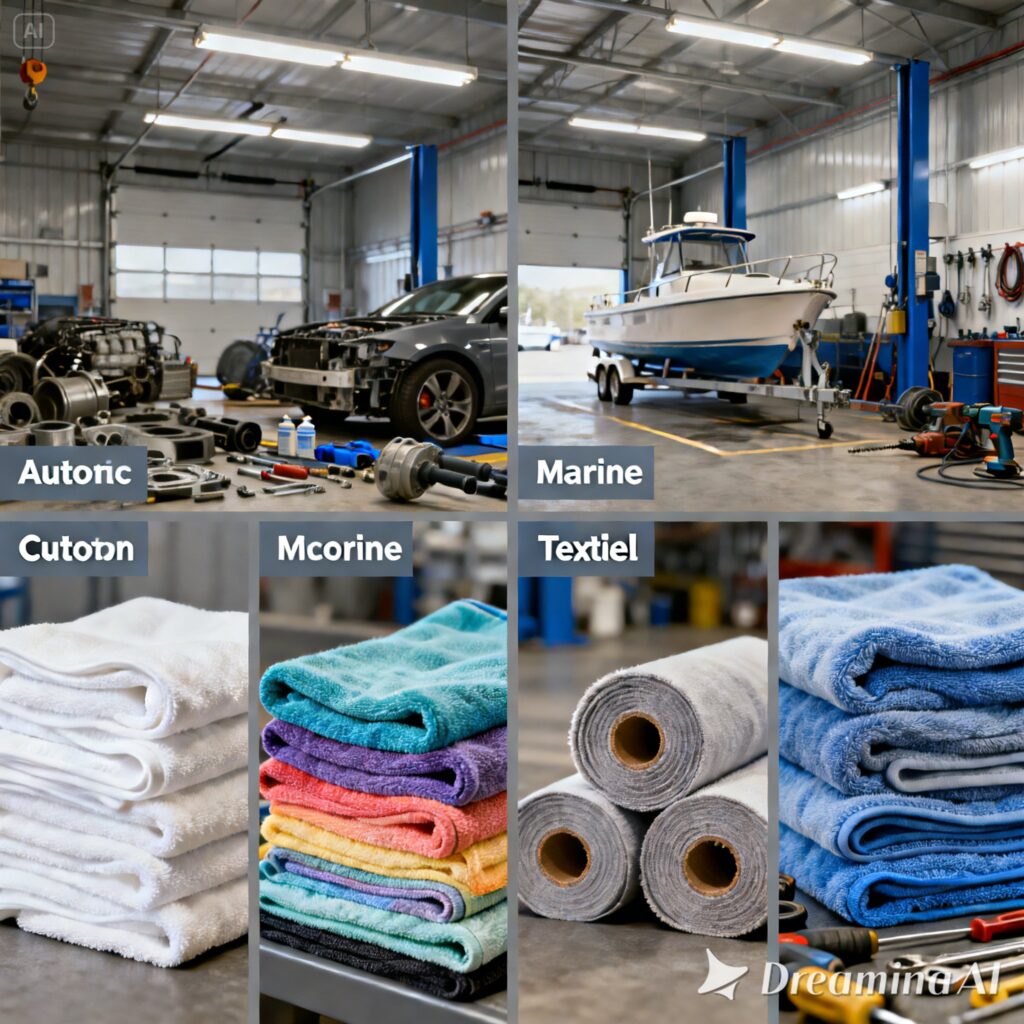
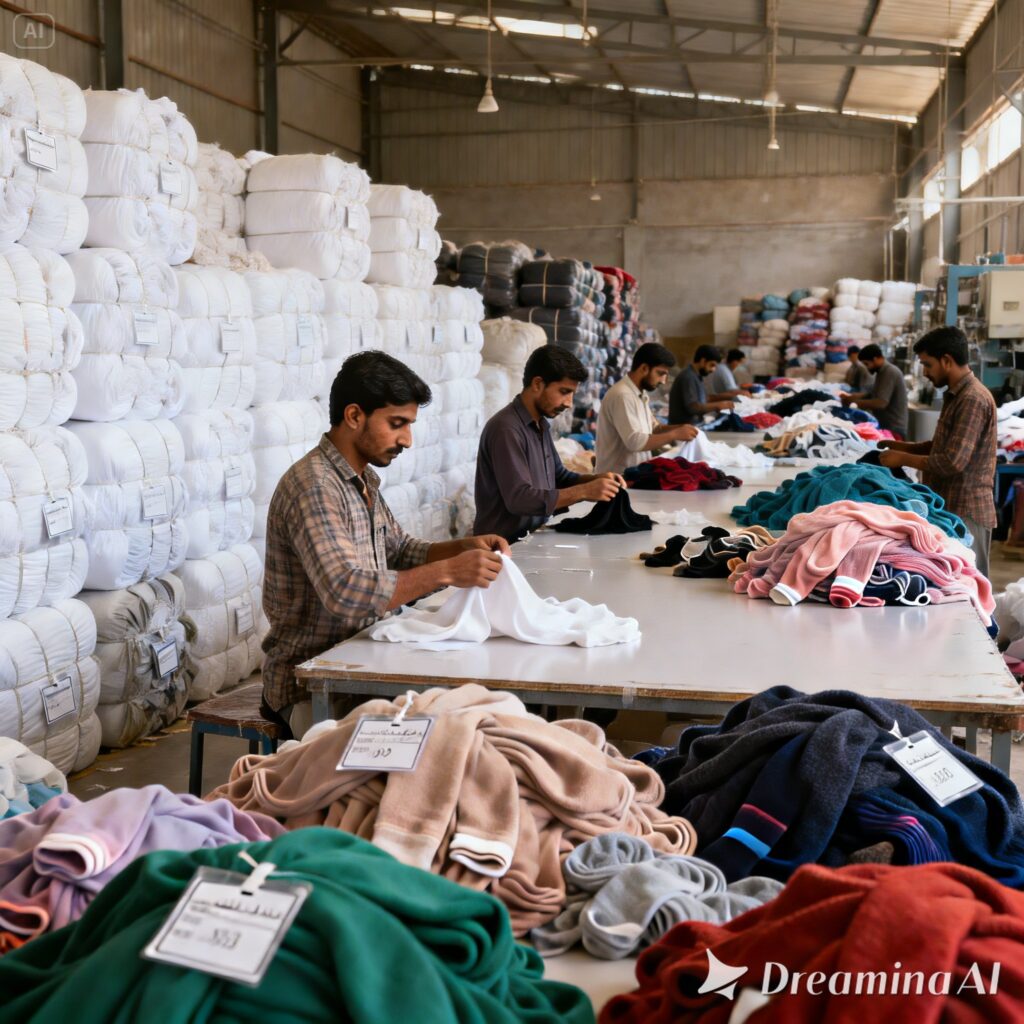
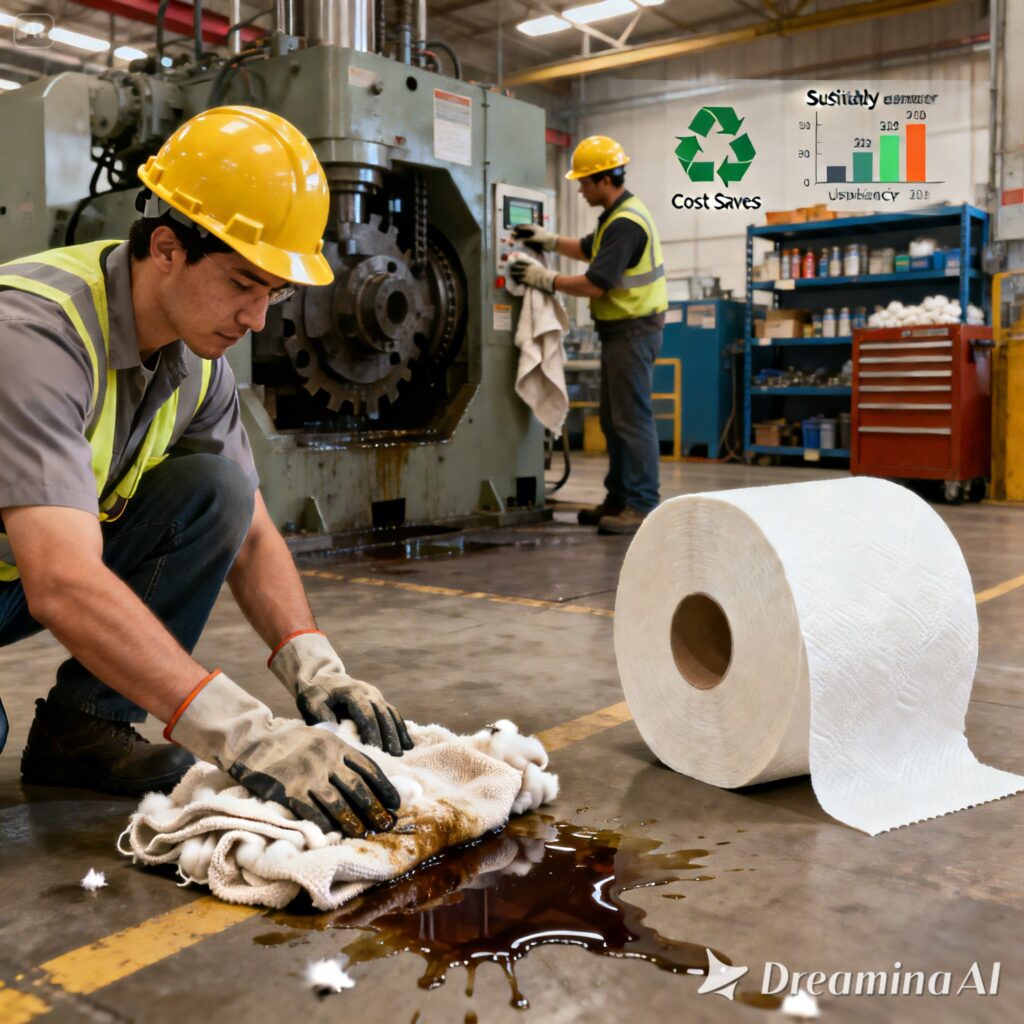
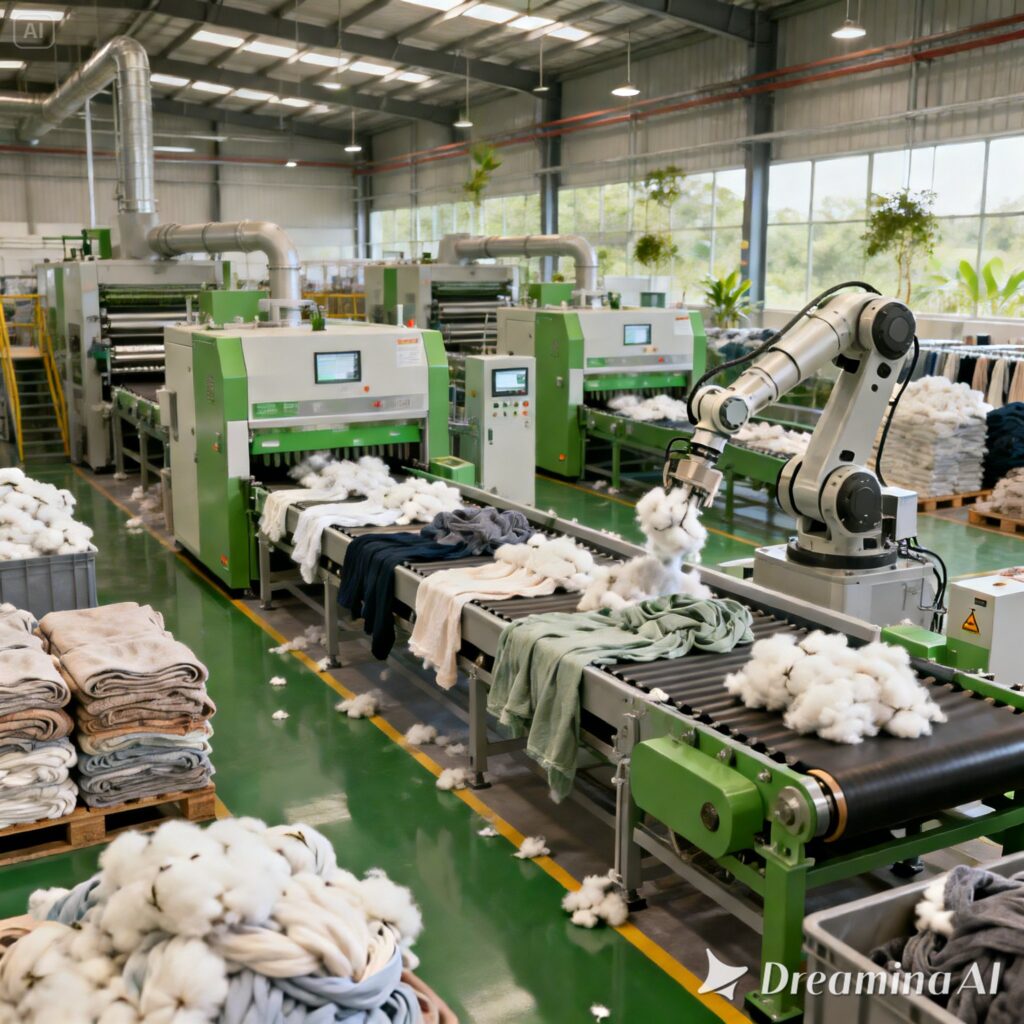
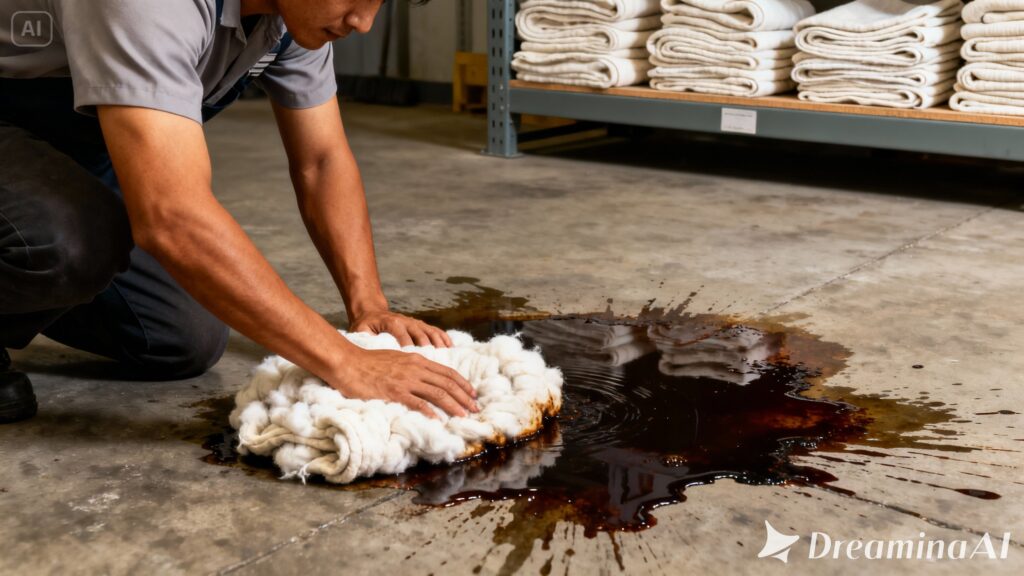
Meta Description Discover how oil-absorbent cotton rags simplify heavy machinery maintenance by quickly cleaning oil and grease, improving efficiency, and reducing industrial cleaning costs. Introduction Heavy machinery plays a vital role in industries such as construction, manufacturing, automotive repair, and marine operations. However, these machines constantly produce oil, grease, and fluid leaks during daily operations. Therefore, workers must use reliable cleaning materials to maintain equipment and ensure safe working environments. Among many cleaning solutions, oil absorbent cotton rags remain one of the most practical and cost-effective options. Because cotton fibers naturally absorb liquids, these rags perform exceptionally well in demanding industrial environments. This guide explains why industries prefer cotton rags for heavy machinery maintenance and how businesses can choose the right type. Why Oil Absorption Matters in Heavy Machinery Maintenance Industrial machines require frequent lubrication to operate efficiently. As a result, oil spills, grease buildup, and fluid leaks occur regularly around engines, gears, and hydraulic systems. If workers ignore these spills, several problems may arise. For example, slippery surfaces can increase the risk of workplace accidents. In addition, accumulated oil may damage components and reduce machine efficiency. Therefore, technicians must clean equipment regularly using materials that absorb oil quickly and effectively. Why Cotton Rags Are Ideal for Oil Absorption Cotton rags provide excellent oil absorption due to the natural structure of cotton fibers. These fibers contain small spaces that trap oil, grease, and other liquids. Moreover, cotton rags remain strong even when they become saturated. Unlike paper towels or thin disposable wipes, they do not tear easily during heavy-duty cleaning tasks. As a result, maintenance teams can clean tools, engines, and machinery surfaces more efficiently. Key benefits of cotton rags include: Because of these advantages, industries worldwide rely on cotton rags for machinery maintenance. Types of Cotton Rags Used for Heavy Machinery Cleaning Not all cotton rags perform the same. Different types serve different industrial needs. 1. Colored Cotton Rags Colored cotton rags often come from recycled garments. Workers commonly use them for wiping oil and grease because stains remain less visible. Therefore, many workshops and factories prefer this economical option. 2. White Cotton Rags White cotton rags provide a cleaner appearance and allow workers to monitor contamination more easily. For this reason, technicians often use them when inspecting machine parts or cleaning precision components. 3. Fleece Cotton Rags Fleece rags offer thicker fabric and greater absorbency. Consequently, they work well for large oil spills and heavy machinery cleaning tasks. 4. Hosiery Cotton Rags Hosiery rags come from soft knit fabrics such as T-shirts. Because they produce minimal lint, workers often use them for delicate equipment surfaces. Industrial Applications of Oil Absorbent Cotton Rags Oil absorbent cotton rags serve many industries that rely on heavy machinery. Manufacturing Plants Maintenance teams use cotton rags to clean motors, gear systems, and conveyor equipment. Automotive Workshops Mechanics wipe engine oil, transmission fluid, and grease from tools and vehicle parts. Construction Sites Workers remove lubricants from cranes, excavators, and hydraulic systems. Marine Industry Technicians clean engines and mechanical components exposed to oil and seawater. Because these industries operate heavy equipment daily, cotton rags provide a simple yet reliable cleaning solution. Choosing the Right Cotton Rags for Industrial Use Selecting the right cotton rags improves cleaning performance and reduces operational costs. Businesses should consider several factors before purchasing. Absorbency Level High-density cotton fabrics absorb oil more efficiently. Therefore, thicker rags usually perform better in heavy machinery environments. Fabric Purity Pure cotton rags absorb liquids better than blended fabrics. Consequently, buyers should confirm material composition before purchasing. Lint Control For sensitive equipment, low-lint cotton rags prevent fiber contamination. Bulk Supply Industrial facilities often require large quantities of wiping materials. Therefore, purchasing in bulk helps reduce costs and ensures continuous supply. Sustainability Benefits of Recycled Cotton Rags Many cotton rags originate from recycled textile materials. Instead of discarding fabric waste, recycling facilities convert leftover garments and textile scraps into usable wiping cloths. Consequently, industries reduce landfill waste while gaining affordable cleaning materials. Additionally, reusable cotton rags decrease the demand for disposable wipes and paper products. As sustainability becomes a priority in modern manufacturing, recycled cotton rags support environmentally responsible operations. Conclusion Oil absorbent cotton rags play an essential role in heavy machinery maintenance. Their natural absorbency, durability, and affordability make them a preferred cleaning solution across many industries. Furthermore, when businesses choose high-quality cotton rags and implement proper maintenance practices, they improve workplace safety and equipment performance. Ultimately, cotton rags remain a reliable and sustainable choice for managing oil and grease in demanding industrial environments.