Uncategorized

Uncategorized

A Better Way to Choose Wiping Rags: Industry-Based Matrix for Smarter Cleaning Decisions

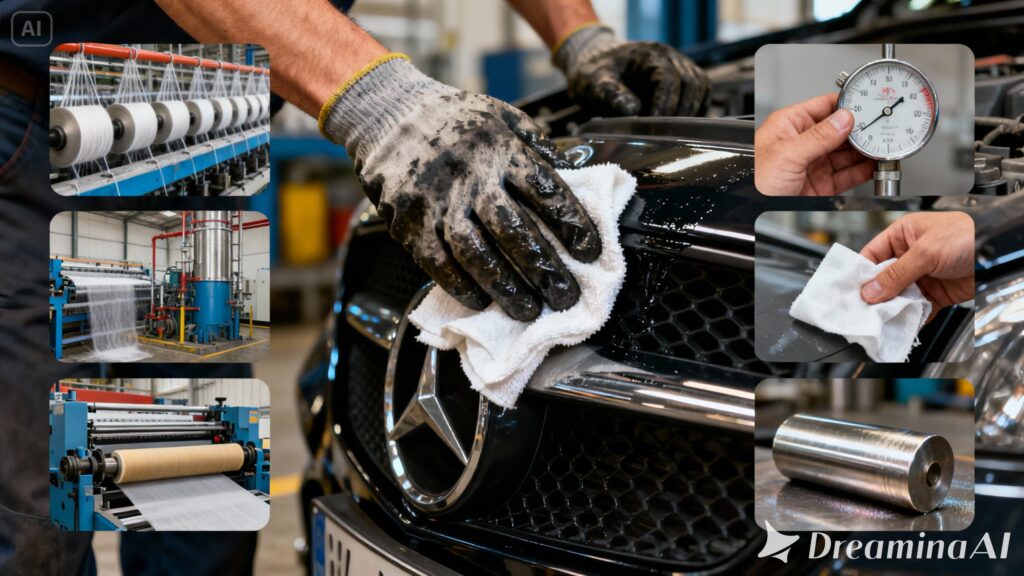
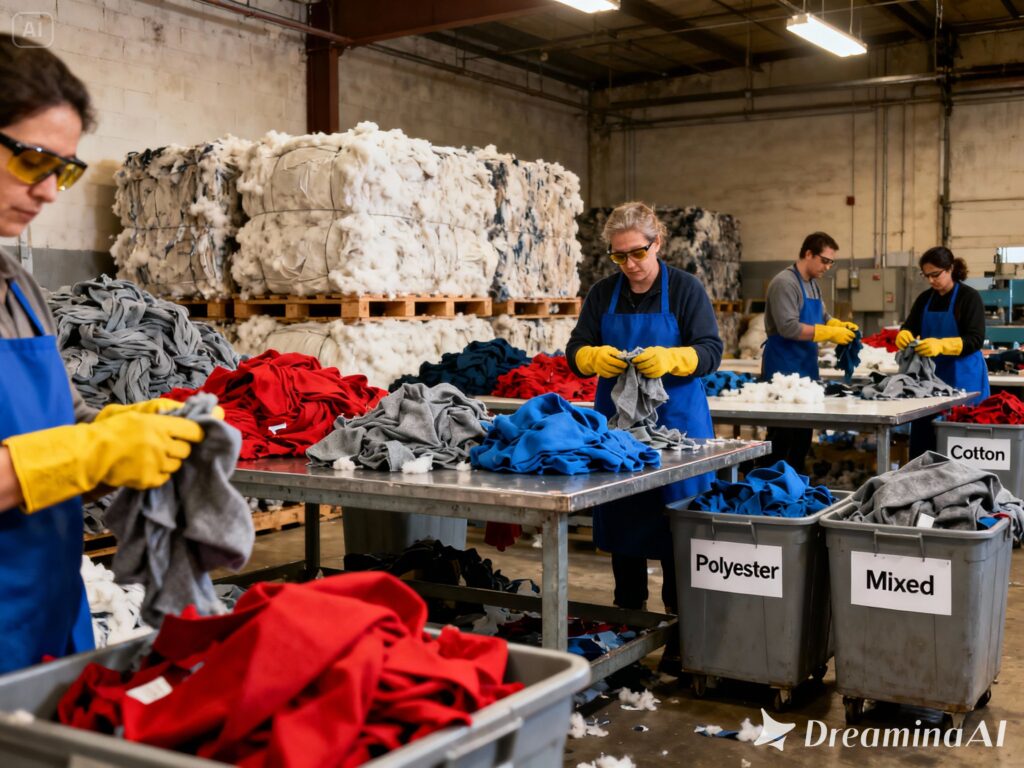
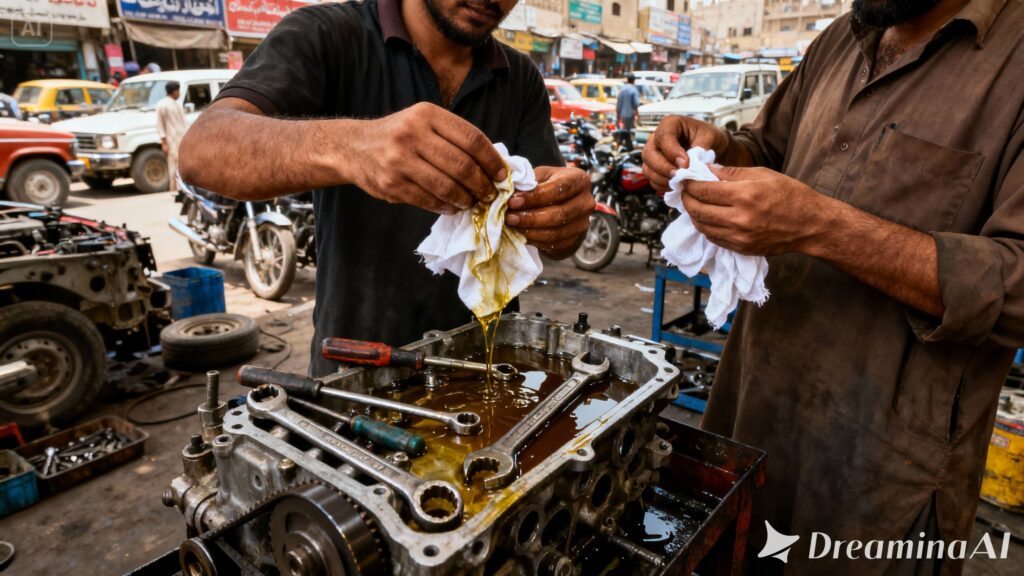
META DESCRIPTION Learn how the right wiping rags are selected for each industry. A complete decision matrix for auto, marine, textile, printing, and maintenance sectors. Introduction Choosing the right wiping rag is essential for maintaining cleanliness, efficiency, and safety within any industrial environment. Since every sector has different surface types, liquids, and cleaning requirements, you must base the selection process on performance, durability, absorbency, and material compatibility. Moreover, improper rag selection can cause wasted material, poor cleaning quality, and unnecessary cost increases. Therefore, industries need a structured approach. To help them, we have prepared a complete decision matrix to guide industries in choosing the most suitable wiping rags. Understanding Industrial Wiping Rags Wiping rag manufacturers produce wiping rags from textile waste such as hosiery, cotton jersey, fleece, woven fabric, or denim. They collect, sort, clean, and compress these materials into bales before supplying them to factories. Furthermore, their absorbency, texture, and lint level vary depending on the fabric type. Hence, each category serves a specific industrial purpose. Decision Matrix: Choosing the Right Wiping Rag by Industry We have created the following matrix to simplify the selection process across different sectors: 1. Automotive Industry (Workshops, Detailing, Lubrication Units) Requirement Ideal Rag Type Reason Oil absorption Hosiery / White Hosiery High absorbency & lint-free finish Polishing Fleece Rags Soft texture prevents scratches Surface cleaning White Cotton Rags No dye transfer; clean finish Heavy wiping Denim / Woven Rags Strong and durable for rough surfaces Thus, automotive units benefit from lint-free, soft, and durable rags that handle oil and grease effectively. 2. Marine Industry (Boats, Engine Rooms, Ports) Requirement Ideal Rag Type Reason Saltwater wiping Fleece Rags High moisture absorption Engine cleaning Coloured Cotton Rags Cost-effective for heavy dirt Polishing metals White Hosiery Smooth and lint-free Multi-surface cleaning Mixed Rags Versatile and economical Moreover, higher moisture environments require rags that can retain and release water efficiently. 3. Textile & Garment Industry Requirement Ideal Rag Type Reason Machine cleaning Coloured Rags Affordable for frequent use Oil/grease wiping Hosiery Rags Excellent absorbency Dye room cleaning Mixed Rags Resistant to staining Finishing & polishing White Hosiery No lint contamination Therefore, absorbent and economical grades are preferred in textile manufacturing. 4. Industrial Maintenance (Factories, Steel, Chemical Plants) Requirement Ideal Rag Type Reason Heavy machinery cleaning Denim / Woven Rags Tough material for rough surfaces Oil & chemical spills Hosiery Rags Strong absorbency Daily cleanup Coloured Cotton Rags Economical for bulk use Polishing valves/metals White Hosiery or Fleece Smooth finish with no lint Consequently, strong and absorbent rags are selected to handle tough industrial dirt. 5. Printing & Packaging Industry Requirement Ideal Rag Type Reason Ink wiping White Hosiery No dye mixing Machine rollers Fleece Rags High liquid retention Surface cleaning White Cotton Clean finish General wiping Mixed Rags Affordable for daily use Additionally, white rags are preferred because ink contamination needs to be avoided. Summary of Rag Types & Uses Rag Type Best For Why White Cotton Rags Polishing, glass, printing, finishing No dye transfer, lint-free Coloured Rags Heavy cleaning, machinery, grease Cost-effective Hosiery Rags Oil absorption, automotive, textile Soft + high absorbency Fleece Rags Polishing metals, detailing, marine Very soft + moisture retention Denim/Woven Rags Heavy-duty cleaning Strong and durable Mixed Rags General-purpose wiping Economical for bulk use Conclusion To summarize, the correct selection of wiping rags ensures improved cleaning efficiency, cost control, and longer equipment life. Each industry requires a specific rag type based on surface sensitivity, absorbency level, and the nature of contaminants. Consequently, a structured decision matrix enables industries to make informed and practical choices for smoother operations.

Uncategorized

Industrial Buyers’ Manual 2025: Cotton Rags Grades and Their Professional Uses in Pakistan

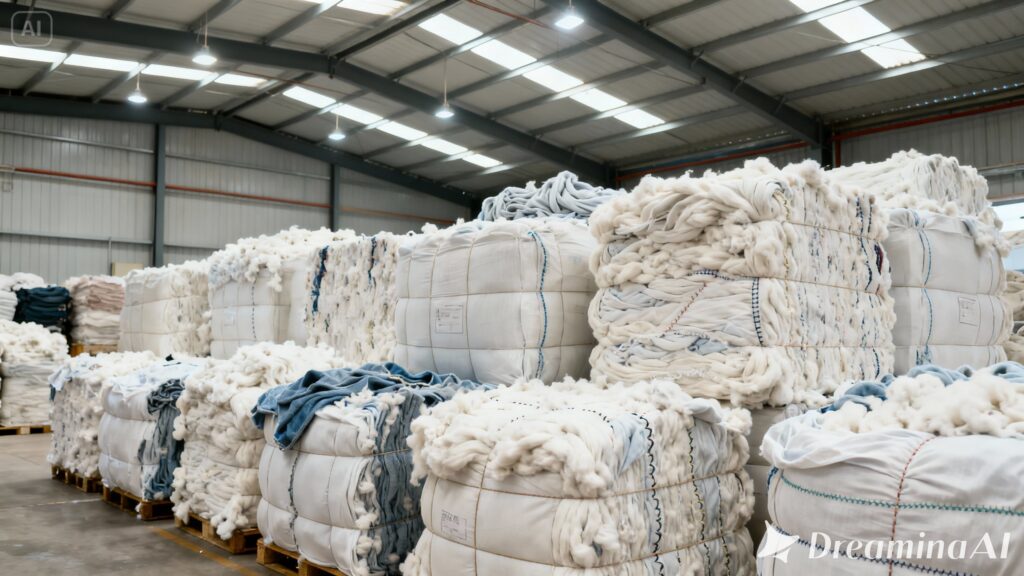
META DESCRIPTION Discover the main types of cotton rags available in Pakistan, including white, colour, hosiery, and fleece rags — their uses, benefits, and industrial demand. Introduction Cotton rags stand as one of the most widely used cleaning materials in Pakistan’s industrial and commercial sectors. Garment and hosiery factories generate textile waste, which they produce as fabric scraps. After collecting the fabric scraps, workers clean, sort, and compress them into bales before supplying them to different industries. Moreover, people prefer cotton rags because they achieve higher absorbency, last longer, and cost less compared to disposable alternatives. To understand their uses, we describe the various types of cotton rags available in Pakistan below. 1. White Cotton Rags White cotton rags are made from pure white T-shirt or hosiery fabric. They are lint-free, soft, and highly absorbent. Therefore, people use them to create a clean and stain-free surface. Common Uses: In addition, people prefer white cotton rags because they eliminate the risk of dye transfer, ensuring spotless cleaning performance. 2. Coloured Cotton Rags Manufacturers make coloured cotton rags from mixed-colour fabric pieces obtained from garment production waste. After sorting, workers trim and pack the rags together. They use these rags more widely in heavy cleaning tasks because they are more economical than white grades. Common Uses: Furthermore, people choose coloured rags when appearance is less critical, but they still need absorbency and strength. 3. Hosiery Cotton Rags Hosiery rags are produced from stretchable knit fabrics such as T-shirt or cotton jersey material. Due to their softness and smooth texture, they are excellent for delicate surface cleaning. Common Uses: Additionally, hosiery rags provide excellent absorbency and are ideal when a smooth and lint-free surface is needed. 4. Fleece Cotton Rags Fleece rags are obtained from sweatshirt or fleece jacket cutting waste. Their brushed texture allows excellent water and oil absorption, while their softness makes them ideal for polishing operations. Common Uses: As a result, industries prefer fleece rags when they need a gentle yet effective cleaning material. 5. Mixed Cotton Rags In some cases, workers prepare mixed cotton rags by combining different fabric types such as denim, woven, and knitted materials. They sort these rags based on durability rather than appearance, providing a cost-effective option for bulk cleaning tasks. Common Uses: Thus, people select mixed rags when they prioritize a balance between cleaning performance and price. Conclusion To summarize, several grades of cotton rags are available in Pakistan — each designed to meet specific industrial cleaning requirements. Customers choose white and hosiery rags for lint-free cleaning, while they prefer coloured, fleece, and mixed rags for general wiping and oil absorption. Consequently, the right selection of rag type ensures cost savings, efficiency, and sustainability within industrial operations.

Uncategorized

Industrial Cleaning Made Smarter: Why Textile Waste Rags Are the New Standard in 2025

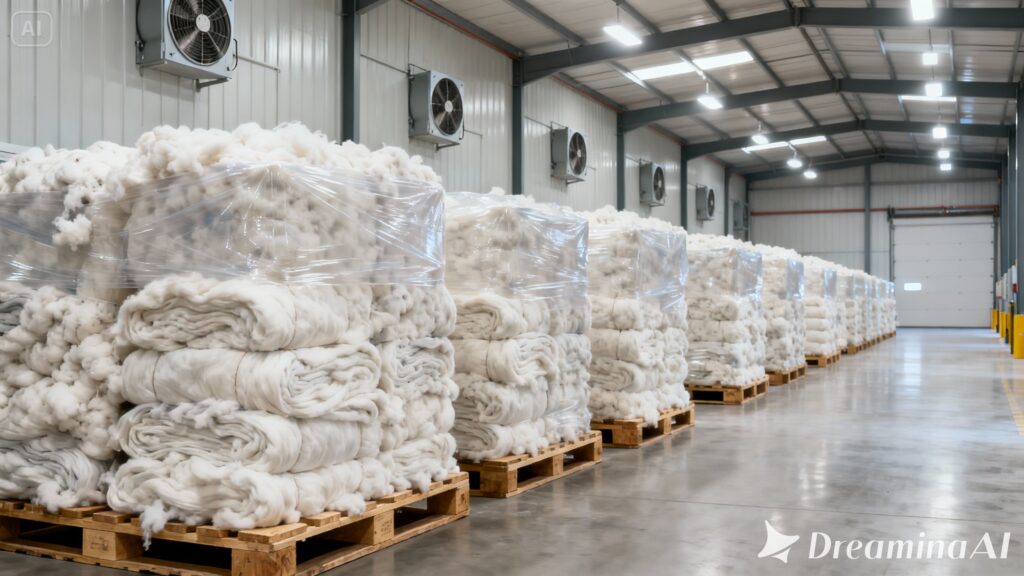
META DESCRIPTION Textile waste rags are more cost-effective, absorbent, and eco-friendly than paper towels in factories. Learn how they save money and reduce waste. Introduction In industrial environments, workers constantly need cleaning materials for machinery, tools, and surfaces. Traditionally, they used paper towels for this purpose. However, most factories now prefer textile waste rags because they provide superior cleaning performance and lead to long-term cost savings. What Are Textile Waste Rags? Textile waste rags come from leftover fabric pieces generated during garment manufacturing. Workers collect, clean, sort, and press these scraps into compact bales before supplying them to factories. Therefore, factories produce these rags from recycled cotton and blended materials that would otherwise be discarded as waste. Consequently, the textile industry considers textile waste rags a sustainable cleaning solution because they promote resource reuse and support waste reduction. Cost Comparison: Textile Rags vs. Paper Towels From a cost perspective, industries find textile waste rags significantly more economical to use. While workers consume paper towels rapidly and need to repurchase them frequently, they reuse cotton rags multiple times before disposing of them. For example, a single kilogram of cotton rags can clean far more surface area than a full roll of paper towels. As a result, factories that implement textile rags reduce their total cleaning costs by nearly 40–60%. Furthermore, companies minimize storage and disposal expenses because they pack cotton rags in compressed bales, which generate less waste volume. Absorbency Comparison: Which Performs Better? In terms of absorbency, textile waste rags are far superior. They are capable of holding up to ten times their weight in liquids such as oil, grease, and water. Paper towels, on the other hand, lose strength and tear easily when saturated. Therefore, workshops and heavy industrial environments prefer cotton rags because they require a stronger wiping medium. Additionally, absorbent hosiery and fleece rags deliver smooth and lint-free cleaning performance that paper towels cannot achieve. Sustainability Benefits Moreover, textile waste rags offer one of the strongest advantages for sustainability. Since manufacturers produce them from recycled fabrics, they reduce the demand for virgin pulp used in paper towels. In this way, they conserve energy, water, and tree resources. By adopting textile rags, factories actively contribute to waste reduction, landfill diversion, and circular manufacturing practices. Thus, sustainability goals can be achieved while maintaining industrial hygiene standards. Industrial Use Cases In addition, textile waste rags are used across a wide range of sectors, including: Accordingly, they are recognized as the most practical wiping solution across Pakistan’s industrial landscape. Conclusion To summarize, textile waste rags outperform paper towels in every aspect — cost, absorbency, and sustainability. They provide a durable, reusable, and eco-friendly cleaning method that reduces both operational expenses and environmental impact.

Uncategorized

Finally a Practical Understanding: How Cotton Rags from Pakistan Solve Industrial Cleaning at Scale

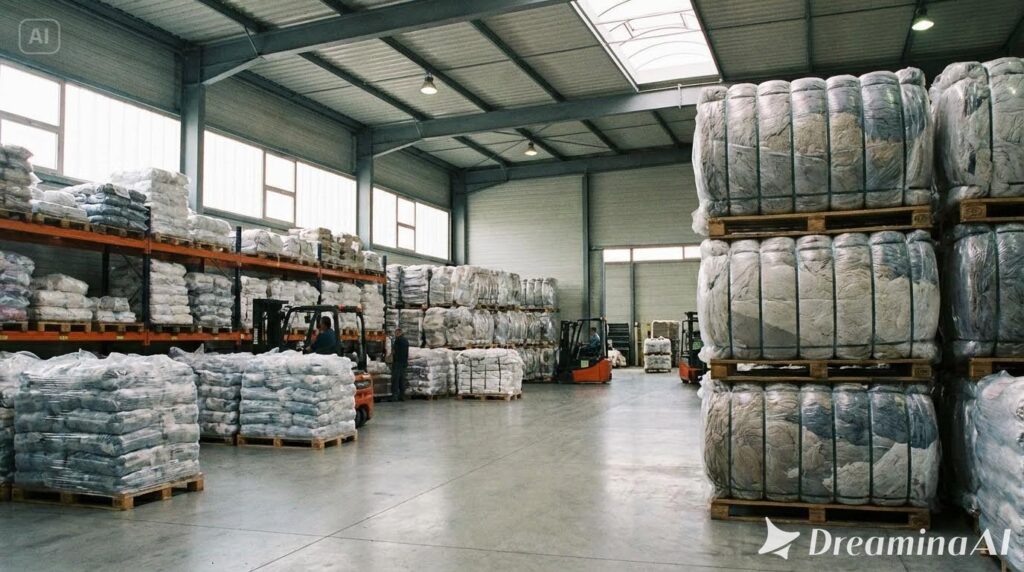
META DESCRIPTION Pakistani industries widely use cotton rags for cleaning, polishing, and surface preparation. Learn how manufacturers produce, grade, and supply cotton rags. Introduction Industrial sectors in Pakistan consider cotton rags one of their most essential consumables. Over 70% of factories rely on them daily. People prefer cotton rags over tissue rolls or microfiber because they find them to be an economical cleaning solution. Therefore, businesses purchase cotton rags on a large commercial scale. What are Cotton Rags? Cotton rags mainly consist of leftover cutting pieces or waste fabric generated from garment production units. Workers sort, trim, clean, and pack these pieces into compressed bales. Then, they supply the bales to different industries for cleaning and wiping purposes. Producers use textile waste to create cotton rags, which serve as a low-cost absorbent cleaning material. How cotton rags produced in pakistan The manufacturing process typically involves the following steps: As a result, we prepare a neat and pure wiping material for industrial clients. Grades of Cotton Rags Sold in Pakistan Furthermore, manufacturers commonly categorize cotton rags into three grades. Grade Material Quality Best Usage Premium White 100% cotton / t-shirt / hosiery Automotive & Aerospace Polishing Mix Color Hosiery Cotton blends / knits Factories & Maintenance Units Mix Denim / Woven Jeans / twill Heavy Machinery Workshops According to the cleaning requirements, each grade is purchased based on its characteristics. Where cotton rags are used Additionally, cotton rags are used in various applications. Hence, industries consider cotton rags the standard wiping solution. Why Cotton Rags are Better than Tissue / Microfiber Lastly, people select cotton rags because they deliver economical cleaning performance. As a result, the process achieves outstanding wiping performance at low cost. Conclusion To summarize, garment cutting waste generates cotton rags, which are then cleaned and packed for industrial supply.because they deliver economical cleaning performance, so most industrial units in Pakistan rely on them daily.

Uncategorized

“Your Complete Checklist for Selecting the Best Cotton Rag Supplier”

Meta Description Learn what to look for in a cotton rag supplier, from quality and certifications to delivery reliability and sustainability. Follow this checklist to find trusted suppliers for your business. Introduction Choosing the right cotton rag supplier is essential for ensuring consistent quality, reliability, and sustainable sourcing. With so many options in the market, selecting a supplier that truly meets your standards can be challenging. This guide highlights the key factors — from product quality and certifications to delivery efficiency and ethical practices — that help businesses make the right choice. Checklist: Quality, Volume, Delivery, and Certifications In today’s competitive textile market, choosing the right cotton rag supplier can make a significant difference in your business operations. Whether your focus is on manufacturing, cleaning, or distribution, partnering with a supplier who maintains consistent quality, reliability, and ethical standards is essential. Therefore, this ensures smooth operations and enhances customer satisfaction. Additionally, selecting a supplier with a strong reputation can help you stay ahead of industry trends and meet your company’s long-term goals. Here’s a comprehensive checklist to help you evaluate and select the right supplier for your needs. 1. Quality and Material Consistency Quality should always be the first priority. High-grade cotton rags should be absorbent, lint-free, and durable. A reliable supplier makes sure that all rags are produced from clean, sorted, and recycled textiles, meeting specific size and quality standards. 2. Volume and Supply Capability Another crucial aspect to consider is a supplier’s ability to meet your volume requirements. Businesses that depend on bulk orders must ensure that suppliers have the infrastructure and stock capacity to handle large-scale or repeat orders without delays.Additionally, it’s essential to confirm whether the supplier offers custom packaging or rag sorting options based on your operational preferences. 3. Delivery and Logistics Efficiency Timely delivery plays a vital role in maintaining workflow continuity. A dependable cotton rag supplier should provide clear delivery timelines, transparent tracking, and flexible shipping options.Moreover, it’s advisable to choose suppliers with established logistics networks, ensuring that orders are processed quickly and cost-effectively, especially for international clients. 4. Certifications and Compliance Certifications reflect a supplier’s commitment to quality, ethics, and sustainability. Look for suppliers certified under standards such as: These certifications ensure that your cotton rags are produced responsibly and align with global sustainability goals. 5. Sustainability and Ethical Practice Today, businesses are expected to align with ESG (Environmental, Social, and Governance) goals. Selecting a supplier who sources materials ethically, promotes fair labor, and uses eco-friendly processes enhances your brand reputation and environmental contribution.Working with suppliers committed to sustainability also helps reduce carbon footprints and promotes responsible textile recycling. Conclusion Selecting the right cotton rag supplier requires careful consideration of quality, capacity, delivery reliability, and ethical certifications. By partnering with a supplier that values both performance and sustainability, businesses can achieve operational efficiency while contributing to a greener planet.Ultimately, a reliable supplier relationship becomes an investment in quality, trust, and long-term success.

Uncategorized

“Reusable, Reliable, Responsible: Cotton Rags in Art and Education”

Meta Description Discover how cotton rags support classrooms and art education through creativity, maintenance, and sustainability. Learn why schools are choosing reusable materials for eco-friendly learning. Introduction In today’s classrooms and art studios, sustainability and creativity go hand in hand. Cotton rags have become a smart, eco-friendly choice for schools — perfect for cleaning, crafting, and maintaining art spaces. Their reusable, durable, and lint-free nature makes them ideal for everything from wiping brushes to keeping classrooms spotless, all while teaching students the importance of eco-conscious habits in everyday learning. Relevance in Schools, Crafts, and Maintenance In today’s classrooms, the focus on sustainability and creativity is growing stronger than ever. Among the many tools that support both goals, cotton rags stand out as simple yet versatile essentials. Whether used in art projects, school maintenance, or daily classroom activities, these eco-friendly materials help schools stay both clean and conscious. 1. Supporting Creativity in Art Education Art classes often involve paints, glues, and various materials that can easily create a mess. Cotton rags are perfect for cleaning brushes, wiping surfaces, and managing spills without producing excess waste.Unlike disposable paper towels, cotton rags can be washed and reused multiple times, reducing costs while promoting eco-friendly habits among students. Moreover, their soft, lint-free texture ensures delicate surfaces — such as canvases or desks — remain undamaged. 2. Encouraging Sustainability in Schools Sustainability is now an integral part of education. Schools are teaching students to make environmentally responsible choices, and using cotton rags is a practical example of that philosophy.By replacing disposable wipes and tissues with reusable cotton rags, institutions significantly cut down on waste and operational expenses. In addition, this shift encourages students to value reusability and waste reduction as lifelong habits. 3. Maintenance and Cleaning Efficiency Beyond art classes, cotton rags are also highly effective for routine maintenance tasks. Custodial staff often use them to clean glass, desks, and furniture surfaces since they are absorbent, durable, and quick-drying.Their natural fibers make them ideal for both dry and wet cleaning, offering a cost-effective and sustainable alternative to synthetic cleaning materials. As a result, schools not only save resources but also reduce their environmental footprint. 4. Teaching Through Example When students see sustainable materials like cotton rags being used daily, they learn that small changes can make a big impact. Incorporating these eco-friendly tools into classroom routines subtly reinforces the idea that sustainability begins with everyday choices. Conclusion Cotton rags may seem simple, but their role in education, creativity, and sustainability is undeniable. From keeping art rooms clean to promoting eco-awareness, they prove that even the smallest classroom tools can contribute to a greener, smarter future.By choosing reusable cotton rags, schools embrace a solution that supports both learning and the planet.

Uncategorized

“Building a Better Tomorrow: AASCO’s Path to Sustainable and Ethical Production”

Meta Description Discover how AASCO leads the way in sustainable manufacturing through ESG-driven practices, ethical sourcing, and international certifications. Learn how responsibility fuels their innovation. Introduction At AASCO, sustainability isn’t just a goal — it’s a guiding principle. ESG-driven practices shape every stage of production, from material sourcing to manufacturing, prioritizing environmental care, ethical labor, and long-term responsibility. By partnering with certified suppliers and maintaining globally recognized standards, AASCO continues to set a benchmark for ethical, transparent, and sustainable manufacturing. ESG-Driven Manufacturing, Ethical Sourcing, and Global Certifications In a world where environmental and social responsibility are no longer optional, AASCO has placed sustainability at the core of its operations. The company’s approach to responsible manufacturing goes beyond compliance — it reflects a deep-rooted commitment to ESG (Environmental, Social, and Governance) principles that drive every aspect of its decision-making. 1. ESG at the Heart of AASCO’s Manufacturing AASCO designs its manufacturing processes with both efficiency and environmental care in mind. It continuously optimizes every stage of production, from reducing carbon emissions to minimizing waste.Moreover, by integrating ESG-driven strategies, AASCO ensures that sustainable innovation remains a long-term priority rather than a short-term goal. The company’s production lines utilize energy-efficient technologies, and it closely monitors water and chemical usage to promote responsible resource management. 2. Ethical and Responsible Sourcing Sustainability doesn’t end at manufacturing — it begins with sourcing. AASCO takes pride in building transparent and ethical supply chains, ensuring responsible procurement of every material. Through partnerships with certified suppliers, the company guarantees respect for labor rights and ensures that materials are obtained under fair trade and environmentally sound conditions. This commitment helps ensure that the impact of AASCO’s products remains positive from origin to output. Additionally, by prioritizing locally sourced and renewable materials, AASCO reduces its transportation footprint, thereby contributing to lower greenhouse gas emissions and more sustainable logistics. 3. Certified for Trust and Transparency To validate its sustainability initiatives, AASCO adheres to internationally recognized certifications. The company’s operations meet stringent environmental and ethical standards under programs such as: These certifications not only reinforce AASCO’s credibility but also give customers confidence that every product is created responsibly and transparently. 4. Social Responsibility and Governance Beyond environmental efforts, AASCO is deeply committed to community welfare and employee well-being. Fair labor practices, safe working conditions, and continuous skill development programs are integral to the company’s governance model.Through active participation in CSR initiatives, AASCO supports education, local development, and environmental restoration programs — embodying the principle that business growth should uplift communities as well as markets. 5. A Vision for a Sustainable Future AASCO’s sustainability journey is not static; it evolves with global standards and customer expectations. The company continues to invest in green technologies, recyclable packaging, and closed-loop production systems to further reduce waste.By aligning its goals with the United Nations Sustainable Development Goals (SDGs), AASCO reinforces its mission to build a business model that prioritizes people, the planet, and long-term prosperity. Conclusion Through ESG-focused manufacturing, ethical sourcing, and globally recognized certifications, AASCO demonstrates what responsible industry leadership looks like. Each initiative — whether reducing emissions, sourcing ethically, or earning certifications — is a step toward a cleaner, fairer, and more sustainable world.AASCO’s sustainability promise is more than a corporate policy; it is a commitment to future generations and the planet we share.

Uncategorized

“The Hidden Cost of Convenience: Cotton vs. Disposable Wipes Explained”

Meta Description Discover the real cost-per-use comparison between cotton and disposable wipes. Learn how cotton wipes provide long-term ROI, durability, and eco-friendly benefits for businesses and everyday use. Introduction In today’s fast-paced industries, from manufacturing floors to cleaning services, businesses are becoming increasingly conscious of cost efficiency and sustainability. One question that often arises is whether to choose cotton wipes or disposable wipes for daily operations. While disposable wipes offer convenience, their ongoing costs and environmental impact are often overlooked. ROI Calculation Through Lifecycle and Environmental Costs When evaluating cleaning or maintenance supplies, the cost per use is often a more reliable indicator of long-term value than the initial purchase price. Between cotton wipes and disposable wipes, understanding the real return on investment (ROI) requires considering not only their cost and lifespan but also their environmental footprint. 1. The True Cost Behind Disposable Wipes Disposable wipes may seem inexpensive at first glance. However, their single-use nature leads to recurring costs that add up quickly. Each wipe is discarded after one use, generating waste and increasing purchase frequency.Moreover, many disposable wipes contain synthetic fibers and chemical additives, making them non-biodegradable and difficult to recycle. Over time, this constant disposal contributes to landfill growth and higher environmental costs. 2. Cotton Wipes: Reusable and Economical In contrast, cotton wipes are designed for repeated use, providing better value over time. When properly maintained, a single cotton rag can replace dozens of disposable wipes, significantly reducing both costs and waste generation.Additionally, because cotton is a natural and biodegradable material, it aligns well with sustainable cleaning practices and supports circular economy goals. Even when discarded, cotton wipes decompose faster and leave a smaller environmental footprint. 3. Lifecycle Analysis: Performance and Longevity When evaluating lifecycle costs, it becomes evident that cotton wipes offer higher durability and longer service life. While disposable wipes lose integrity after one use, cotton rags can be washed, sanitized, and reused multiple times without losing effectiveness.Furthermore, when measured over weeks or months of usage, the cost per use of cotton wipes can drop to a fraction of what disposable alternatives demand. 4. Environmental ROI: Hidden but Significant Beyond direct cost, there is also environmental ROI to consider. Cotton wipes require an upfront investment in water and energy for laundering, but they offset these through reduced waste and lower resource consumption over time.Disposable wipes, however, demand constant raw material production, packaging, and transportation — all of which increase carbon emissions and environmental costs. 5. Long-Term Business Value For businesses such as manufacturing units, automotive services, or janitorial operations, switching to cotton rags can translate to substantial savings. By reducing frequent purchases and waste management costs, companies not only improve their bottom line but also strengthen their sustainability credentials. Conclusion While disposable wipes offer convenience, cotton wipes deliver measurable value in cost, performance, and sustainability. When viewed through a cost-per-use and lifecycle lens, the long-term ROI of cotton wipes far outweighs the short-lived benefits of disposables.Ultimately, investing in reusable cotton products reflects a smarter, more sustainable business choice — balancing financial efficiency with environmental responsibility.

Uncategorized

“Eco-Textile Transformation: The Hidden Power of Cotton Rag Recycling”

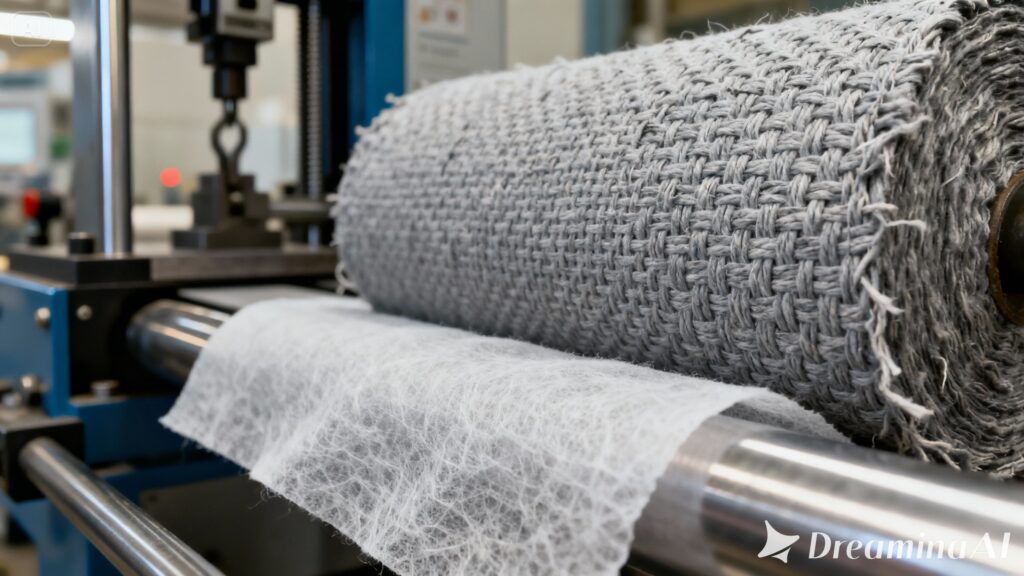
Meta Description “Explore how cotton rags are transforming textile recycling. Learn about automated sorting, fiber recovery, and sustainable processes driving the circular textile industry.” Introduction In today’s sustainability-driven world, textile recycling has become a vital part of waste management and resource conservation. Cotton rags lead this transformation by helping recycle discarded fabrics into reusable resources. Automated sorting systems and advanced recycling technologies have accelerated the recycling process, making it faster, cleaner, and more efficient than ever before. The Growing Importance of Cotton Rag Recycling Cotton is one of the most widely used natural fibers in the world. However, the textile industry generates large volumes of cotton waste during manufacturing and post-consumer disposal, raising serious environmental concerns. To address this issue, people are increasingly collecting, sorting, and recycling cotton rags instead of sending them to landfills. Through recycling, workers recover valuable cotton fibers, which reduces the need for virgin materials and lowers carbon emissions. As a result, the textile industry adopts more sustainable and circular practices, reusing products instead of wasting them. Automated Sorting: A Game Changer Traditionally, workers sorted textiles manually, which required significant labor and time. However, technological advancements have now revolutionized this process by enabling automated sorting systems. These systems use optical sensors, near-infrared (NIR) technology, and AI-based image recognition to identify cotton fabrics accurately. Once the systems detect the fabrics, they automatically separate cotton rags from synthetic or blended materials. Consequently, the recycling process becomes faster, more consistent, and highly precise, ensuring that workers extract high-quality fibers for reuse. Furthermore, automation minimizes human error and improves efficiency, allowing large-scale recycling operations to run seamlessly. Recycling Process: From Rag to Reusable Fiber After sorting, workers shred cotton rags into smaller pieces and then mechanically or chemically process the fibers to remove impurities. The cleaning, carding, and spinning processes transform the resulting fibers into new yarns or fabrics. Manufacturers then use these recycled materials to produce industrial wipes, insulation materials, and even new garments. By reintroducing these fibers into the manufacturing cycle, the industry significantly reduces textile waste and creates a more sustainable production ecosystem. Environmental Impact and Future Outlook Using cotton rags in textile recycling greatly reduces waste generation and resource depletion. Recycling processes require less water, energy, and chemicals to process cotton, which minimizes the overall environmental footprint of textile manufacturing. Moreover, as AI and robotics continue to advance, recycling facilities are expected to become more efficient. The future vision clearly shows a textile industry that treats waste not as a problem but as a valuable resource that can be renewed. Conclusion Cotton rags are no longer regarded as mere waste but serve as a cornerstone of sustainable textile recycling. Automated sorting systems and innovative recycling processes transform discarded fabrics into reusable fibers, supporting a cleaner and greener future. As technology progresses, the global textile industry approaches its goal of full circularity — where it minimizes waste and gives new life to everything.

Uncategorized

“Protecting Art the Right Way: Cotton Rags for Delicate Frames and Finishes”

Meta Description “Discover how cotton rags are used in art restoration and galleries. Learn about their non-abrasive cleaning benefits for delicate frames and surfaces while preserving artwork safely.” Introduction In the world of art restoration and gallery maintenance, every detail matters. Restorers and curators carefully clean centuries-old paintings and gently dust museum frames using the right materials. They choose cotton rags because of their non-abrasive texture, high absorbency, and surface safety. Due to these qualities, restorers, curators, and art handlers widely use cotton rags to preserve priceless works of art. Why Cotton Rags Are Trusted in Art Restoration Art restoration demands precision, patience, and materials that cause no harm. Restorers prefer cotton rags because they are soft, lint-free, and gentle on fragile surfaces. Unlike synthetic wipes, they do not leave behind fibers or cause micro-scratches. Furthermore, manufacturers make cotton rags from natural fibers, making them safe to use with various cleaning agents and restoration solutions. Non-Abrasive Cleaning for Frames and Surfaces Frames, whether gilded, wooden, or metallic, require special care during cleaning. Using a harsh cloth or solvent can easily damage their finish. Therefore, restorers use non-abrasive cotton rags to gently lift dust, fingerprints, and grime without disturbing the underlying texture or coating. Moreover, when cleaning painted surfaces or varnishes, restorers often dampen cotton rags slightly with approved solvents. This method ensures they clean the surface effectively yet safely, preserving the original integrity of the artwork. Additional Benefits for Galleries and Museums In art galleries, presentation is everything. Clean, well-maintained surfaces reflect professionalism and respect for the displayed artwork. Cotton rags help achieve this by: As a result, galleries can maintain a polished, pristine atmosphere without the risk of damaging delicate art pieces. Best Practices for Using Cotton Rags in Restoration To get the best results, professionals should: By following these steps, you can maximize the effectiveness of cotton rags in art maintenance while safely preserving artwork. Conclusion Cotton rags continue to be an indispensable tool in art restoration and gallery upkeep. Their softness, non-abrasive quality, and versatility make them ideal for cleaning fragile frames, surfaces, and sculptures. When used correctly, they ensure that art is preserved in its truest form—clean, undamaged, and timeless.

Scroll to Top