Uncategorized

Uncategorized

“What Makes Cotton Rags Heavy-Duty? 5 Features That Matter Most”

introduction
Cotton rags are widely used across industries, from automotive workshops to cleaning services, due to their reliability and affordability. However, not all cotton rags are created equal especially when it comes to heavy-duty use. In fact, several key characteristics determine whether a rag can withstand tough tasks or fail under pressure. In this blog, we will explore the top five essential features that define heavy-duty cotton rags and help you make the best choice for your industrial or commercial needs.

Uncategorized

“White Cotton Rags: The Ultimate Solution for Hygiene and Cost Savings”

When it comes to effective and hygienic cleaning, white cotton rags consistently outperform synthetic options. Not only are they versatile, but they are also known for their lint-free finish and superior sanitation properties. These qualities make them essential across a wide range of industries from healthcare and food service to manufacturing and electronics. In this blog, we’ll explore why white cotton rags are preferred and how they offer both environmental and practical advantages.

Uncategorized

Clean Smarter: Choosing the Most Sustainable Industrial Wipes

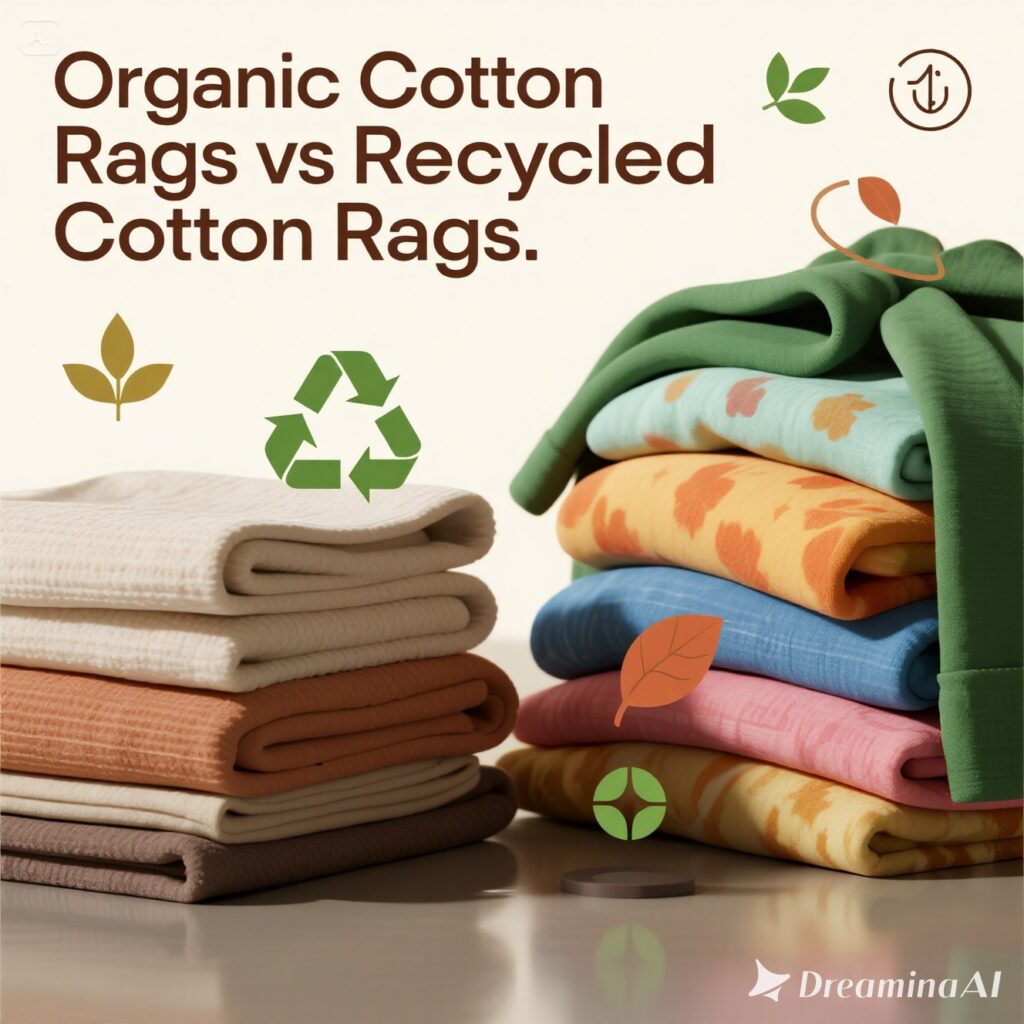
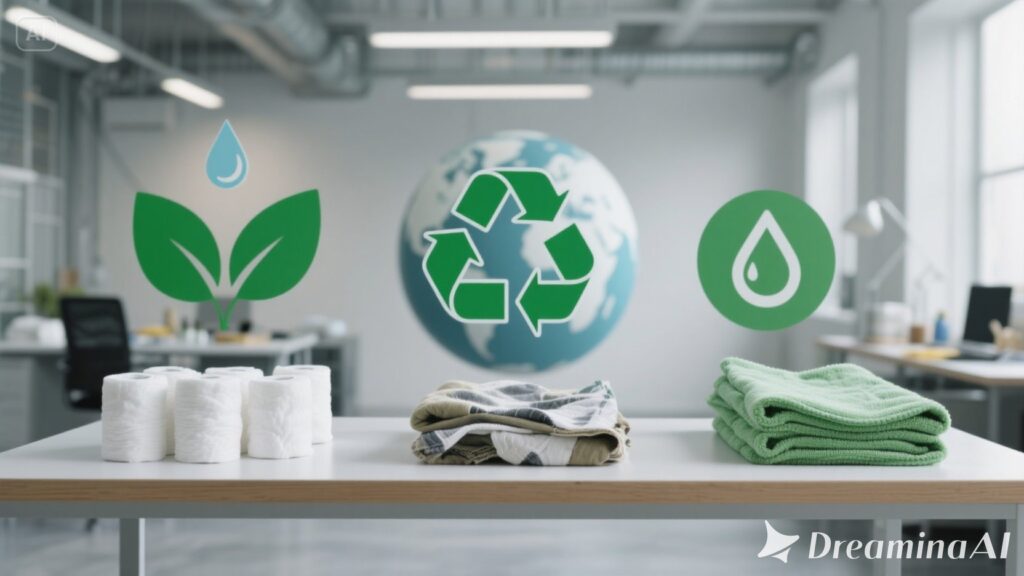
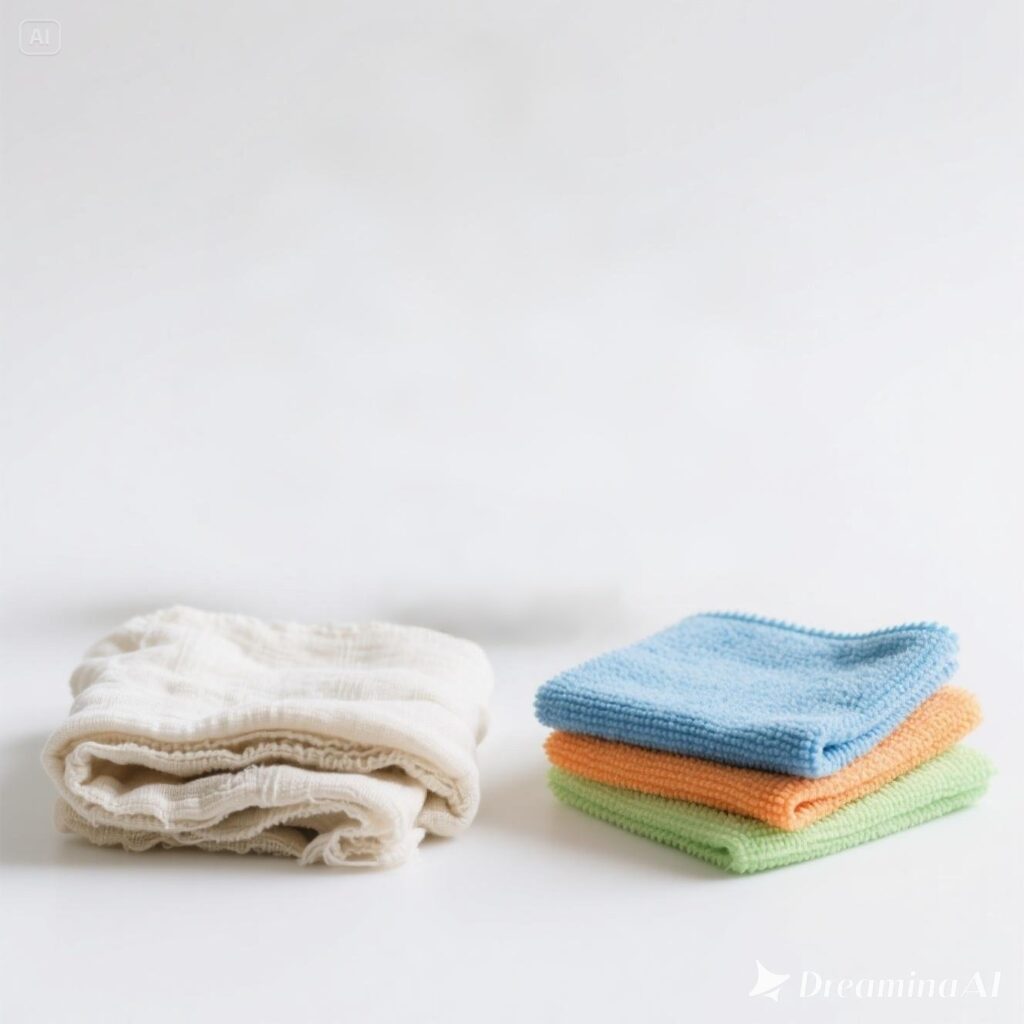
As industries strive to reduce their environmental footprint, the shift toward eco-friendly cleaning materials has accelerated. Among the top choices for industrial cleaning are cotton wipes, recycled rags, and microfiber cloths. Each option brings unique strengths, yet not all of them offer the same environmental benefits. By understanding how these materials compare, businesses can make more informed and sustainable decisions.

Uncategorized

Beyond Microfiber: Why Cotton and Recycled Rags Win at Sustainability

Introduction
As industries move toward greener operations, the focus has increasingly shifted to even the smallest details—like the cleaning wipes used daily. While these items may seem minor, their environmental impact is substantial. Therefore, choosing eco-friendly alternatives is not just a trend but a responsibility. In this blog, we’ll compare three of the most popular industrial wipe options cotton wipes, recycled rags, and microfiber cloths to highlight which offers the most sustainable benefits.

Uncategorized

From Toxic to Green: The Cleaning Industry’s Sustainable Shift

Meta Description: Discover how the cleaning industry is shifting from harmful chemicals to sustainable, eco-friendly solutions for a greener and safer future. Introduction As industries around the world continue to prioritize eco-conscious operations, the cleaning sector is also undergoing a major transformation. Driven by growing environmental awareness, new regulations, and consumer demand, sustainable cleaning is evolving rapidly. From eco-friendly materials to smart automation, the future promises a cleaner, greener path forward. The Shift Toward Eco-Conscious Products To begin with, traditional cleaning products have long relied on harsh chemicals, many of which harm both health and the environment. However, this trend is being reversed. Increasingly, manufacturers are using plant-based and biodegradable ingredients instead of synthetic compounds. Furthermore, companies are redesigning packaging to make it recyclable or to use post-consumer materials. As a result, we have already observed a significant reduction in environmental waste. Automation and Smart Cleaning Technologies Moreover, automation is shaping the future of sustainable cleaning. Companies widely adopt robotic cleaning devices that can be programmed to use minimal water and energy. Additionally, AI-powered cleaning systems optimize chemical use and detect dirt levels in real time, ensuring that they do not waste resources. These technologies not only boost efficiency but also significantly reduce human exposure to allergens and pollutants. The Role of Reusables and Waste Reduction Businesses are increasingly using reusable cleaning materials like microfiber cloths and recycled cotton rags. These alternatives replace single-use wipes and paper products, thus minimizing landfill waste. Many businesses that have adopted reusable cleaning tools have reported cost savings alongside reduced environmental impact. Consequently, a circular economy approach is gaining favor over the traditional linear model. Supply Chain Transparency and Green Certifications In addition, transparency across supply chains becomes essential. Companies now hold themselves accountable for the sustainability of their suppliers, which leads to a rise in eco-certifications and green labels. As sustainability reporting becomes standard, many cleaning product manufacturers disclose detailed information about their environmental impact. Furthermore, blockchain technology is being introduced to verify and secure data on raw materials, production methods, and carbon footprints, ensuring the information remains tamper-proof Sustainable Cleaning in Commercial and Industrial Settings Commercial facilities are adopting sustainability standards faster than ever. Hospitals, hotels, and manufacturing plants now follow green cleaning protocols. In particular, they emphasize sustainable sanitation, especially after the pandemic highlighted the importance of hygiene. These spaces now use low-toxicity, certified products and energy-efficient cleaning machinery. What the Future Holds: Predictions Ahead Looking ahead, several trends are expected to gain momentum. Experts anticipate that sustainable cleaning will shift from a niche trend to an industry standard in the next decade. Conclusion: A Cleaner World Starts Today In conclusion, innovation, responsibility, and sustainability will shape the future of cleaning. As new technologies emerge and businesses embrace green practices, the industry moves toward a future where cleaning not only maintains hygiene but also preserves the planet. By adopting eco-friendly products, reusable tools, and smart systems, businesses can lead the way in creating a healthier, more sustainable world.

Uncategorized

From Toxic to Green: The Cleaning Industry’s Sustainable Shift

Meta Description:Discover how the cleaning industry is shifting from harmful chemicals to sustainable, eco-friendly solutions for a greener and safer future. INTRODUCTION Leather gloves are widely appreciated for their durability, flexibility, and protection. However, to ensure they perform well over the long term, you must maintain them properly, especially in different weather conditions. Whether they face scorching heat, humid rain, or icy winds, leather reacts differently depending on the climate. By following tailored care practices, you can greatly extend the lifespan of your gloves and improve their appearance. 1. Leather Glove Care in Hot and Dry Climates In hot, arid regions, leather is more likely to dry out and crack due to a lack of moisture in the air. To prevent this: Moreover, wipe the gloves with a slightly damp cloth after each use to remove sweat or dust, which can further dehydrate the material. 2. Proper Maintenance in Humid or Rainy Environments In humid or rainy regions, the risk of mold, mildew, and water stains increases significantly. To combat this: Additionally, store gloves with moisture-absorbing packets or cedar inserts to help retain their shape and absorb excess humidity. 3. Cold Weather Care for Leather Gloves In colder climates, leather may stiffen, especially if not moisturized properly. During winter: Gently flex the gloves before each use to warm them up and prevent cracking. 4. General Tips for All Seasons Regardless of the climate, a few universal care tips can ensure optimal glove performance: Furthermore, always clean the gloves with mild leather cleaners, and test the cleaner on a small hidden area first. Conclusion: Climate-Smart Glove Care Makes All the Difference Each climate presents unique challenges to leather, but with thoughtful care, your gloves can remain resilient and functional year-round. By using climate-specific strategies such as conditioning in dry areas, waterproofing in humid zones, and protecting against cold in winter, the integrity of the leather can be preserved. In the end, consistent maintenance not only extends the glove’s life but also enhances performance in every environment.

Uncategorized

“From Budget to : The Real Value of Reusable Cleaning Rags”

Meta Description: Discover the true cost comparison between disposable and reusable cleaning rags. Learn which option is more affordable, sustainable, and efficient for long-term use in industrial and commercial settings. INTRODUCTION In both industrial and commercial cleaning environments, choosing the right cleaning rag can significantly impact your budget and environmental footprint. Disposable rags may seem convenient at first. However, reusable cotton rags often provide greater value over time. In this blog, we will compare the cost, performance, and environmental impact of both options. This will help you make an informed and financially smart decision. Initial Costs: Disposable May Be Cheaper But Only Upfront Initially, disposable rags appear to be the more affordable choice. Since they are mass-produced and sold in bulk, their unit cost tends to be lower. Businesses looking for a short-term or one-time solution often opt for these. However, when usage is consistent, the cost of replenishing disposable rags adds up rapidly. In contrast, reusable rags may involve a higher upfront investment, but they are designed to last much longer. Thus, over time, they actually reduce the need for frequent purchases, leading to substantial savings. Long-Term Value: Reusable Rags Win Their durability reduces the need for replacements and helps lower operational costs. Additionally, many industries now choose recycled cotton rags because they often make them from post-consumer or post-industrial textile waste, which makes them even more cost-effective. Maintenance Costs: A Manageable Trade-Off While you must wash and dry reusable rags after each use, their associated costs are far lower than purchasing new disposable rags daily. Laundry processes have also become more energy-efficient. When you clean these rags in-house, you can do so in bulk, saving both time and money. Moreover, reusable rags are less likely to tear, shed fibers, or fail mid-task reducing waste and increasing worker efficiency. Environmental Considerations: Cost Beyond Money Another major aspect of cost is environmental. Disposable rags are generally made from synthetic or paper-based materials, which end up in landfills after a single use. Over time, this creates hidden costs for waste disposal and contributes to environmental degradation. In contrast, reusable cotton rags are biodegradable, especially if made from recycled materials. They align better with eco-friendly policies and may even improve your brand’s reputation if sustainability is part of your mission. Final Verdict: Reusables Offer the Smartest Value While disposable rags may offer convenience and a lower initial cost, reusable cotton rags clearly emerge as the smarter investment for businesses aiming for long-term cost savings, performance reliability, and environmental responsibility. When you consider both the financial and environmental impacts, reusable rags prove to be the more sustainable option and also the more economical choice.

Uncategorized

“Cotton Rags in Action: A Sustainable Solution for Environmental Cleanup”

Meta Description Learn how biodegradable cotton rags are used in environmental cleanup operations, from oil spills to industrial waste. They offer a sustainable, reusable, and eco-safe alternative to synthetic materials. Cotton Rags in Action: A Sustainable Solution for Environmental Cleanup In today’s world, environmental disasters such as oil spills, chemical leaks, and industrial waste contamination have become increasingly frequent. Consequently, the demand for effective and eco-conscious cleaning tools has grown significantly. Among these tools, cotton rags have proven to be a simple yet powerful ally in cleanup efforts. In this blog, we will explore how cotton rags play a vital role in minimizing environmental damage while supporting sustainability. One of the most common environmental emergencies is oil spills both on land and at sea. People widely use cotton rags in these scenarios because of their exceptional absorbency. When they become saturated, users can wring them out and reuse them multiple times, which reduces overall waste. Moreover, cotton rags naturally break down and do not contribute to microplastic pollution, making them a more eco-responsible option. Safe for Hazardous Material Removal During chemical spills or hazardous waste removal, we must select proper cleanup materials to prevent environmental contamination. Cotton rags, especially those made from recycled fabrics, remain chemically inert and durable. Therefore, users can safely employ them without reacting with corrosive substances. In many cases, industries such as oil refining, paint manufacturing, and emergency response prefer them. Reusability Reduces Waste Another important factor in using cotton rags is their reusability. People can launder them and redeploy them for multiple cleaning cycles. As a result, people use fewer single-use wipes or paper towels. This approach not only reduces landfill waste but also lowers the carbon footprint caused by the frequent production and disposal of synthetic alternatives. Soft Yet Tough for Sensitive Cleanup Tasks Although industrial cleanups require robust solutions, certain environments like coastal wildlife zones or soil remediation areas need gentler materials. Cotton rags offer the right balance of strength and softness. They clean delicate surfaces, injured wildlife, or vegetation without causing additional damage. Therefore, environmental NGOs and rescue teams often use them in eco-sensitive projects. Environmentally Preferred Choice Because they are made from natural, biodegradable materials, cotton rags are often chosen for green-certified cleanup operations. In fact, many cleanup agencies now require sustainable materials as part of their protocols. By choosing cotton rags over plastic-based products, both environmental integrity and regulatory compliance are supported. Final Words: Small Tool, Big Impact To sum up, while cotton rags may appear simple, their role in environmental cleanup is anything but minor. They offer effective absorption, reduced waste, chemical safety, and environmental compatibility all critical features in the fight against pollution. By incorporating cotton rags into cleanup strategies, companies and organizations can achieve a cleaner planet and a more sustainable future.

Uncategorized

“Future-Proof Protection: Innovations in Leather Glove Technology”

Meta Description: Discover the latest breakthroughs in leather glove manufacturing from smart textiles to ergonomic designs, learn how innovation is reshaping protection, comfort, and performance in industrial gloves. Future-Proof Protection: Innovations in Leather Glove Technology In today’s fast-paced industrial landscape, safety standards are constantly evolving. Accordingly, so are the tools used to meet them especially gloves. While leather gloves have long been a trusted option for protection, recent innovations are transforming their design, functionality, and performance. In this blog, we’ll explore the most cutting-edge developments in leather glove technology and how these updates are setting new standards for worker safety. Advanced Material Blends for Extra Durability Traditionally, manufacturers made leather gloves from cowhide, goatskin, or pigskin. However, modern glove makers now incorporate hybrid blends that combine natural leather with advanced synthetic linings. As a result, they have achieved improved resistance to cuts, chemicals, and abrasion without sacrificing comfort. In many products, they layer Kevlar® or Nomex® fibers underneath leather to increase strength and flame resistance. Smart Glove Integration Moreover, tech-driven enhancements are entering the leather glove market. Some new models incorporate sensors that monitor hand movement, pressure, or heat exposure in real time. Workers use these smart gloves in high-risk environments such as oil rigs and manufacturing lines. The gloves provide feedback data that helps prevent injuries and reduce downtime. Ergonomic & 3D Design Enhancements To improve long-term wearability, ergonomically designed gloves are gaining popularity. This ensures better grip and less hand fatigue, especially during extended use. Furthermore, elastic cuffs and breathable inserts have been added for greater flexibility. Thermal and Chemical Resistance Upgrades Recent innovations have also focused on improving heat and chemical resistance. For instance, leather gloves now undergo advanced tanning and coating processes that make them resistant to hazardous liquids and extreme temperatures. Consequently, industries like foundries, metalworking, and chemical handling are benefiting from improved safety and reliability. Sustainable Leather Processing In addition to performance upgrades, sustainability has also become a key priority. New eco-friendly tanning methods which use fewer harsh chemicals have been adopted. Furthermore, companies are increasingly recycling and repurposing leather waste into industrial rags, padding, or secondary products, making the entire lifecycle more environmentally responsible. Final Thoughts: Innovation Is Here to Stay Ultimately, leather gloves are no longer limited to basic protection. With the integration of smart technology, sustainable practices, and high-performance design elements, manufacturers have evolved them into essential safety tools for a wide range of industries. As innovation continues, developers are expected to introduce even more advanced features that will keep workers safer and more efficient than ever before.

Uncategorized

“Why Cotton Absorbs Better Than Synthetic Fabrics”

Meta Description: Discover the scientific reasons behind cotton’s excellent absorbency. Learn how its natural fiber structure makes it ideal for cleaning, wiping, and industrial applications. Introduction: Why Cotton’s Absorbency Matters In both household and industrial applications, the ability of a fabric to absorb moisture plays a critical role. Therefore, cotton has remained a preferred material for decades. It is not only soft and breathable but also highly absorbent. In this blog, we will explore the science behind cotton’s absorbency, its benefits, and the reasons it continues to outperform synthetic alternatives. Currently What Makes Cotton Absorbent? Moreover, the twisted ribbon-like shape of cotton fibers increases the surface area, allowing the fibers to soak in even more liquid. This enables cotton to hold up to 27 times its weight in water, a feature that multiple industries value. Cotton’s absorbency primarily results from its natural cellulose structure. Cellulose, a carbohydrate in plant cell walls, has hydrophilic (water-attracting) properties. As a result, moisture readily moves into the fiber and stays there. How Absorbency Is Measured Textile absorbency measures how much water a material can hold and how quickly it absorbs it. In controlled lab tests, cotton consistently demonstrates excellent performance. It typically absorbs water in less than 30 seconds. Because of this rapid action, cotton is preferred for wiping, mopping, and medical applications. Cotton vs. Synthetics: A Clear Advantage Although synthetic fibers like polyester are water-resistant, they do not absorb moisture efficiently. In contrast, cotton allows liquid to penetrate the fiber core, rather than sitting on the surface. , Real-World Applications of Cotton’s Absorbency Because of its superior absorbency, people widely use cotton in: In each of these cases, manufacturers use blending, finishing, and weaving methods to further enhance cotton’s efficiency, tailoring the processes for maximum performance. Conclusion: Nature’s Most Absorbent Fiber To sum up, cotton’s exceptional absorbency is no accident. It is a result of its naturally engineered structure, developed through millions of years of evolution. Because of this, cotton remains a top performer in industries where moisture control, cleaning, and comfort are essential. By choosing cotton, businesses and consumers alike are investing in proven performance and sustainability.

Scroll to Top