Meta Description
Learn the differences between white, mixed, and coloured cotton rags with pros and cons to choose the best option for industrial cleaning and cost efficiency.
Introduction
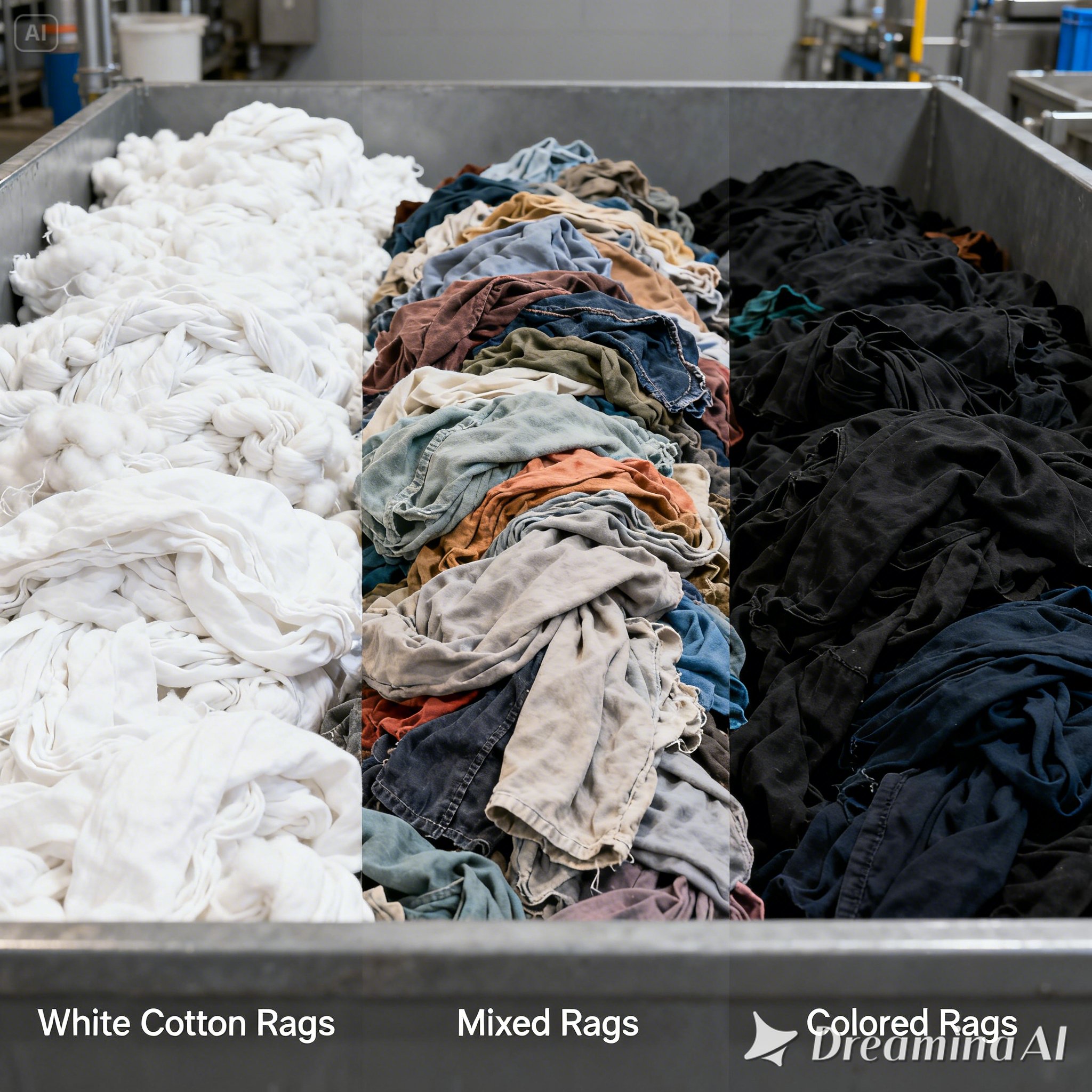
Choosing the right type of cotton rag depends on more than just price. Colour sorting plays a major role in performance, cleanliness, and end-use suitability. Therefore, buyers must understand the differences between white, mixed, and coloured cotton rags before making a decision.
Each category offers distinct advantages and limitations. This guide explains the pros and cons of each type to help you select the best option for your industry.
Why Colour Sorting Matters
Suppliers sort cotton rags by colour to ensure consistency and performance. Because different industries have different requirements, colour-based sorting helps match the right rag to the right application.
For example, some industries require clean, stain-visible materials, while others focus on cost efficiency and heavy-duty cleaning. Therefore, selecting the correct category improves both results and cost control.
1. White Cotton Rags
White cotton rags come from clean, undyed fabrics such as shirts and bed linens. They offer the highest level of purity and consistency.
✅ Pros
- High absorbency and softness
- Easy to detect dirt, oil, or contamination
- Low lint (ideal for polishing and sensitive surfaces)
- Suitable for hygiene-focused industries
❌ Cons
- Higher cost compared to other types
- Visible stains reduce aesthetic value over time
- Not necessary for heavy industrial cleaning
✔ Best For
- Printing and polishing
- Food and pharmaceutical environments
- Precision cleaning tasks
2. Mixed Cotton Rags
Mixed rags include a blend of white and coloured fabrics. They provide a balance between quality and cost.
✅ Pros
- Cost-effective compared to white rags
- Good absorbency for general cleaning
- Widely available in bulk
- Versatile across multiple industries
❌ Cons
- Inconsistent appearance
- Moderate lint levels
- Not suitable for high-precision cleaning
✔ Best For
- General maintenance
- Workshops and factories
- Cleaning companies
3. Coloured Cotton Rags
Coloured rags come from dyed fabrics such as T-shirts and garments. They are the most economical option.
✅ Pros
- Lowest cost
- Stains are less visible
- Suitable for heavy grease and oil cleaning
- Durable for rough usage
❌ Cons
- Possible dye bleeding in some cases
- Not suitable for sensitive or hygiene-critical tasks
- Higher lint variation depending on fabric source
✔ Best For
- Automotive workshops
- Oil & gas industry
- Heavy machinery cleaning
Comparison Overview
| Feature | White Rags | Mixed Rags | Coloured Rags |
|---|---|---|---|
| Cost | High | Medium | Low |
| Absorbency | High | Medium High | Medium |
| Cleanliness | Excellent | Moderate | Low |
| Lint Level | Low | Medium | Variable |
| Best Use | Precision | General | Heavy-duty |
How to Choose the Right Type
To make the best choice, buyers should consider:
- Application type → precision vs heavy cleaning
- Budget → premium vs cost-saving
- Contamination risk → clean vs industrial environments
- Volume requirement → bulk vs specialized use
Therefore, matching the rag type with the application ensures better performance and cost efficiency.
Conclusion
White, mixed, and coloured cotton rags each serve different industrial needs. While white rags offer premium quality and cleanliness, mixed rags provide versatility, and coloured rags deliver cost-effective performance for heavy-duty tasks.
Ultimately, businesses that understand these differences can optimize their cleaning operations and reduce unnecessary expenses.