Author name: admin

Uncategorized

“2025 Industrial Buyer’s Guide: How to Source Bulk Cotton Rags in Pakistan at the Best Price”

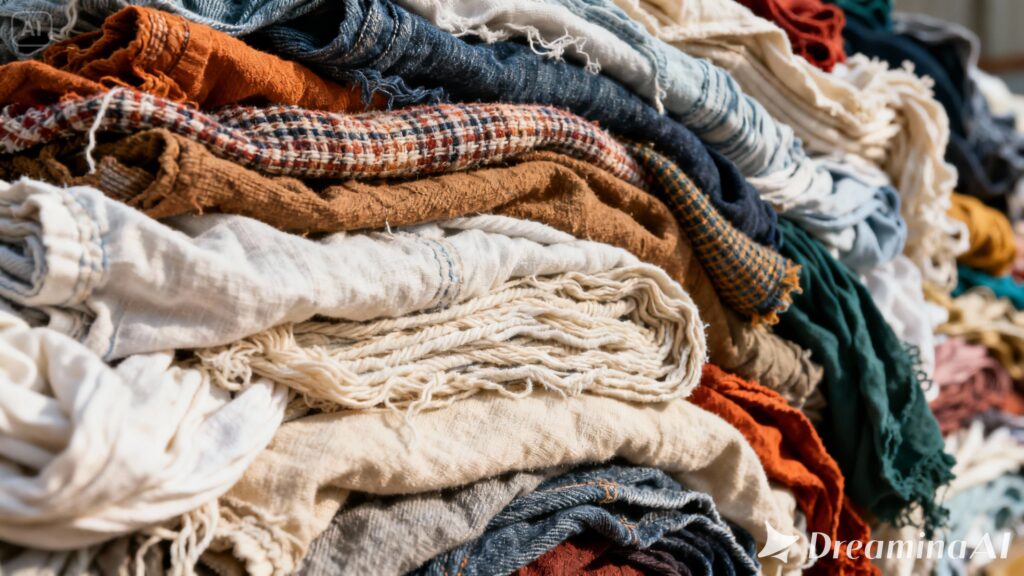
Meta Description A complete guide on how to buy cotton rags in bulk in Pakistan in 2025. Learn price factors, supply chain costs, transportation charges, bale types, and sourcing tips for industries. Introduction Buying cotton rags in bulk has become a standard requirement for manufacturing units, workshops, textile mills, oil plants, maintenance teams, and cleaning contractors in Pakistan. However, it is important to understand the purchasing process carefully to ensure quality and obtain fair pricing. This guide explains how to buy cotton rags in bulk in 2025 and discusses the factors that influence their final price. 1. Understand the Types of Cotton Rags Available in the Market Before buying, industries should understand the categories of rags being offered. In Pakistan, suppliers typically provide the following types.rz Moreover, suppliers offer these categories in different packing styles such as compressed bales, poly bags, and 10 kg or 25 kg bundles. By identifying the correct category, buyers can prevent procurement errors and ensure consistent wiping performance. 2. Evaluate Quality Before Placing a Bulk Order Buyers should always perform quality inspections before purchasing large quantities. They must conduct the following checks: They purchase only premium and safe rags for daily usage. 3. Analyze the 2025 Pricing Structure in Pakistan Multiple supply chain factors influence the price of cotton rags in Pakistan in 2025. You must understand these cost drivers before negotiating. a. Raw Material Availability Raw materials such as post-industrial fabric waste and garment cutting scraps directly affect the price. When supply becomes tight, buyers naturally increase prices. b. Labour Costs Cutting, sorting, and packing processes require significant labour. Therefore, higher labour costs contribute to increased final product pricing. c. Packaging Type Compressed bales usually cost less per kg, while the additional materials and handling make small poly bags more expensive. d. Transportation Charges Fuel prices, the distance from the supplier, and the type of vehicle required for shipping influence the per-kg cost. As fuel rates rise in Pakistan, transportation becomes a major cost driver in 2025. e. Demand & Season During peak industrial production seasons, sellers often increase bulk rag prices due to high demand. By understanding these factors, bulk buyers can negotiate more confidently with suppliers. 4. Choose a Reliable Supplier in Pakistan You should select a trusted supplier so that you can ensure consistent quality and a stable supply. The following points should be checked: Additionally, long-term contracts often result in better pricing and priority delivery. 5. Inspect Supply Chain Transparency Furthermore, a clear supply chain should be confirmed before placing bulk orders. Suppliers must provide: Transparent supply chains help companies avoid hidden costs or quality issues. 6. Factor In Shipping, Loading & Unloading Costs Transportation plays a major role in the final cost of cotton rags. The following charges must be calculated: When these costs are included, pricing forecasts become far more accurate. 7. Place a Trial Order Before Final Bulk Purchase To ensure no mistakes are made, a small trial order should be placed first. This allows buyers to test: Once the trial order is approved, bulk purchasing can be finalized confidently. Conclusion In conclusion, buying cotton rags in bulk in Pakistan requires careful evaluation of quality, pricing, and supplier reliability. When raw material availability, labour expenses, transportation charges, and packing types are properly understood, smarter purchasing decisions can be made. As a result, industries can secure consistent supply at fair 2025 prices while maintaining cleaning efficiency and operational productivity.

Uncategorized

“Safe Storage Science: How to Keep Cotton Rags Contamination-Free in Warehouses”

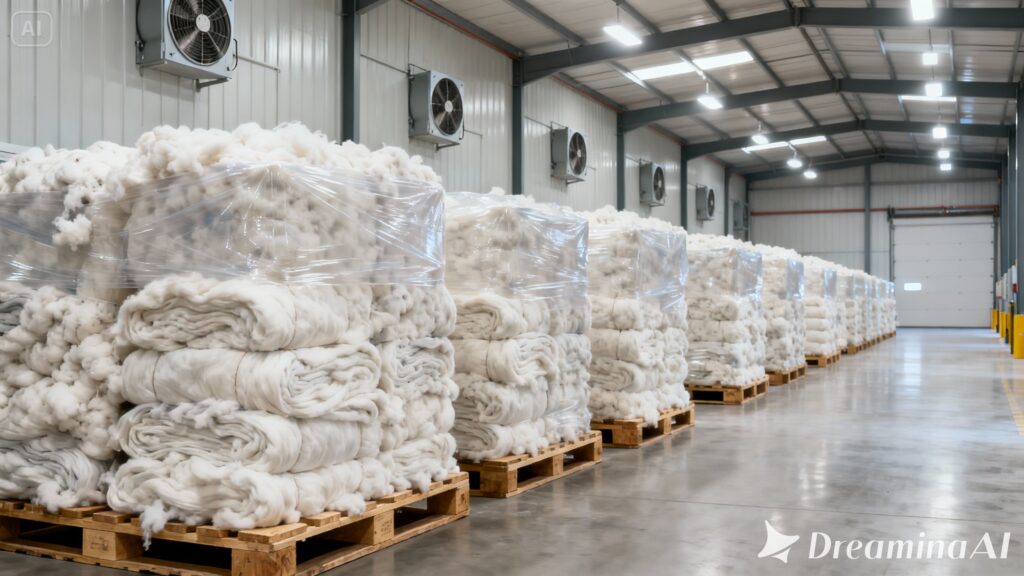
Meta Description Learn the best storage conditions for cotton rags, including humidity control, pallet stacking, ventilation, and warehouse hygiene rules. Keep your industrial wiping rags safe, clean, and contamination-free. Introduction Ensuring that cotton rags remain clean and safe for industrial use is essential, especially when they are stored for long periods. Therefore, proper warehouse conditions must be maintained so contamination, moisture damage, and odor development can be prevented. This guide explains the best storage practices that are widely followed in Pakistan’s textile and industrial sectors. 1. Maintain Controlled Humidity Levels To begin with, manage humidity carefully in any warehouse storing cotton rags. When moisture levels rise above 60%, mold growth, foul smells develop, and fibers weaken. With controlled humidity, cotton rags remain fresh, durable, and free from bacterial contamination. 2. Ensure Adequate Ventilation Moreover, ensure proper air circulation so that airflow can remove trapped moisture and prevent stale odors. With continuous ventilation, the overall storage environment stays dry and hygienic. 3. Use Palletized Stacking to Prevent Floor Contamination Never place cotton rags directly on the warehouse floor because dirt, chemicals, and dampness can quickly transfer into the fabric. Therefore, workers should stack the rags on pallets. This method ensures that all rags remain protected from ground-level hazards. 4. Follow Proper Bale Wrapping & Layering Methods Carefully monitor the wrapping quality when packing cotton rags into compressed bales or bundles. Proper wrapping completely blocks external dust and debris. 5. Implement Warehouse Cleanliness Rules To maintain a contamination-free warehouse, hygiene protocols should be strictly enforced. As a result, cotton rags remain safe for use in sensitive industries such as automotive, textile, and maintenance. 6. Protect Rags from Chemicals & Hazardous Materials Do not store cotton rags near solvents, oils, dyes, or corrosive chemicals. Even minor exposure can cause stains, odors, or chemical reactions. Proper zoning helps ensure that contamination risks are minimized. 7. Maintain Temperature Stability Although cotton rags are durable, extreme temperatures can still affect their longevity. Stable temperatures keep the fibers strong and odor-free. Conclusion In conclusion, safe storage conditions for cotton rags are essential for keeping them fresh, durable, and contamination-free. When humidity control, pallet stacking, proper ventilation, and warehouse hygiene protocols are consistently enforced, long-term product quality is guaranteed. As a result, industries can depend on clean and reliable wiping rags for daily operations.

Uncategorized

“Top 10 Sectors with the Highest Daily Demand for Cotton Rags”

Meta Description Discover the top 10 industrial sectors that rely on cotton rags daily. Learn how textile, automotive, oil & gas, and more industries use premium cotton rags for efficiency. Introduction Cotton rags have been widely used across numerous industries because of their absorbency, durability, and eco-friendly nature. Moreover, their ability to handle oil, grease, chemicals, dust, and polishing tasks makes them a daily operational essential. Therefore, understanding which sectors depend on cotton rags can help procurement teams make informed decisions. Below is a well-researched list of the top 10 industrial segments where cotton rags are used every single day. 1. Textile Manufacturing In textile mills, workers continuously use cotton rags to clean machines, wipe rollers, and remove lint buildup. Additionally, they help maintain fabric quality by preventing contamination during production. 2. Leather Processing & Tanneries The leather sector relies heavily on cotton rags for polishing hides, absorbing finishing chemicals, and cleaning tanning drums. Furthermore, premium rags ensure the leather surface remains scratch-free. 3. Oil & Gas Industry In oil fields and refineries, workers extensively use cotton rags to wipe machinery, remove thick grease, and clean pipelines. As a result, they improve operational safety and maintenance efficiency. 4. Automotive Manufacturing & Garages This industry uses cotton rags daily for polishing, detailing, oil cleaning, and wiping spare parts. Moreover, mechanics prefer cotton rags because they do not leave lint on sensitive components. 5. Metalworking & Engineering Units Workers use cotton rags to wipe cutting tools, remove shavings, clean lubricants, and polish metal surfaces. Consequently, they support precision work where maintaining cleanliness is critical. 6. Printing & Packaging Industr Printing units rely on cotton rags to clean ink spills, wipe rollers, and maintain printing plates. Additionally, the absorbent nature of cotton ensures fast and streak-free cleaning. 7. Hospitality & Housekeeping Hotels, restaurants, and resorts use cotton rags daily for cleaning surfaces, maintaining hygiene, and polishing cutlery. As a result, cleanliness standards remain consistently high. 8. Marine & Ship Maintenance In marine environments, cotton rags are used to clean engines, absorb oil leaks, and maintain deck equipment. Furthermore, their durability makes them suitable for heavy-duty maritime tasks. 9. Food Processing Units Cotton rags are preferred for cleaning machinery, wiping spills, and maintaining hygiene zones. Additionally, lint-free rags help avoid contamination in sensitive production areas. 10. Construction & Heavy Equipment Maintenance Construction machinery requires constant cleaning and lubrication. Therefore, cotton rags are used daily for wiping hydraulic oil, dust, cement stains, and metal tools. Conclusion Cotton rags play an indispensable role across multiple industries because they are versatile, economical, and eco-friendly. Whether it is automotive detailing, oil refinery maintenance, or textile machine cleaning, these rags continue to be preferred for their reliability and performance. Thus, procurement teams should prioritize high-quality cotton rags to ensure smooth and efficient operations.

Uncategorized

“The Premium Rag Standard: A Complete Procurement Inspection Framework”

META DESCRIPTION Premium rag can be identified using GSM checks, stitching quality, contamination control, and fabric consistency. This complete procurement guide explains how top-grade industrial cotton rags are inspected before purchasing. Introduction During industrial procurement, many overlook the quality of cotton rags. However, using premium rags leads to better cleaning results, reduces waste, and improves efficiency. Therefore, you must follow a proper inspection method to ensure you purchase only high-quality cotton rags. This guide provides a complete quality checklist, explaining every important factor in detail. 1. First, perform GSM verification. Start by checking the GSM (grams per square meter) of the rags, as it directly determines their durability and absorbency. Therefore, you must conduct GSM measurement before accepting any shipment. 2. You must evaluate fabric consistency carefully. Next, inspect the fabric quality thoroughly. Expect premium rags to be made from uniform fabric panels. Through consistency checks, you can predict long-term performance more accurately. 3. Stitching and Cutting Quality Should Be Examined In addition, the stitching quality or cutting uniformity must be reviewed: When stitching (in stitched varieties) is strong, the rag lasts longer even in heavy-duty operations. 4. Ensure Contamination Control. Furthermore, contamination inspection plays a major role in deciding rag quality.Premium cotton rags should be completely free from: Detect contamination and reject the entire bale to prevent safety risks. 5. Conduct absorbency tests. Absorbency is one of the most critical performance indicators. Therefore, a simple water-drop or oil-absorption test should be performed. Strongly recommend conducting absorbency testing before bulk purchasing. 6. Color Sorting Should Be Verified Accurately Moreover, proper sorting ensures that the right type of rag is delivered. Proper color sorting maintains consistency in industrial cleaning. 7. Bale Compression and Packaging Must Be Checked Inspect the packaging quality because it affects storage hygiene.Usually, they compress, pack, and strap premium rags tightly and cleanly. Good packaging ensures the product remains clean until usage. Conclusion In conclusion, premium-quality cotton rags can be identified easily when a systematic inspection process is followed. By checking GSM, fabric consistency, stitching quality, contamination, packaging, and absorbency, industrial buyers can ensure that only durable and safe rags are procured. As a result, cleaning efficiency is improved, waste is reduced, and long-term operational costs are minimized.

Uncategorized

“Eco-Industrial Cleaning Made Simple: Cotton Rags Reducing Pollution & Carbon”

Meta Description Cotton rags offer a sustainable cleaning solution for industries. Learn how carbon emissions, pollution, and waste are reduced through eco-friendly rag practices. Introduction In today’s manufacturing environment, companies increasingly prioritize sustainable cleaning methods. Therefore, they adopt cotton rags as an eco-friendly alternative to synthetic wipes. The natural composition of cotton rags helps industries minimize waste, reduce pollution, and significantly lower their carbon footprint. 1.Using natural fibers reduces pollution Synthetic wipes often use plastics during production, releasing micro-particles and harmful chemicals. In contrast, manufacturers make cotton rags from recycled natural fabrics, ensuring they do not create additional plastic waste. As a result, they minimize environmental pollution during both production and disposal. Furthermore, because cotton is biodegradable, its breakdown process does not release toxic elements. Consequently, the burden on landfills is reduced naturally. 2.Recycling practices lower carbon emissions Cotton rags come from textile waste that would otherwise be discarded, which is a major advantage. When fabric scraps are repurposed into cleaning rags, industries avoid the need to produce new raw materials. Therefore, energy consumption, transportation emissions, and manufacturing processes decrease dramatically. Moreover, industries that switch from disposable synthetic wipes to cotton rags use fewer fossil-fuel-based materials. As a result, they decrease their carbon footprint across the supply chain. 3.Producing cotton rags requires less energy Unlike synthetic cleaning materials, which undergo chemical treatments, resin bonding, and heat-intensive processing, cotton rags require minimal energy to convert. Fabric cutting, sorting, and baling use far less electricity and emit fewer greenhouse gases. Additionally, because cotton rags are washable and reusable, the need for constant reordering is reduced. Thus, long-term energy savings become possible. 4.Reusability minimizes waste generation Factories can reuse cotton rags multiple times after wiping oil, dust, or machinery surfaces by washing and recycling them repeatedly. This practice greatly reduces the volume of disposable cleaning waste produced by factories. In contrast, people discard non-woven wipes after light use, which increases the environmental load. Hence, industries that want to adopt zero-waste initiatives often prefer to use cotton rags. 5.Cotton rags support a circular cleaning system Because textile waste provides the source of cotton rags and industries can recycle them after use, this system creates a complete circular cleaning cycle. This circularity ensures that industries use fewer resources and produce less waste. Consequently, the industry lowers its overall environmental impact while supporting global sustainability goals and carbon-neutral strategies. Conclusion In conclusion, integrating cotton rags into daily operations makes sustainable industrial cleaning possible. Their natural fibers, low energy requirements, and reusability help industries reduce pollution and minimize their carbon footprint. Therefore, companies seeking greener practices can rely on cotton rags as a practical and impactful solution. As the demand for sustainable processes continues to rise, industries will continue to prefer cotton rags for eco-efficient cleaning.

Uncategorized

“Strength Tested: The Hidden Durability Advantage of Woven Cotton Rags”

Meta Description Learn why woven cotton rags last longer than non-woven. This durability test report explains tear strength, washing cycles, fiber bonding, and real industrial results. Introduction In many industries, people select wiping materials based on strength, absorbency, and durability. Therefore, the debate between woven and non-woven cotton rags continues to attract attention. To understand which option lasts longer, researchers conducted durability tests and compared performance data. Through this process, they found that woven cotton rags consistently outperform non-woven alternatives because of their structural advantages. How Woven Cotton Rags Are Produced Woven cotton rags are made by interlacing yarns in a structured pattern. As a result, they form a strong fabric grid and achieve high resistance to tearing. This woven structure ensures that even after repeated stretching or pulling, the fibers stay intact. Additionally, the woven pattern allows flexibility without compromising durability. Therefore, these rags can withstand demanding industrial tasks such as tool wiping, machine cleaning, and oil removal. How Non-Woven Rags Are Produced Manufacturers produce non-woven rags by bonding fibers using heat, chemicals, or pressure instead of weaving. Although this method allows them to create lightweight, low-cost rags, the bonding strength weakens with repeated use. Consequently, non-woven rags tend to break down quickly, especially when users apply oil, grease, or high friction. Since their fibers do not interlace, tension does not distribute evenly. As a result, non-woven rags tear faster during industrial cleaning. Durability Test Methodology To compare both rag types fairly, technicians performed a standard durability test. They used the following methods: 1. Tensile Strength Test They pulled the rags until they tore. 2. Abrasion Test They rubbed the rags repeatedly against a rough metallic surface. 3. Washing Cycle Test They washed the rags multiple times to evaluate their structural stability. 4. Oil & Grease Exposure Test They soaked the rags in machine oil and used them for wiping. Through all four test methods, woven rags consistently performed better. Why Woven Rags Last Longer: Technical Explanation Interlaced Fiber Structure Because woven fabrics have an interlocking yarn system, tensile strength is naturally higher. Even Load Distribution The weave spreads stress across itself, reducing the chance of tearing. Better Resistance to Heat, Oil & Chemicals Woven fibers stay stable when exposed to industrial fluids. Higher GSM and Thickness Options Woven rags can be produced in heavier weights, allowing stronger performance. Stronger Edge Stability Edges of woven fabrics do not separate easily, even after cutting. Consequently, woven rags remain reliable in workshops and factories where tough cleaning tasks are performed daily. Real Industrial Test Results (Summarized) Test Type Woven Cotton Rag Non-Woven Rag Tensile Strength 3× stronger Tears easily Abrasion Cycles 5× more cycles Fibers peel off Washing Cycles 20+ washes Breaks after 5–7 washes Oil Resistance High stability Weak bonding Lifespan Long-term Short-term These results clearly show that woven rags deliver superior durability under industrial conditions. Which Industries Benefit the Most From Woven Rags? Woven rags are preferred in: Because these industries require high durability, woven rags remain the most reliable option. Conclusion Through structural analysis and durability testing, woven cotton rags have been proven to last significantly longer than non-woven alternatives. Their interlaced fiber pattern, stronger GSM options, and superior resistance to tension and abrasion ensure outstanding performance during industrial cleaning. Therefore, woven cotton rags are recommended for any heavy-duty environment where long-lasting wiping materials are required. As a result, maintenance efficiency improves and replacement costs are reduced.

Uncategorized

“The Most Reliable Oil Absorbent Rag for Factories? Cotton Wins Again.”

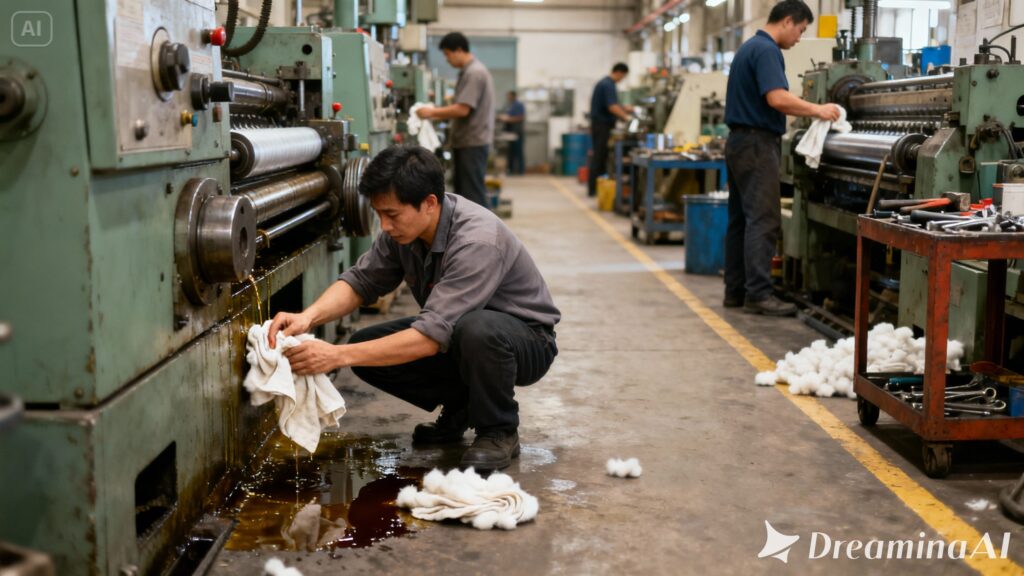
Meta Description Discover how oil absorbent cotton rags are used for heavy machinery cleaning. Learn about GSM, thickness, grease wiping, and spill control for factories and workshops. Introduction Heavy machinery requires constant cleaning because oil, grease, and hydraulic fluid buildup can affect performance and safety. Therefore, factories, workshops, automotive plants, textile mills, and engineering units widely use oil-absorbent cotton rags. Their natural absorbency, thickness, and GSM strength make them suitable for handling tough industrial tasks. In this guide, we explain essential specifications such as GSM, rag thickness, and application types to help you select the correct rag efficiently. Why Oil Absorbent Cotton Rags Are Needed for Heavy Machinery Heavy-duty equipment frequently exposes itself to lubricants and mechanical fluids. Consequently, cleaning becomes more demanding, and users require highly absorbent wiping materials. People prefer cotton rags because they offer excellent absorption. Therefore, cotton rags help ensure that maintenance routines are completed quickly and safely. Understanding GSM for Industrial Cotton Rags GSM (grams per square meter) indicates fabric density. Therefore, higher GSM rags are considered more absorbent and more durable for heavy machinery. (Note: This sentence is already in active voice.) Common GSM Ranges Higher GSM rags are usually selected for workshops where oil leakage is frequent. Rag Thickness: Why It Matters In addition to GSM, thickness plays a major role in determining wiping performance. Thick rags can absorb more oil in a single pass, and they are less likely to tear during tough cleaning tasks. As a result, heavy machinery maintenance becomes more efficient. Types of Thick Cotton Rags Because of their density, thick rags remain a preferred choice in engineering and auto workshops. Oil Spills & Leak Management With Cotton Rags When oil spills on shop floors, you need a quick response to prevent slipping hazards. Therefore, workers often place cotton rags at spill points or wipe residual leaks with them. Advantages for Spill Control In many industries, spill kits are prepared with cotton rags as an essential component. Grease Wiping: How Cotton Rags Perform Better Although microfiber and synthetic wipes exist, cotton rags continue to outperform them in grease wiping. This is because cotton’s natural fibers generate friction, which helps in removing stubborn grease layers from machine parts. Consequently, tasks such as: are completed more efficiently with cotton rags. Best Cotton Rag Types for Heavy Machinery 1. White Hosiery Cotton Rags 2. Colored Woven Cotton Rags 3. Terry Cotton Rags 4. Fleece Cotton Rags Each category is effective for a specific industrial requirement. Packaging Options for Industrial Use To maintain cleanliness and ensure easy distribution, cotton rags are usually packed in: Proper packaging ensures that contamination risks are minimized inside workshops. Conclusion In heavy machinery environments, high-GSM and thick cotton rags are considered essential tools for oil and grease management. Their natural absorbency, durability, and cost-effectiveness make them reliable for daily maintenance tasks. Moreover, their ability to handle oil spills, wipe engines, and clean hydraulic systems ensures that machinery remains in optimal condition. As a result, significant improvements in cleanliness, safety, and operational efficiency can be achieved when the correct type of oil-absorbent cotton rag is selected.

Uncategorized

“The Truth About Cotton Rags in Food Plants: Hygiene, Safety & Compliance”

Meta Description Learn whether cotton rags are safe for food industry cleaning. This expert review explains hygiene requirements, HACCP rules, contamination risks, and approved rag types. Introduction Cleaning materials used in the food industry must meet strict hygiene standards because contamination risks are extremely high. Therefore, people often question the suitability of cotton rags for food-grade environments. To clarify this concern, an expert review has been prepared to help understand the role of cotton rags in food-processing areas. In addition, the review explains relevant HACCP guidelines to support compliance. Why Hygiene Requirements Are Stricter in Food Facilities In food production units, everyone expects cleaning tools to prevent cross contamination. Consequently, people discourage materials that shed lint, trap bacteria, or absorb unwanted residues. Moreover, workers must trace, sanitize, and maintain all cleaning items in hygienic conditions. For this reason, companies control the use of cleaning rags through documented procedures. Can cotton rags serve in the food industry? Cotton rags can serve in certain food industry cleaning applications, but only when specific conditions are met. In most cases, workers restrict these rags to non direct food contact areas. Therefore, they permit their use only when contamination risks are fully mitigated. Acceptable Zones (with controls) Not Recommended For This separation helps maintain hygiene standards effectively. What HACCP Requires From Cleaning Materials HACCP (Hazard Analysis and Critical Control Points) is a system that ensures contamination risks are identified, controlled, and monitored. According to HACCP principles, all cleaning tools including rags must be: Therefore, you must ensure that cotton rags meet these criteria consistently if you use them. Risks Associated With Cotton Rags (and How They Should Be Controlled) 1. Lint Shedding Cotton fibres may shed, which can cause contamination.Control: Use only low lint white cotton rags in low risk zones. 2. Bacterial Growth Contaminated rags can harbour bacteria when reused.Control:You must sanitize, change frequently, and dry the rags completely. 3. Foreign Objects Needles, buttons, zips, or hard objects may be present in recycled cotton material.Control: Metal detectors should detect the rags, workers should hand sort them, and inspectors should quality check them. 4. Moisture Absorption Moist rags can support microbial growth. Control: Only store or use clean and fully dried rags. Applying these controls makes cotton rags safer for certain defined cleaning tasks within food facilities. Which types of cotton rags are considered safer? White Hosiery Cotton Rags Fresh, Uncontaminated Woven Cotton Pieces HACCP Colour Coded Cotton Packs These options offer better compliance with hygiene standards when used responsibly. Packaging Requirements for Food Industry Cotton Rags To maintain hygiene, packaging must also follow strict guidelines. Therefore: As a result, they significantly reduce contamination risks. Are Cotton Rags the Best Choice for Food Facilities? Although cotton rags can be used under restricted conditions, they are not considered the premium choice for high risk food zones. Instead, lint-free microfiber or disposable hygienic wipes are typically recommended. However, cotton rags remain widely used in: Therefore, cotton rags can still play a valuable role when applied strategically and managed under strict hygiene protocols. Conclusion When the correct rag type is selected and strict HACCP guidelines are followed, cotton rags can be used safely in defined food industry areas. Contamination risks must be controlled through proper sorting, sanitization, storage, and colour coding. Although cotton rags are not recommended for direct food contact cleaning, they remain a practical and cost-effective option for general maintenance tasks within food-processing environments. Consequently, factories can achieve both hygiene compliance and operational efficiency by implementing controlled cotton rag usage.

Uncategorized

“How to Package Cotton Rags the Right Way: Cleaner, Safer & Space-Saving Methods”

Meta Description Discover hygienic and space-saving packaging ideas for cotton rags, including compressed bales, standard bales, and poly-bag bundles for factories in Pakistan. Introduction Efficient packaging of cotton rags is considered essential in maintaining hygiene, improving storage efficiency, and supporting smooth distribution. Therefore, factories and suppliers across Pakistan must adopt proper packing methods to preserve quality from production to delivery. Below, several effective packaging solutions are explained, along with their benefits and ideal use cases. Why Packaging Matters in Cotton Rag Distribution Proper packaging is often overlooked, yet it plays a major role in preventing contamination, reducing damage, and enhancing warehouse organization. Moreover, structured packing methods make handling easier, improve transportation safety, and extend the shelf life of rags. Consequently, overall operational efficiency becomes stronger. 1. Standard Bale Packing (Traditional & Cost-Effective) Standard bale packing is widely used in Pakistan because it is economical and easy to handle. In this method, workers compact cotton rags moderately and tie them securely with straps. Advantages Best For General-purpose rags, mixed-grade rags, or rags supplied to workshops and factories. 2. Compressed Bale Packing (High Density, Space-Saving) Facilities with limited storage consider compressed bale packing the most efficient method. In this process, workers use heavy-duty balers to compress rags to their maximum density. Advantages Best For Bulk shipments, export consignments, wholesalers, and long-term storage. 3. Poly-Bag Bundles (Hygienic & Retail-Friendly) People often prefer poly-bag bundles when they prioritize hygiene. Here, workers fold, count, and seal cotton rags in transparent or semi-transparent poly bags. Advantages Best For Hosiery rags, white rags, lint-free polishing rags, and rags supplied to sensitive environments (printing shops, paint shops, labs, automotive detailing). 4. Shrink-Wrapped Packages (Extra Protection) People use shrink-wrapping when they need additional protection during storage or transport. They pack rags inside bundles or bales and then cover them with heat-sealed shrink film. Advantages Best For High-value rag grades or long-distance shipments. 5. Labelled Grade-Based Packaging (Organized & Traceable) Grade-based labelling is extremely helpful during inventory management. Through clear labelling, buyers can easily identify the rag type without opening the packaging. Advantages Best For Factories with multiple rag grades or suppliers managing large stocks. 6. Moisture-Controlled Packaging (For Humid Areas) In humid environments such as Karachi, you may need to control additional moisture. Use silica gel packs or ventilated bale covers to achieve this. Advantages Best For Long-term storage, rainy-season shipments, coastal cities. Conclusion By adopting proper packaging methods — including standard bales, compressed bales, poly-bag bundles, and shrink-wrapped options — we can achieve significant improvements in storage hygiene and warehouse efficiency. This approach also reduces contamination risks and makes handling smoother throughout the supply chain. As a result, we can deliver cotton rags to buyers in cleaner, safer, and more professional conditions, ensuring that the product value remains intact from the factory to the end user.

Uncategorized

“The Cotton Rag Conversion Formula: How Cutting Scrap Gains New Life”

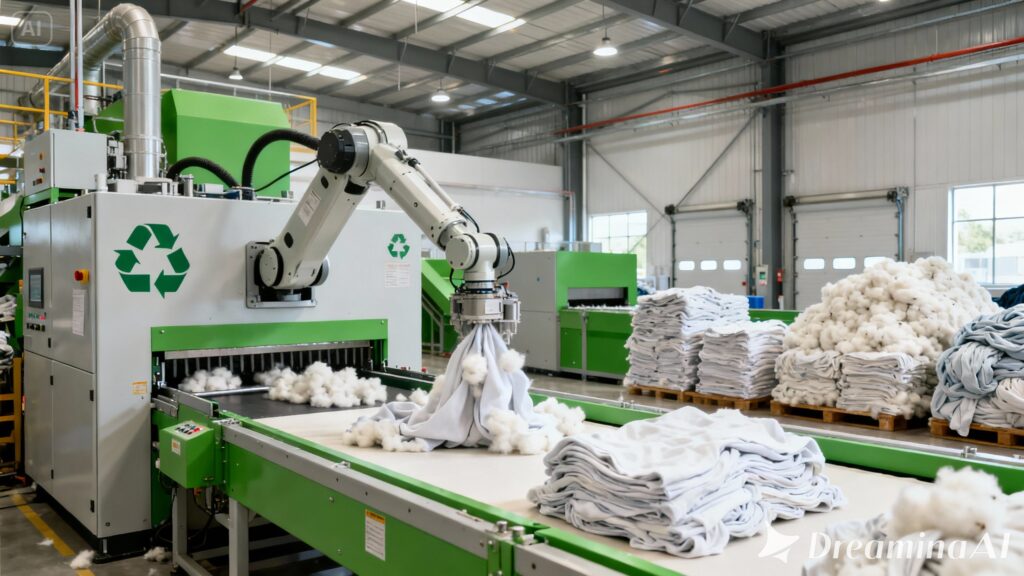
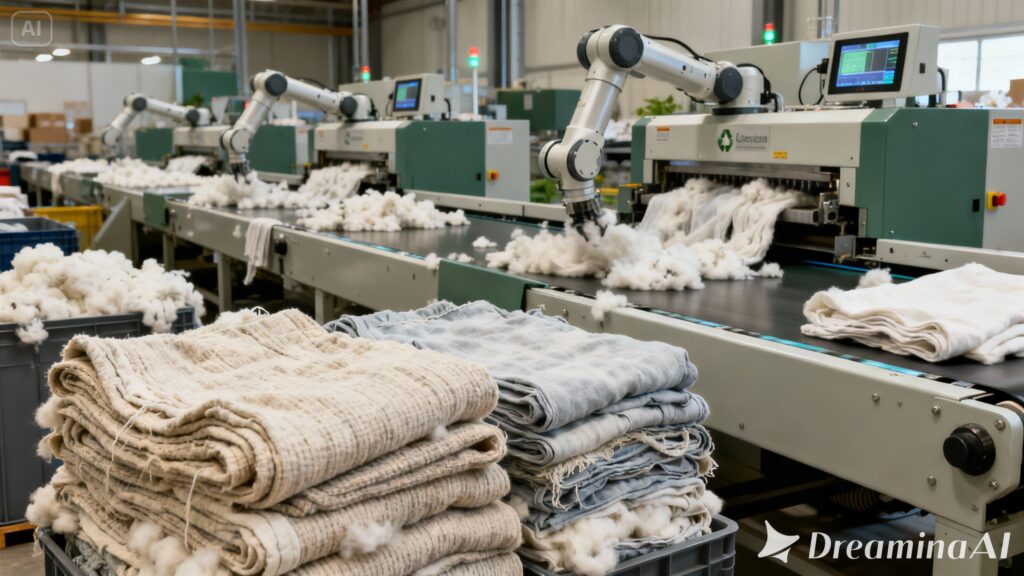
META DESCRIPTION Cutting-room waste can be converted into saleable cotton rags. This step-by-step guide explains collection, sorting, cleaning, processing and quality control for factories. Introduction Waste generation in cutting departments is one of the largest sources of textile loss in garment factories. However, you can reclaim substantial value when you convert fabric offcuts into cotton rags. Consequently, you reduce disposal costs and create new revenue or internal savings. Below, we provide a clear step-by-step process to guide cutting departments from scrap to rags with minimal disruption. You should consider conversion because it offers several benefits. Firstly, you can achieve reductions in landfill volume and disposal costs by converting textile waste. Moreover, you can supply internal cleaning materials from the converted fabric, which leads to ongoing cost savings. Finally, you can improve environmental credentials because you discard less waste and encourage circular practices. Overview of the process (at a glance) They explain each step in detail below. Step-by-step conversion process Step 1 — Scrap collection (be systematic) Collect scraps at the source in clearly labelled bins. Therefore, place separate bins beside cutting tables and sewing lines to start material segregation immediately. Additionally, provide training to operators to ensure they do not mix contaminated or non-textile items (such as paper patterns, needles, broken clips) with fabric waste. Step 2 — Primary sorting (by fabric and contamination) Once collected, transfer scraps to a central sorting area. There, perform manual sorting to separate the materials. Create material streams for different rag grades (white/hosiery, coloured, mixed, heavy woven). Step 3 — Cleaning & contaminant removal After sorting, remove contaminants such as metal bits, labels, elastics, and buttons. Shake out or vacuum small dust and loose particles. If needed, perform light industrial washing to reduce stains and oils. Ensure drying and odour control to prevent mildew. Step 4 — Size reduction / preparation for rag use Depending on the desired rag product, scrap pieces should be either: Choose the production method based on buyer needs or internal use, such as polishing, heavy wiping, or lint-sensitive tasks. Step 5 — Bundling, pressing & baling After size preparation, bundle and press the pieces. Use mechanical balers or manual compression systems to maximize bale density for storage and transport. Subsequently, tie and shrink-wrap the bales where possible to protect the material from moisture and contamination. Step 6 — Labelling & grade declaration Label each bale with essential information, such as grade (white, coloured, hosiery, fleece, or mixed), approximate weight, and any notable contamination or special handling instructions. Include a short quality note (e.g., “Lint-free, suitable for optical polishing”) when relevant. This way, buyers and internal users can quickly select the correct material. Step 7 — Quality control checks Perform random sampling on each bale to verify key quality metrics such as fabric composition, residual contamination, and absorbency. If internal use is intended, carry out small-scale field tests (wipe tests on typical surfaces) to confirm suitability. This approach will minimize returns and waste of produced rags. Step 8 — Storage, inventory & distribution Store bales in a dry, ventilated area and arrange them by grade. Record inventory digitally or in logbooks to keep stock levels visible. This allows you to manage internal distribution schedules or external sales invoices accurately and without error. Step 9 — Sales or internal usage strategy If there are surplus rags, approach local buyers such as cleaning companies, workshops, or rag wholesalers. Alternatively, reserve rags for in-plant use in maintenance, paint shops, and finishing areas. Set prices based on local market rates or internal cost savings calculations. Equipment & safety considerations We will realize the benefits. Common pitfalls and how they should be avoided Complete the simple cost-benefit checklist before starting. When we complete the checklist, we can make an informed decision about the investment. Final notes & quick action plan (30-day rollout) By following the above plan, initial results and savings will be demonstrated quickly. Conclusion By converting cutting-room scrap into high-quality cotton rags, we can significantly reduce waste and achieve continuous cost savings. Moreover, we can lower environmental impact by reducing landfill dependence and promoting material circularity. When we follow proper collection, sorting, cleaning, and baling procedures, we can maintain consistent rag quality and reliably supply both internal departments and external buyers. Ultimately, adopting this step-by-step conversion system transforms cutting departments from waste-generating units into value-creating operations, supporting long-term sustainability goals across the entire factory.

Scroll to Top