Advantages of Using Cotton Mop Bars in Commercial and Industrial Cleaning
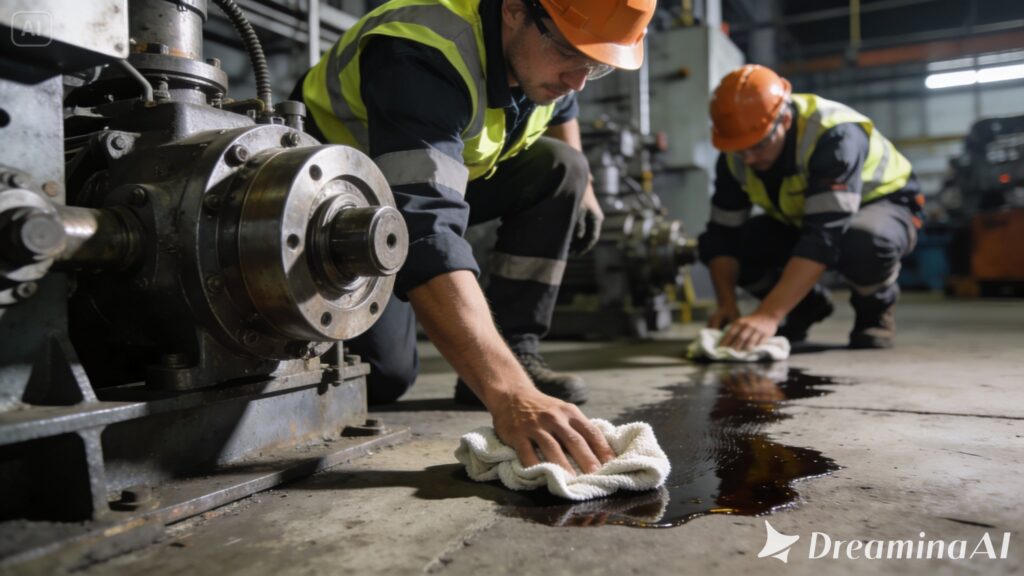
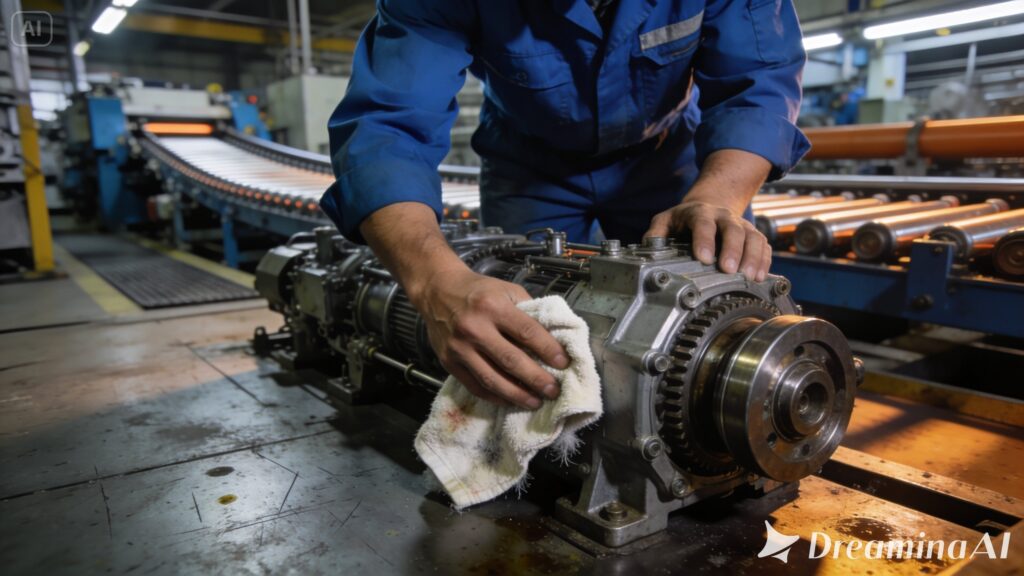
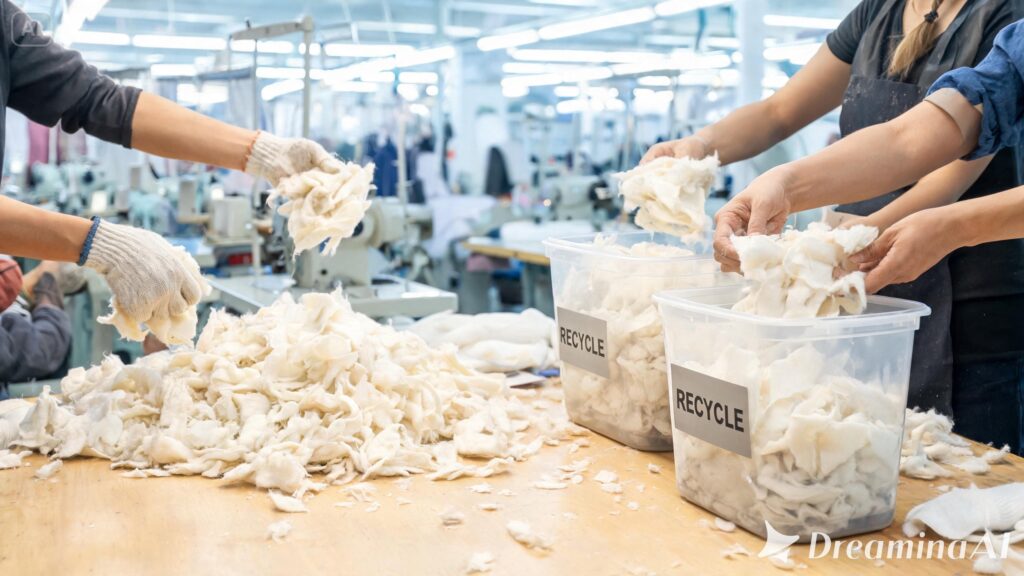
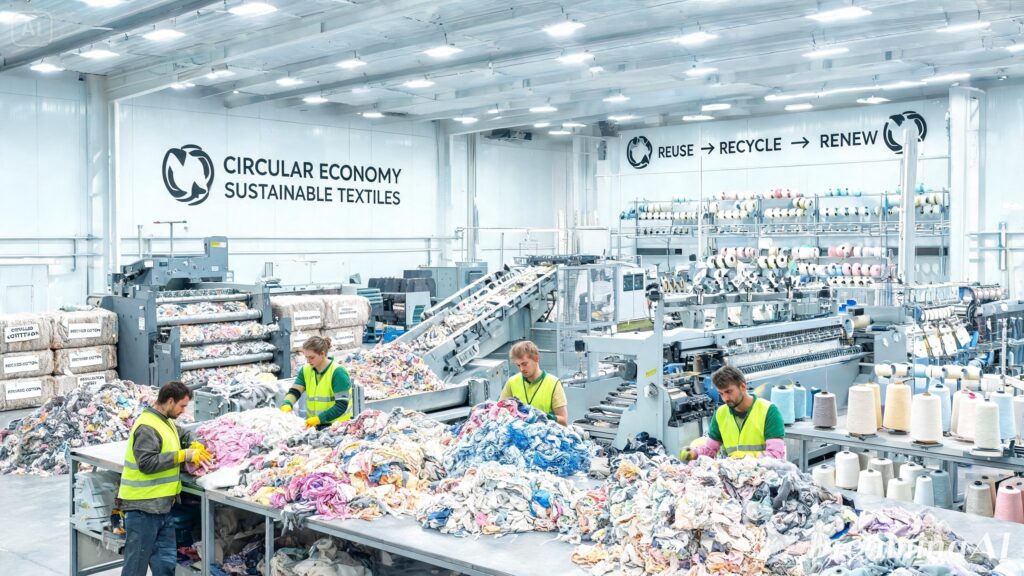
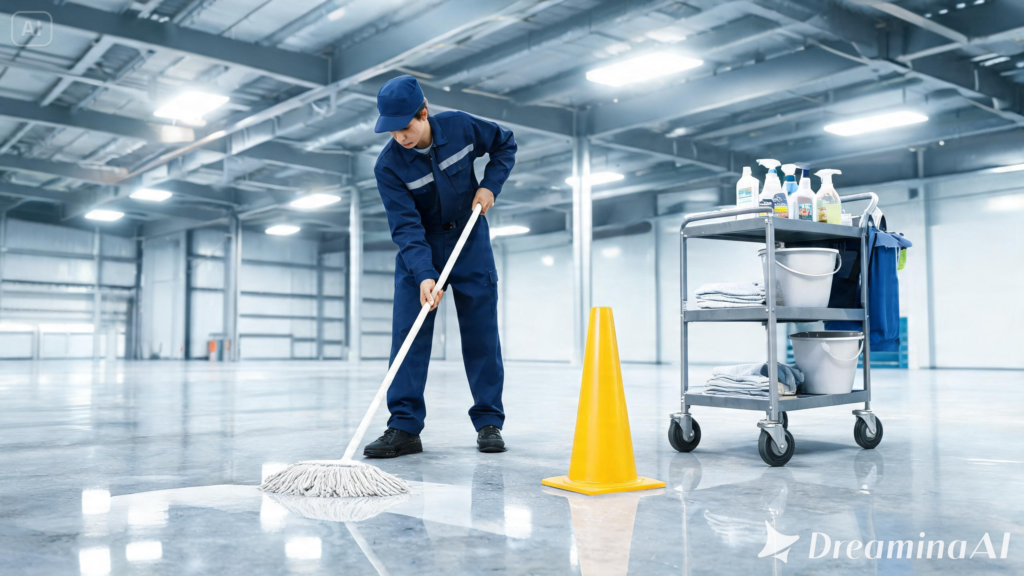
Meta Description Discover the advantages of using cotton mop bars for commercial and industrial cleaning. Learn how they improve floor hygiene, reduce cleaning costs, and support sustainable maintenance. Introduction Maintaining clean floors is essential for creating safe, hygienic, and productive environments. Whether in factories, hospitals, schools, shopping malls, or commercial buildings, effective floor cleaning helps reduce dust, remove spills, and prevent accidents. Therefore, businesses need reliable cleaning tools that deliver consistent results. Among the many floor-cleaning products available, cotton mop bars remain one of the most trusted choices. Because they offer excellent absorbency, durability, and cost efficiency, cotton mop bars help cleaning staff complete tasks faster while maintaining high hygiene standards. What Is a Cotton Mop Bar? A cotton mop bar is a floor-cleaning tool made from highly absorbent cotton fibers attached to a durable mop frame or holder. It is designed to clean large floor areas efficiently by absorbing water, dirt, dust, and liquid spills. Cotton mop bars are commonly used in: Therefore, they serve as an essential cleaning tool across many industries. Why Cotton Mop Bars Are Popular Businesses prefer cotton mop bars because they provide reliable cleaning performance without increasing operating costs. Furthermore, cotton fibers naturally absorb moisture and capture dirt effectively. As a result, cleaning teams can finish floor maintenance more quickly while using less water and fewer cleaning chemicals. Key Advantages of Using Cotton Mop Bars 1. Excellent Water Absorption One of the biggest advantages of cotton mop bars is their high absorbency. Cotton fibers quickly soak up: Consequently, floors dry faster, and cleaning becomes more efficient. 2. Removes Dirt and Dust Effectively Cotton fibers trap fine dust particles instead of simply pushing them across the floor. Therefore, cotton mop bars provide deeper cleaning on: As a result, facilities maintain cleaner and healthier environments. 3. Durable for Daily Use Commercial cleaning requires equipment that can withstand frequent use. Because cotton mop bars are durable, they resist wear during daily cleaning routines. Furthermore, they maintain their cleaning performance even after repeated washing. Consequently, businesses reduce replacement costs. 4. Reusable and Cost-Effective Unlike disposable floor wipes, cotton mop bars can be washed and reused many times. Therefore, organizations benefit by: As a result, cotton mop bars offer excellent value for money. 5. Suitable for Large Cleaning Areas Large facilities require cleaning tools that cover wide floor spaces efficiently. Cotton mop bars help clean: Consequently, cleaning staff complete tasks in less time while maintaining consistent results. 6. Supports Workplace Safety Wet or dirty floors increase the risk of slips and falls. Because cotton mop bars absorb liquids quickly, they help remove spills before accidents occur. Moreover, regular floor cleaning reduces dust accumulation and improves workplace hygiene. Therefore, businesses create safer environments for employees and visitors. 7. Compatible with Various Cleaning Solutions Cotton mop bars work well with: As a result, they adapt easily to different commercial and industrial cleaning requirements. 8. Environmentally Friendly Cleaning Option Many cotton mop bars are manufactured from natural or recycled cotton fibers. Therefore, businesses reduce their dependence on disposable cleaning products. Furthermore, reusable cotton mops generate less waste and support sustainable cleaning practices. Consequently, organizations improve both environmental performance and operational efficiency. Industries That Use Cotton Mop Bars Cotton mop bars are widely used in: Because these industries require regular floor maintenance, cotton mop bars remain an essential part of their cleaning operations. Tips for Maintaining Cotton Mop Bars To maximize performance and lifespan: Consequently, proper maintenance improves hygiene and extends product durability. Why Businesses Continue to Choose Cotton Mop Bars Businesses continue to rely on cotton mop bars because they combine performance, durability, and affordability. Furthermore, they simplify daily cleaning while reducing long-term operating costs. In addition, their reusable design supports sustainable cleaning practices and minimizes environmental impact. Therefore, cotton mop bars remain one of the most practical floor-cleaning solutions for commercial and industrial environments. Conclusion Cotton mop bars offer an ideal combination of absorbency, durability, reusability, and cost efficiency. They help businesses maintain cleaner floors, improve workplace safety, and reduce overall cleaning expenses. Whether used in factories, hospitals, warehouses, schools, or commercial buildings, cotton mop bars continue to deliver dependable cleaning performance. Ultimately, they remain a smart investment for organizations seeking efficient, sustainable, and economical floor-cleaning solutions.