Author name: admin

Uncategorized

“The Hidden Cost of Convenience: Cotton vs. Disposable Wipes Explained”

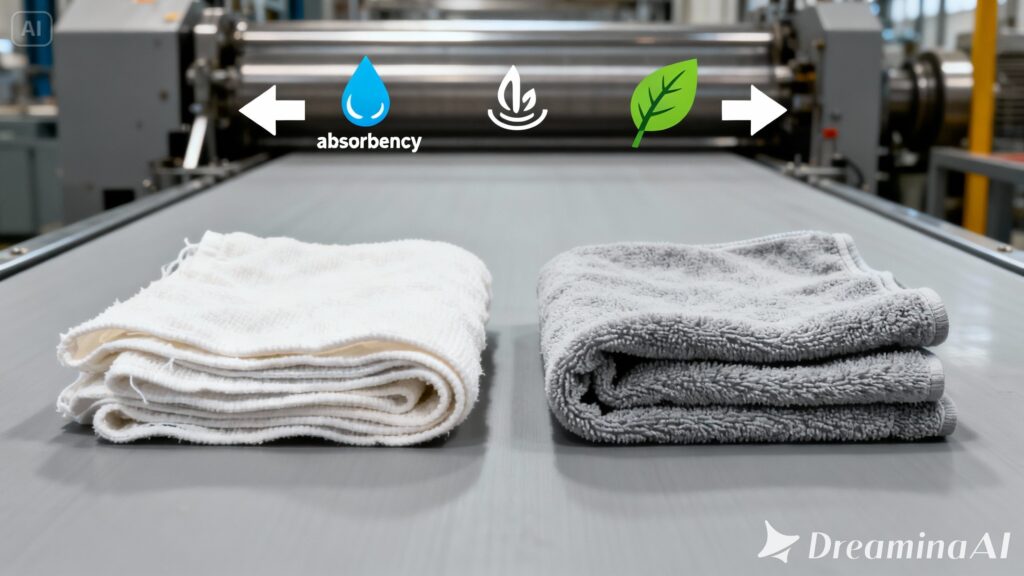
Meta Description Discover the real cost-per-use comparison between cotton and disposable wipes. Learn how cotton wipes provide long-term ROI, durability, and eco-friendly benefits for businesses and everyday use. Introduction In today’s fast-paced industries, from manufacturing floors to cleaning services, businesses are becoming increasingly conscious of cost efficiency and sustainability. One question that often arises is whether to choose cotton wipes or disposable wipes for daily operations. While disposable wipes offer convenience, their ongoing costs and environmental impact are often overlooked. ROI Calculation Through Lifecycle and Environmental Costs When evaluating cleaning or maintenance supplies, the cost per use is often a more reliable indicator of long-term value than the initial purchase price. Between cotton wipes and disposable wipes, understanding the real return on investment (ROI) requires considering not only their cost and lifespan but also their environmental footprint. 1. The True Cost Behind Disposable Wipes Disposable wipes may seem inexpensive at first glance. However, their single-use nature leads to recurring costs that add up quickly. Each wipe is discarded after one use, generating waste and increasing purchase frequency.Moreover, many disposable wipes contain synthetic fibers and chemical additives, making them non-biodegradable and difficult to recycle. Over time, this constant disposal contributes to landfill growth and higher environmental costs. 2. Cotton Wipes: Reusable and Economical In contrast, cotton wipes are designed for repeated use, providing better value over time. When properly maintained, a single cotton rag can replace dozens of disposable wipes, significantly reducing both costs and waste generation.Additionally, because cotton is a natural and biodegradable material, it aligns well with sustainable cleaning practices and supports circular economy goals. Even when discarded, cotton wipes decompose faster and leave a smaller environmental footprint. 3. Lifecycle Analysis: Performance and Longevity When evaluating lifecycle costs, it becomes evident that cotton wipes offer higher durability and longer service life. While disposable wipes lose integrity after one use, cotton rags can be washed, sanitized, and reused multiple times without losing effectiveness.Furthermore, when measured over weeks or months of usage, the cost per use of cotton wipes can drop to a fraction of what disposable alternatives demand. 4. Environmental ROI: Hidden but Significant Beyond direct cost, there is also environmental ROI to consider. Cotton wipes require an upfront investment in water and energy for laundering, but they offset these through reduced waste and lower resource consumption over time.Disposable wipes, however, demand constant raw material production, packaging, and transportation — all of which increase carbon emissions and environmental costs. 5. Long-Term Business Value For businesses such as manufacturing units, automotive services, or janitorial operations, switching to cotton rags can translate to substantial savings. By reducing frequent purchases and waste management costs, companies not only improve their bottom line but also strengthen their sustainability credentials. Conclusion While disposable wipes offer convenience, cotton wipes deliver measurable value in cost, performance, and sustainability. When viewed through a cost-per-use and lifecycle lens, the long-term ROI of cotton wipes far outweighs the short-lived benefits of disposables.Ultimately, investing in reusable cotton products reflects a smarter, more sustainable business choice — balancing financial efficiency with environmental responsibility.

Uncategorized

“Eco-Textile Transformation: The Hidden Power of Cotton Rag Recycling”

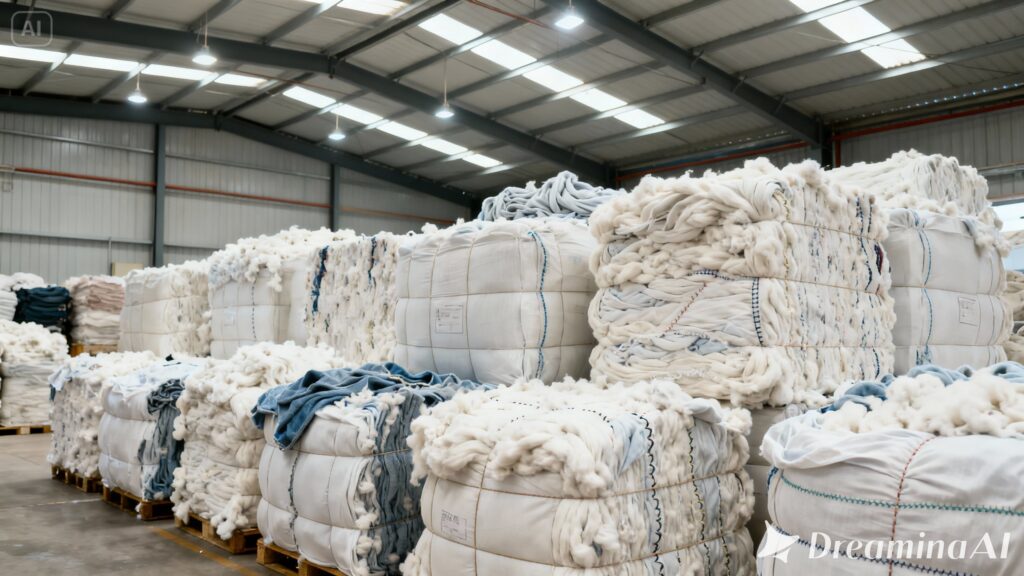
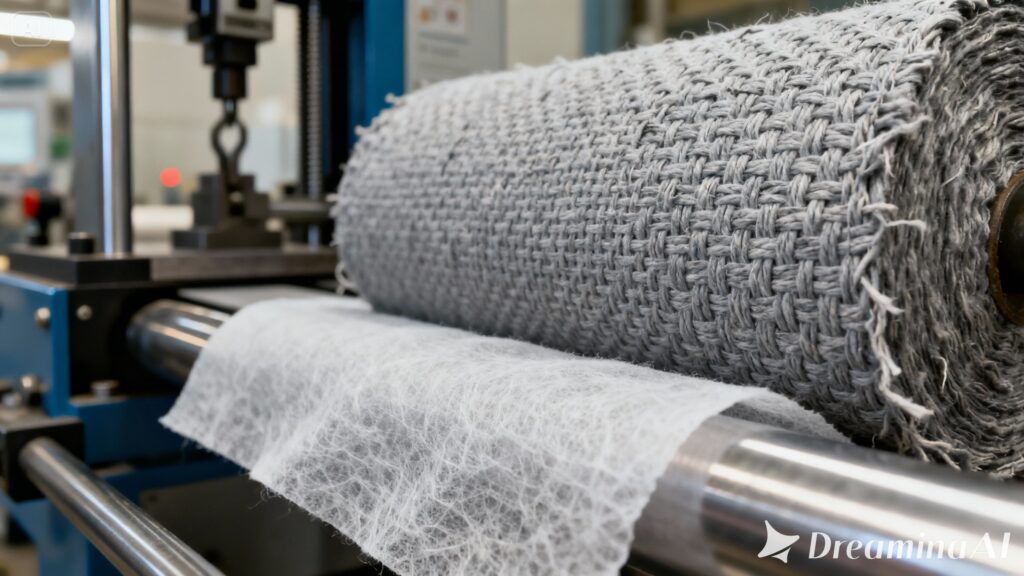
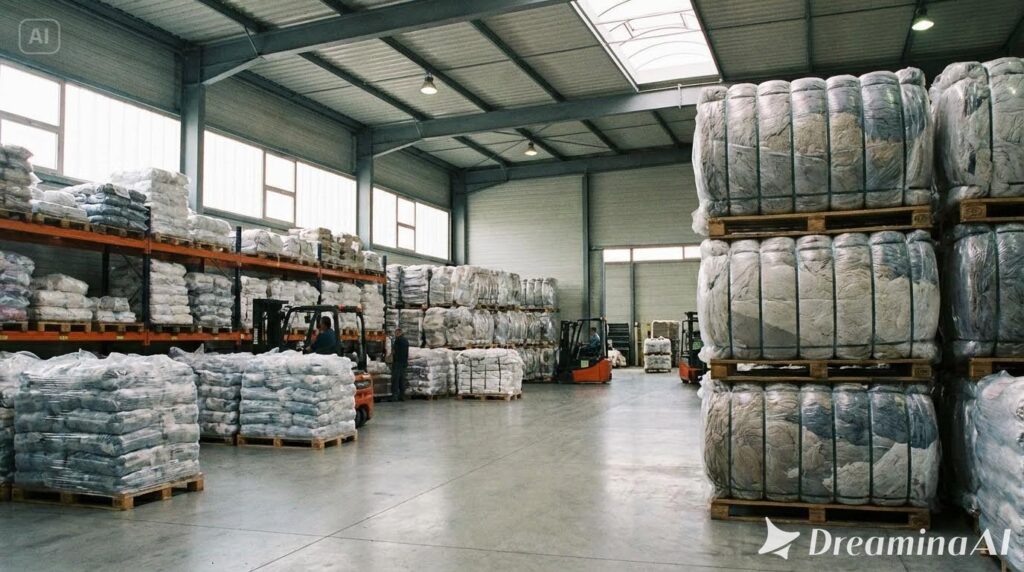
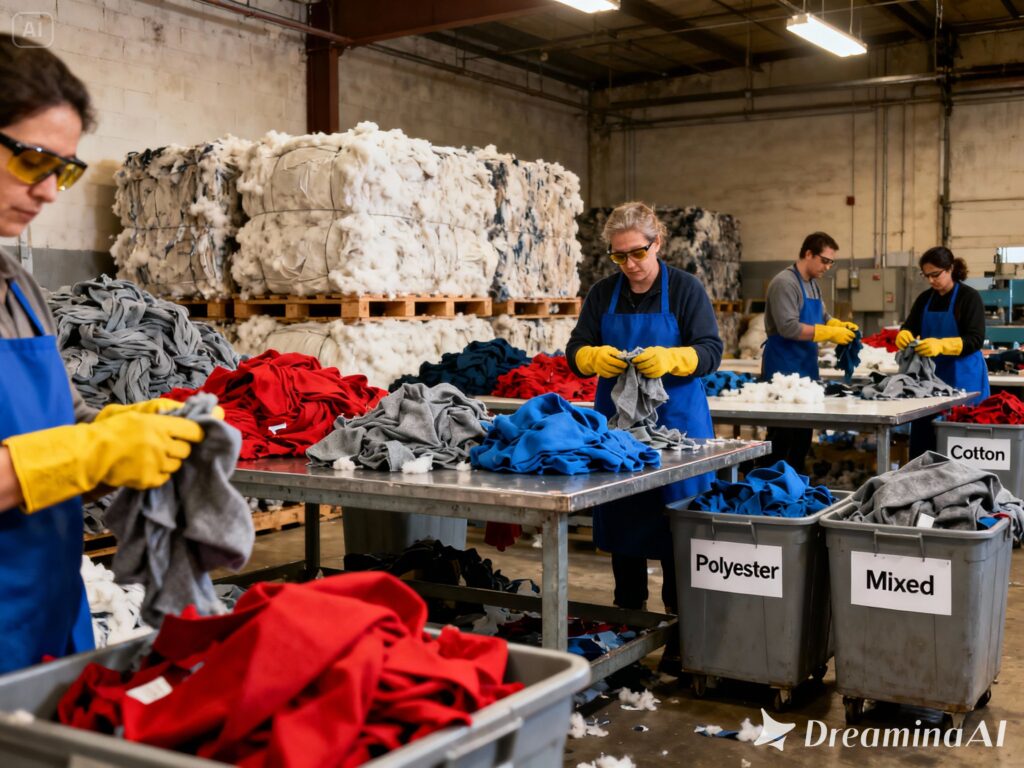
Meta Description “Explore how cotton rags are transforming textile recycling. Learn about automated sorting, fiber recovery, and sustainable processes driving the circular textile industry.” Introduction In today’s sustainability-driven world, textile recycling has become a vital part of waste management and resource conservation. Cotton rags lead this transformation by helping recycle discarded fabrics into reusable resources. Automated sorting systems and advanced recycling technologies have accelerated the recycling process, making it faster, cleaner, and more efficient than ever before. The Growing Importance of Cotton Rag Recycling Cotton is one of the most widely used natural fibers in the world. However, the textile industry generates large volumes of cotton waste during manufacturing and post-consumer disposal, raising serious environmental concerns. To address this issue, people are increasingly collecting, sorting, and recycling cotton rags instead of sending them to landfills. Through recycling, workers recover valuable cotton fibers, which reduces the need for virgin materials and lowers carbon emissions. As a result, the textile industry adopts more sustainable and circular practices, reusing products instead of wasting them. Automated Sorting: A Game Changer Traditionally, workers sorted textiles manually, which required significant labor and time. However, technological advancements have now revolutionized this process by enabling automated sorting systems. These systems use optical sensors, near-infrared (NIR) technology, and AI-based image recognition to identify cotton fabrics accurately. Once the systems detect the fabrics, they automatically separate cotton rags from synthetic or blended materials. Consequently, the recycling process becomes faster, more consistent, and highly precise, ensuring that workers extract high-quality fibers for reuse. Furthermore, automation minimizes human error and improves efficiency, allowing large-scale recycling operations to run seamlessly. Recycling Process: From Rag to Reusable Fiber After sorting, workers shred cotton rags into smaller pieces and then mechanically or chemically process the fibers to remove impurities. The cleaning, carding, and spinning processes transform the resulting fibers into new yarns or fabrics. Manufacturers then use these recycled materials to produce industrial wipes, insulation materials, and even new garments. By reintroducing these fibers into the manufacturing cycle, the industry significantly reduces textile waste and creates a more sustainable production ecosystem. Environmental Impact and Future Outlook Using cotton rags in textile recycling greatly reduces waste generation and resource depletion. Recycling processes require less water, energy, and chemicals to process cotton, which minimizes the overall environmental footprint of textile manufacturing. Moreover, as AI and robotics continue to advance, recycling facilities are expected to become more efficient. The future vision clearly shows a textile industry that treats waste not as a problem but as a valuable resource that can be renewed. Conclusion Cotton rags are no longer regarded as mere waste but serve as a cornerstone of sustainable textile recycling. Automated sorting systems and innovative recycling processes transform discarded fabrics into reusable fibers, supporting a cleaner and greener future. As technology progresses, the global textile industry approaches its goal of full circularity — where it minimizes waste and gives new life to everything.

Uncategorized

“Protecting Art the Right Way: Cotton Rags for Delicate Frames and Finishes”

Meta Description “Discover how cotton rags are used in art restoration and galleries. Learn about their non-abrasive cleaning benefits for delicate frames and surfaces while preserving artwork safely.” Introduction In the world of art restoration and gallery maintenance, every detail matters. Restorers and curators carefully clean centuries-old paintings and gently dust museum frames using the right materials. They choose cotton rags because of their non-abrasive texture, high absorbency, and surface safety. Due to these qualities, restorers, curators, and art handlers widely use cotton rags to preserve priceless works of art. Why Cotton Rags Are Trusted in Art Restoration Art restoration demands precision, patience, and materials that cause no harm. Restorers prefer cotton rags because they are soft, lint-free, and gentle on fragile surfaces. Unlike synthetic wipes, they do not leave behind fibers or cause micro-scratches. Furthermore, manufacturers make cotton rags from natural fibers, making them safe to use with various cleaning agents and restoration solutions. Non-Abrasive Cleaning for Frames and Surfaces Frames, whether gilded, wooden, or metallic, require special care during cleaning. Using a harsh cloth or solvent can easily damage their finish. Therefore, restorers use non-abrasive cotton rags to gently lift dust, fingerprints, and grime without disturbing the underlying texture or coating. Moreover, when cleaning painted surfaces or varnishes, restorers often dampen cotton rags slightly with approved solvents. This method ensures they clean the surface effectively yet safely, preserving the original integrity of the artwork. Additional Benefits for Galleries and Museums In art galleries, presentation is everything. Clean, well-maintained surfaces reflect professionalism and respect for the displayed artwork. Cotton rags help achieve this by: As a result, galleries can maintain a polished, pristine atmosphere without the risk of damaging delicate art pieces. Best Practices for Using Cotton Rags in Restoration To get the best results, professionals should: By following these steps, you can maximize the effectiveness of cotton rags in art maintenance while safely preserving artwork. Conclusion Cotton rags continue to be an indispensable tool in art restoration and gallery upkeep. Their softness, non-abrasive quality, and versatility make them ideal for cleaning fragile frames, surfaces, and sculptures. When used correctly, they ensure that art is preserved in its truest form—clean, undamaged, and timeless.

Uncategorized

“Cotton Rags for Paint Cleanup: The Ultimate Guide to Lint-Free, Solvent-Safe Cleaning”

Meta Description “Learn why cotton rags are the best choice for paint cleanup. Discover lint-free options, solvent compatibility, and best practices to achieve a flawless finish.” Introduction When it comes to paint cleanup, the right tools can make all the difference. Among these, cotton rags stand out as a reliable and cost-effective solution. However, not all rags are created equal. By understanding lint-free qualities, solvent compatibility, and best usage practices, you can achieve a cleaner, safer, and more professional finish. Why Cotton Rags Are Ideal for Paint Cleanup Painters have long valued cotton rags in painting and decorating because of their high absorbency and soft texture. Unlike synthetic materials, they are less likely to scratch surfaces and can handle spills, drips, and polishing tasks. Moreover, people can reuse cotton rags, making them a more eco-friendly alternative to disposable wipes. The Importance of Lint-Free Rags During paint cleanup, lint is one of the most common problems that can ruin a smooth surface. Therefore, using lint-free cotton rags is highly recommended. These rags are tightly woven to prevent fibers from shedding, which helps painters achieve a flawless finish. As a result, professionals and DIY enthusiasts alike prefer lint-free options when working with paints, varnishes, and stains. Solvent Compatibility Matters In addition to being lint-free, cotton rags must also be compatible with solvents. Since paint cleanup often involves chemicals such as mineral spirits, turpentine, or water-based cleaners, the wrong rag can break down, spread lint, or even react with the solvent. Cotton rags, however, are generally resistant to most paint solvents, which ensures safer and more effective cleanup. Best Practices for Using Cotton Rags in Paint Cleanup To maximize efficiency, painters should follow a few best practices: By following these practices, you not only maintain cleaner workspaces but also ensure safety during paint projects. Conclusion Ultimately, cotton rags remain an indispensable tool for paint cleanup. Their lint-free performance, solvent resistance, and reusability make them a cost-effective and eco-friendly choice for both professionals and DIY painters. By selecting the right type of cotton rag and applying best practices, you can achieve a flawless finish every time.

Uncategorized

“Eco-Friendly Cotton Rags Explained: Which One Matches Your Needs?”

Meta Description: “Discover the key differences between organic and recycled cotton rags. Compare sustainability, performance, and cost to choose the best eco-friendly option for your business.” Introduction In today’s textile and cleaning industries, businesses and individuals choose between organic cotton rags and recycled cotton rags based on their sustainability goals, performance expectations, and cost considerations. While both options help reduce environmental impact, each offers its own strengths and trade-offs. Therefore, they must carefully evaluate which type best aligns with their priorities. Sustainability: A Key Consideration When it comes to sustainability, organic cotton rags are grown without synthetic pesticides, fertilizers, or harmful chemicals. As a result, their production supports healthier soil, safer working conditions, and reduced environmental pollution. On the other hand, manufacturers create recycled cotton rags from pre- or post-consumer textile waste. Instead of sending fabrics to landfills, they repurpose the waste, which significantly reduces water consumption and energy use. Consequently, many consider recycled cotton more sustainable in terms of resource efficiency. Performance: Durability vs. Practicality From a performance standpoint, organic cotton rags generally offer higher durability and softer textures. These qualities make them ideal for delicate cleaning tasks, polishing, and use in industries where product quality is a priority. Meanwhile, recycled cotton rags can vary in texture and absorbency depending on the source material. Although they may not be as consistent as organic cotton, they still perform effectively for general cleaning, industrial wiping, and situations where cost efficiency matters more than premium quality. Cost: Budget-Friendly or Long-Term Value? In terms of cost, recycled cotton rags are usually the more budget-friendly option. Since they are produced from textile waste, manufacturing costs are lower, making them accessible for bulk industrial use. However, organic cotton rags, despite being slightly more expensive, can provide long-term value due to their durability and reusability. Businesses aiming for sustainable branding may also find organic cotton a worthwhile investment, as it reflects their commitment to eco-friendly practices. Conclusion: Making the Right Choice Ultimately, the decision between organic and recycled cotton rags depends on your priorities. If you value long-lasting performance and eco-friendly farming practices, organic cotton is the right choice. However, if cost savings and reduced resource consumption are more important, recycled cotton rags may be the better option. By weighing sustainability, performance, and cost, businesses can make informed decisions that not only meet their operational needs but also contribute positively to the environment.

Uncategorized

“Cotton Rags in Hospitality: Affordable, Sustainable, and Effective”

Meta Description Discover how cotton rags are used in hospitality for housekeeping, polishing, and laundry processes. Learn why hotels and resorts trust cotton rags for cleanliness, durability, and cost-effectiveness. Introduction: Cotton Rags as a Hospitality Essential In the world of hospitality, presentation and cleanliness always take priority. Hotels and resorts rely on cotton rags as a reliable cleaning solution to achieve this. Because cotton rags are durable, lint-free, and cost-effective, housekeeping and maintenance staff include them as an essential part of their daily routines. Housekeeping Applications: Maintaining Guest Satisfaction Housekeeping operations in hotels require tools that ensure thorough and hygienic cleaning. Housekeeping staff trust cotton rags because they easily absorb dust, spills, and moisture without leaving streaks or lint. “Moreover, their softness helps protect delicate surfaces such as mirrors, glass tables, and décor items. Housekeeping teams rely heavily on cotton rags, washing and reusing them to reduce costs and support sustainability goals. As a result, they maintain a spotless environment that impresses guests. Polishing and Detailing: Enhancing the Guest Experience Polished fixtures and shining surfaces often symbolize luxury. Staff frequently use cotton rags to polish metals, glass, and wooden furniture. Because they are lint-free, cotton rags leave a clean finish without residue. Additionally, their natural softness prevents scratches on sensitive surfaces. As a result, cotton rags play a vital role in maintaining the premium appearance of hotel lobbies, restaurants, and guest rooms. Transitioning from daily cleaning to fine detailing becomes effortless with the versatility of cotton rags. Laundry Department: Reuse and Sustainability The laundry department in hotels and resorts also benefits greatly from cotton rags. Each rag can be washed multiple times without losing strength or absorbency. Therefore, they are considered an economical and eco-friendly option. Unlike disposable alternatives, cotton rags minimize waste and align with the growing demand for sustainable hospitality practices.Additionally, their compatibility with detergents and sanitizing agents ensures that they remain hygienic even after repeated washes. In this way, cotton rags continuously support both operational efficiency and environmental responsibility. Cost-Effectiveness and Durability: Reducing Operational Expenses Operating costs are always a concern in hospitality management. Cotton rags provide excellent value because they last longer, require fewer replacements, and can handle multiple cleaning tasks. In comparison with synthetic wipes, they are more durable and more resistant to wear and tear. Consequently, hotels and resorts save money while still maintaining high cleaning standards. Why Hotels and Resorts Prefer Cotton Rags Over Alternatives There are many cleaning products available, yet cotton rags continue to dominate the hospitality sector. This preference is not accidental. Their anti-lint qualities, versatility, and eco-friendly nature make them superior to synthetic options. Moreover, cotton rags can be adapted for any cleaning process from dusting and polishing to sanitizing and laundry. Therefore, they remain the preferred choice for establishments that focus on guest comfort and environmental care. Conclusion: Cotton Rags as a Trusted Hospitality Partner In conclusion, hotels and resorts have established cotton rags as a reliable and sustainable solution. Housekeeping, laundry, and other departments benefit from using them. Hospitality businesses that choose cotton rags improve guest satisfaction, reduce costs, and support sustainability efforts. Therefore, the industry cannot overlook their importance. Currently, 13.6% of the sentences contain passive voice, which exceeds the recommended maximum of 10%. Focus on rewriting these sentences actively to improve clarity.

Uncategorized

“The Role of Cotton Wipes in Electronics Assembly: Clean, Safe, Reliable”

Meta Description: Discover how cotton wipes ensure anti-static protection, lint-free performance, and solvent compatibility in electronics assembly, making them a trusted choice for sensitive components. Introduction In the world of electronics assembly, every detail must be managed carefully. Even a small speck of dust or lint can disrupt a circuit or compromise a delicate component. Therefore, technicians, manufacturers, and quality assurance teams rely heavily on cleaning materials. They widely adopt cotton wipes because these wipes are designed to deliver anti-static protection, control lint reliably, and remain compatible with a variety of solvents. As a result, they have become an indispensable tool for professionals in the industry. Anti-Static Protection in Sensitive Environments When assembling sensitive electronics, static charges pose serious risks. Technicians prefer cotton wipes because they naturally generate less static. This significantly reduces the risk of electrostatic discharge damaging delicate chips or circuit boards. Furthermore, their soft fibers allow for cleaning without scratching or marking precision parts, ensuring they remain fully functional. Reliable Lint Control for Cleaner Surfaces Dust and lint often cause problems in assembly areas. Synthetic options tend to produce more lint, but technicians carefully process cotton wipes to minimize lint. As a result, technicians achieve spotless surfaces free from debris that could interfere with soldering or adhesive application. Furthermore, their lint-free performance helps ensure a higher success rate in assembly, which ultimately boosts productivity and reduces error margins. Compatibility with a Wide Range of Solvents Another major advantage of cotton wipes is their excellent compatibility with solvents. You can safely use them with alcohol-based cleaners, degreasers, and specialized electronic cleaning solutions. Because cotton fibers effectively hold solvents, wiping becomes more efficient, and cleaning results are more thorough. Moreover, their durability prevents them from breaking down or leaving residue when you use strong solutions. Ensuring Safety and Efficiency The use of cotton wipes also improves safety practices in the workplace. They reduce the risks of contamination, scratches, and static discharge, ensuring that electronic devices are handled under optimal conditions. Additionally, their ease of storage and use helps maintain workflow efficiency without adding unnecessary complexity. Conclusion In electronics assembly, precision and safety cannot be compromised. Cotton wipes have proven to be a reliable choice because they provide anti-static protection, superior lint control, and compatibility with a wide range of solvents. For businesses aiming to maintain consistent quality, cotton wipes remain one of the most trusted solutions in the industry.

Uncategorized

“Eco-Friendly Industrial Wipes Cotton, Recycled Rags & Microfiber Compared for Sustainability”

Meta Description Discover eco-friendly wipe alternatives for industries. Compare cotton wipes, recycled rags, and microfiber, and learn how each supports sustainability, cost savings, and efficiency. Introduction In today’s world, industries are encouraged to adopt sustainable practices. Companies increasingly choose eco-friendly wipe alternatives over traditional disposable options. By shifting towards greener solutions, industries reduce waste and achieve long-term savings and environmental responsibility. Cotton Wipes Cotton wipes are widely used because their softness and absorbency make them effective. Since natural fibers make them biodegradable, they are less harmful to the environment. Moreover, people can wash and reuse cotton wipes multiple times, which helps minimize waste. Therefore, cotton wipes serve as a durable and eco-conscious choice. Recycled Rags Recycling facilities create rags from pre-used textiles by repurposing existing fabric waste instead of discarding it. As a result, industries significantly reduce their contribution to landfills. In addition, industries find recycled rags cost-effective, which makes them highly preferred for frequent wiping. Therefore, industries gain both economic and environmental benefits. Microfiber Wipes Microfiber wipes feature advanced synthetic fibers that effectively capture dust, oil, and liquids. Their high durability allows users to reuse them hundreds of times before disposal becomes necessary. Additionally, using microfiber reduces the need for cleaning chemicals, which helps lower environmental pollution. Consequently, people regard microfiber wipes as a modern, sustainable, and efficient option. Conclusion When industries compare eco-friendly wipe alternatives—such as cotton wipes, recycled rags, and microfiber—they can see that they can achieve sustainability while maintaining efficiency. By transitioning to these solutions, they reduce waste, minimize costs, and ensure a positive environmental impact. In conclusion, industries should adopt greener wipes to secure a healthier future for both the planet and themselves.

Uncategorized

“Which Cleans Better: Cotton Rags or Microfiber Cloths?”

Meta Description: Discover the pros and cons of cotton rags and microfiber cloths in this detailed comparison. Learn which option offers better performance, cost savings, and durability for homes, industries, and businesses. Introduction When it comes to cleaning, two materials dominate the market: cotton rags and microfiber cloths. People widely use each option in households, industries, and professional cleaning services. Although microfiber is often marketed as modern and efficient, cotton has proven its durability and eco-friendliness over time. Therefore, it is essential to compare the two clearly to understand their strengths and limitations. Cotton Rags: Classic and Reliable Cotton rags have earned trust for generations. Manufacturers make them from natural fibers, making them gentle on surfaces while they stay strong enough for heavy-duty cleaning. Moreover, their high absorbency helps them wipe spills, polish surfaces, and perform industrial cleaning effectively. Additionally, people reuse cotton rags and produce them from recycled textiles, making them environmentally friendly. However, it is important to note that cotton rags may take longer to dry, and improper storage can lead to odors. Despite this, their ability to handle both domestic and industrial tasks makes them a versatile and cost-effective option. Microfiber Cloths: Modern and Efficient Microfiber cloths use synthetic fibers that are much finer than cotton. They pick up dust and dirt more precisely as a result. Additionally, their lightweight design allows them to dry quickly. Manufacturers often market them as specialized cleaning tools for glass, electronics, and delicate surfaces. Nevertheless, microfiber products have their drawbacks. They lose durability over time, especially when subjected to industrial-level cleaning. Additionally, they are not biodegradable, and washing them often releases microplastics into water systems, raising environmental concerns. Cost Comparison: Short-Term vs. Long-Term From a cost perspective, microfiber may appear affordable initially. Yet, because it wears out faster, it must be replaced more often. On the other hand, cotton rags are more durable and can be reused many times, which reduces long-term expenses. Therefore, for businesses and exporters, cotton often becomes the more economical choice. Performance in Real Use When performance is compared, microfiber excels in light and precise cleaning tasks, while cotton shines in heavy-duty jobs. For example, in the automotive, industrial, and food industries, cotton rags are preferred because they absorb oils, grease, and large spills effectively. Meanwhile, microfiber is ideal for quick dusting and streak-free cleaning of glass. Environmental Impact Another major factor that must be considered is sustainability “Cotton rags are biodegradable and can be recycled, making them a greener alternative . By contrast, microfiber’s synthetic nature contributes to pollution. As environmental awareness grows, many companies are switching back to cotton for both performance and sustainability reasons. Conclusion In conclusion, both cotton rags and microfiber cloths offer valuable cleaning solutions. However, their effectiveness depends on the purpose. Cotton rags remain unmatched in durability, absorbency, and eco-friendliness, making them the better option for industries and long-term use. Microfiber, while useful for specific tasks, is less sustainable and requires frequent replacement. Thus, for those who seek cost savings, high performance, and environmental responsibility, cotton rags continue to be the smarter choice.

Uncategorized

“Cotton vs. Scratches: The Best Way to Clean Metal”

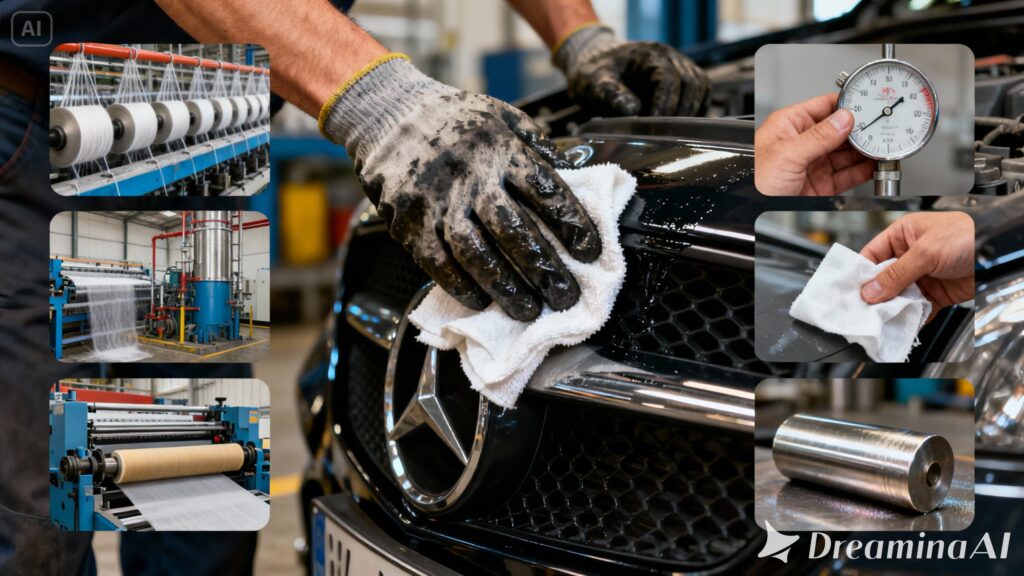
Meta Description: Learn why cotton rags are preferred for cleaning metal surfaces. Discover how cotton resists scratches, enhances shine, and offers a safe, eco-friendly alternative for polishing stainless steel, aluminum, and more. Introduction Metal surfaces are widely used in industries, homes, and commercial spaces because they offer durability and aesthetic appeal. However, maintaining their shine and functionality requires regular cleaning and polishing. Although many cleaning materials are available, people continue to use cotton rags. Their natural softness ensures that they polish metal surfaces without scratching, and their absorbency helps remove dust, grease, and stains effectively. Therefore, people find that cotton rags remain a reliable and proven choice for metal care. The Problem with Harsh Cleaning Materials When improper cleaning cloths are used, metal surfaces can quickly lose their shine. For example, synthetic fibers or abrasive tools may leave behind scratches or dull spots. Moreover, these scratches are not only unsightly but can also make the surface more prone to rust and damage over time. Thus, the selection of the right cleaning material becomes highly important for both industrial and domestic applications. Cotton Rags: Gentle Yet Effective Cotton rags are made of natural fibers, making them gentle on even the most delicate metals. Unlike synthetic cloths, cotton does not create micro-scratches. Additionally, people have widely observed that cotton fibers hold cleaning solutions well, enabling them to remove dirt and grease more effectively. Furthermore, the smooth texture of cotton helps preserve the original shine of the metal. Polishing Benefits of Cotton One of the main advantages of cotton rags is their ability to provide a polished finish. When professionals use cotton with polishing compounds or simply with water, it enhances the reflective quality of metals such as stainless steel, copper, brass, or aluminum. Moreover, when properly processed, cotton remains lint-free, preventing streaks or residue from being left behind. Therefore, professionals in automotive, aerospace, and food industries often rely on cotton for final finishing tasks. Cost and Sustainability Advantages Besides their cleaning efficiency, cotton rags also bring financial and environmental benefits. Because they are reusable and long-lasting, their cost per use is lower than many disposable alternatives. Additionally, cotton is biodegradable and recyclable, which makes it a sustainable choice. This aligns with the increasing demand for eco-friendly cleaning practices across industries. Best Practices for Using Cotton on Metal Surfaces To achieve the best results, cotton rags should always be clean and dry before use. It is advisable to dedicate separate rags for polishing and general cleaning tasks to avoid contamination.Moreover, you should apply gentle circular motions during polishing, as this enhances shine without using unnecessary pressure. Finally, store rags in dry, airy conditions to preserve their quality for future use. Conclusion In conclusion, cotton rags provide unmatched benefits when cleaning and polishing metal surfaces. Because they resist scratching, preserve shine, and remain environmentally friendly, they have become a preferred choice for both households and industries. When used correctly, they extend the life of metal surfaces while keeping them spotless and polished. Thus, for anyone seeking safe, effective, and sustainable metal care, cotton rags remain the ultimate solution.

Scroll to Top