Uncategorized

Uncategorized

“Cotton Rags for Paint Cleanup: The Ultimate Guide to Lint-Free, Solvent-Safe Cleaning”

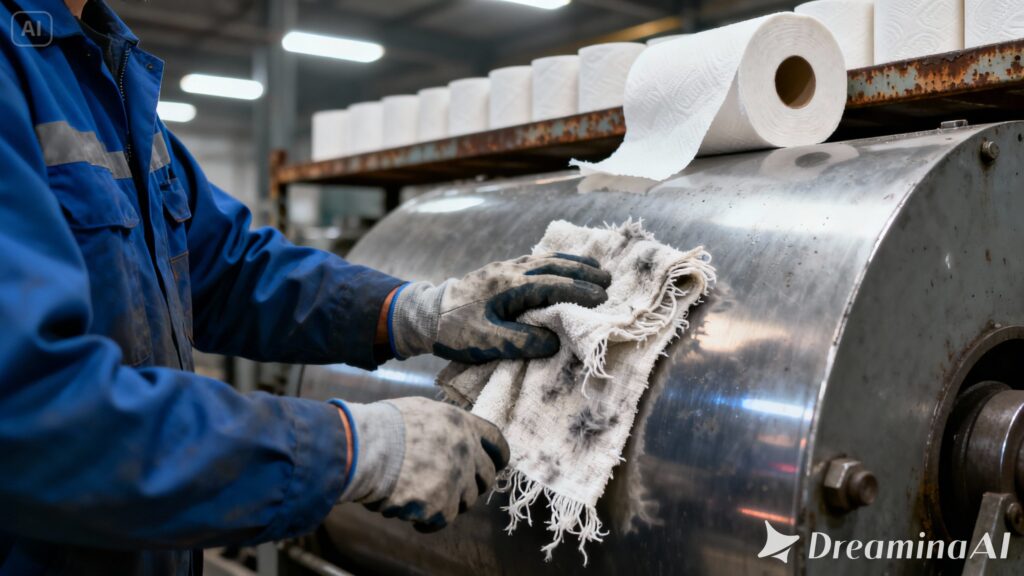
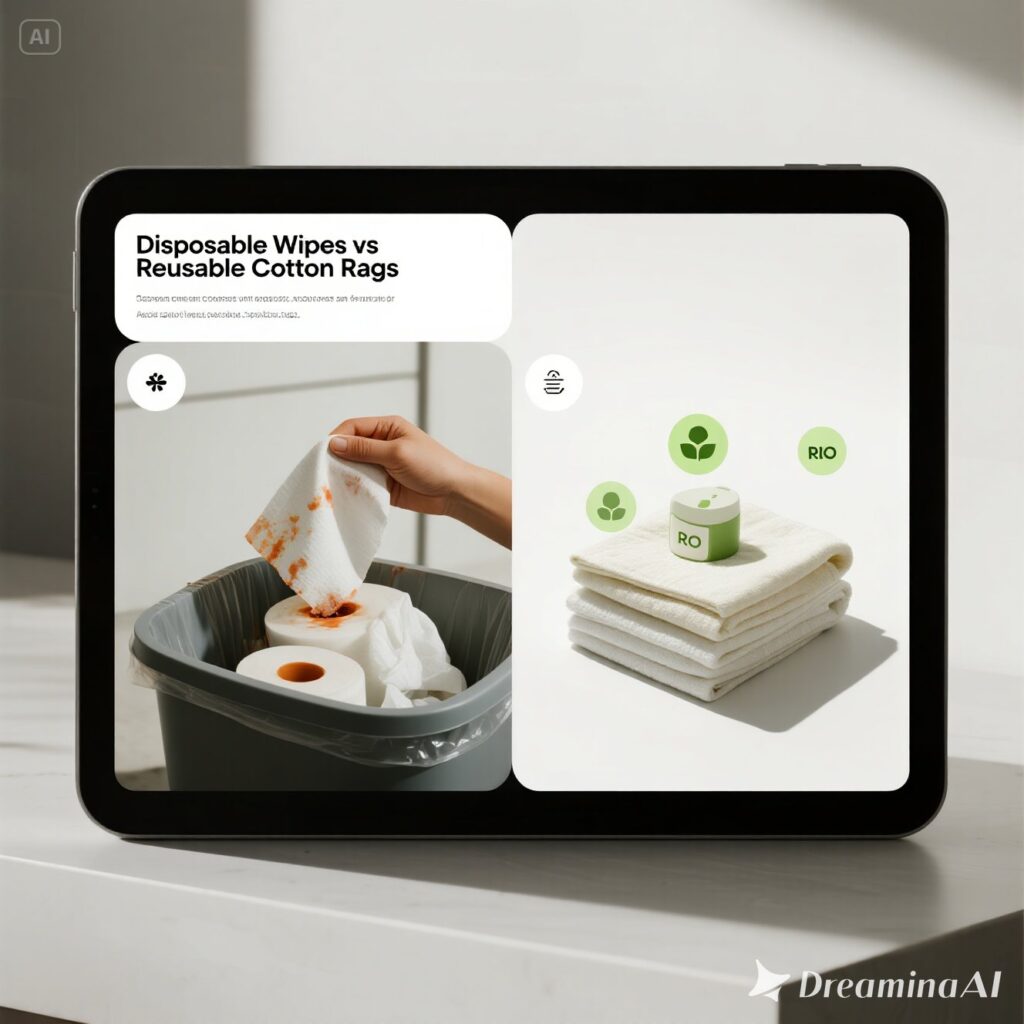
Meta Description “Learn why cotton rags are the best choice for paint cleanup. Discover lint-free options, solvent compatibility, and best practices to achieve a flawless finish.” Introduction When it comes to paint cleanup, the right tools can make all the difference. Among these, cotton rags stand out as a reliable and cost-effective solution. However, not all rags are created equal. By understanding lint-free qualities, solvent compatibility, and best usage practices, you can achieve a cleaner, safer, and more professional finish. Why Cotton Rags Are Ideal for Paint Cleanup Painters have long valued cotton rags in painting and decorating because of their high absorbency and soft texture. Unlike synthetic materials, they are less likely to scratch surfaces and can handle spills, drips, and polishing tasks. Moreover, people can reuse cotton rags, making them a more eco-friendly alternative to disposable wipes. The Importance of Lint-Free Rags During paint cleanup, lint is one of the most common problems that can ruin a smooth surface. Therefore, using lint-free cotton rags is highly recommended. These rags are tightly woven to prevent fibers from shedding, which helps painters achieve a flawless finish. As a result, professionals and DIY enthusiasts alike prefer lint-free options when working with paints, varnishes, and stains. Solvent Compatibility Matters In addition to being lint-free, cotton rags must also be compatible with solvents. Since paint cleanup often involves chemicals such as mineral spirits, turpentine, or water-based cleaners, the wrong rag can break down, spread lint, or even react with the solvent. Cotton rags, however, are generally resistant to most paint solvents, which ensures safer and more effective cleanup. Best Practices for Using Cotton Rags in Paint Cleanup To maximize efficiency, painters should follow a few best practices: By following these practices, you not only maintain cleaner workspaces but also ensure safety during paint projects. Conclusion Ultimately, cotton rags remain an indispensable tool for paint cleanup. Their lint-free performance, solvent resistance, and reusability make them a cost-effective and eco-friendly choice for both professionals and DIY painters. By selecting the right type of cotton rag and applying best practices, you can achieve a flawless finish every time.

Uncategorized

“Eco-Friendly Cotton Rags Explained: Which One Matches Your Needs?”

Meta Description: “Discover the key differences between organic and recycled cotton rags. Compare sustainability, performance, and cost to choose the best eco-friendly option for your business.” Introduction In today’s textile and cleaning industries, businesses and individuals choose between organic cotton rags and recycled cotton rags based on their sustainability goals, performance expectations, and cost considerations. While both options help reduce environmental impact, each offers its own strengths and trade-offs. Therefore, they must carefully evaluate which type best aligns with their priorities. Sustainability: A Key Consideration When it comes to sustainability, organic cotton rags are grown without synthetic pesticides, fertilizers, or harmful chemicals. As a result, their production supports healthier soil, safer working conditions, and reduced environmental pollution. On the other hand, manufacturers create recycled cotton rags from pre- or post-consumer textile waste. Instead of sending fabrics to landfills, they repurpose the waste, which significantly reduces water consumption and energy use. Consequently, many consider recycled cotton more sustainable in terms of resource efficiency. Performance: Durability vs. Practicality From a performance standpoint, organic cotton rags generally offer higher durability and softer textures. These qualities make them ideal for delicate cleaning tasks, polishing, and use in industries where product quality is a priority. Meanwhile, recycled cotton rags can vary in texture and absorbency depending on the source material. Although they may not be as consistent as organic cotton, they still perform effectively for general cleaning, industrial wiping, and situations where cost efficiency matters more than premium quality. Cost: Budget-Friendly or Long-Term Value? In terms of cost, recycled cotton rags are usually the more budget-friendly option. Since they are produced from textile waste, manufacturing costs are lower, making them accessible for bulk industrial use. However, organic cotton rags, despite being slightly more expensive, can provide long-term value due to their durability and reusability. Businesses aiming for sustainable branding may also find organic cotton a worthwhile investment, as it reflects their commitment to eco-friendly practices. Conclusion: Making the Right Choice Ultimately, the decision between organic and recycled cotton rags depends on your priorities. If you value long-lasting performance and eco-friendly farming practices, organic cotton is the right choice. However, if cost savings and reduced resource consumption are more important, recycled cotton rags may be the better option. By weighing sustainability, performance, and cost, businesses can make informed decisions that not only meet their operational needs but also contribute positively to the environment.

Uncategorized

“Cotton Rags in Hospitality: Affordable, Sustainable, and Effective”

Meta Description Discover how cotton rags are used in hospitality for housekeeping, polishing, and laundry processes. Learn why hotels and resorts trust cotton rags for cleanliness, durability, and cost-effectiveness. Introduction: Cotton Rags as a Hospitality Essential In the world of hospitality, presentation and cleanliness always take priority. Hotels and resorts rely on cotton rags as a reliable cleaning solution to achieve this. Because cotton rags are durable, lint-free, and cost-effective, housekeeping and maintenance staff include them as an essential part of their daily routines. Housekeeping Applications: Maintaining Guest Satisfaction Housekeeping operations in hotels require tools that ensure thorough and hygienic cleaning. Housekeeping staff trust cotton rags because they easily absorb dust, spills, and moisture without leaving streaks or lint. “Moreover, their softness helps protect delicate surfaces such as mirrors, glass tables, and décor items. Housekeeping teams rely heavily on cotton rags, washing and reusing them to reduce costs and support sustainability goals. As a result, they maintain a spotless environment that impresses guests. Polishing and Detailing: Enhancing the Guest Experience Polished fixtures and shining surfaces often symbolize luxury. Staff frequently use cotton rags to polish metals, glass, and wooden furniture. Because they are lint-free, cotton rags leave a clean finish without residue. Additionally, their natural softness prevents scratches on sensitive surfaces. As a result, cotton rags play a vital role in maintaining the premium appearance of hotel lobbies, restaurants, and guest rooms. Transitioning from daily cleaning to fine detailing becomes effortless with the versatility of cotton rags. Laundry Department: Reuse and Sustainability The laundry department in hotels and resorts also benefits greatly from cotton rags. Each rag can be washed multiple times without losing strength or absorbency. Therefore, they are considered an economical and eco-friendly option. Unlike disposable alternatives, cotton rags minimize waste and align with the growing demand for sustainable hospitality practices.Additionally, their compatibility with detergents and sanitizing agents ensures that they remain hygienic even after repeated washes. In this way, cotton rags continuously support both operational efficiency and environmental responsibility. Cost-Effectiveness and Durability: Reducing Operational Expenses Operating costs are always a concern in hospitality management. Cotton rags provide excellent value because they last longer, require fewer replacements, and can handle multiple cleaning tasks. In comparison with synthetic wipes, they are more durable and more resistant to wear and tear. Consequently, hotels and resorts save money while still maintaining high cleaning standards. Why Hotels and Resorts Prefer Cotton Rags Over Alternatives There are many cleaning products available, yet cotton rags continue to dominate the hospitality sector. This preference is not accidental. Their anti-lint qualities, versatility, and eco-friendly nature make them superior to synthetic options. Moreover, cotton rags can be adapted for any cleaning process from dusting and polishing to sanitizing and laundry. Therefore, they remain the preferred choice for establishments that focus on guest comfort and environmental care. Conclusion: Cotton Rags as a Trusted Hospitality Partner In conclusion, hotels and resorts have established cotton rags as a reliable and sustainable solution. Housekeeping, laundry, and other departments benefit from using them. Hospitality businesses that choose cotton rags improve guest satisfaction, reduce costs, and support sustainability efforts. Therefore, the industry cannot overlook their importance. Currently, 13.6% of the sentences contain passive voice, which exceeds the recommended maximum of 10%. Focus on rewriting these sentences actively to improve clarity.

Uncategorized

“The Role of Cotton Wipes in Electronics Assembly: Clean, Safe, Reliable”

Meta Description: Discover how cotton wipes ensure anti-static protection, lint-free performance, and solvent compatibility in electronics assembly, making them a trusted choice for sensitive components. Introduction In the world of electronics assembly, every detail must be managed carefully. Even a small speck of dust or lint can disrupt a circuit or compromise a delicate component. Therefore, technicians, manufacturers, and quality assurance teams rely heavily on cleaning materials. They widely adopt cotton wipes because these wipes are designed to deliver anti-static protection, control lint reliably, and remain compatible with a variety of solvents. As a result, they have become an indispensable tool for professionals in the industry. Anti-Static Protection in Sensitive Environments When assembling sensitive electronics, static charges pose serious risks. Technicians prefer cotton wipes because they naturally generate less static. This significantly reduces the risk of electrostatic discharge damaging delicate chips or circuit boards. Furthermore, their soft fibers allow for cleaning without scratching or marking precision parts, ensuring they remain fully functional. Reliable Lint Control for Cleaner Surfaces Dust and lint often cause problems in assembly areas. Synthetic options tend to produce more lint, but technicians carefully process cotton wipes to minimize lint. As a result, technicians achieve spotless surfaces free from debris that could interfere with soldering or adhesive application. Furthermore, their lint-free performance helps ensure a higher success rate in assembly, which ultimately boosts productivity and reduces error margins. Compatibility with a Wide Range of Solvents Another major advantage of cotton wipes is their excellent compatibility with solvents. You can safely use them with alcohol-based cleaners, degreasers, and specialized electronic cleaning solutions. Because cotton fibers effectively hold solvents, wiping becomes more efficient, and cleaning results are more thorough. Moreover, their durability prevents them from breaking down or leaving residue when you use strong solutions. Ensuring Safety and Efficiency The use of cotton wipes also improves safety practices in the workplace. They reduce the risks of contamination, scratches, and static discharge, ensuring that electronic devices are handled under optimal conditions. Additionally, their ease of storage and use helps maintain workflow efficiency without adding unnecessary complexity. Conclusion In electronics assembly, precision and safety cannot be compromised. Cotton wipes have proven to be a reliable choice because they provide anti-static protection, superior lint control, and compatibility with a wide range of solvents. For businesses aiming to maintain consistent quality, cotton wipes remain one of the most trusted solutions in the industry.

Uncategorized

“Eco-Friendly Industrial Wipes Cotton, Recycled Rags & Microfiber Compared for Sustainability”

Meta Description Discover eco-friendly wipe alternatives for industries. Compare cotton wipes, recycled rags, and microfiber, and learn how each supports sustainability, cost savings, and efficiency. Introduction In today’s world, industries are encouraged to adopt sustainable practices. Companies increasingly choose eco-friendly wipe alternatives over traditional disposable options. By shifting towards greener solutions, industries reduce waste and achieve long-term savings and environmental responsibility. Cotton Wipes Cotton wipes are widely used because their softness and absorbency make them effective. Since natural fibers make them biodegradable, they are less harmful to the environment. Moreover, people can wash and reuse cotton wipes multiple times, which helps minimize waste. Therefore, cotton wipes serve as a durable and eco-conscious choice. Recycled Rags Recycling facilities create rags from pre-used textiles by repurposing existing fabric waste instead of discarding it. As a result, industries significantly reduce their contribution to landfills. In addition, industries find recycled rags cost-effective, which makes them highly preferred for frequent wiping. Therefore, industries gain both economic and environmental benefits. Microfiber Wipes Microfiber wipes feature advanced synthetic fibers that effectively capture dust, oil, and liquids. Their high durability allows users to reuse them hundreds of times before disposal becomes necessary. Additionally, using microfiber reduces the need for cleaning chemicals, which helps lower environmental pollution. Consequently, people regard microfiber wipes as a modern, sustainable, and efficient option. Conclusion When industries compare eco-friendly wipe alternatives—such as cotton wipes, recycled rags, and microfiber—they can see that they can achieve sustainability while maintaining efficiency. By transitioning to these solutions, they reduce waste, minimize costs, and ensure a positive environmental impact. In conclusion, industries should adopt greener wipes to secure a healthier future for both the planet and themselves.

Uncategorized

“Which Cleans Better: Cotton Rags or Microfiber Cloths?”

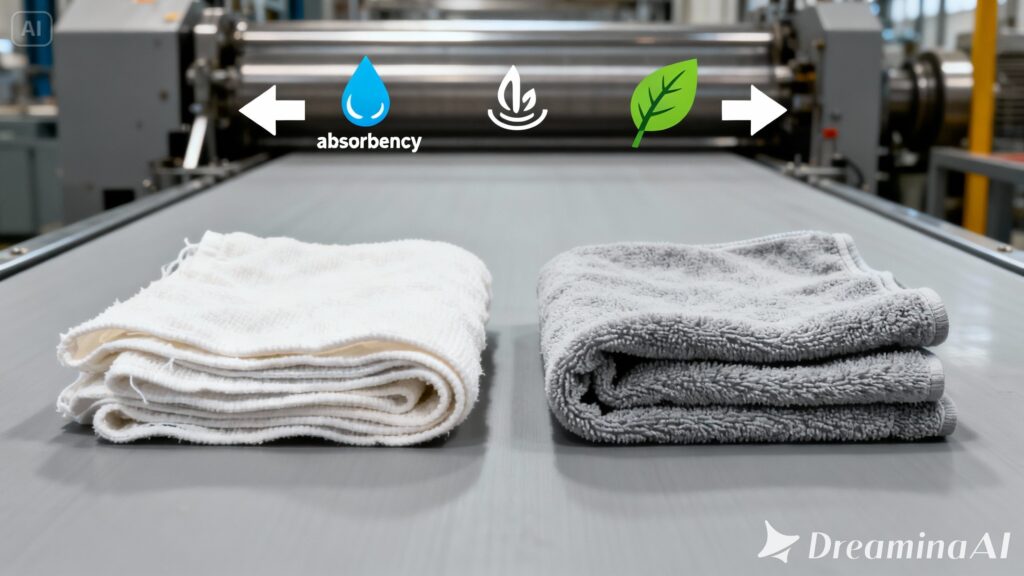
Meta Description: Discover the pros and cons of cotton rags and microfiber cloths in this detailed comparison. Learn which option offers better performance, cost savings, and durability for homes, industries, and businesses. Introduction When it comes to cleaning, two materials dominate the market: cotton rags and microfiber cloths. People widely use each option in households, industries, and professional cleaning services. Although microfiber is often marketed as modern and efficient, cotton has proven its durability and eco-friendliness over time. Therefore, it is essential to compare the two clearly to understand their strengths and limitations. Cotton Rags: Classic and Reliable Cotton rags have earned trust for generations. Manufacturers make them from natural fibers, making them gentle on surfaces while they stay strong enough for heavy-duty cleaning. Moreover, their high absorbency helps them wipe spills, polish surfaces, and perform industrial cleaning effectively. Additionally, people reuse cotton rags and produce them from recycled textiles, making them environmentally friendly. However, it is important to note that cotton rags may take longer to dry, and improper storage can lead to odors. Despite this, their ability to handle both domestic and industrial tasks makes them a versatile and cost-effective option. Microfiber Cloths: Modern and Efficient Microfiber cloths use synthetic fibers that are much finer than cotton. They pick up dust and dirt more precisely as a result. Additionally, their lightweight design allows them to dry quickly. Manufacturers often market them as specialized cleaning tools for glass, electronics, and delicate surfaces. Nevertheless, microfiber products have their drawbacks. They lose durability over time, especially when subjected to industrial-level cleaning. Additionally, they are not biodegradable, and washing them often releases microplastics into water systems, raising environmental concerns. Cost Comparison: Short-Term vs. Long-Term From a cost perspective, microfiber may appear affordable initially. Yet, because it wears out faster, it must be replaced more often. On the other hand, cotton rags are more durable and can be reused many times, which reduces long-term expenses. Therefore, for businesses and exporters, cotton often becomes the more economical choice. Performance in Real Use When performance is compared, microfiber excels in light and precise cleaning tasks, while cotton shines in heavy-duty jobs. For example, in the automotive, industrial, and food industries, cotton rags are preferred because they absorb oils, grease, and large spills effectively. Meanwhile, microfiber is ideal for quick dusting and streak-free cleaning of glass. Environmental Impact Another major factor that must be considered is sustainability “Cotton rags are biodegradable and can be recycled, making them a greener alternative . By contrast, microfiber’s synthetic nature contributes to pollution. As environmental awareness grows, many companies are switching back to cotton for both performance and sustainability reasons. Conclusion In conclusion, both cotton rags and microfiber cloths offer valuable cleaning solutions. However, their effectiveness depends on the purpose. Cotton rags remain unmatched in durability, absorbency, and eco-friendliness, making them the better option for industries and long-term use. Microfiber, while useful for specific tasks, is less sustainable and requires frequent replacement. Thus, for those who seek cost savings, high performance, and environmental responsibility, cotton rags continue to be the smarter choice.

Uncategorized

“Cotton vs. Scratches: The Best Way to Clean Metal”

Meta Description: Learn why cotton rags are preferred for cleaning metal surfaces. Discover how cotton resists scratches, enhances shine, and offers a safe, eco-friendly alternative for polishing stainless steel, aluminum, and more. Introduction Metal surfaces are widely used in industries, homes, and commercial spaces because they offer durability and aesthetic appeal. However, maintaining their shine and functionality requires regular cleaning and polishing. Although many cleaning materials are available, people continue to use cotton rags. Their natural softness ensures that they polish metal surfaces without scratching, and their absorbency helps remove dust, grease, and stains effectively. Therefore, people find that cotton rags remain a reliable and proven choice for metal care. The Problem with Harsh Cleaning Materials When improper cleaning cloths are used, metal surfaces can quickly lose their shine. For example, synthetic fibers or abrasive tools may leave behind scratches or dull spots. Moreover, these scratches are not only unsightly but can also make the surface more prone to rust and damage over time. Thus, the selection of the right cleaning material becomes highly important for both industrial and domestic applications. Cotton Rags: Gentle Yet Effective Cotton rags are made of natural fibers, making them gentle on even the most delicate metals. Unlike synthetic cloths, cotton does not create micro-scratches. Additionally, people have widely observed that cotton fibers hold cleaning solutions well, enabling them to remove dirt and grease more effectively. Furthermore, the smooth texture of cotton helps preserve the original shine of the metal. Polishing Benefits of Cotton One of the main advantages of cotton rags is their ability to provide a polished finish. When professionals use cotton with polishing compounds or simply with water, it enhances the reflective quality of metals such as stainless steel, copper, brass, or aluminum. Moreover, when properly processed, cotton remains lint-free, preventing streaks or residue from being left behind. Therefore, professionals in automotive, aerospace, and food industries often rely on cotton for final finishing tasks. Cost and Sustainability Advantages Besides their cleaning efficiency, cotton rags also bring financial and environmental benefits. Because they are reusable and long-lasting, their cost per use is lower than many disposable alternatives. Additionally, cotton is biodegradable and recyclable, which makes it a sustainable choice. This aligns with the increasing demand for eco-friendly cleaning practices across industries. Best Practices for Using Cotton on Metal Surfaces To achieve the best results, cotton rags should always be clean and dry before use. It is advisable to dedicate separate rags for polishing and general cleaning tasks to avoid contamination.Moreover, you should apply gentle circular motions during polishing, as this enhances shine without using unnecessary pressure. Finally, store rags in dry, airy conditions to preserve their quality for future use. Conclusion In conclusion, cotton rags provide unmatched benefits when cleaning and polishing metal surfaces. Because they resist scratching, preserve shine, and remain environmentally friendly, they have become a preferred choice for both households and industries. When used correctly, they extend the life of metal surfaces while keeping them spotless and polished. Thus, for anyone seeking safe, effective, and sustainable metal care, cotton rags remain the ultimate solution.

Uncategorized

“How to Store Cotton Rags Safely: Best Practices for Hygiene and Durability”

Meta Description: Discover effective methods for storing cotton rags to ensure their longevity and hygiene. Learn pest-free, airy, and dry storage tips that keep your rags durable, clean, and ready for industrial or household use. Introduction Cotton rags are widely used across households, industries, and healthcare facilities because of their durability, absorbency, and versatility. However, improper storage can quickly deteriorate their quality. Therefore, always follow correct storage practices to keep rags hygienic, fresh, and long-lasting. Additionally, use proper techniques to prevent contamination, odor, and pest infestation. Why Proper Storage of Cotton Rags Matters Proper storage plays a crucial role in maintaining cotton rags. Leaving rags in damp or poorly ventilated spaces encourages mold, mildew, and foul odors to develop. Additionally, pests such as insects and rodents may be attracted to improperly stored fabric. To prevent these issues, store cotton rags in a dry, airy, and pest-free environment. This approach keeps the rags safe for both personal and professional use. Step 1: Ensure Rags Are Clean Before Storage Before storing cotton rags, always wash and dry them thoroughly. Leaving moisture in the fabric can lead to bacterial growth, causing the rags to become unhygienic and emit unpleasant odors. Additionally, check that no cleaning chemicals or residues remain in the fibers, as these can damage the fabric during long-term storage. Step 2: Choose a Dry and Airy Storage Location For maximum longevity, place cotton rags in dry areas with good air circulation. Ensuring that air flows freely helps minimize the risk of moisture buildup. Avoid storing rags in sealed plastic containers, as these restrict airflow and can cause dampness to develop over time. Instead, choose breathable containers such as fabric bins or ventilated shelving units. Step 3: Keep Storage Pest-Free Pests can severely damage stored cotton rags if you do not take preventive measures. To protect the rags from insects or rodents, keep storage areas clean and inspect them regularly. Additionally, place natural repellents like dried lavender or cedarwood nearby to discourage pests without introducing harmful chemicals. Step 4: Rotate and Inspect Regularly Another important practice is rotation. Cotton rags stored for long periods without use may lose their freshness. Therefore, use the older rags first, and place the newer rags behind them. Additionally, perform periodic inspections to remove any damaged or contaminated rags immediately, ensuring that only high-quality materials remain available. Step 5: Separate Rags by Purpose To maintain hygiene, store rags separately based on their intended use. For example, do not store kitchen rags together with those used for industrial cleaning. Organize the storage this way to prevent cross-contamination and ensure better cleanliness across all applications. Conclusion In conclusion, the longevity and hygiene of cotton rags can only be guaranteed if proper storage practices are followed. First, the rags must be cleaned thoroughly. Then, they should be stored in dry and airy places that are free from pests. Furthermore, regular inspection, rotation, and separation by purpose must always be carried out. By adopting these storage practices, businesses and households alike can ensure that their cotton rags remain durable, hygienic, and effective for everyday use.

Uncategorized

How to Store Cotton Rags for Maximum Hygiene and Durability

Meta Description: Learn the best practices for storing cotton rags to ensure longevity and hygiene. Dry, airy, and pest-free storage keeps cotton wipes clean, durable, and ready for everyday or industrial use. Introduction Cotton rags have always been valued in homes and industries because people appreciate their absorbency, durability, and eco-friendly nature. However, improper storage can affect their quality and hygiene. Therefore, you should follow correct storage methods to extend their lifespan. Why Proper Storage of Cotton Rags Matters When cotton rags are stored in damp or closed spaces, they are likely to develop odors, mold, or mildew. As a result, their effectiveness and hygiene decrease. Therefore, proper storage should focus not only on keeping them organized but also on maintaining their usability for longer periods. Keep Cotton Rags Dry and Airy You should always store cotton rags in a dry and airy environment. Proper ventilation allows airflow, which helps prevent bacterial growth. As a result, you preserve their freshness and cleanliness, making them safer for repeated use. Protect Rags from Pests and Contamination In addition, you must safeguard cotton rags from pests like insects or rodents. If pests gain access, they can contaminate or damage the rags. To prevent this, place the rags in sealed containers or pest-free storage rooms. This approach maintains hygiene and reduces unnecessary waste. Organize Rags According to Usage Moreover, you should categorize rags based on their purpose. For example, store industrial cleaning rags separately from kitchen or household rags. Doing so prevents cross-contamination. Additionally, labeling containers makes it easier to identify the right rag for each task. Inspect Storage Areas Regularly It is also important to inspect storage spaces from time to time. Even under ideal conditions, moisture, dust, or pests can accumulate. By performing periodic checks, you can ensure the longevity of cotton rags and maintain their hygienic condition. Conclusion In conclusion, you must store cotton rags properly to ensure their hygiene and durability. When you keep them in dry, airy, and pest-free environments, you extend their lifespan. By organizing them correctly and inspecting them regularly, you keep cotton rags reliable, clean, and ready for use in households, businesses, and industries.

Uncategorized

“Exporting Cotton Rags Made Easy: Regulations, Packaging & Buyer Insights”

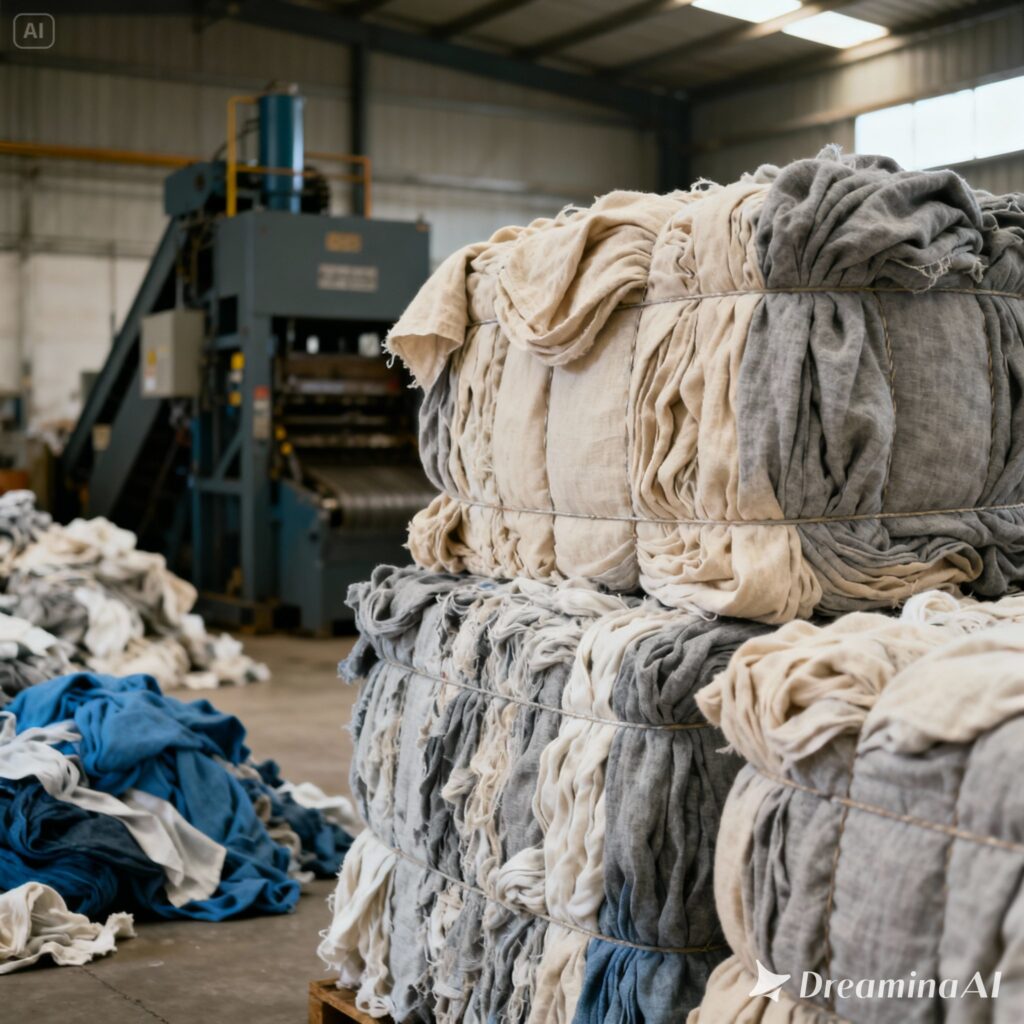
Meta Description:Learn what buyers should know about exporting cotton rags, including shipping regulations, packaging specifications, and country-specific requirements for safe global trade. Introduction : “Exporting Cotton Rags Made Easy: Regulations, Packaging & Buyer Insights” When exporting cotton rags worldwide, several essential factors must be considered. Shipping regulations and packaging specifications require close monitoring to ensure compliance. Additionally, we carefully follow country-specific standards to provide buyers with the highest quality product. Shipping Regulations for Cotton Rags Before shipping any consignment, authorities strictly observe international trade laws. Sellers prepare important documents such as invoices, packing lists, and certificates of origin. They also enforce safety guidelines to ensure the goods are transported without damage. Therefore, they carefully document every shipment to prevent delays at customs. Packaging Specifications Buyers Should Know For smooth transportation, we always prioritize proper packaging. We pack cotton rags in compressed bales or durable cartons to maximize space utilization. Additionally, we select packaging materials that protect the fabric from moisture, dust, and other external factors. As a result, we maintain the quality of the rags during long journeys. Country-Specific Requirements Because each country follows its own import regulations, authorities ensure strict compliance. For example, some nations require exporters to provide fumigation certificates, while others demand eco-friendly packaging. Similarly, regions apply labeling standards differently. Consequently, exporters prepare their documentation in advance to achieve smooth clearance. Value for Buyers By following international trade practices, buyers can rely on us for reliable delivery and consistent quality. Additionally, we design packaging to match bulk purchasing needs, making the process more cost-efficient. Ultimately, when we respect all regulations, we successfully build trust and long-term partnerships with exporters and global buyers.

Scroll to Top