Factory Cleaning Made Smarter with Recycled Cotton Rags
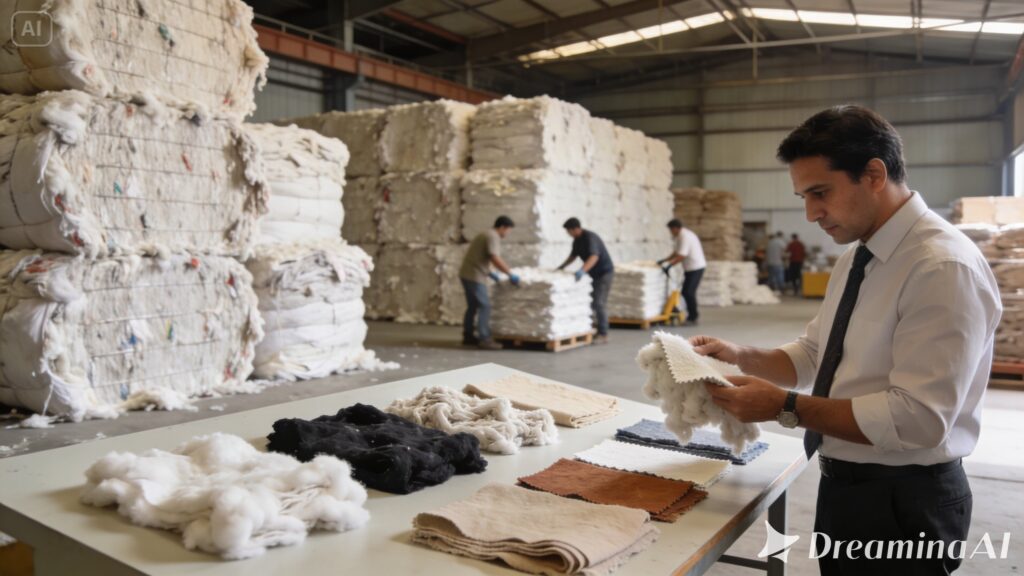
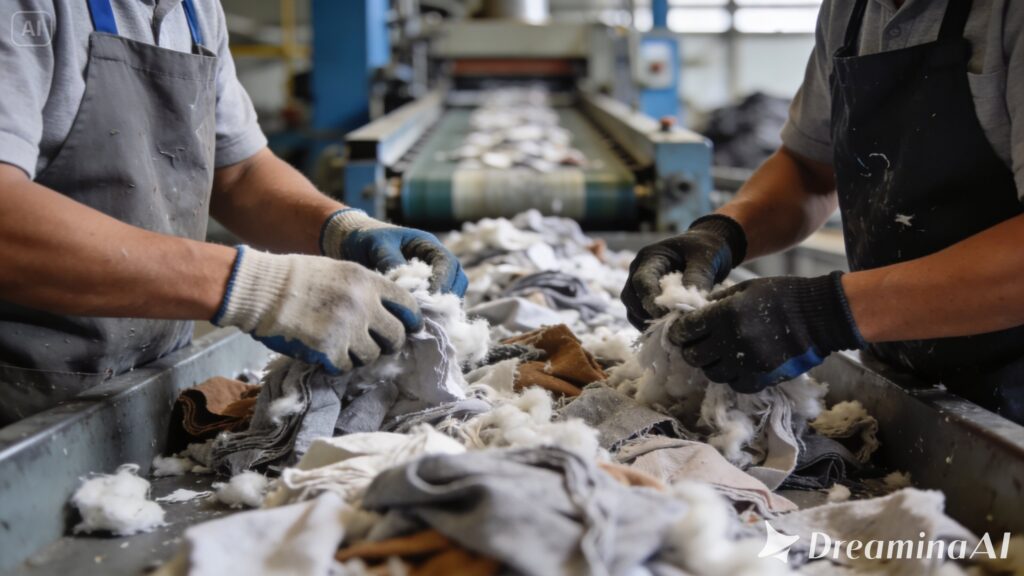
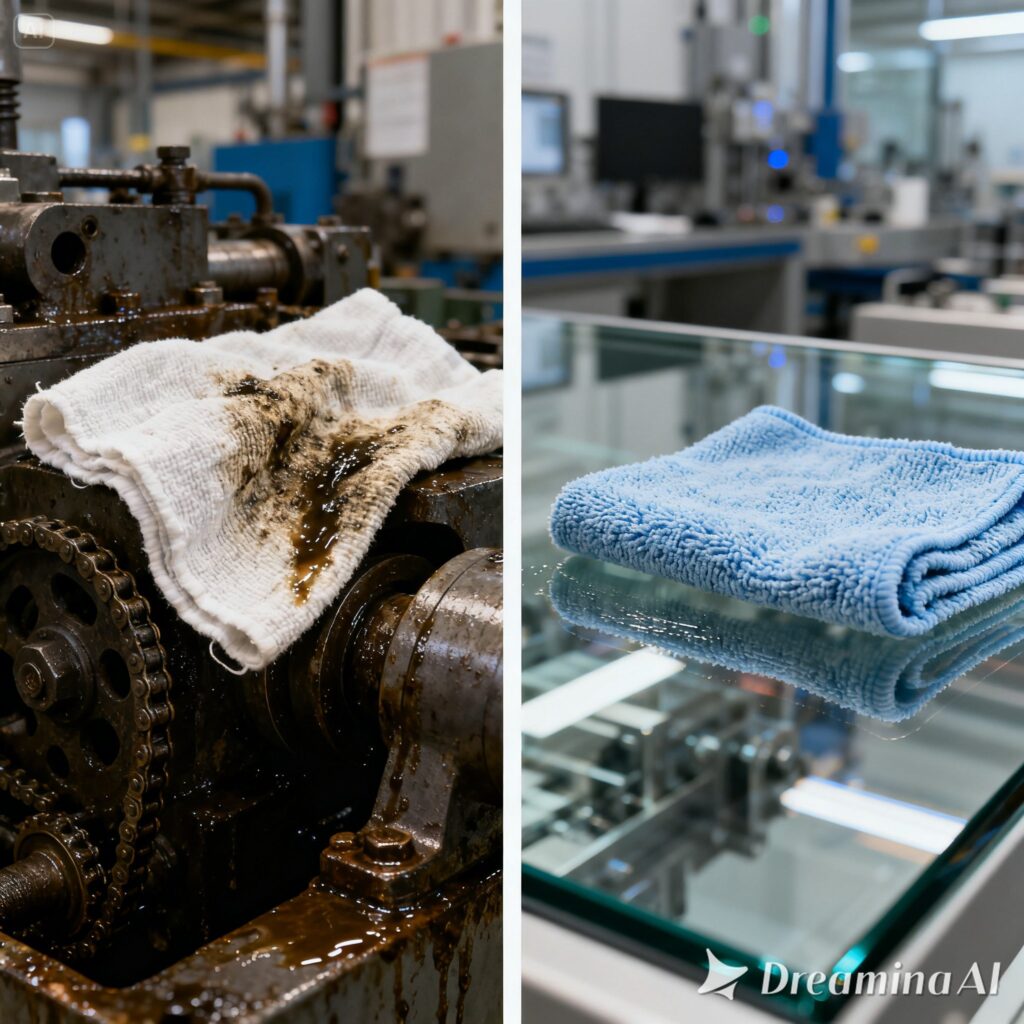
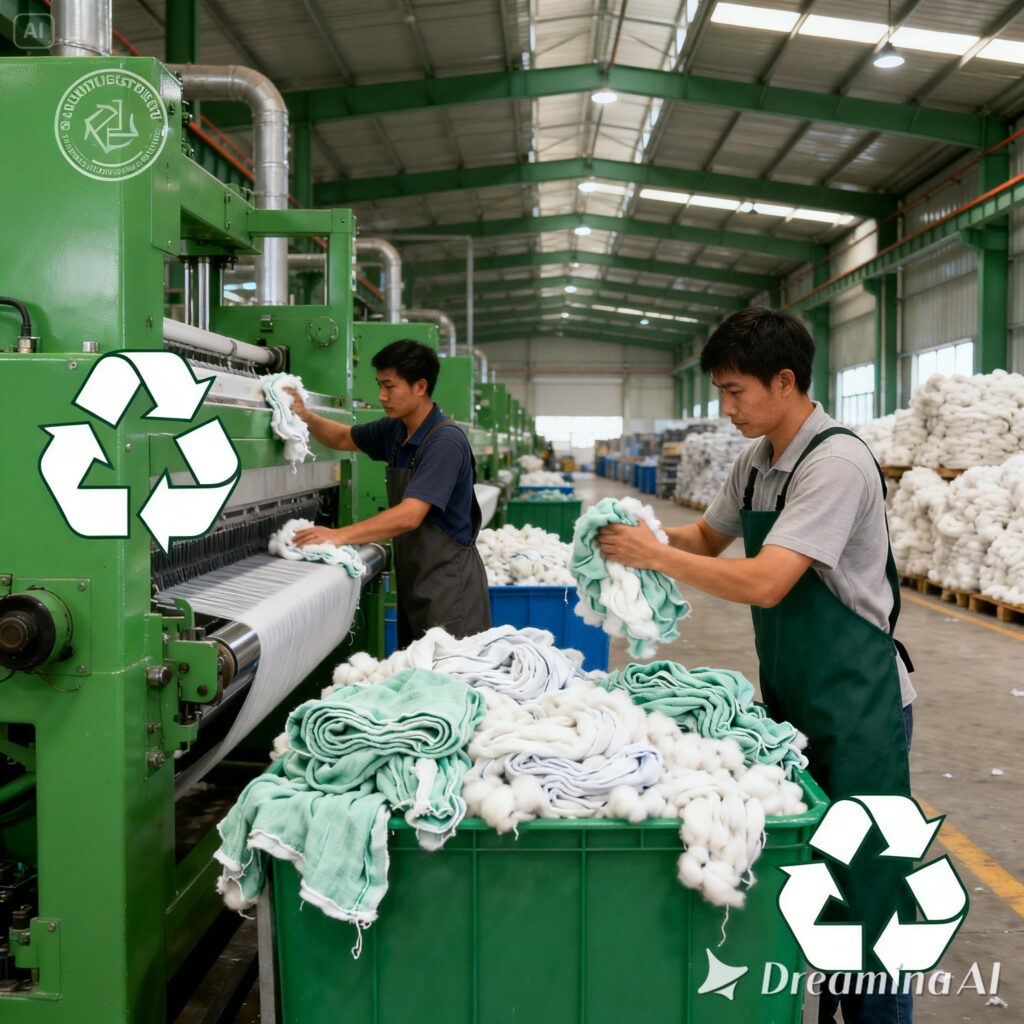
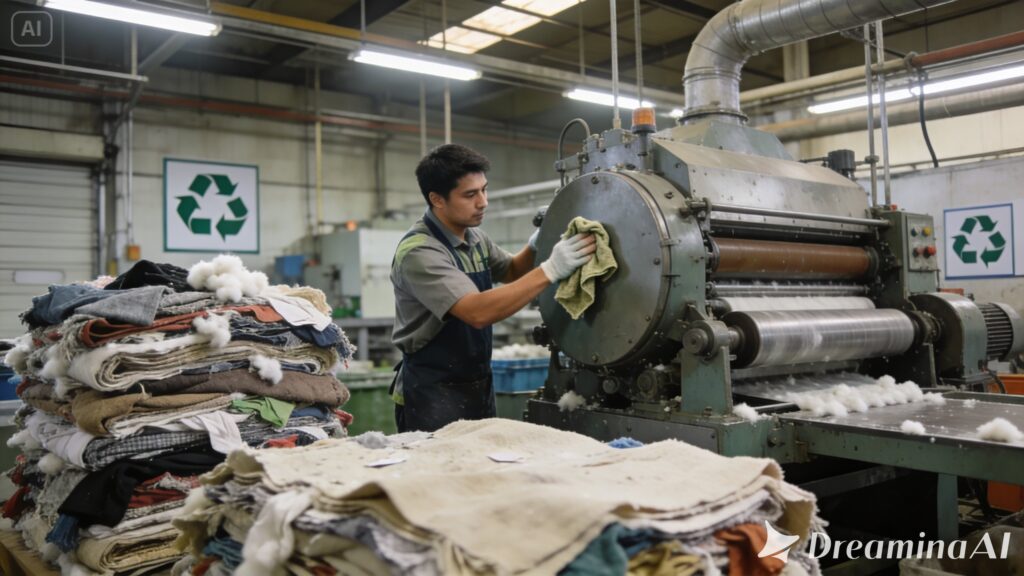
Meta Description Discover the benefits of using recycled cotton rags in factories, including cost savings, sustainability, high absorbency, and improved industrial cleaning efficiency. Introduction Factories perform cleaning and maintenance tasks continuously throughout the day. From oil removal to machine servicing, industrial operations require reliable cleaning materials to maintain productivity and safety. However, disposable wipes and low-quality materials often increase operational costs and generate unnecessary waste. Therefore, many factories now prefer recycled cleaning rags as a practical and sustainable solution. Because these rags offer durability, absorbency, and reusability, they improve industrial cleaning efficiency while supporting environmental goals. What Are Recycled Cleaning Rags? Recycled cleaning rags come from reused textile materials such as: Instead of discarding these materials, recycling facilities process them into reusable industrial cleaning cloths. Consequently, factories gain cost-effective cleaning materials while reducing textile waste. Major Benefits of Using Recycled Cleaning Rags in Factories 1. Lower Cleaning and Maintenance Costs Factories consume large quantities of cleaning materials every month. Therefore, reusable recycled rags help reduce purchasing costs significantly. Because workers can wash and reuse cotton rags multiple times: As a result, factories improve long-term operational savings. 2. High Absorbency for Industrial Cleaning Recycled cotton rags absorb: Therefore, workers clean machinery and surfaces more efficiently with fewer materials. Consequently, cleaning operations become faster and more productive. 3. Supports Sustainable Factory Operations Factories increasingly focus on sustainability and waste reduction. Therefore, recycled cleaning rags help companies support: By reusing textile waste, factories reduce landfill pressure and improve resource efficiency. 4. Reusability Improves Efficiency Unlike disposable wipes, recycled cleaning rags withstand multiple washing cycles. Because of this durability: As a result, maintenance departments operate more efficiently. 5. Reduces Textile Waste Textile waste continues to grow globally. However, recycling programs transform fabric scraps into useful industrial products. Therefore, recycled cleaning rags: Consequently, factories contribute to environmental protection. 6. Better Performance in Heavy-Duty Applications Industrial environments require strong cleaning materials that can handle: Recycled cotton rags perform well under these demanding conditions because they provide durability and strong absorbency. 7. Safer Workplace Conditions Oil spills and dirty surfaces increase accident risks in factories. Therefore, fast and effective cleaning improves workplace safety. Workers use recycled rags to: As a result, factories reduce operational hazards. 8. Flexible for Multiple Industrial Uses Factories use recycled cleaning rags for: Because of their versatility, recycled rags support many departments within industrial operations. Industries That Benefit Most Recycled cleaning rags are widely used in: These industries require continuous cleaning support, making reusable rags highly valuable. Why Factories Prefer Cotton-Based Recycled Rags Cotton-based recycled rags remain popular because they offer: Therefore, cotton continues to dominate industrial cleaning applications. Conclusion Recycled cleaning rags provide factories with a cost-effective, durable, and environmentally responsible cleaning solution. They reduce waste, lower maintenance expenses, improve workplace safety, and support sustainable industrial operations. Ultimately, factories that adopt recycled cleaning rags achieve better cleaning efficiency while contributing to a more sustainable manufacturing future.