Uncategorized

Uncategorized

“Industrial Glove Care: Safe Storage and Handling Tips You Need to Know”

Meta Description: Proper storage and handling of industrial gloves extend their lifespan and ensure workplace safety. Discover essential tips to maintain glove quality and prevent early wear. Industrial Glove Care: Safe Storage and Handling Tips You Need to Know In industrial environments, protective gloves play a critical role in safeguarding workers’ hands from cuts, abrasions, chemicals, and extreme temperatures. However, even the highest-quality gloves can become ineffective if not handled and stored correctly. That’s why proper glove care is essential not only for durability but also for safety. Let’s walk through the best practices for handling and storing industrial gloves the right way. 1. Always Clean Gloves Before Storage First and foremost, you should clean gloves after each use. If you neglect to do so, residues from chemicals, oil, or dirt can degrade the material. For example, you should brush off leather gloves and wipe them with a damp cloth, whereas you can machine-wash cotton gloves if the manufacturer permits. Pro Tip: When applicable, manufacturer cleaning guidelines must be followed to avoid damage. 2. Store in a Cool, Dry Area Once you clean the gloves, allow them to air dry completely. Storing damp gloves can cause mold growth or material breakdown over time. Therefore, store them in a dry, ventilated space. Additionally, keep the gloves away from direct sunlight and heat sources, because extreme conditions can harden rubber or crack leather. 3. Avoid Chemical Exposure During Storage Once you clean the gloves, allow them to air dry completely. Storing damp gloves can cause mold growth or material breakdown over time. Therefore, store them in a dry, ventilated space. Additionally, keep the gloves away from direct sunlight and heat sources, because extreme conditions can harden rubber or crack leather. 4. Handle with Clean, Dry Hands Before putting on gloves, ensure your hands are clean and dry. Oils and moisture from skin can degrade the glove’s interior lining, especially if repeated contact occurs. Also, while removing gloves, it is best to pull them off by the cuff instead of the fingers. This prevents unnecessary stretching or tearing at the fingertips. 5. Inspect Regularly for Wear and Tear Even when not in frequent use, gloves must be inspected periodically. Cracks, thinning, or hard spots are signs that the material has begun to degrade. Such gloves should be discarded immediately. In some cases, storage labels or tags can be added to monitor the glove’s age or rotation schedule. 6. Never Mix Used and Unused Gloves To ensure hygiene and prevent cross-contamination, store used gloves separately from new ones. This is especially important in environments where biological or chemical substances are handled. By doing so, you reduce the risk of contamination and help preserve the quality of the gloves for as long as possible. 7. Use Glove Dispensers When Possible In high-traffic industrial zones, glove dispensers make handling more hygienic and organized. By keeping gloves clean, dust-free, and protected from surface contact, dispensers extend the gloves’ lifespan and ensure easy access. Conclusion To sum up, industrial gloves are only as effective as the care they receive. Through proper cleaning, careful handling, and correct storage, their protective qualities can be preserved significantly longer. When gloves are stored responsibly, safety is not just maintained it’s enhanced. By implementing these simple best practices, businesses can reduce glove replacement costs, support worker safety, and contribute to a cleaner, more efficient workplace.

Uncategorized

“How to Store and Handle Industrial Gloves Properly”

Meta Description: Ensure long-lasting glove performance with proper storage and handling techniques. Learn best practices to protect industrial gloves from damage, contamination, and wear. INTRODUCTION Industrial gloves are essential tools across countless industries. Whether workers use them in construction, manufacturing, healthcare, or chemical handling, manufacturers design these gloves to provide protection and enhance safety. However, if they are stored and handled improperly, their lifespan and effectiveness can be significantly reduced. Therefore, it is essential to follow proper storage and handling procedures to ensure that the gloves remain effective and provide the necessary protection. Consequently, maintaining correct storage practices not only extends the gloves’ lifespan but also helps safeguard worker safety. To maximize the durability and performance of industrial gloves, several best practices must be followed. Below, you’ll find a complete guide on how they should be handled, stored, and maintained.’ 1. Always Store Gloves in a Clean, Dry Area To begin with, workers should store gloves away from direct sunlight, moisture, and excessive heat. These conditions can cause materials especially rubber, nitrile, or latex to degrade quickly. Therefore, it is recommended to use a dedicated storage cabinet or glove box. In such controlled environments, you minimize exposure to environmental stressors. 2. Separate Gloves by Material and Use Different gloves serve different purposes. For instance, workers should never store cut-resistant gloves with chemical-resistant ones. Organizing gloves according to material and task helps maintain hygiene and prevents cross-contamination. Additionally, employers should use labels and bins to make selection easier for employees. 3. Keep Used and New Gloves Separate Used gloves must be stored separately from new ones. After each use, workers should inspect gloves for damage and clean reusable gloves. If they suspect contamination, they should dispose of the gloves according to safety protocols. This step helps prevent the accidental use of compromised gloves. 4. Ensure Proper Ventilation People often overlook ventilation. Poorly ventilated storage areas can cause moisture to build up and promote the growth of mold and bacteria. Therefore, keep storage spaces well ventilated, and never store gloves when they are damp. 5. Use Glove Dispensers Where Applicable For disposable gloves, dispensers are highly effective. Not only do they keep gloves free from contaminants, but they also improve accessibility and organization. Moreover, the use of dispensers reduces glove waste and ensures that the correct size and type are selected easily. 6. Avoid Folding or Crushing Gloves Folding gloves or storing them under heavy equipment can distort their form and structure. As a result, they may not fit properly or offer adequate protection. To prevent this, lay gloves flat or hang them in suitable places. 7. Regularly Inspect Storage Areas You should routinely inspect glove storage spaces to ensure that temperature, humidity, and cleanliness standards remain maintained. Additionally, detect any signs of glove degradation early to help prevent workplace injuries. 8. Train Staff on Proper Handling Although proper storage is essential, the way gloves are handled daily also matters. Employees should be trained to remove gloves without tearing them, avoid contact with sharp objects unless gloves are cut-resistant, and always check for visible damage before use. Conclusion In summary, the longevity and protective qualities of industrial gloves depend not only on their quality but also on how you store and handle them. By following these best practices such as separating gloves by use, maintaining ventilation, and using dispensers you can keep your workforce protected while minimizing waste and costs. Ultimately, when you treat gloves with care, they continue to serve reliably.

Uncategorized

“Cotton Rags in Action: Industries That Depend on Them Daily”

Meta Description: Discover the top industries where cotton rags play a critical role in daily operations. Learn how these eco-friendly, cost-effective tools contribute to industrial cleaning, manufacturing, and more. INTRODUCTION Cotton rags, although often underestimated, are essential in many industries because of their versatility, absorbency, and sustainability. Furthermore, increasing the use of transition words can improve the overall clarity and coherence of the paragraph. From manufacturing to healthcare, they serve as indispensable tools that streamline maintenance, enhance cleanliness, and reduce environmental waste. Below are ten industries where cotton rags are consistently relied upon. 1. Automotive Workshops In the automotive sector, workers heavily use cotton rags to wipe grease, oil, and other fluids from engines, tools, and machinery. This practice helps maintain cleaner and safer workspaces. 2. Industrial Manufacturing In large manufacturing units, workers must frequently clean surfaces and machinery. During production cycles, they use cotton rags to remove debris, lubricants, and spills. 3. Painting and Decorating People prefer absorbent cotton rags for wiping brushes, cleaning spills, and preparing surfaces. Since they don’t leave lint, professionals consider them ideal for achieving high-quality finishes. 4. Construction Sites On construction sites, workers often encounter dust, adhesives, and wet materials. Therefore, they use cotton rags for site cleanup and surface preparation before tasks like tiling or painting. Additionally, incorporating more transition words can improve the flow of the text. 5. Janitorial Services In commercial cleaning, workers widely use cotton rags because of their durability and absorbency. Most importantly, they can reuse the rags multiple times, which makes them cost-effective for bulk cleaning tasks. Additionally, using transition words can further improve the flow of the paragraph. 6. Food Processing Plants To meet hygiene standards, spills and residues in food facilities must be cleaned quickly. Consequently, cotton rags are used to ensure cleanliness without shedding fibers or contaminants. 7. Marine and Boating Marine industries use cotton rags to clean hulls, decks, and equipment. Since these environments are sensitive to synthetic materials, cotton is preferred for its biodegradability. 8. Furniture and Woodworking Polishing and finishing wood require lint-free, soft materials. Thus, cotton rags are utilized to apply stains and varnishes without damaging surfaces. 9. Printing and Packaging Printing machines and packaging lines need regular maintenance. Cotton rags are used here to wipe ink, dust, and adhesives, ensuring smooth operation. 10. Healthcare and Laboratories Although regulations are stricter, some workers use cotton rags in controlled environments to clean non-critical equipment. When they sterilize the rags properly, they help maintain hygiene standards. Moreover, increasing the use of transition words can enhance the clarity and flow of the paragraph. Conclusion Because of their affordability, environmental benefits, and versatility, cotton rags have become vital tools across diverse industries. Whether it’s wiping heavy-duty machinery or polishing delicate surfaces, their importance cannot be overstated. Ultimately, their continued use supports not only operational efficiency but also sustainable practices in industrial cleaning.

Uncategorized

“How Leather Gloves Are Made: Craft, Care, and Quality”

Meta Description: Explore the step-by-step process of leather glove production from raw hide selection to the final handcrafted product and learn what makes each pair durable, stylish, and timeless. Introduction: The Legacy of Leather Glove Making Leather gloves have long been associated with durability, elegance, and protection. Whether used for fashion, work, or safety, the manufacturing process shapes the quality of a leather glove. In this blog, we will explore how manufacturers make leather gloves, starting from raw hides and ending with finely stitched gloves ready for use. Along the way, we will highlight both traditional techniques and modern innovations involved in glove production. 1. Hide Selection: The Foundation of Quality The process begins with carefully selecting hides. Typically, manufacturers choose cowhide, goatskin, sheepskin, or deerskin based on the glove’s intended use. For instance, they often use goatskin for its balance of softness and toughness. Ethical suppliers usually provide these hides, and producers perform strict quality checks before processing them. 2. Tanning: Preserving the Hide Once the hides are selected, tanners preserve and soften the material through tanning. During this stage, they employ either chrome or vegetable tanning methods. Tanners prefer chrome tanning for its speed and softness, while they use vegetable tanning for its natural finish and eco-friendliness. As a result, the leather becomes more flexible, moisture-resistant, and long-lasting. 3. Splitting and Shaving: Achieving Uniformity After tanning, tanners split the hides into thinner layers to ensure consistent thickness. They then refine the leather through a shaving process. This step is essential for creating gloves that are comfortable yet strong enough to withstand daily use. 4. Dyeing and Finishing: Adding Color and Texture To give leather gloves their distinct appearance, tanners dye the material in desired shades. They may use natural dyes or chemical pigments depending on customer requirements. Additionally, they apply finishes such as waterproofing, oil treatment, or matte textures. These processes make the leather look appealing and enhance its functionality. 5. Pattern Cutting: Precision is Key Once the leather is ready, workers cut out glove patterns using precise templates. They may do this manually or with the help of computerized cutting machines. They carefully cut each glove component palm, back, thumb, and fingers to exact specifications. This careful process ensures a flawless fit in the final product. 6. Stitching and Assembly: Bringing the Glove Together Next, skilled artisans or sewing machines stitch the glove parts together, depending on the complexity and scale of production. They often add reinforcements at stress points, and they insert linings such as fleece, wool, or cotton for extra comfort and insulation. 7. Quality Control and Final Touches Before packaging, every glove undergoes a strict quality inspection. Any imperfections are corrected, and loose threads are trimmed. Branding elements like logos or tags are also added during this stage. Consequently, customers receive gloves that meet the highest standards of craftsmanship. 8. Packaging and Distribution Finally, the manufacturers package the gloves using eco-friendly materials and distribute them to various markets. Whether they sell the gloves in retail stores or export them internationally, they take great care to maintain product quality during transit. Conclusion: A Blend of Tradition and Innovation In conclusion, the leather glove production process is a careful balance of heritage craftsmanship and modern techniques. From hide selection to final packaging, each step contributes to the glove’s durability, elegance, and comfort. By understanding this journey, one can better appreciate the skill and dedication that go into every pair.

Uncategorized

“Sustainable by Design: The Lifecycle of Recycled Cotton Rags”

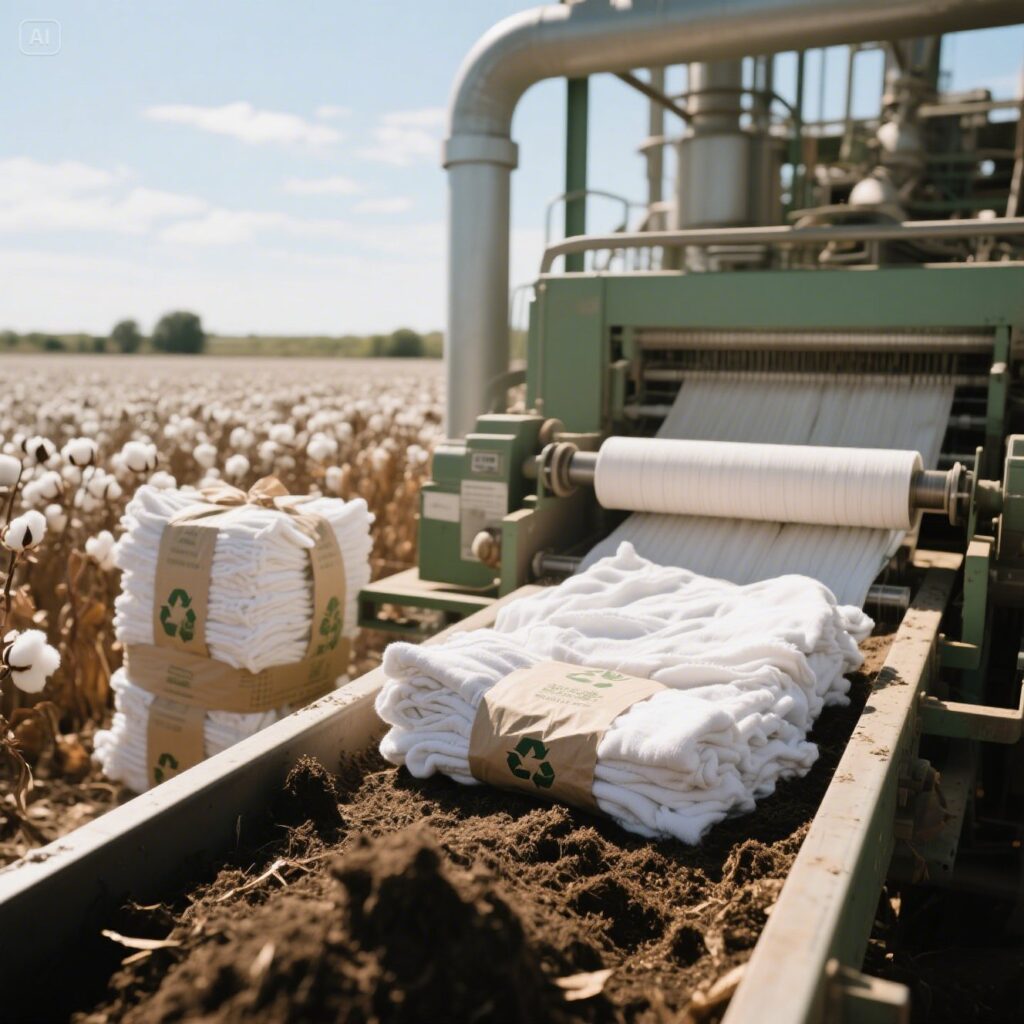
Meta Description: Discover how recycling companies collect, process, and reuse cotton rags to support sustainability at every stage of their lifecycle. Introduction: A Second Life for Cotton In today’s eco-conscious world, reducing waste and conserving resources are more critical than ever . One powerful way to achieve this goal in the textile industry is by recycling cotton rags. These humble pieces of fabric, often discarded as waste, gain a new life through a well-structured process that promotes sustainability, reduces landfill usage, and minimizes environmental impact. In this blog, we will walk you through the full lifecycle of a recycled cotton rag from initial collection to eventual reuse while highlighting the environmental benefits at each step. 1. Collection of Used Cotton Textiles The journey begins when recycling companies collect post-consumer or post-industrial cotton fabrics. These fabrics may include worn-out clothing, surplus textile scraps, or outdated cotton materials. Instead of sending these fabrics to landfills, recycling companies sort and store them. During this stage, they separate pure cotton materials from blends to ensure maximum quality for the recycling process. 2. Sorting and Grading for Reuse Once collected, the cotton fabrics are carefully sorted and graded based on their color, fabric type, and condition. This step is essential to ensure uniformity in the recycled product. Additionally, it eliminates the need for further dyeing thereby conserving water and reducing chemical use. Materials that are heavily stained or damaged are repurposed for industrial wiping rags, while cleaner cotton is reserved for high-quality applications. 3. Cutting and Processing into Rags After sorting, workers or machines cut the cotton fabric into specific sizes and shapes based on the final use. At this stage, industrial machines or skilled workers prepare the fabric for use as rags. They sew the edges or leave them raw, depending on the purpose. This transformation requires minimal energy and does not involve chemical treatments, making the process highly eco-efficient. 4. Packaging and Distribution Once prepared, companies pack the recycled cotton rags in bulk and distribute them to retailers, cleaning companies, and industries worldwide. These rags are especially valued in the automotive, manufacturing, and janitorial sectors because of their absorbency and durability. Furthermore, businesses that prioritize sustainability often choose recycled cotton over synthetic alternatives. 5. Reuse and Extended Lifespan The final stage of the lifecycle is perhaps the most impactful. Recycled cotton rags are durable and can serve multiple uses. Even after heavy-duty cleaning tasks, people wash and reuse them, which significantly reduces the need for single-use products. When these rags reach the end of their usable life, they can be composted if they are 100% cotton, returning to the earth without causing harm. Conclusion: A Sustainable Choice for a Cleaner Future To summarize, the lifecycle of a recycled cotton rag from collection and sorting to reuse and composting reflects an environmentally responsible approach to textile waste. Each step not only conserves resources but also minimizes environmental impact. By choosing recycled cotton rags, businesses and individuals alike contribute to a circular economy that values reuse over waste. Making the switch to recycled cotton isn’t just a practical decision it’s a step toward a greener, cleaner planet.

Uncategorized

“Safety Glove Ratings: What You Need to Know”

Meta Description Learn how safety gloves are classified based on their cut, puncture, and heat resistance ratings. Discover the right protection for your workplace needs. Introduction: Why Glove Ratings Matter In various industries, hand protection is not just recommended it is required. However, selecting the right gloves involves more than just considering size and comfort. You need to choose gloves based on their safety ratings, which indicate their ability to protect against cuts, punctures, heat, and other workplace hazards .In this blog, you will learn how manufacturers determine these ratings, why they matter, and how they can guide you in selecting the right gloves. . As safety standards evolve, making informed decisions has become more important than ever. What Are Glove Safety Ratings? To begin with, standards organizations establish safety ratings for gloves that indicate how much protection a glove offers in specific hazard categories. Manufacturers assign these ratings through rigorous lab testing, and they typically display them on glove packaging or product labels. Notably, international standards such as ANSI (American National Standards Institute) and EN388 (European Standard) regulate these tests. Cut Resistance Rating How It’s Measured: Cut resistance is one of the most important glove safety factors. Manufacturers measure this by determining the amount of force needed to cut through the glove material with a blade. In the U.S., they rate gloves according to the ANSI/ISEA 105 standard, which classifies gloves from A1 (least cut-resistant) to A9 (most cut-resistant). Why It Matters: This rating is especially crucial for industries that involve sharp tools or machinery . For example, workers in metal fabrication, glass handling, and construction must be protected with high-level cut-resistant gloves. Without proper protection, serious injuries may occur. Puncture Resistance Rating How It’s Measured: Puncture resistance measures the force needed to pierce the glove material using a standard-sized probe . It is also classified under ANSI/ISEA and EN388 standards. Notably, this rating does not account for hypodermic needle punctures, which require specialized gloves. Why It Matters: Workers who handle scrap metal, nails, or debris face high puncture risks. Therefore, you should select gloves with strong puncture resistance to reduce injuries. Furthermore, ensure the proper disposal of worn-out gloves to maintain safety standards. Heat Resistance Rating How it’s measured: Thermal insulation tests assess heat resistance by exposing gloves to various temperatures to measure their endurance of heat contact . The EN407 standard is widely used to measure heat resistance by evaluating burning behavior, contact heat, convective heat, radiant heat, and molten metal splash. Why It Matters: In industries such as foundries, welding, or glass manufacturing, heat-resistant gloves are essential. Wearing the wrong glove can cause serious burns and accidents. Therefore, always select gloves that have appropriate heat resistance ratings. How to Read Glove Labels Although glove ratings may seem technical, manufacturers usually display them in a simple icon format on the glove itself or its packaging. For instance, an EN388 label may include a series of numbers (e.g., 4X43C), each representing a different protection category. Before use, these ratings should be reviewed carefully. Choosing the Right Glove Based on Ratings When selecting gloves, you must consider the work environment, hazard type, and duration of use. Additionally, trainers should teach workers how to interpret these labels to help them make informed decisions. Conclusion: Stay Informed, Stay Protected To sum up, glove safety ratings serve as a reliable guide for selecting the right hand protection in various industries. By understanding how workers and employers rate gloves for cut, puncture, and heat resistance, they can ensure greater safety and reduce injuries. As safety standards continue to evolve, staying informed helps them stay protected.

Uncategorized

Why Cotton Rags Win the Eco Race Against Synthetic Wipes

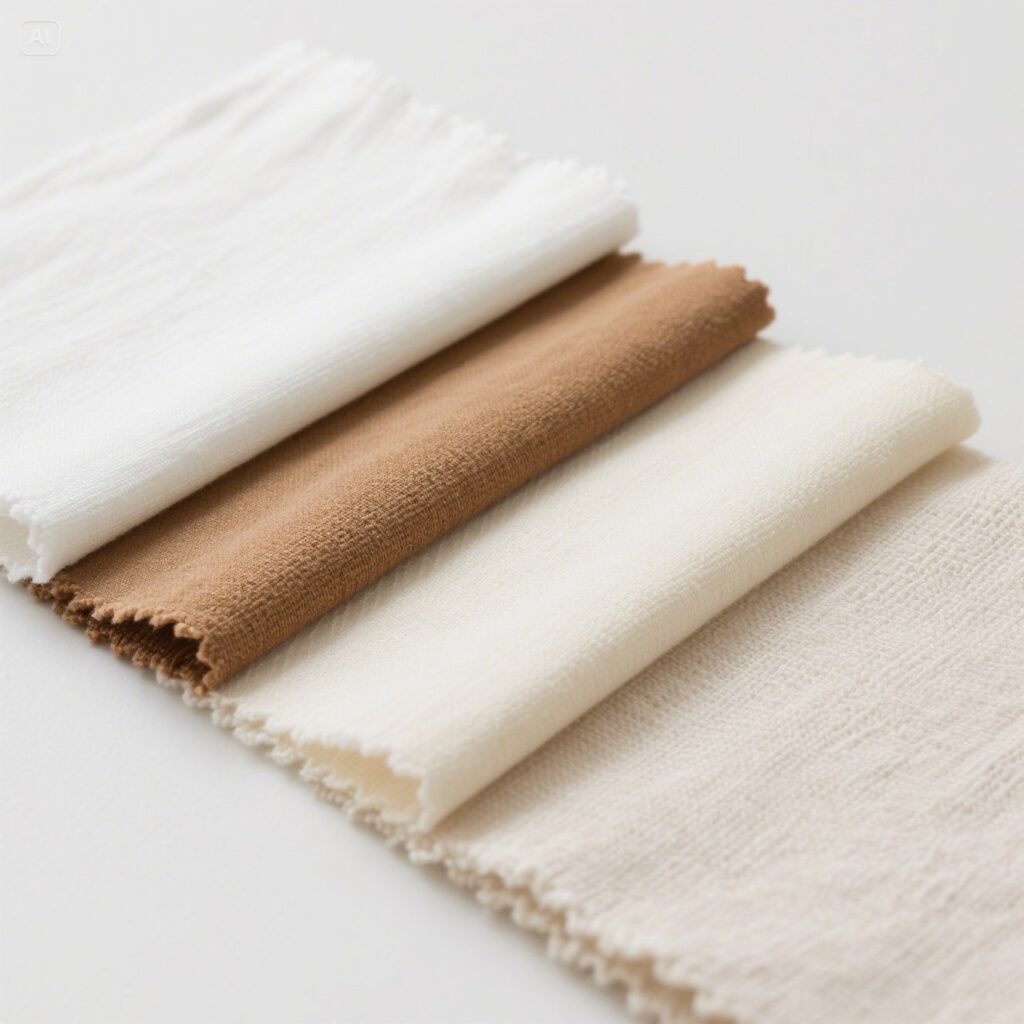
Meta Description: Discover how cotton rags outperform synthetic ones in biodegradability, energy efficiency, and eco safety. Learn why cotton is the smarter, greener cleaning solution. Introduction: A Clean Choice That Cleans the Planet Too In today’s eco-conscious world, every small decision matters especially those related to sustainability. One often-overlooked choice is between using cotton rags or synthetic wipes for cleaning. Although both options may seem similar in function, their impact on the environment tells a different story. Therefore, this blog explores how cotton rags provide greater environmental benefits, making them a superior option for individuals and businesses striving to go green. 1. Materials Matter: Natural vs. Plastic Origins Cotton Rags Grown, Not Manufactured Cotton rags are generally made from natural fibers, either sourced from recycled garments or surplus textile waste. Because these rags originate from renewable plant sources, they biodegrade naturally and are safe for the environment. Synthetic Rags A Petrochemical Product In contrast, synthetic rags are made from polyester, acrylic, or nylon all petroleum-based plastics. These materials are not biodegradable and often release harmful chemicals during and after their production. 2. Waste and Decomposition: What Happens After Disposal Cotton Disappears Naturally When people throw away cotton rags, they break down quickly and safely, often within a few months. This process occurs without leaving behind toxins or microplastics. Synthetic Rags Stay for Centuries On the other hand, synthetic materials can persist in landfills for up to 500 years. During this long process, microplastics are shed, which pollute water, harm marine life, and eventually enter the human food chain. 3. Energy Use and Carbon Footprint Cotton Is Easily Recycled Cotton rags can be recycled from used fabrics with minimal processing, which reduces energy consumption and carbon emissions. As a result, many industries prefer cotton for its low environmental cost. Synthetic Rags Require Energy-Intensive Production Manufacturers produce synthetic fibers through high-energy chemical processes, which significantly contribute to greenhouse gas emissions and environmental degradation. 4. Microplastics: A Hidden Danger Microplastics are microscopic particles that break off from synthetic fabrics during washing. Researchers have found these in oceans, soil, and even the bloodstream of humans. Cotton, being a natural fiber, does not release microplastics, making it safer not just for the environment but also for human health. 5. Reusability and Performance People widely praise cotton rags for their high absorbency, softness, and ability to withstand multiple washes. This extends their usable life and reduces waste. Although synthetic rags are also reusable, their fibers degrade faster, which results in more frequent replacement and more waste in the long run. Conclusion: Cotton Rags Are the Sustainable Solution To sum up, cotton rags clearly offer more environmental benefits than their synthetic counterparts. From their natural origin and biodegradability to their low energy usage and zero microplastic release, cotton rags align with the values of sustainability, safety, and smart business. For any organization committed to eco-friendly practices, making the switch to cotton is not just a responsible choice it’s the right one.

Uncategorized

Why Cotton Rags Are Greener Than Synthetic Rags: A Complete Comparison

Meta Description: Explore why cotton rags are more eco friendly than synthetic ones biodegradable, reusable, and safer for the environment. Introduction: Choosing the Greener Option As sustainability becomes a global priority, the cleaning industry is shifting toward more environmentally conscious choices. Among the most debated topics is the selection between cotton rags and synthetic rags. While both serve similar purposes, their environmental impact is vastly different. Therefore, in this blog, we’ll break down the eco benefits of cotton rags versus synthetic rags. Additionally, we will explain why cotton remains the superior choice for a greener future. By understanding these differences, you can make more informed decisions that promote sustainability. What Are Cotton and Synthetic Rags Made Of? Cotton Rags A Natural Choice Cotton manufacturers usually produce cotton rags from post-industrial waste or recycled clothing. They make these rags from natural cotton fibers that biodegrade and are sustainable. Since they source these fibers from renewable materials, the production causes less environmental damage. Synthetic Rags A Petroleum-Based Product By contrast, manufacturers typically produce synthetic rags from polyester, nylon, or acrylic all of which are plastic based. They derive these materials from fossil fuels, and unfortunately, these materials do not break down naturally, causing long term pollution. Decomposition and Waste Impact Cotton Breaks Down Naturally When disposed of, cotton rags biodegrade within months without releasing toxins into the soil or water. This is one of the key reasons cotton is preferred in eco-conscious sectors. Synthetic Rags Persist in Landfills In comparison, synthetic rags may take up to 500 years to decompose. During this time, they may release harmful microplastics into the ecosystem, contaminating water and marine life. Production and Energy Consumption Cotton Uses Less Energy Because people can repurpose cotton from pre-used textiles, the recycling process consumes less energy. The rise of mechanical and automated cotton rag recycling has minimized waste and significantly reduced energy usage. Synthetic Requires High Energy and Emits Toxins Manufacturers produce synthetic rags from scratch, often using high-temperature chemical processes, which result in more CO₂ emissions and a larger carbon footprint. Microplastics and Environmental Risk One of the most concerning issues with synthetic rags is the release of microplastics during washing. Researchers have found these particles in oceans, drinking water, and even human blood. Meanwhile, cotton rags pose no such risk, making them a safer and more responsible choice, especially in industries like food service and healthcare. Reusability and Lifespan People know cotton rags for their high durability, and they can withstand multiple washes, which further reduces waste. Their absorbency and softness make them ideal for repeated use in commercial and industrial cleaning. Although you can reuse synthetic rags, their fibers degrade more quickly, which leads to more frequent disposal. Final Verdict Cotton Rags Are Environmentally Superior Summary of Benefits Conclusion: Make the Switch to Sustainability In summary, cotton rags have proven to be significantly more eco-friendly than synthetic rags across every stage from production and usage to disposal. As global awareness around environmental issues continues to rise, businesses are encouraged to adopt greener alternatives. Choosing cotton rags over synthetic ones protects the planet and helps achieve long-term sustainability goals with confidence.

Uncategorized

Top Reasons Cotton Rags Are a Must-Have in Hospitality Cleaning

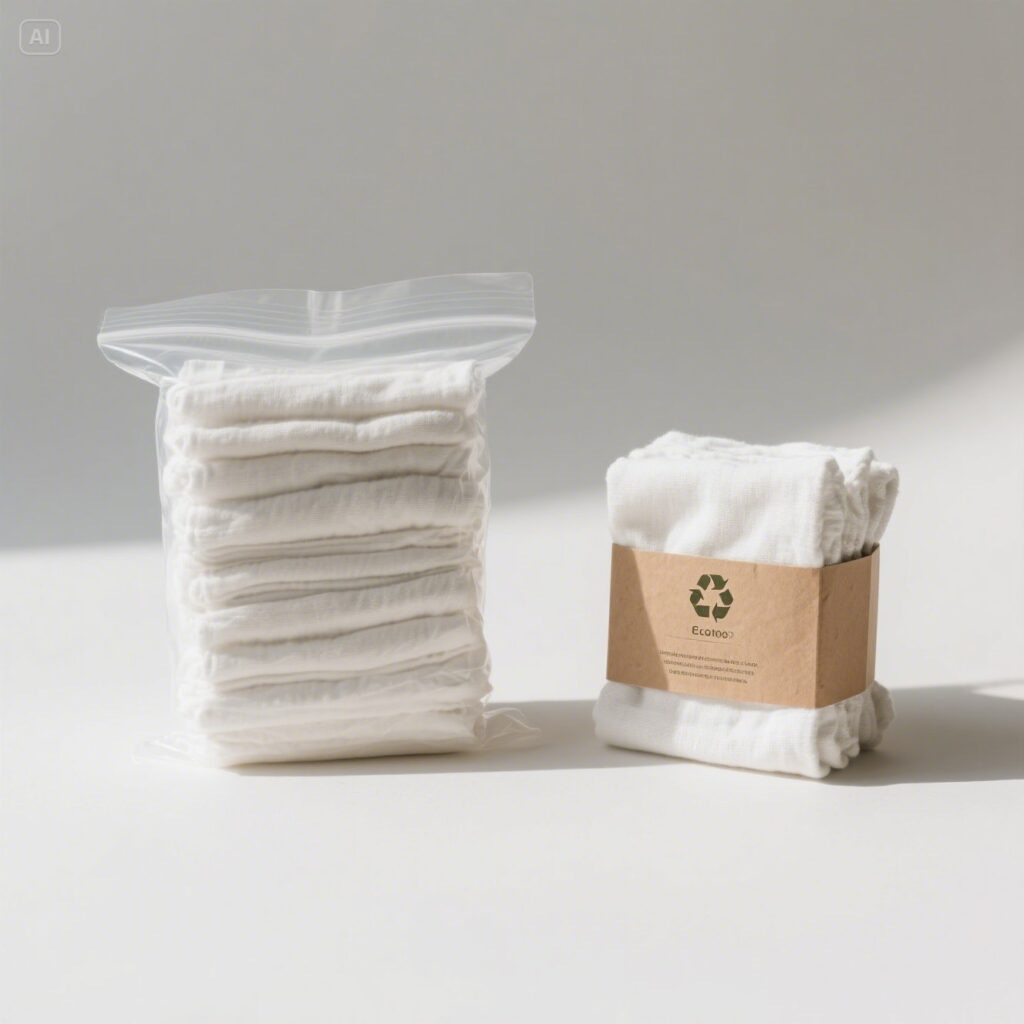
Meta Description Hotels and restaurants use cotton rags for cleaning, saving costs and ensuring hygiene by reusing and sterilizing them, which boosts efficiency and eco-friendliness. introduction In the fast-paced world of hospitality, where cleanliness and efficiency are paramount, cotton rags have proven to be indispensable. Restaurants, hotels, and resorts rely on these versatile cleaning tools daily to maintain high hygiene standards. As emphasis on sustainability and cost-effectiveness increases, people prefer cotton rags because they are reusable, durable, and practical. Used Across All Areas of Operations Cotton rags are used across nearly every department in a hospitality setting. Hotel housekeeping staff dust furniture, clean mirrors, and polish fixtures with these rags. In kitchens and dining areas, staff promptly wipe spills and sanitize surfaces using these absorbent cloths. Maintenance teams remove grease and grime effectively with heavy-duty cotton rags. As a result, these rags contribute to streamlined operations and uphold cleanliness standards that guests expect. Cost-Effective and Reusable Another major benefit of cotton rags is their long-term cost efficiency. Hospitality businesses can wash and reuse cotton rags multiple times, reducing the need to replace disposable paper towels frequently. Over time, this practice leads to significant savings, especially for large-scale operations. Additionally, since these rags are often made from reclaimed textiles, using them actively supports environmental responsibility without sacrificing performance. Enhanced Cleaning Efficiency Moreover, cotton rags are highly absorbent and effective at picking up dirt, moisture, and even bacteria. When used with disinfectants or cleaning agents, their soft yet strong fibers help ensure that surfaces are thoroughly cleaned without damage. Preferred for Green Cleaning Initiatives Given the hospitality industry’s growing interest in sustainable practices, many hotels increasingly adopt cotton rags as part of their eco-friendly cleaning programs. They often source these rags from post-consumer or industrial cotton waste, which helps minimize contributions to landfills. Furthermore, responsible laundering of the rags aligns well with green certifications that many hotels now strive to achieve. Furthermore, when laundered responsibly, they align well with green certifications many hotels now strive for. Consequently, choosing cotton rags demonstrates a business’s commitment to both cleanliness and the environment. Easy to Store and Maintain Storing cotton rags is also quite simple. You can fold cotton rags neatly and stack them in supply rooms, place them in labeled bins for different uses, or organize them by color to prevent cross-contamination. Additionally, washing the rags after each use extends their lifespan and helps maintain hygiene. Implement a color-coded rag system, such as using red for restrooms and white for kitchens, to ensure safer cleaning procedures are followed. Conclusion Ultimately, cotton rags play a vital role in the hospitality industry, providing a perfect balance of affordability, reliability, and sustainability. Their ability to adapt to various cleaning tasks while promoting eco-conscious practices makes them a wise investment for any hospitality business. By incorporating high-quality cotton rags into their cleaning protocols, hotels and restaurants can maintain spotless spaces that leave lasting impressions on guests. https://aasco.com.pk/product/new-bleached-white-cotton-wiping-rags/

Uncategorized

Split Cow Leather Glove Sizing Guide: How to Ensure the Right Fit Every Time

Meta Description Discover how to measure for the perfect fit in split cow leather gloves and why proper sizing ensures comfort, protection, and productivity on the job. Split Cow Leather Glove Sizing Guide: How to Ensure the Right Fit Every Time “Choosing the right fit is just as important as selecting the right material for work gloves.” Even the highest quality split cow leather gloves won’t provide full protection or comfort if the sizing is wrong. In fact, poorly sized gloves may lead to reduced dexterity, hand fatigue, or even injury during demanding tasks. Therefore, knowing how to size your gloves properly is essential for performance, safety, and long-term wear. Why Proper Glove Sizing Matters First and foremost, correct glove sizing maximizes protection. If the gloves are too loose, they may slip off or get caught in machinery. Conversely, if they are too tight, they may restrict circulation, causing discomfort or numbness during prolonged use. Moreover, when users wear gloves that fit correctly, they can perform tasks with greater precision and ease. This is particularly crucial in industrial, mechanical, or construction settings where grip and hand movement must not be compromised. Understanding Split Cow Leather Properties Before diving into sizing, it’s helpful to understand the nature of split cow leather. Made from the lower layer of the cowhide, this leather is more porous yet extremely durable, offering excellent abrasion resistance. However, unlike stretchable fabrics, leather does not conform easily to hand shapes over time. That’s why choosing the right size from the beginning is critical. How to Measure Your Hand for a Perfect Fit To ensure the perfect glove fit, a few simple measurements must be taken: Importantly, you should take these measurements while the hand is relaxed, not clenched, so that the glove fits naturally during use. Common Glove Sizing Issues to Avoid Unfortunately, many workers wear gloves that do not match their hand size. In bulk purchase environments, suppliers often hand out unisex gloves without ensuring proper fitting. As a result, protection and productivity suffer. To prevent this, each user should be properly fitted, and you should keep a variety of size options in stock. When ordering in bulk, it is advisable to order a mix of sizes based on the average hand sizes of employees.. Tips for Trying On Leather Gloves Even after measuring, trying on gloves can help ensure comfort: Remember, split cow leather may soften slightly with wear, but it will not stretch enough to accommodate a badly chosen size. Conclusion In summary, the effectiveness of split cow leather gloves heavily relies on correct sizing. With the right fit, users gain maximum comfort, protection, and control on the job. Fortunately, by taking accurate measurements and understanding the properties of leather, glove sizing can be handled with ease. When workers select properly sized gloves, the gloves last longer, protect better, and improve overall performance, making them a wise investment for any workplace. https://aasco.com.pk/product/gloves/

Scroll to Top