Uncategorized

Uncategorized

From Dust to Detail: Cotton Rags in Art Restoration

Meta Description Learn how cotton rags are used in art restoration and galleries for non-abrasive cleaning of frames, surfaces, and delicate artworks. Discover proper techniques, benefits, and best practices for conservation. Introduction: In galleries and museums, staff prioritize the preservation of artwork above all else. For this reason, conservators often employ cotton rags in art restoration because of their non-abrasive properties. Since delicate surfaces can be easily damaged, restorers handle them carefully and choose cotton rags as their preferred cleaning tool Non-Abrasive Cleaning for Frames and Surfaces In art conservation, conservators clean frames and surfaces with cotton rags to remove dust, fingerprints, and other residues. Soft cotton fibers prevent scratching and preserve the integrity of the materials. Moreover, gentle cleaning protects paint layers and gilded finishes Cotton in Conservation Practices Furthermore, conservators value cotton rags in conservation because the rags allow them to apply moisture and cleaning agents evenly and safely. The rags absorb oils, solvents, and mild detergents in a controlled manner, which prevents over-saturation and accidental damage. Therefore, restorers perform the cleaning process efficiently while minimizing risks to the artwork Best Practices for Using Cotton Cloths in Galleries Conservators emphasize proper technique when they use cotton rags in galleries. They rotate brushes and rags to avoid contamination, and they regularly replace the cloths to maintain optimal performance. Additionally, staff dispose of used rags according to safety protocols, especially after applying solvents or chemicals. As a result, preservation and safety standards remain fully maintained Why Cotton Rags Remain Essential Overall, cotton rags continue to serve as an essential tool in art restoration and galleries. Conservators consistently deliver non-abrasive cleaning, protect delicate surfaces, and perform cleaning procedures with minimal risk. Therefore, curators and conservation experts rely on cotton rags to preserve the beauty and integrity of priceless artworks

Uncategorized

How Automation Turns Cotton Waste into Valuable Rags

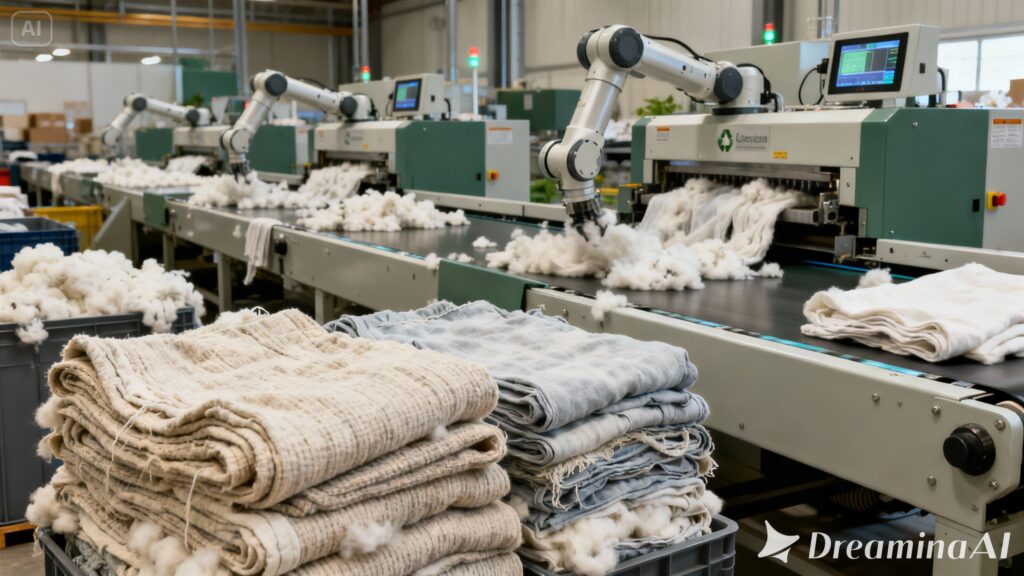
Meta Description:Learn how textile recycling and automation transform cotton waste into sustainable recycled cotton rags, reducing waste and supporting a circular economy. Cotton Rags: A Spotlight on Textile Recycling and Automation Across the global textile industry, sustainability now plays a central role in production and waste management. As environmental concerns continue to rise, companies increasingly adopt textile recycling to reduce landfill waste and conserve natural resources. Among recycled products, recycled cotton rags stand out for their environmental value, durability, and industrial usefulness. Therefore, understanding the recycling process behind these rags becomes essential. The Importance of Textile Recycling Textile recycling extends the life cycle of existing materials instead of allowing them to go to waste. Rather than discarding used textiles, recycling facilities collect and process them for reuse. As a result, industries significantly reduce waste generation and limit the need for virgin raw materials. Moreover, textile recycling lowers environmental pressure. Manufacturers reduce water usage, energy consumption, and carbon emissions by reusing cotton fibers. Consequently, many sustainable manufacturing strategies now rely heavily on recycled textiles to meet environmental goals. Automated Sorting in Modern Recycling Facilities At modern recycling plants, automation plays a crucial role in textile sorting. Advanced machines separate textiles based on material type, color, and fabric condition. Using sensors, scanners, and conveyor systems, facilities quickly identify cotton fabrics and isolate them from mixed waste streams. In addition, automated sorting improves accuracy and efficiency. Machines reduce human error while increasing processing speed. As a result, facilities handle large volumes of textile waste consistently without compromising quality standards. Transforming Cotton Waste into Recycled Cotton Rags After sorting, recycling teams process cotton textiles further. They cut, shred, and clean the fabrics to prepare them for reuse. During this stage, workers remove contaminants while preserving usable material. Furthermore, manufacturers produce recycled cotton rags without growing new cotton. This approach conserves water, land, and agricultural resources. At the same time, industries receive reliable cleaning materials that meet operational demands while reducing environmental impact. Why Industries Choose Recycled Cotton Rags Industries widely use recycled cotton rags because they combine durability with affordability. These rags maintain strong absorbency, which makes them ideal for cleaning grease, oil, and heavy industrial surfaces. Additionally, companies benefit from lower production costs. Since manufacturers reuse raw materials, they offer recycled cotton rags at competitive prices. Therefore, businesses can control costs while supporting sustainability initiatives. The Role of Automation in Sustainable Growth Automation continues to strengthen textile recycling systems. By increasing efficiency and reducing waste, automated processes support large-scale production of recycled cotton rags. Consequently, manufacturers meet industrial demand without sacrificing performance or environmental responsibility. Ultimately, textile recycling transforms cotton waste into valuable cleaning solutions. Through automation and smart processing, recycled cotton rags deliver both economic and environmental benefits. In this way, the textile industry moves closer to a truly circular economy.

Uncategorized

“Recycled Cotton Rags in the Circular Economy: Benefits and Processes

Meta Description:Discover how recycled cotton rags support the circular economy. Learn their benefits, production processes, and how they reduce textile waste sustainably Across the global textile industry, companies are paying increasing attention to sustainable waste management. As a result, many manufacturers now position textile recycling as a critical solution for reducing landfill waste and conserving natural resources. Among recycled products, recycled cotton rags stand out for their environmental and practical value. Therefore, this blog takes a closer look at the processes involved in producing them. The Role of Textile Recycling in Sustainability Textile recycling extends the life cycle of existing materials. Instead of discarding used textiles, recycling facilities collect, process, and reintroduce them into the supply chain. Consequently, manufacturers significantly reduce waste generation and minimize the need for raw materials. Moreover, by diverting cotton waste from landfills, the industry eases environmental pressure. Recycling practices reduce water usage, lower energy consumption, and cut carbon emissions. For this reason, manufacturers have widely adopted textile recycling as a core component of sustainable production strategies. Automated Sorting: The First Critical Step At recycling facilities, automated sorting systems actively separate textiles by material type, color, and condition. Advanced sensors, scanners, and conveyor systems efficiently identify and isolate cotton fabrics, ensuring precise classification. In addition, automation improves consistency and accuracy throughout the process. It reduces human error and significantly increases processing speed. As a result, facilities handle large volumes of textile waste efficiently while maintaining high quality standards. From Sorted Textiles to Recycled Cotton Rags Once sorting is complete, recycling facilities further process cotton textiles. Workers and machines cut, shred, and clean the fabrics before transforming them into reusable cotton rags. During this stage, the process removes contaminants while preserving usable material. Furthermore, manufacturers produce recycled cotton rags without cultivating new cotton. As a result, the industry conserves valuable natural resources. Through this approach, recyclers meet industrial demand for cleaning materials while reducing environmental impact. Benefits of Recycled Cotton Rags Industries widely use recycled cotton rags because they offer durability and affordability. These rags retain strong absorbency, which makes them ideal for cleaning grease, oil, and industrial surfaces. Additionally, manufacturers lower production costs by reusing raw materials. As a result, companies offer recycled cotton rags as a cost-effective alternative to virgin textile products. At the same time, businesses actively support their sustainability goals Why Automated Recycling Matters Automation plays a crucial role in modern textile recycling by increasing efficiency, reducing waste, and maintaining consistent output quality. As a result, manufacturers can produce recycled cotton rags at scale without compromising performance. Ultimately, automated sorting and recycling processes transform cotton waste into valuable cleaning solutions. In this way, the industry delivers both economic and environmental benefits. Conclusion Overall, recycled cotton rags represent a successful outcome of textile recycling innovation. Through automated sorting and efficient processing, textile waste is converted into practical, reusable products. Consequently, sustainability is advanced, resources are conserved, and industrial needs are fulfilled.

Uncategorized

A Complete Guide to White Cotton Rags for Professional Cleaning

Meta Description: This guide explains the uses and benefits of white cotton rags for professional cleaning, industrial cleaning, painting, and chemical handling. Introduction: Why White Cotton Rags MatterIn industrial and commercial environments, companies carefully select cleaning materials to ensure safety, precision, and efficiency. White cotton rags remain a preferred choice because they deliver consistent performance and reliable cleanliness. They are widely used in situations where contamination must be avoided. Therefore, industries consider white cotton rags an essential product. Lint-Free Performance: Clean Results You Can TrustOne of the most important benefits of white cotton rags is their lint-free performance. High-quality cotton fibers minimize loose particles during use, leaving surfaces clean and residue-free. This feature makes white cotton rags ideal for sensitive applications, earning trust in environments where precision is essential. Ideal for Painting and Finishing ApplicationsWhite cotton rags are commonly used in painting and surface preparation tasks. They prevent lint and color transfer, which helps achieve clean finishes. As a result, professionals consistently deliver high-quality results. Additionally, workers quickly absorb spills and excess paint, keeping workspaces clean and controlled throughout the process. Safe and Effective for Chemical Handling Durable and Reusable for Cost EfficiencyBeyond performance, white cotton rags are valued for durability. Because they can be washed and reused multiple times, long-term cost savings are achieved.Moreover, waste generation is reduced through reusability. As a result, these rags support both budget control and sustainable practices. Industries That Benefit from White Cotton RagsWhite cotton rags are widely used across several industries, including: Because versatility is provided, one product can meet multiple cleaning needs. Why Choose AASCO White Cotton Rags At AASCO, white cotton rags are produced with strict quality standards. Materials are carefully selected, and consistency is maintained throughout production. Therefore, reliable performance is ensured with every order. Additionally, flexible packaging and supply options are offered. As a result, operational requirements are supported efficiently. Conclusion: Upgrade Your Cleaning with Confidence In conclusion, white cotton rags deliver lint-free performance, reliable absorbency, and chemical-safe cleaning. Because they are durable and reusable, long-term value is provided. For industries seeking clean results and dependable quality, white cotton rags remain the smart choice. 👉 View Products and discover high-quality white cotton rags from AASCO designed for professional use.

Uncategorized

One Day in a Factory Using Cotton Rags

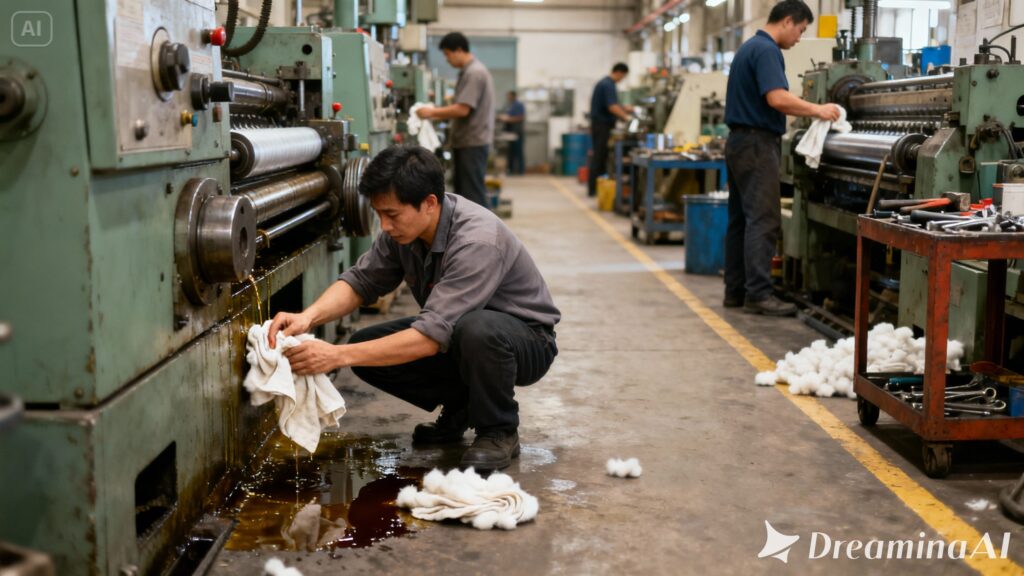
Meta Description Step inside a typical factory day and see how cotton rags handle spills, improve cleaning flow, and boost efficiency in industrial operations. Introduction: A Typical Factory Morning Every factory day begins with motion, noise, and nonstop activity. Machines start running, workers move into position, and production quickly gains momentum. In this fast-paced environment, we must ensure cleanliness flows naturally alongside daily operations instead of treating it as an afterthought. This is where cotton rags quietly play an important role supporting efficiency without interrupting productivity. Morning Shift: Handling Spills as Work Begins As machines warm up and materials are loaded, small spills inevitably appear. Oil drips near equipment, grease marks show up on work surfaces, and dust settles overnight. Rather than stopping production, workers quickly reach for cotton rags. Because cotton rags absorb liquids effectively, workers wipe spills immediately. As a result, teams reduce safety risks and continue working without delay. This quick response sets the tone for a smooth shift. Midday Operations: Maintaining a Smooth Cleaning Flow By midday, production reaches its peak. Tools change hands, machines are adjusted, and surfaces require frequent wipe-downs. At this stage, cleaning must stay efficient and predictable. Cotton rags support this flow because workers reuse them across multiple tasks. Instead of constantly replacing disposable wipes, teams clean, rinse, and continue working. Consequently, movement remains uninterrupted, and productivity stays high. Afternoon Maintenance: Efficiency Without Waste Later in the day, maintenance teams perform routine checks. They inspect equipment, remove residue, and prepare work areas for the next shift. During this stage, cotton rags prove especially useful. Their durability allows workers to tackle tougher grime without tearing or creating excessive waste. As a result, teams use fewer materials and finish cleanup faster. This approach maintains efficiency without adding unnecessary costs. End of the Day: Clean Floors, Ready Machines As the shift ends, floors are wiped, machines are cleaned, and workstations are reset. Used cotton rags are collected for washing rather than disposal. This simple habit reduces waste while preparing supplies for the next day. Because cleaning remains consistent from start to finish, the factory stays organized, safe, and ready for continued operation. Why Cotton Rags Fit the Factory Workflow Cotton rags blend seamlessly into daily factory life. They handle spills quickly, support continuous cleaning flow, and improve overall efficiency. Most importantly, they adapt to real working conditions without slowing teams down. This reliability explains why cotton rags remain a trusted choice across industrial environments. Conclusion: Small Tool, Big Impact One factory day reveals how small tools can make a big difference. From early-morning spills to end-of-day cleanup, cotton rags support smooth operations at every stage. By improving cleaning flow and reducing interruptions, cotton rags help factories stay efficient, safe, and productive day after day.

Uncategorized

Daily Industrial Cleaning Made Simple with Cotton Rags

Meta DescriptionLearn how cotton rags simplify daily industrial cleaning by handling spills, maintenance, and routine cleanup efficiently across multiple industries. Introduction: A Simple Tool with Daily Impact Across industrial environments, cleaning plays a critical role in productivity and safety. While advanced equipment supports operations, simple tools often make the biggest difference. Cotton rags remain one of those essential tools. Because they handle spills, support maintenance, and keep workspaces organized, many industries depend on cotton rags every single day. 1. Manufacturing Industry Manufacturing facilities operate continuously, which leads to frequent spills, residue, and dust buildup. Workers use cotton rags to wipe machinery, clean workstations, and remove oil or grease during production. By allowing quick cleanup without stopping operations, cotton rags help manufacturers maintain efficiency and reduce downtime. 2. Automotive Industry Automotive workshops rely heavily on cotton rags for daily tasks. Mechanics use them to clean engine parts, wipe tools, and handle oil and grease during repairs. Because cotton rags absorb fluids well and resist tearing, they support precision work while keeping hands and surfaces clean. 3. Warehousing and Logistics Warehouses manage constant movement of goods, equipment, and vehicles. As a result, dust, spills, and scuff marks appear throughout the day. Teams use cotton rags to clean loading areas, shelving, and equipment quickly. This consistent cleaning helps maintain organized spaces and supports safe material handling. 4. Construction and Maintenance Services Construction sites and maintenance teams face heavy dirt, paint, and residue daily. Workers rely on cotton rags to clean tools, wipe surfaces, and manage spills during ongoing work. Because cotton rags handle rough conditions well, they remain a dependable solution in demanding environments. 5. Food Processing and Packaging (Non-Contact Areas) In non-contact areas of food processing facilities, cotton rags support equipment cleaning and workspace maintenance. Teams use them to remove moisture and residue while following hygiene protocols. When properly managed, cotton rags help maintain clean and efficient operations. Why Cotton Rags Remain a Daily Essential Cotton rags offer durability, absorbency, and reusability across industries. Instead of relying on disposable products, businesses choose cotton rags to control costs and reduce waste. As operations scale, these benefits become even more valuable. Conclusion: Trusted Across Industries From manufacturing floors to automotive shops and warehouses, cotton rags support daily operations in countless ways. Their versatility and reliability explain why so many industries continue to depend on them. For businesses seeking practical, cost-effective cleaning solutions, cotton rags remain a trusted choice.

Uncategorized

Why Cotton Rags Deliver Better ROI Than Disposable Wipes

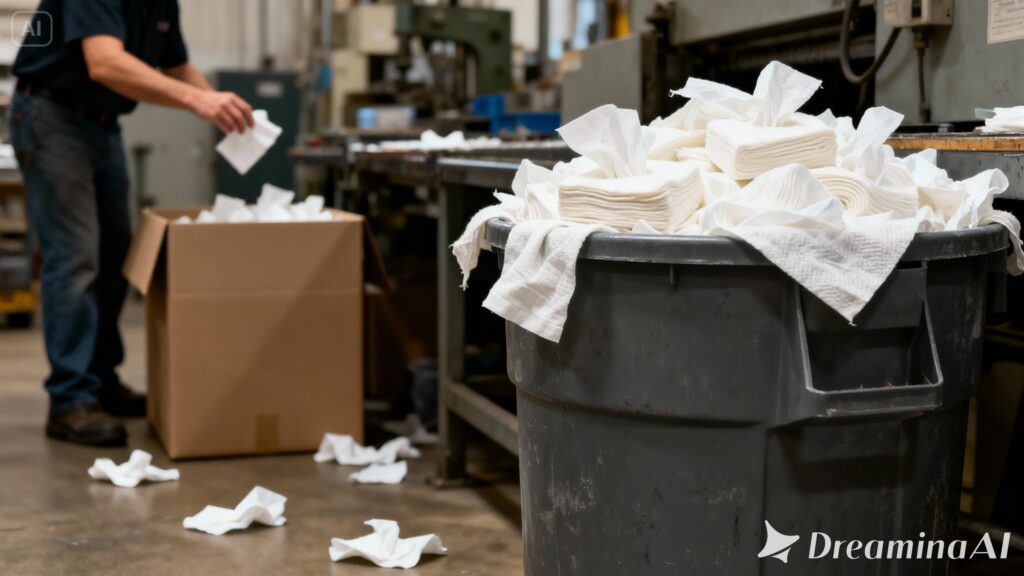
Meta Description Discover why cotton rags deliver better ROI than disposable wipes by reducing waste, lowering supply costs, and improving cleaning efficiency. Introduction: Cost Control Starts with Everyday Tools Operational costs continue to rise across industrial and commercial sectors. While major expenses often receive attention, smaller daily tools can quietly impact budgets. Cleaning supplies fall directly into this category. Cotton rags play a key role in cost control because they support efficiency, reduce waste, and lower recurring expenses. Over time, these advantages translate into measurable financial savings. Lower Purchase Costs Through Reusability Unlike disposable wipes, cotton rags support repeated use. Instead of discarding them after a single task, teams regularly wash and reuse them multiple times. As a result, businesses significantly reduce the frequency of new purchases and therefore lower overall supply costs. This reuse cycle directly lowers supply costs. Over weeks and months, spending drops significantly compared to disposable alternatives. Reduced Waste Management Expenses Disposable cleaning products generate constant waste. Companies must handle collection, disposal, and compliance costs. Cotton rags help limit this burden. By consistently reusing rags instead of throwing them away, teams significantly reduce waste volume. As a result, this reduction directly lowers disposal fees and at the same time supports cleaner, more organized facilities. Improved Cleaning Efficiency Saves Labor Time Cotton rags absorb liquids effectively and resist tearing. Workers clean spills, machinery, and surfaces faster without switching products repeatedly. Because tasks finish sooner, labor time decreases. When multiplied across daily operations, these time savings contribute directly to reduced operational costs. Longer Product Lifespan Delivers Better ROI Cotton rags offer durability under tough conditions. Teams use them for oil, grease, dust, and general maintenance without constant replacement. This long lifespan increases return on investment. Each rag delivers value across many cleaning cycles, which strengthens cost efficiency over time. Flexible Use Across Multiple Tasks Cotton rags handle a wide range of cleaning jobs. Teams use them for spill control, equipment wipe-downs, surface cleaning, and maintenance work. Because one product serves multiple purposes, businesses avoid buying specialized cleaning materials. This flexibility simplifies inventory and cuts unnecessary spending. Cost Breakdown: Disposable Wipes vs Cotton Rags When companies compare costs, cotton rags consistently outperform disposable options: Together, these factors create measurable savings and a stronger ROI. Why Businesses Choose Cotton Rags for Cost Control Companies that prioritize efficiency and budget control rely on cotton rags because they deliver consistent performance at lower long-term cost. Instead of paying for convenience, they invest in durability and reuse. This approach aligns daily operations with financial sustainability Conclusion: Small Change, Big Savings Cotton rags help businesses reduce operational costs by lowering supply expenses, minimizing waste, and improving cleaning efficiency. Although they appear simple, their financial impact adds up quickly. For organizations seeking better ROI from everyday operations, cotton rags remain a smart and cost-effective solution.

Uncategorized

Cotton Rags vs Paper Towels: Which Delivers More Value?

Meta DescriptionCompare cotton rags and paper towels to understand which option offers lower costs, better efficiency, and stronger long-term value for industrial cleaning. Introduction: Choosing the Right Cleaning Material Matters In industrial and commercial environments, cleaning supplies directly affect operating costs. While paper towels appear convenient, cotton rags often provide better long-term value. Therefore, understanding the true cost difference helps buyers make smarter decisions. This comparison breaks down expenses, efficiency, and overall return on investment to guide informed purchasing. Upfront Purchase Costs: Short-Term vs Long-Term Thinking At first glance, paper towels seem less expensive because of their low unit price. However, they require constant replenishment. As a result, purchasing costs quickly add up. Cotton rags, on the other hand, require a slightly higher initial investment. Nevertheless, because teams reuse them multiple times, the long-term cost per use remains significantly lower. Usage Rate and Consumption Levels Paper towels tear easily and absorb limited amounts of liquid. Consequently, workers often use several sheets for a single task. Over time, consumption increases rapidly. In contrast, cotton rags absorb more liquid and maintain their strength during use. Therefore, workers complete tasks using fewer materials, which immediately reduces daily consumption. Waste and Disposal Costs Paper towels generate continuous waste. As a result, facilities must manage higher disposal volumes and associated costs. Additionally, frequent trash removal increases labor time. Cotton rags reduce waste because teams wash and reuse them. Consequently, waste volume drops, disposal costs decline, and facilities remain cleaner and more organized. Labor Efficiency and Productivity When paper towels tear or lose absorbency, workers stop to grab replacements. This interruption slows cleaning tasks and affects productivity. Cotton rags streamline workflows because they last longer during use. As a result, workers clean faster, stay focused, and maintain steady productivity throughout the shift. Durability and Lifespan Paper towels serve a single purpose and last only minutes. Therefore, their lifespan remains extremely short. Cotton rags deliver extended value through repeated wash cycles. Because of their durability, businesses gain more usable hours from each purchase, which strengthens cost efficiency. Overall Cost Comparison When businesses evaluate total expenses, cotton rags consistently outperform paper towels: Together, these factors lead to stronger long-term savings. Which Option Offers Better Value for Buyers? For light, occasional cleaning, paper towels may seem convenient. However, for daily industrial and commercial cleaning, cotton rags provide superior value. Because they reduce recurring expenses and improve efficiency, cotton rags remain the smarter choice for cost-conscious buyers. Conclusion: Invest in Long-Term Savings Although paper towels offer short-term convenience, cotton rags deliver measurable cost advantages over time. By lowering consumption, waste, and labor inefficiencies, cotton rags help businesses control budgets more effectively. For buyers focused on value, durability, and ROI, cotton rags represent a reliable and economical cleaning solution.

Uncategorized

How We Ensure Consistent Quality in Every Batch

Meta Description Discover how we maintain consistent quality in every batch through strict processes, careful inspections, and trusted manufacturing practices. Introduction: Quality Is More Than a Standard it’s Our Commitment In manufacturing, consistent quality is the backbone of trust. Customers rely on products to meet expectations every time, and delivering that reliability requires more than just materials it requires process, care, and dedication. At our facility, we focus on every step, from sourcing raw materials to final inspections. By doing so, we ensure each batch meets the highest standards. Step 1: Sourcing the Best Materials Quality starts with materials. We carefully select and inspect raw cotton and other inputs before production begins. By choosing only reliable suppliers and verified materials, we reduce variability and create a strong foundation for consistent quality. Step 2: Controlled Manufacturing Processes During production, we follow strict standard operating procedures. In addition, we calibrate machines regularly, and operators handle every batch with precision. As a result, we maintain consistency throughout the process and minimize errors. Because every step is monitored, errors are minimized and consistency is maintained throughout the process. Step 3: In-Process Quality Checks Quality is checked at multiple stages not just at the end. Teams inspect texture, absorbency, and durability as the rags move through production. This approach allows us to catch issues early, correct them immediately, and prevent inconsistencies from reaching the final product. Step 4: Final Batch Inspection Before packaging, every batch undergoes a rigorous final inspection. Experts evaluate the rags for uniformity, strength, and performance. By performing thorough final checks, we ensure only high-quality products leave our facility. Step 5: Continuous Improvement and Feedback Maintaining quality is not static. We track customer feedback and internal performance metrics to refine our processes continuously. Because we embrace a culture of improvement, we adapt to new challenges while keeping quality consistent. Conclusion: Quality You Can Trust Every Time Consistent quality doesn’t happen by chance it’s the result of careful planning, strict processes, and constant attention to detail. By focusing on every step from sourcing to inspection and improvement, we ensure that every batch meets the high standards our customers expect.

Uncategorized

Colored Cotton Rags: A Practical Solution for General Cleaning Tasks

Meta Description Discover why colored cotton rags are a practical, budget-friendly solution for general cleaning tasks in industrial and commercial environments. Introduction: A Practical Cleaning Solution for Everyday NeedsIn many industrial and commercial environments, teams prioritize cleaning efficiency while controlling costs. For this reason, businesses widely use colored cotton rags for general cleaning tasks. While teams reserve premium white rags for specialized applications, they choose colored cotton rags when practicality and affordability matter most. As a result, these rags provide a dependable solution for routine cleaning across multiple industries. What Are Colored Cotton Rags? Manufacturers produce colored cotton rags from recycled cotton textiles with mixed colors. Because appearance does not matter as much, they focus on performance instead of visual uniformity. Moreover, producers retain strong cotton fibers throughout production. As a result, the rags maintain high absorbency and durability, which makes them suitable for repeated use. When to Use Colored Cotton Rags Colored cotton rags are best used in environments where heavy contamination is expected. Because stains and discoloration are less visible, users find these rags ideal for tasks involving grease, oil, and dirt. Additionally, they are commonly used for: As a result, cleaning efficiency is maintained without unnecessary product waste. Why Colored Cotton Rags Are Budget-Friendly One of the biggest advantages of colored cotton rags is their cost efficiency. Manufacturers minimize sorting and whitening processes, which lowers production costs. Consequently, businesses receive direct cost savings. Furthermore, teams can wash and reuse these rags multiple times. As a result, companies reduce long-term expenses and avoid frequent replacements. For businesses that manage large-scale cleaning operations, this advantage delivers significant value. Reliable Performance for General Cleaning Although colored cotton rags are economical, they do not compromise performance. Because cotton fibers are naturally absorbent, they remove liquids and residues effectively. Additionally, repeated washing supports durability. As a result, users achieve consistent cleaning results across everyday tasks. Industries That Commonly Use Colored Cotton Rags People widely use colored cotton rags in various applications. Because we offer versatility, one cleaning solution can support multiple operational needs. Why Choose AASCO Colored Cotton Rags At AASCO, we carefully process colored cotton rags to ensure dependable quality. We inspect, sort, and prepare the materials to meet general cleaning requirements. Moreover, the company offers flexible packaging and bulk supply options. This support helps businesses access reliable products at competitive prices. Conclusion: Smart Cleaning Starts with the Right Choice In conclusion, colored cotton rags serve as an excellent choice for budget-friendly, general cleaning applications. They provide durability, absorbency, and cost savings, which keep them widely used across industries. For businesses seeking practical cleaning solutions without unnecessary expense, colored cotton rags provide dependable value. 👉 View Products and explore AASCO’s range of colored cotton rags designed for everyday industrial cleaning.

Scroll to Top