Problems with Disposable Wipes in Industrial Cleaning and Better Alternatives
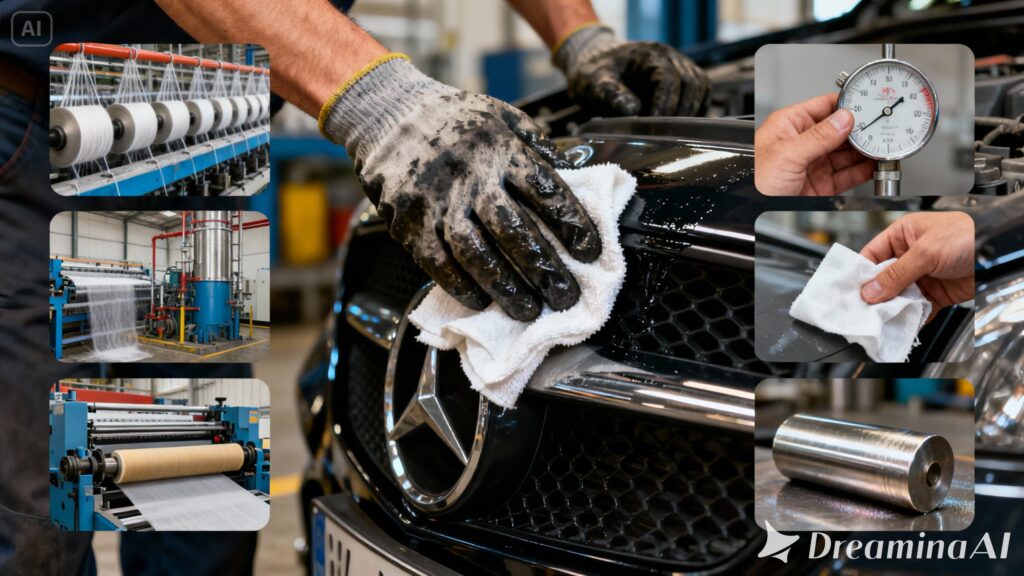
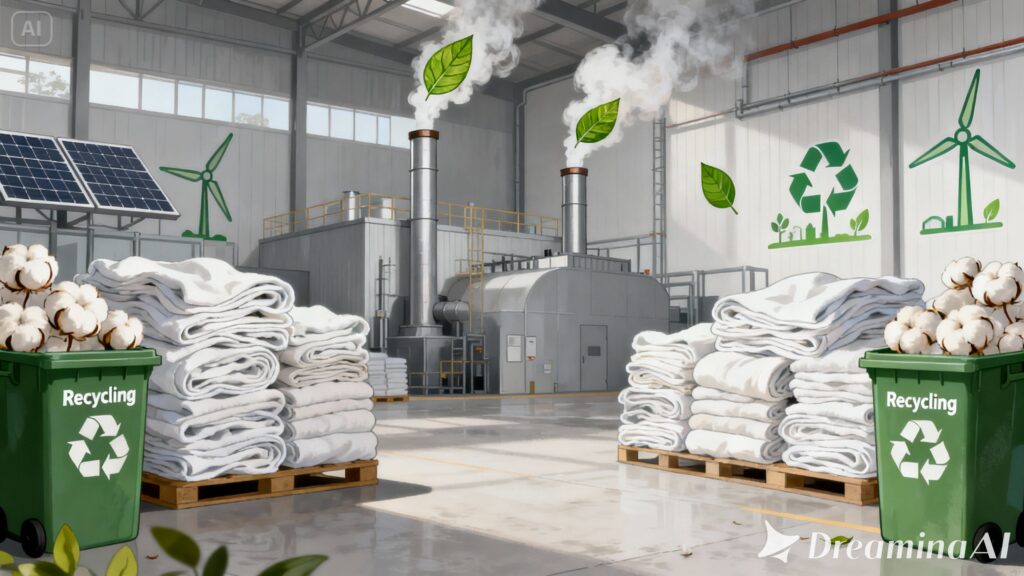
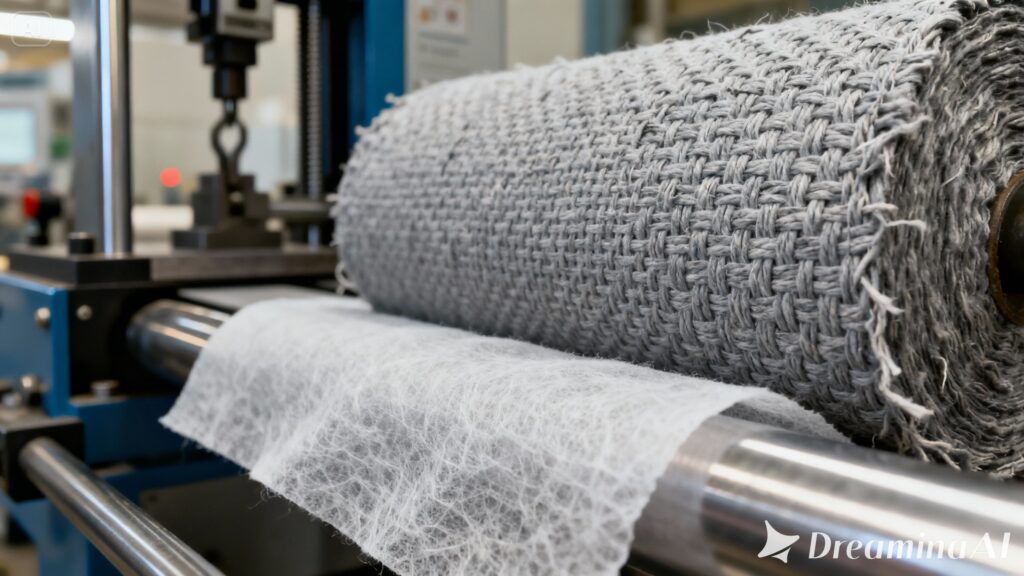
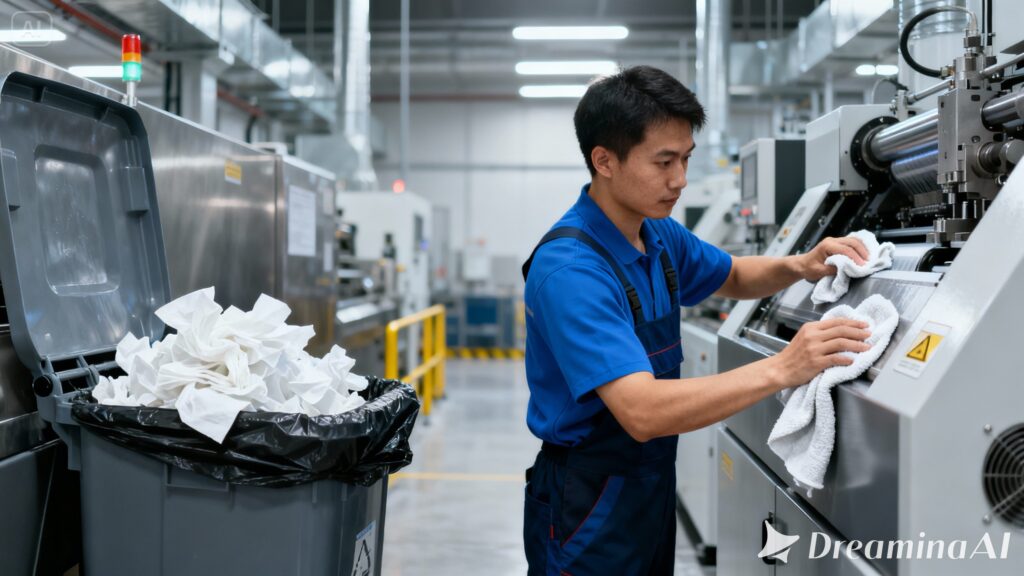
Meta Description Learn about the problems with disposable wipes in industrial cleaning, including waste, high costs, and poor efficiency, and explore better reusable alternatives. Introduction: A Common Cleaning Choice with Hidden Issues Disposable wipes are widely used in industrial cleaning environments. At first glance, convenience appears to be offered. However, long-term challenges are often overlooked. As industrial operations grow, the limitations of disposable wipes are increasingly being recognized Therefore, the need for a more efficient, cost-effective, and sustainable alternative has been highlighted. As a result, attention is now being shifted toward reusable cleaning solutions. Excessive Waste: An Environmental ConcernOne of the most significant problems associated with disposable wipes is that they generate excessive waste. People typically discard wipes after a single use. As a result, they produce large volumes of waste daily.Moreover, most disposable wipes do not biodegrade. This increases landfill pressure and intensifies environmental impact. For industries aiming to adopt sustainable practices, they must address this issue. High Ongoing Costs: A Long-Term Financial BurdenAlthough disposable wipes may seem inexpensive initially, they incur higher costs over time. The need for constant replacement causes recurring expenses to quickly accumulate. In addition, industries must purchase wipes in bulk to maintain their supply. This affects operational budgets and reduces cost efficiency. When compared with reusable alternatives, disposable wipes prove to be less economical. Cleaning Inefficiency: Performance Limitations Disposable wipes often cannot withstand heavy-duty industrial tasks. They tear easily and lose absorbency quickly, so workers must use multiple wipes to complete a single job.As a result, cleaning takes longer, and productivity declines. Furthermore, inconsistent performance causes frustration in demanding work environments. Consequently, workers compromise efficiency rather than improve it. The Better Solution: Switching to Cotton RagsIn contrast, cotton rags offer a reliable and effective alternative. Their durability and high absorbency support repeated use without any loss of performance. Additionally, you can wash and reuse cotton rags multiple times. This reduces waste and helps achieve long-term cost savings. Most importantly, they deliver consistent cleaning results across various industrial applications. Why Cotton Rags Make Sense for Modern Industries Manufacturers, maintenance teams, automotive, and construction industries widely trust cotton rags. Their versatility allows workers to remove oils, grease, spills, and residues efficiently.As sustainability, performance, and cost control become more important, companies increasingly adopt cotton rags as a smarter cleaning solution. This adoption improves operational efficiency while maintaining environmental responsibility. Conclusion: A Smarter Cleaning ChoiceIn conclusion, disposable wipes present serious challenges related to waste, cost, and inefficiency. While convenience may be offered initially, long-term drawbacks are unavoidable.Industries can switch to cotton rags to obtain a durable, reusable, and cost-effective solution. This switch enables them to adopt a smarter and more sustainable approach to industrial cleaning.